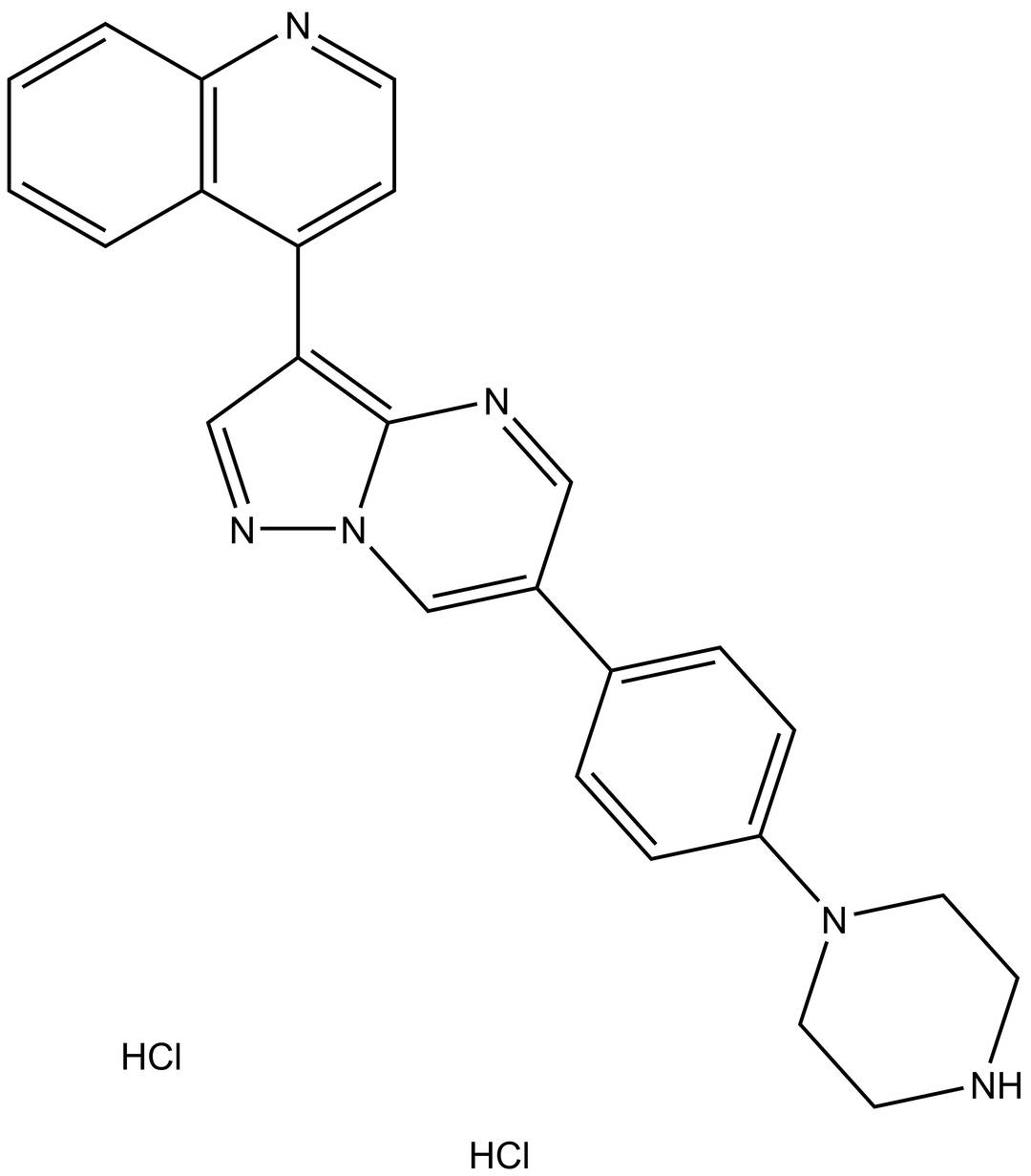
TGF-beta/Smad-Targeted Compounds
InquiryOverview
The TGF-beta/Smad signaling pathway is a key signaling pathway that regulates important biological processes such as cell growth, differentiation, metabolism, and fibrosis. This pathway has an important role in obesity and its related metabolic diseases, such as type 2 diabetes. For example, TGF-beta1 regulates adipocyte differentiation, insulin signaling, and energy metabolism homeostasis through the activation of Smad3, thereby affecting the onset and development of obesity. In addition, the TGF-beta/Smad signaling pathway is involved in inflammatory response, insulin resistance, and adipose tissue remodeling, making it an important target for obesity research. Protheragen provides a wide range of TGF-beta/Smad-related compound products for in-depth study of the mechanism of action of this signaling pathway in obesity and related metabolic diseases.
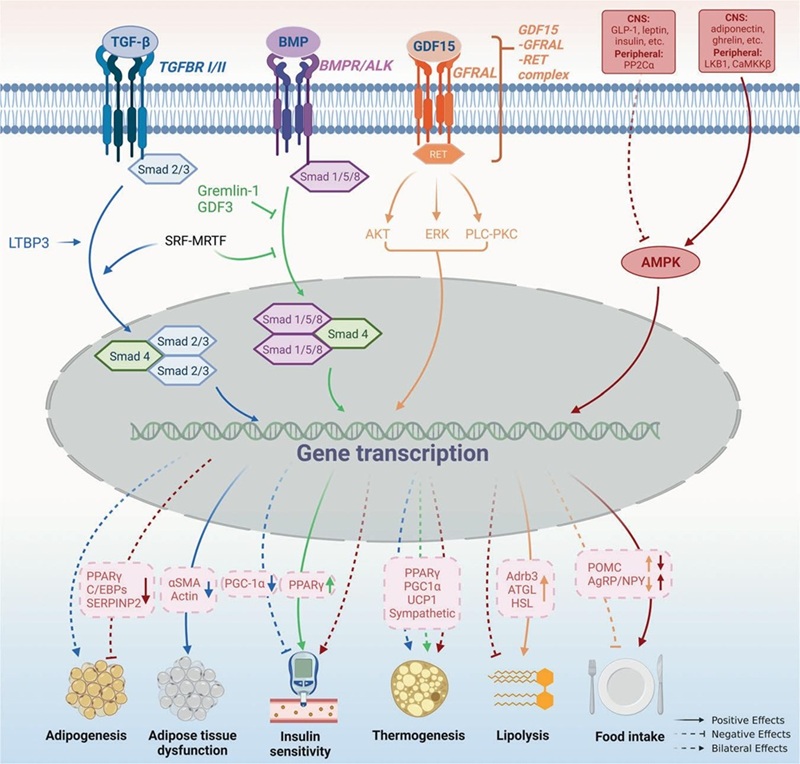 Fig.1 TGF-β signaling pathways in obesity pathogenesis. (Wen, et al., 2022)
Comprehensive Coverage of the TGF-beta/Smad Pathway Accelerates Obesity Research
Features
The TGF-beta/Smad compounds we offer cover a wide range of types, including:
- Inhibitor: We offer a wide range of inhibitors, such as PKC inhibitors, Smad3 inhibitors, BMP signaling inhibitors, and TGF-β inhibitors.
- Activator: We offer high-quality activators such as smad4 activators and smad5 activators.
- Natural Products: We offer a number of natural products, such as alantolactone, for inducing or activating Smad signaling
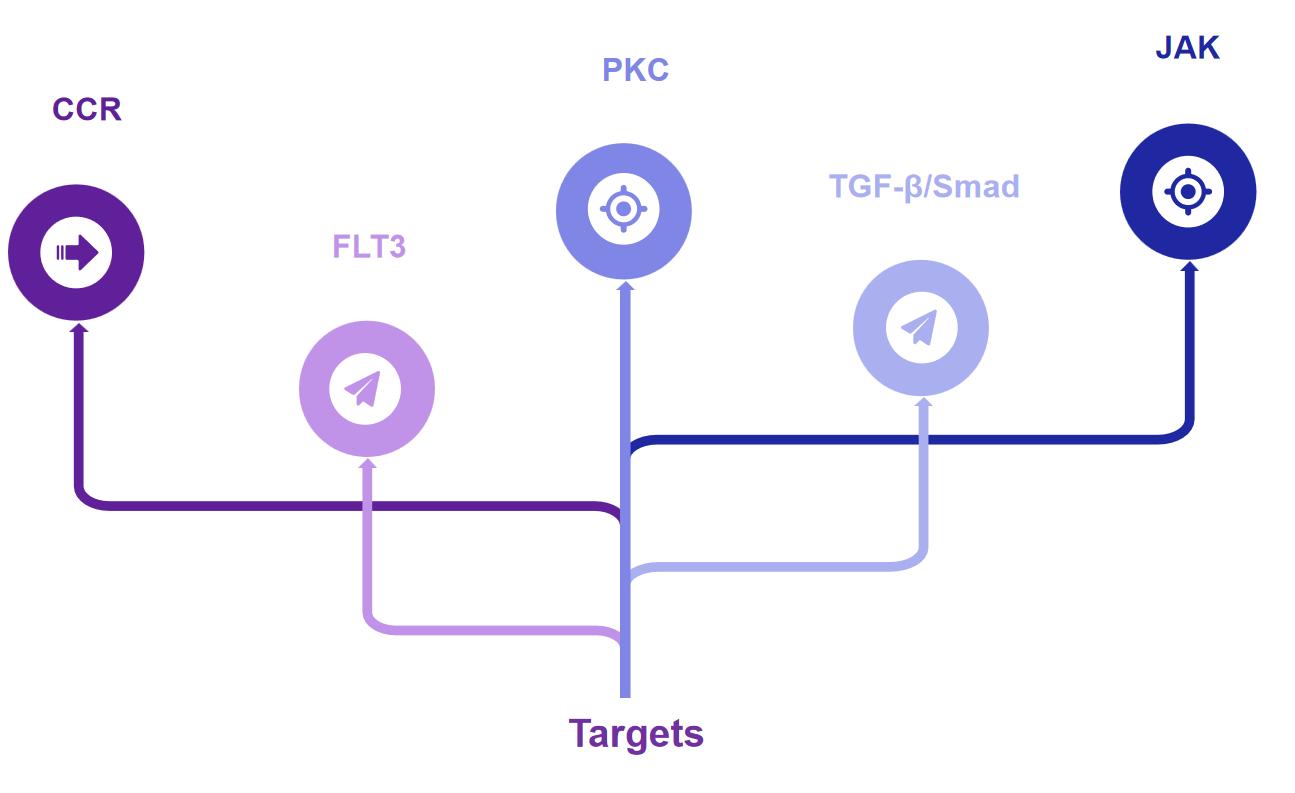
Targets
Publication Data
Title: Epigenetic profiling in the saliva of obese pregnant women
Journal: Nutrients, 2022
DOI: https://doi.org/10.3390/nu14102122
Summary: In the saliva of obese pregnant women, the authors detected significant changes in the expression levels of 20 miRNAs, of which 18 were up-regulated and 2 were down-regulated. These miRNAs were significantly associated with pathways such as fatty acid metabolism, extracellular matrix receptor interactions, and lysine degradation. In addition, the methylation levels of cytokine signaling 3 (SOCS3) and TGF-beta1 genes in the saliva of obese pregnant women were significantly lower than those of normal weight pregnant women. This study provides new insights into understanding epigenetic changes in obese pregnant women, offering new perspectives and potential biomarkers for future research.
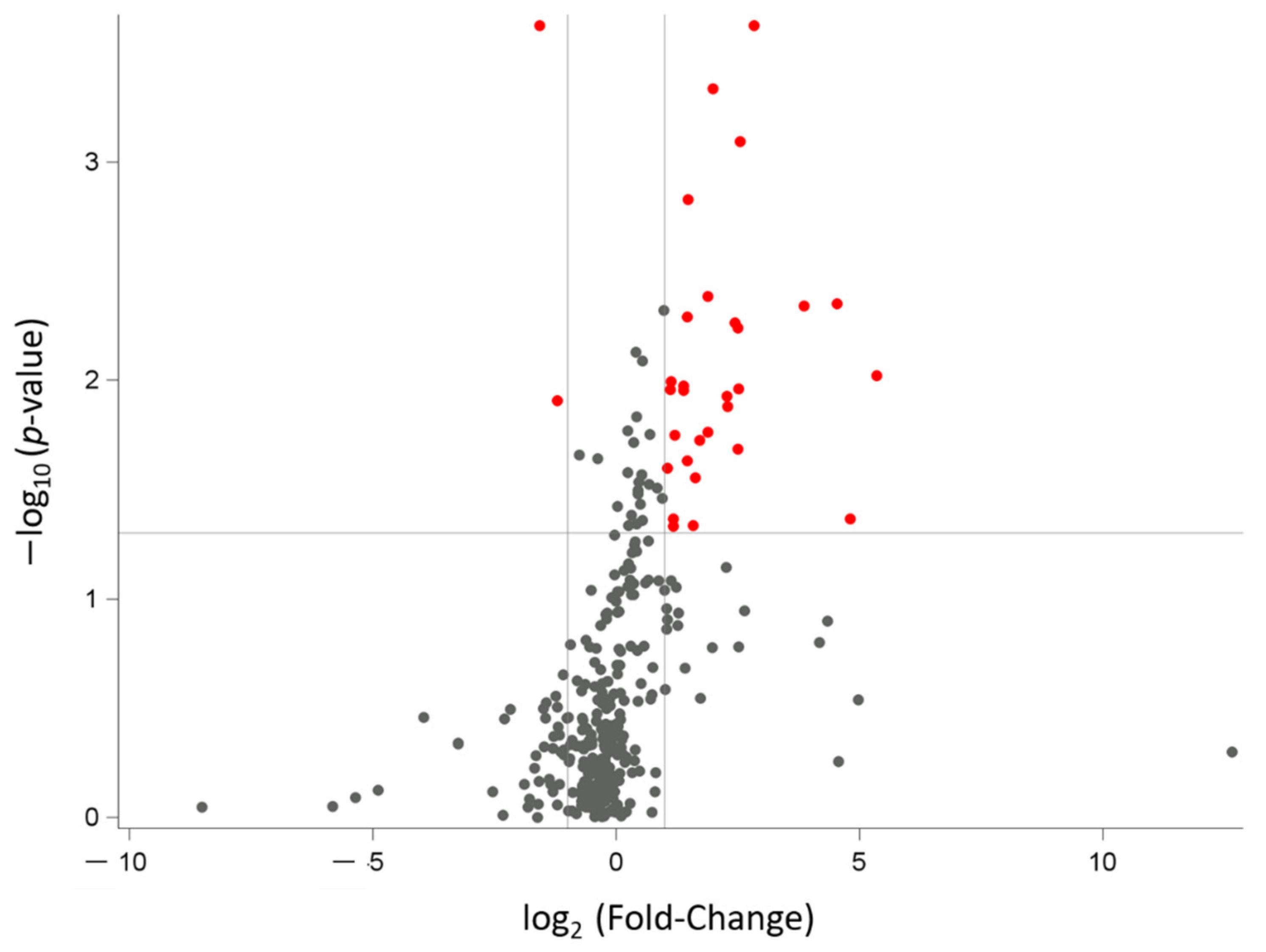 Fig.2 Analysis of expressed miRNAs between obese and normal-weight pregnant women. (Mandò, et al., 2022)
Applications
- Research on Obesity and Metabolic Diseases: Our products can be used to study the role of TGF-beta/Smad signaling pathway in obesity genesis, adipocyte differentiation, and insulin resistance.
- Comprehensive Evaluation of Adipose Metabolic Flux: Researchers can leverage our libraries to investigate the precise effects of small molecules on adipose tissue metabolism, including critical pathways such as fatty acid oxidation and gluconeogenesis.
- Accelerating Anti-Obesity Drug Candidate Discovery: Our specialized library is designed to facilitate the high-throughput screening of potent pathway inhibitors as promising anti-obesity drug candidate molecules.
Advantages of Us
Diversity and Specificity
Our products cover key targets of the TGF-beta/Smad signaling pathway, including TGF-beta receptors, Smad family proteins, and other related factors, providing researchers with comprehensive tools.
High Purity
Our products are greater than 98% purity (validated by HPLC/NMR). Our stringent QC ensures exceptional batch-to-batch stability, providing the reliable chemical integrity essential for long-term longitudinal studies.
Strategic Library Customization
Our company supports clients in customizing compound libraries for specific targets or signaling pathways. We offer flexible options for custom concentrations, diverse plate layouts, and specific chemical formats, ensuring seamless integration into your high-throughput screening (HTS) workflows and drug discovery pipelines.
Customer Review
Precision Tools for Mapping Adipose Tissue Fibrosis
"Protheragen's TGF-beta/Smad library has been instrumental in our research on how extracellular matrix remodeling affects insulin sensitivity. The high selectivity of their ALK5 and Smad3 inhibitors allowed us to precisely block pro-fibrotic signaling in hypertrophic adipocytes. The purity and stability of these compounds delivered consistent results across multiple cell-based assays, making Protheragen a trusted name in our laboratory." — Dr. Ma** Th**
Unrivaled Specificity for Complex Signaling Pathway Screening
"Screening for modulators of the TGF-beta superfamily requires tools that can distinguish between delicate signaling branches. Protheragen provided a library with exceptional structural diversity and validated bioactivity. Their pre-formatted screening sets integrated seamlessly into our robotic platforms, significantly reducing our assay optimization time. Their data-rich documentation is a gold standard for CRO services."— Dr. L* N*, Senior Principal Scientist
Frequently Asked Questions
-
Smad can be classified into which categories based on functional differences in TGF-β signaling?
Based on functional differences in TGF-β signaling, Smad has been classified into three categories
- Receptor-regulated Smad (R-Smad-Smad1/2/3/5/8)
- Generalized Smad (common Smad, Co-Smad-Smad4)
- Inhibitory Smad (I-Smad-Smad6/7)
-
What factors influence the TGF-β cell signaling pathway?
The TGF-β cell signaling pathway is finely regulated at different levels, including ligand, receptor, and Smad. At the level of transcription in the nucleus, it is regulated by a variety of mechanisms, such as protein-protein interactions, post-translational modification of proteins, protein degradation, protein transport and intracellular localization, and Smad-DNA binding.
-
Is bioactivity data provided for each compound in the library?
A: Absolutely. Each library comes with a comprehensive database including IC50 values and validated targets. This allows you to select the most appropriate concentrations and controls for your specific biological model, whether you are working with primary pre-adipocytes or established cell lines like 3T3-L1.
Protheragen provides professional technical support and high-purity products to promote your research in the field of obesity. We want to be your best partner in obesity research and compound library building. Please feel free to contact us at any time.
References
- Mandò, C.; et al. Epigenetic profiling in the saliva of obese pregnant women. Nutrients. 2022, 14(10): 2122.
- Wen, X.; et al. Signaling pathways in obesity: mechanisms and therapeutic interventions. Signal Transduction and Targeted Therapy. 2022, 7(1): 298.
TGF-beta/Smad-Targeted Compounds
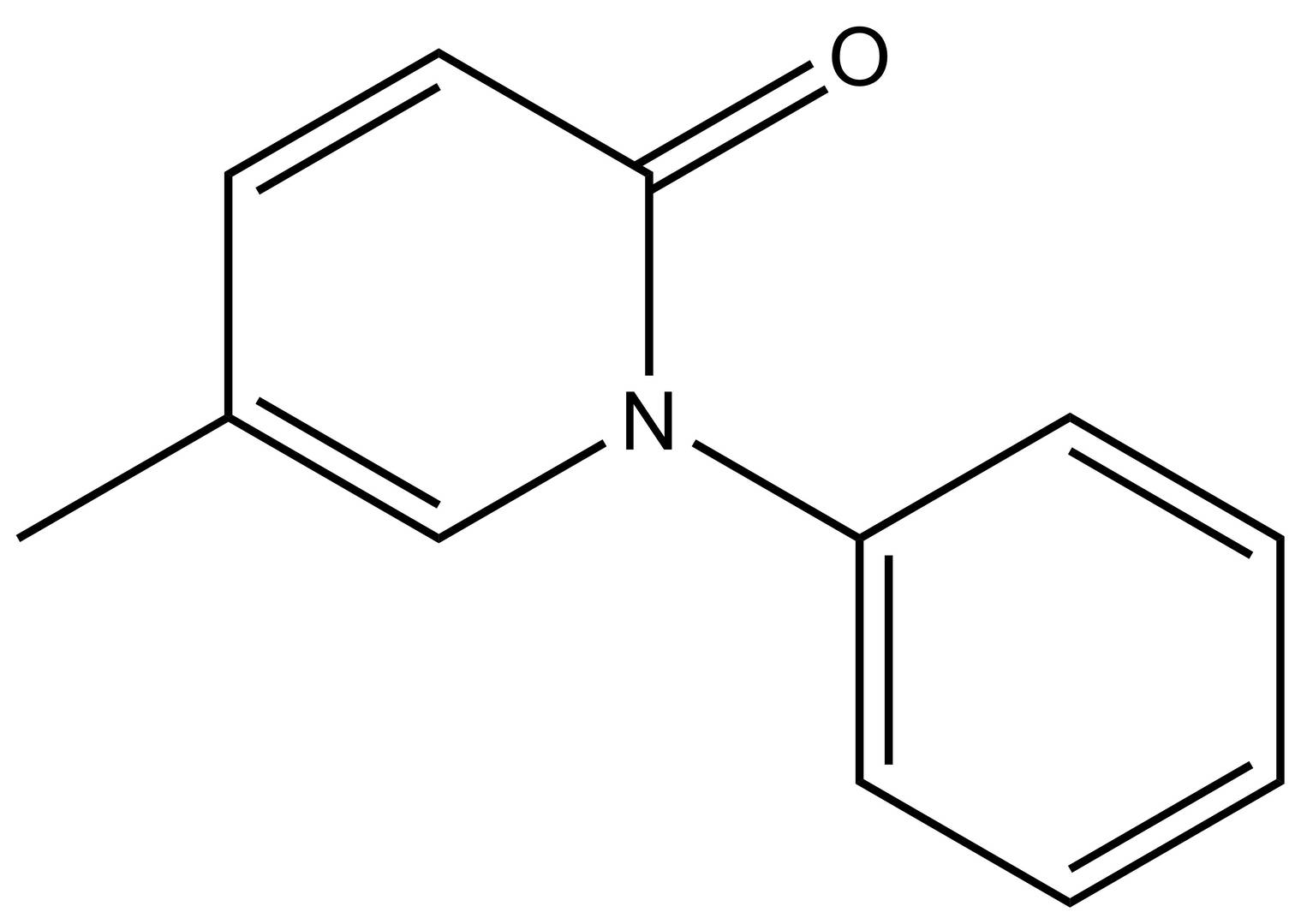
- CAS No.: 53179-13-8
- Pathways: TGF-beta/Smad
- Target: TGF-β; TNF-α; CCL2
- Receptor: TGF-β; TNF-α; CCL2
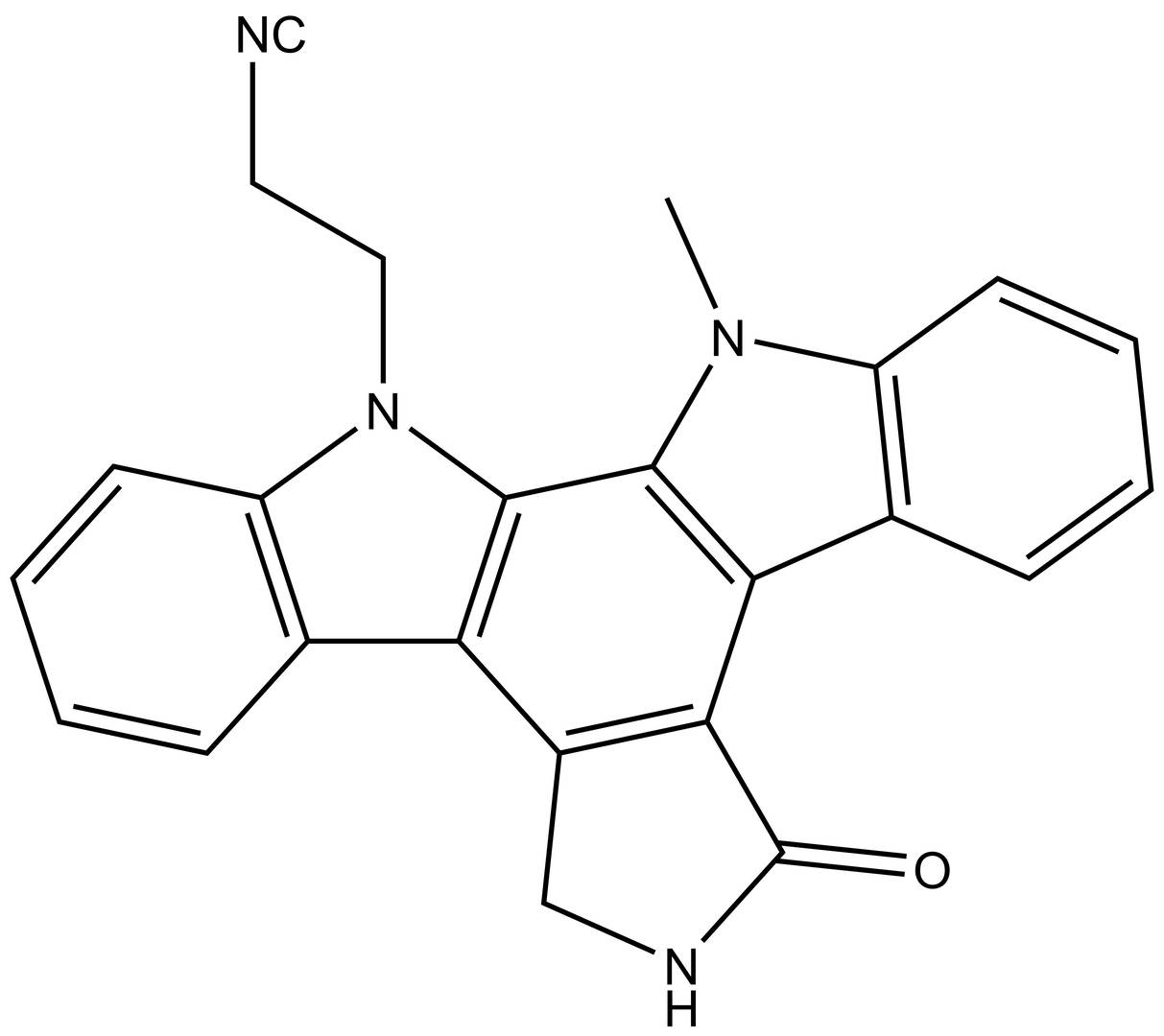
- CAS No.: 136194-77-9
- Pathways: TGF-beta/Smad
- Target: FLT3; JAK; PKC
- Receptor: FLT3; JAK; PKCα; PKCβ1
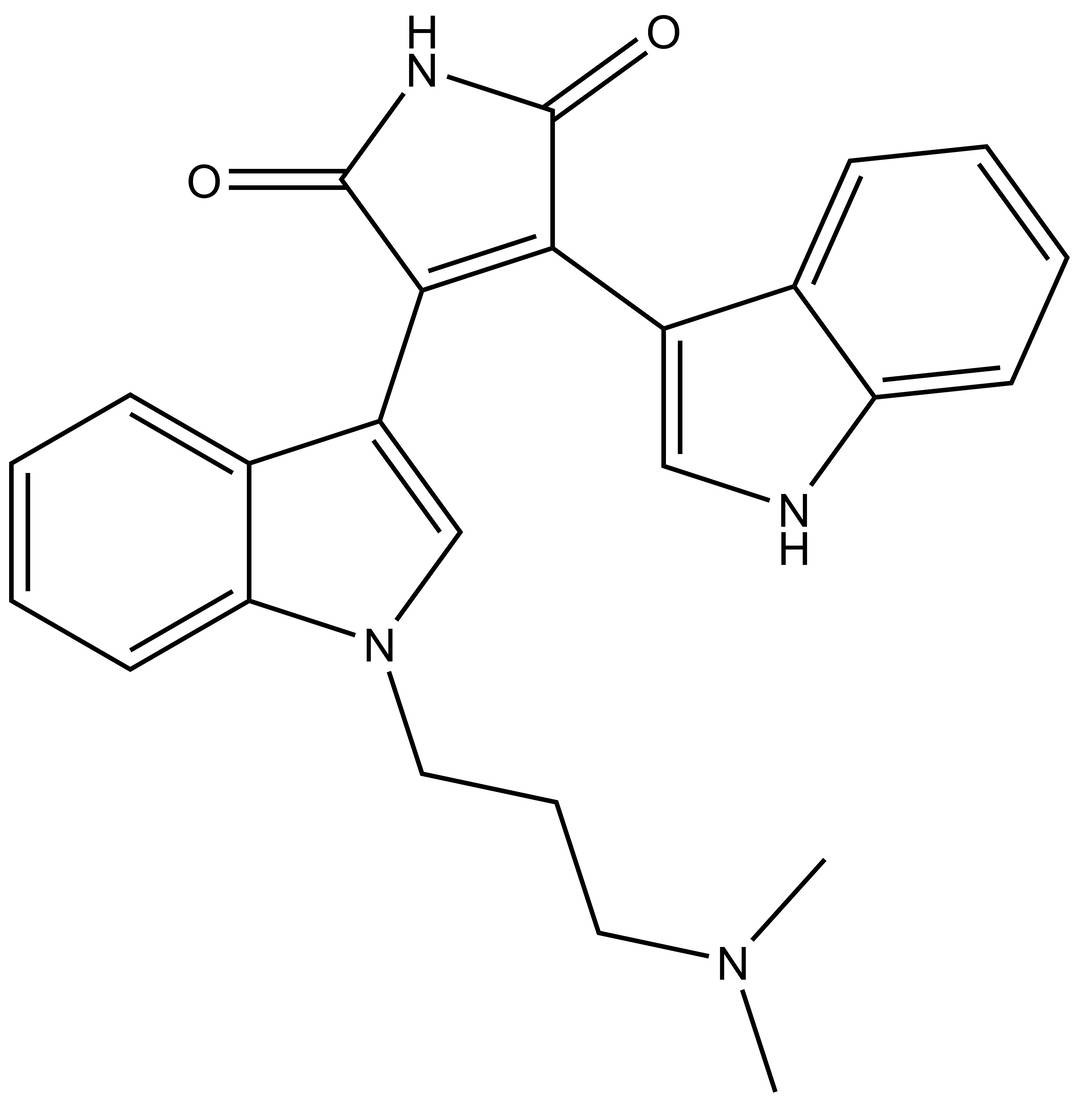
- CAS No.: 133052-90-1
- Pathways: TGF-beta/Smad
- Target: PKC
- Receptor: PKCα; PKCβI; PKCβII; PKCγ
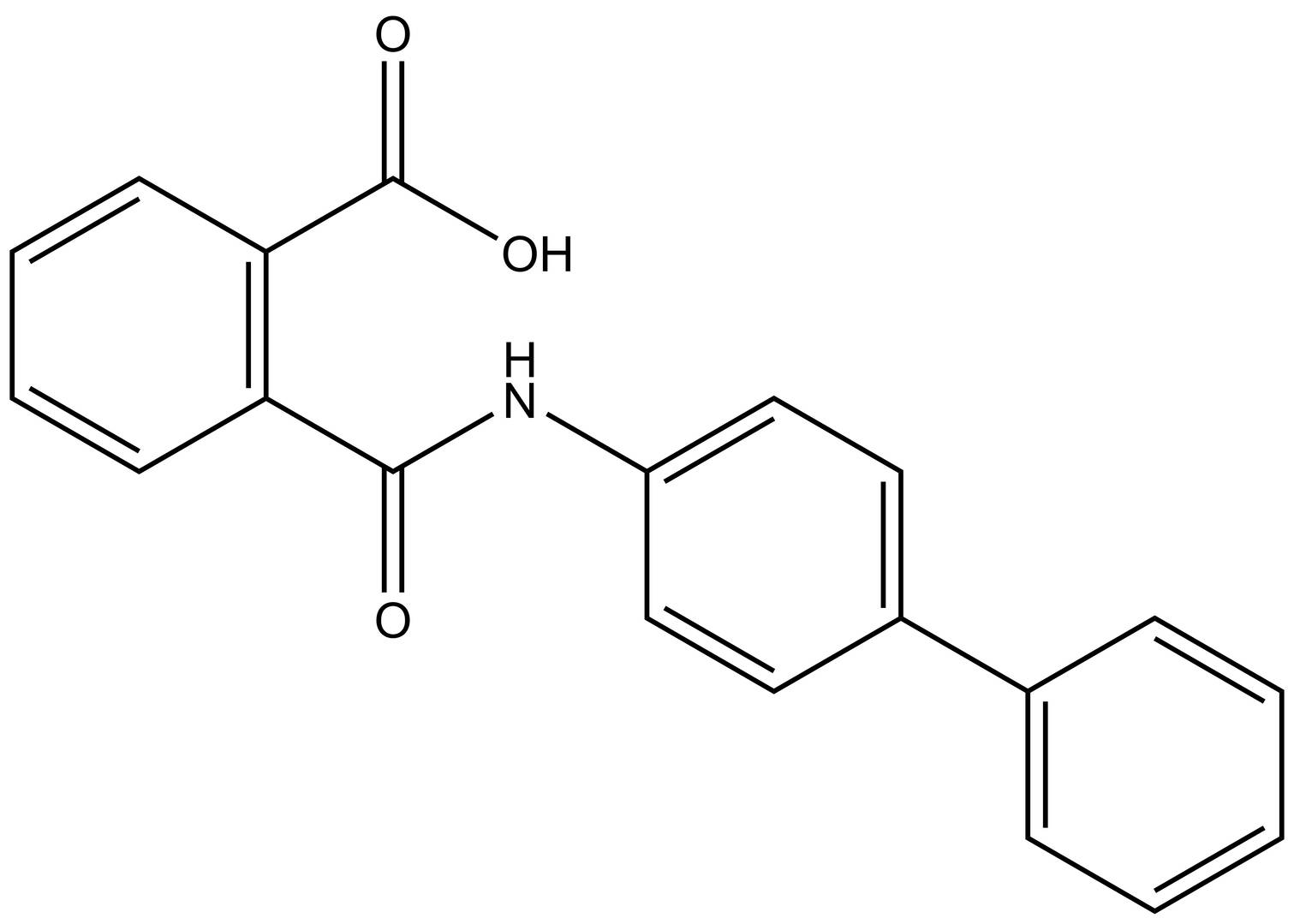
- CAS No.: 4727-31-5
- Pathways: TGF-beta/Smad
- Target: Smad pathway activator
- Receptor: Smad4; Smad5
- CAS No.: 521984-48-5
- Pathways: TGF-beta/Smad
- Target: Smad pathway activator
- Receptor: Smad3
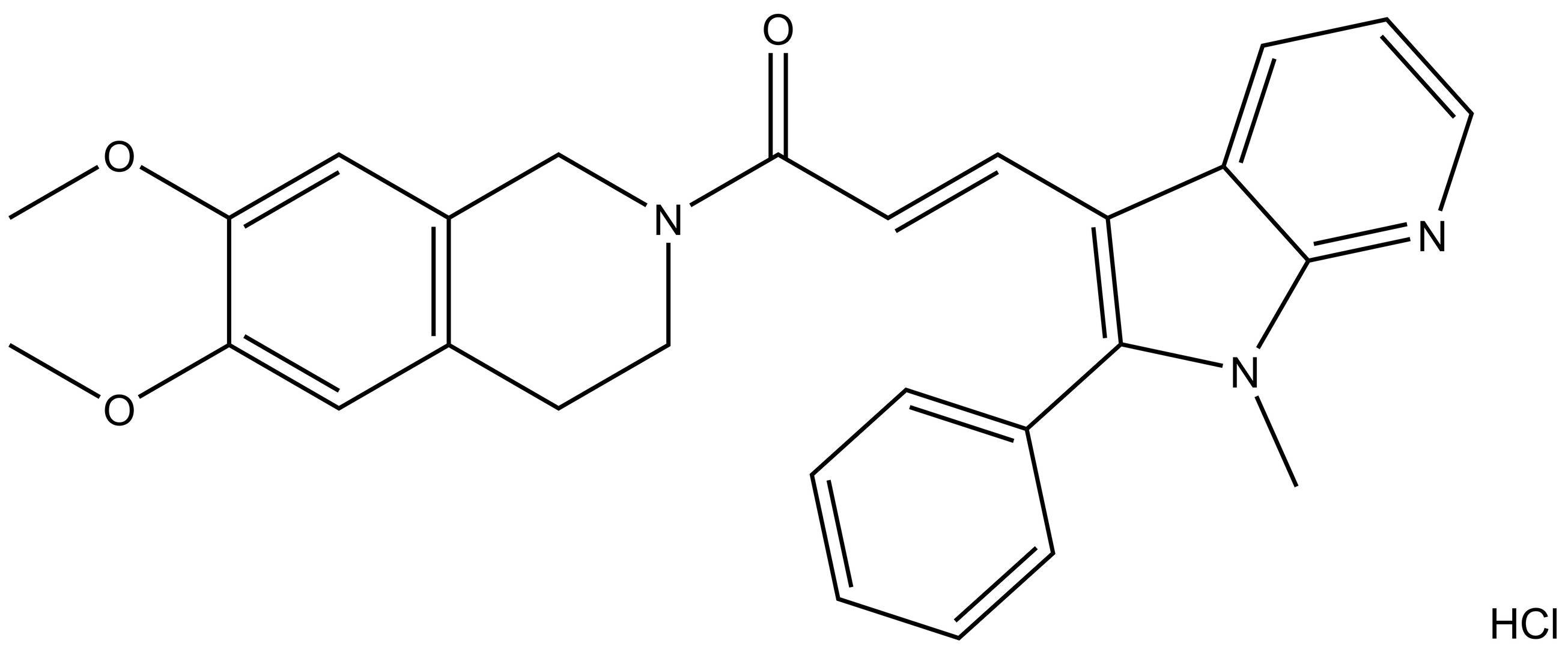
- CAS No.: 546-43-0
- Pathways: TGF-beta/Smad
- Target: Smad modulator; Receptor
- Receptor: Smad3; Activin receptor IIA
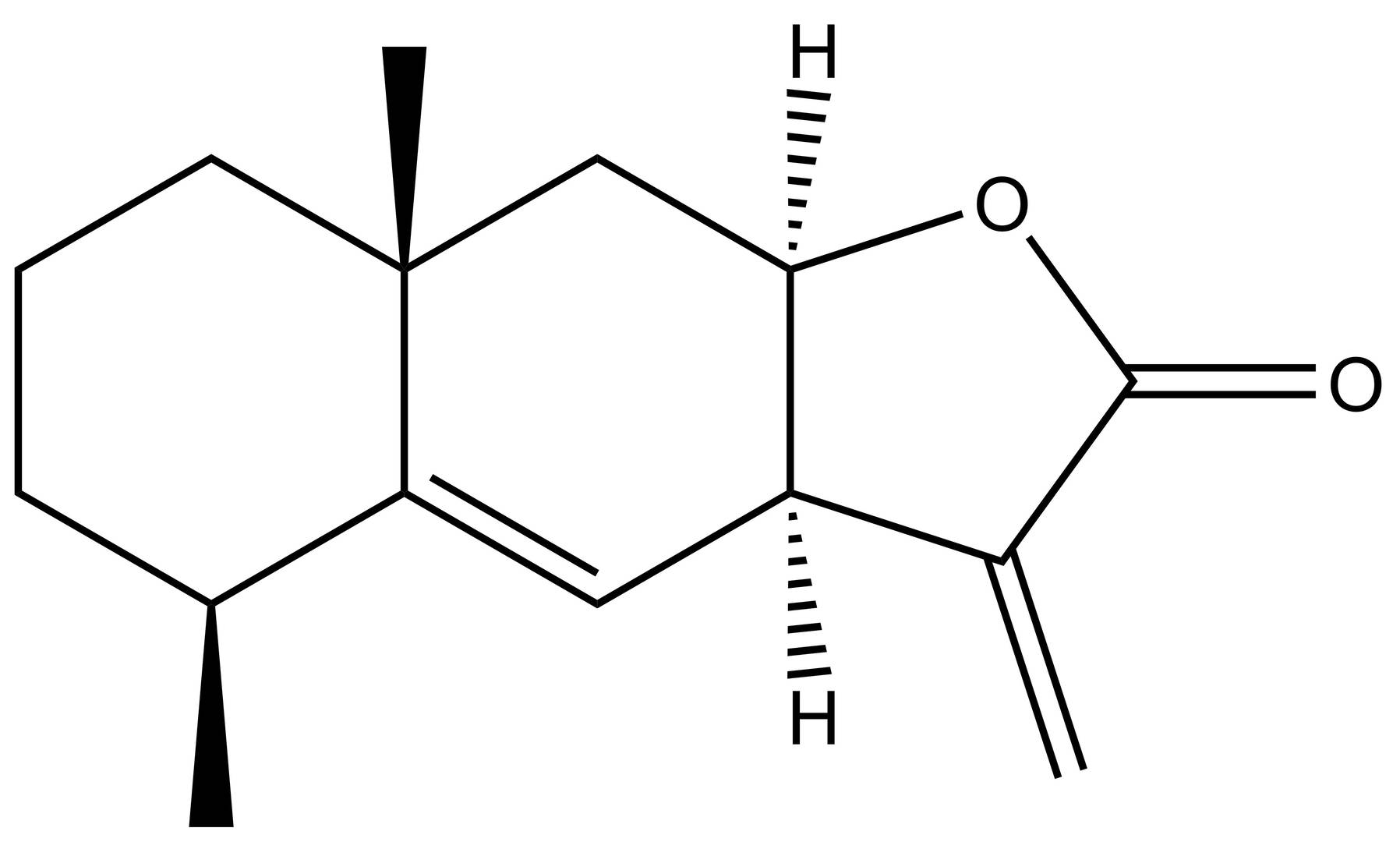
- CAS No.: 1435934-00-1
- Pathways: TGF-beta/Smad
- Target: ALK
- Receptor: ALK1; ALK2; ALK3; ALK6