Immunology/Inflammation-Targeted Compounds
InquiryOverview

The immune system is the body's sophisticated system of defense against pathogens, consisting of molecular and cellular components. It consists of two major mechanisms: non-specific intrinsic defense and specific adaptive response, which work together at multiple levels to build a defense against infection.
Protheragen provides immunology/inflammation-related products designed for obesity metabolic disease research, providing one-stop solutions from inflammatory factor detection, cell function analysis, to animal model validation. By precisely analyzing the interaction between inflammatory signaling pathways and metabolic regulation, we help our clients to unravel disease mechanisms, discover potential targets, and develop novel therapies.
Exploring the Mysteries of Inflammation and Metabolism to Advance Research on Obesity
There is a strong link between obesity and metabolic diseases (e.g., diabetes, fatty liver, etc.), in which inflammation and immune responses play an important role. In recent years, obesity-induced chronic low-grade inflammation (i.e., "metainflammation") has been found to be one of the key factors contributing to metabolic dysfunction.
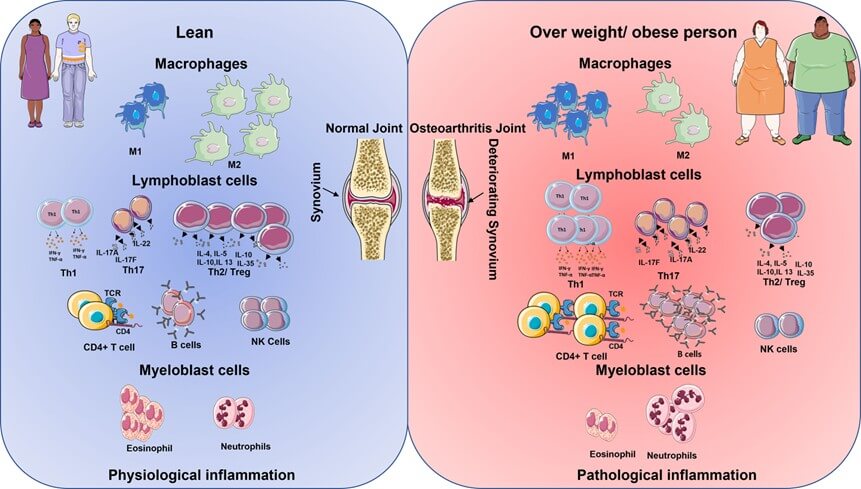 Fig.1 Changes in immune cell expression in lean and overweight/obese individuals. (Nedunchezhiyan, et al., 2022)
Our company offers a comprehensive portfolio of immune and inflammation-modulating compounds, covering immune activators, inflammation inhibitors, signaling pathway modulators, immune checkpoint modulators, and anti-inflammatory inducers to help clients advance their anti-inflammatory and metabolic disease research programs.
Our immunology/inflammation product line covers a wide range of signaling pathways, target receptors, and mechanisms of action, and can precisely match the diverse needs from basic mechanism research to drug screening. If you do not find a specific target compound, our professional team provides you with customized solutions to support your breakthrough!
Targets
|
|
|
|
|
|
|
|
|
|
|
|
|
|
|
|
|
|
|
|
|
|
|
|
|
|
|
|
|
|
|
|
|
|
|
|
|
|
|
|
|
|
|
|
|
|
|
|
|
|
|
|
|
|
|
|
|
|
|
|
|
|
|
|
|
|
|
|
|
|
|
|
|
|
|
|
|
|
|
|
|
|
|
|
|
|
|
|
|
|
|
|
|
|
|
|
|
|
|
|
|
|
|
|
|
|
|
|
Applications
- Interaction Mechanism Research: Our products can be used to parse obesity-induced inflammatory signaling networks and explore the mechanisms of inflammation-metabolism interactions in adipose tissue, liver, muscle, and other organs.
- Screening of Novel Regulatory Targets: Our products can be used to screen novel anti-inflammatory or metabolic regulatory targets (e.g., natural products, small molecule compounds).
- Candidate Drug Evaluation: Our products can be used to assess the ameliorative effects of drug candidates on inflammatory factor expression, insulin resistance, and metabolic phenotypes.
Advantages of Us
Comprehensive Coverage of Research Areas
Our research areas cover the inflammatory and immune mechanisms associated with metabolic diseases such as obesity, diabetes, fatty liver, and other metabolic diseases, including macrophages, Toll-like receptors, interleukins (IL-33, IL-37), adiponectin, and other key factors
Data Consistency
Our products deliver exceptional batch-to-batch stability and support multi-omics integrated analysis. This is crucial for ensuring the high reproducibility and reliability of your long-term research data.
Reliable Talent Team
Our company leverages a highly trained professional team to deliver customized product development services that meet all client research requirements.
Publication
Title: Association of inflammatory cytokines with obesity and pulmonary function testing
Journal: PLOS One, 2023
DOI: https://doi.org/10.1371/journal.pone.0294592
Summary: The study showed that obese individuals had higher levels of certain inflammatory cytokines and that there was a correlation with lung function indices. For example, cytokines such as IL-6 and IL-1B were negatively correlated with lung function indices, while anti-inflammatory cytokines such as IL-10 and IL-1Ra were positively correlated with lung function indices. The study also found that obese individuals had higher levels of airway inflammation, which is related to immune cell infiltration in adipose tissue.
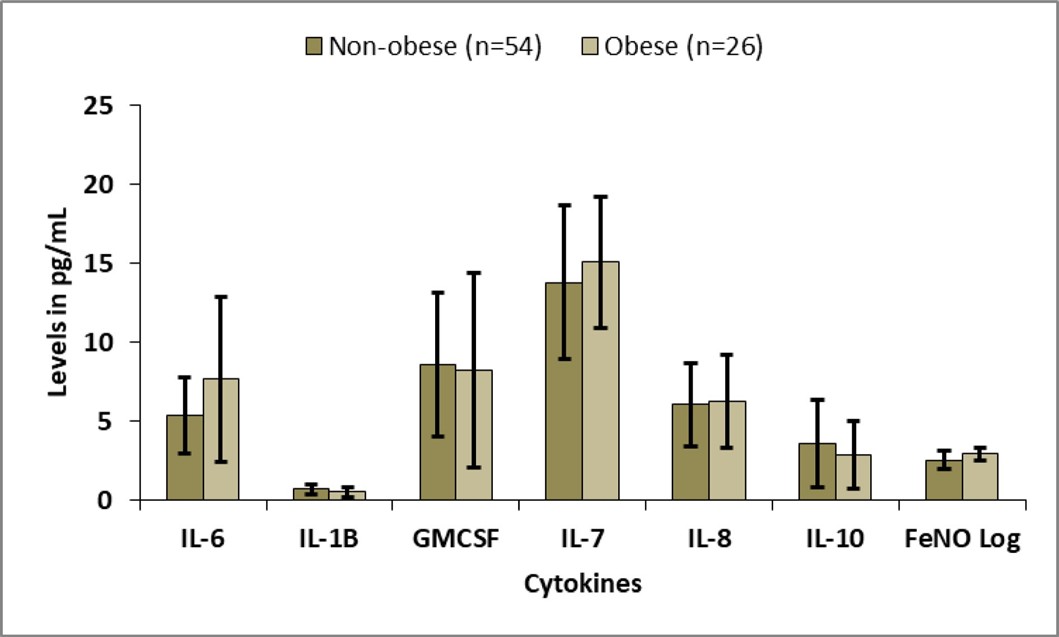 Fig.2 Comparison of cytokines between non-obese and obese groups. (Al Khathlan, 2023)z
Customer Review
Broad Spectrum Screening
"This compound library covers a wide range of inflammation-related targets. Through high-throughput screening, we successfully identified several functional molecules, significantly reducing research time."— Dr. S* T***
Reliability in Complex Models
We are highly satisfied with the consistent quality across compound batches. The high purity and low off-target cytotoxicity ensure accurate and reliable cellular assay results."— C. P* X***
Frequently Asked Questions
-
What are the similarities and differences between immunity and inflammation?
Inflammatory response and immune response are both mechanisms of the body's defense against internal and external stimuli. Inflammatory response is the body's immediate response to infection, injury, etc., divided into acute and chronic, the former through the release of IL-6, TNF-α, and other pro-inflammatory factors to activate immune cells to quickly fight infection, and the latter is a persistent, low-level inflammatory state. The immune response includes innate and adaptive immunity and involves immune cells, cytokines, and signaling pathways (e.g., IFN, NF-κB).
The inflammatory response often initiates an immune response as part of the immune response, but a dysfunctional immune response can lead to chronic inflammation or autoimmune disease. The main difference is that inflammatory responses tend to be acute, nonspecific, and localized, whereas immune responses can be specific, long-lasting, and involve systemic regulation.
-
Does the product support joint use?
Of course! We offer a combination of inflammatory factor assay, cellular functional analysis, and animal model validation to seamlessly integrate data to advance your anti-obesity research.
-
Can I purchase only the relevant subset based on my research progress?
Absolutely. We understand that research often proceeds in phases. If your current study focuses solely on evaluating the role of key kinases in inflammation, inflammatory inhibitors, etc., we fully support your customized purchase of specific compound subsets. This not only optimizes your budget but also makes your screening work more precise and focused.
Relying on high-quality products and a dedicated customization team, Protheragen provides our clients with trusted immunology/inflammation products. Our products can be used in a variety of experimental models, including cell culture, animal models, and sample analysis, to meet the needs of different research scenarios. Feel free to contact us to order the products you are interested in.
References
Immunology/Inflammation-Targeted Compounds
- CAS No.: 1034-01-1
- Pathways: Immunology/Inflammation; Metabolism; Oxidation-reduction; Microbiology/Virology; NF-κB
- Targets: Antioxidant mechanism
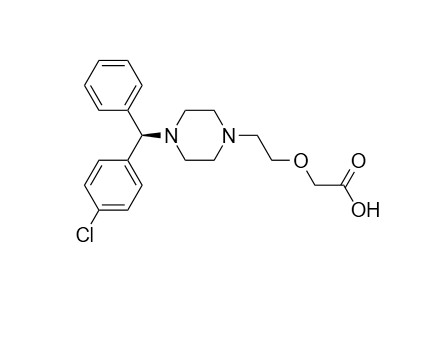
- CAS No.: 130018-77-8
- Pathways: Immunology/Inflammation; Neuronal signaling; GPCR/G protein
- Targets: Histamine receptor family
- Receptors: H1 receptor
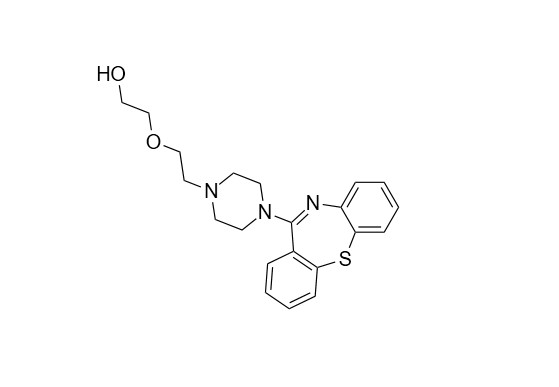
- CAS No.: 111974-69-7
- Pathways: Immunology/Inflammation; GPCR/G protein; Neuronal signaling
- Targets: Dopamine receptor; 5-HT receptor; Adrenergic receptor; AChR; Histamine receptor
- Receptors: H1 receptor; mAChR; D2 receptor; 5-HT2A receptor; 5-HT2C receptor
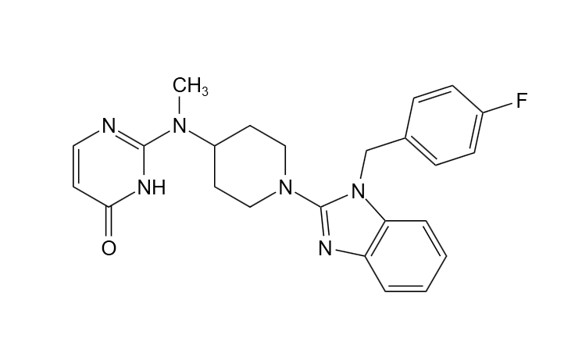
- CAS No.: 108612-45-9
- Pathways: Immunology/Inflammation; Neuronal signaling; GPCR/G protein
- Targets: Histamine receptor family
- Receptors: H1 receptor
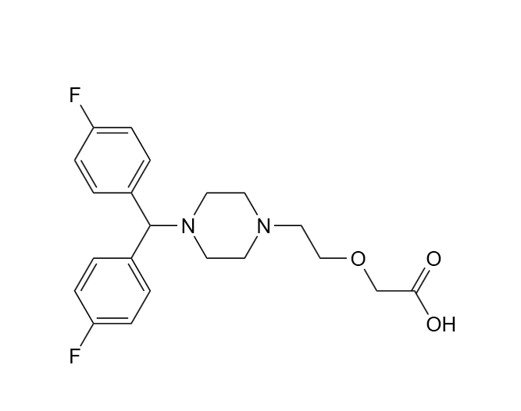
- CAS No.: 150756-35-7
- Pathways: Immunology/Inflammation; Neuronal signaling; GPCR/G protein; Metabolism
- Targets: Histamine receptor; Lipoxygenase
- Receptors: Histamine receptor; 5-Lipoxygenase
- CAS No.: 562-10-7
- Pathways: Immunology/Inflammation; GPCR/G protein; Neuronal signaling
- Targets: Histamine receptor family
- Receptors: H1 receptor
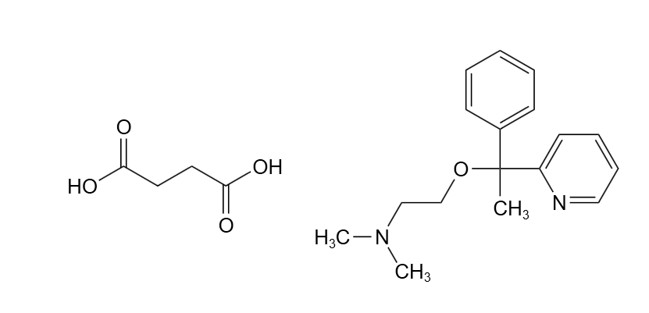
- CAS No.: 76824-35-6
- Pathways: Immunology/Inflammation; GPCR/G protein; Neuronal signaling
- Targets: Histamine receptor family
- Receptors: H2 receptor
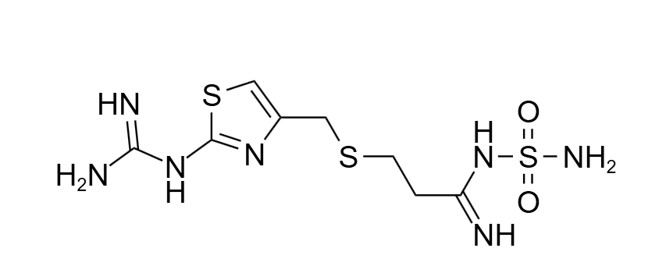
- CAS No.: 159776-68-8
- Pathways: Immunology/Inflammation; Neuronal signaling; Metabolism; GPCR/G protein
- Targets: Histamine receptor; LTR; Lipoxygenase family
- Receptors: 5-LOX
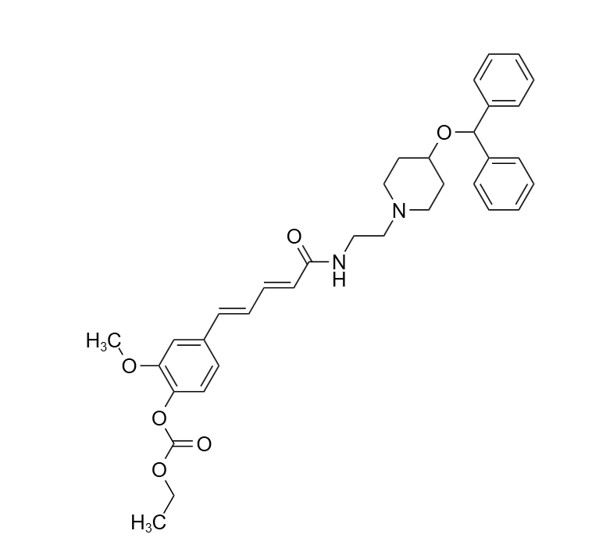
- CAS No.: 138452-21-8
- Pathways: Immunology/Inflammation; GPCR/G protein; Neuronal signaling
- Targets: Histamine receptor
- Receptors: H1 receptor
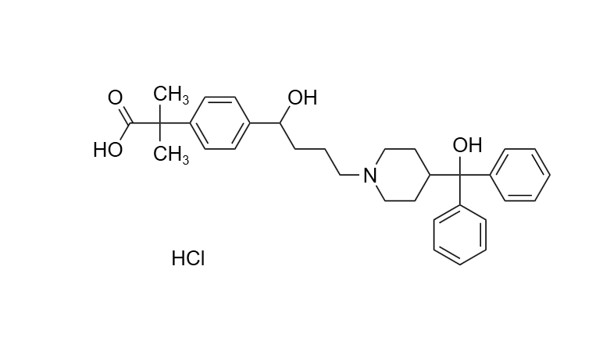
- CAS No.: 51-45-6
- Pathways: Immunology/Inflammation; Neuronal signaling; GPCR/G protein; Metabolism
- Targets: 5-HT receptor; Histamine receptor