Proteases/Proteasome-Targeted Compounds
InquiryOverview
Protease is a class of enzymes that catalyze the hydrolysis of proteins into smaller peptides or amino acids by breaking peptide bonds. The proteasome is an important protein degradation system within the cell, responsible for removing damaged or unwanted proteins and thus maintaining the stability of the intracellular environment. These enzymes and complexes have a wide range of applications in living organisms, including digestion, metabolic regulation, immune response, and disease treatment. According to the research needs of clients in different fields, Protheragen provides the most suitable products and professional solutions.
Protease/ Proteasome Tools to Accelerate Resolution of Obesity Mechanisms
Features
Our company offers a range of protease and proteasome-related compound products for obesity research and related fields. Our products include, but are not limited to, inhibitors, agonists, neuroprotectors, natural products, etc.
Targets
|
|
|
|
|
|
|
|
|
|
|
|
|
|
|
|
|
|
|
|
|
|
|
|
|
|
|
|
|
|
Applications
- Obesity Research: Proteasome plays an important role in the regulation of fat metabolism and energy homeostasis, and can be used to study obesity-related signaling pathways.
- Drug Discovery: Proteasome inhibitors have a wide range of applications in antiviral and anticancer fields and can be used to develop novel drugs.
- Basic Biological Research: Our products can be used to study the mechanism of protein degradation, cell cycle regulation, immune response, etc.
Advantages of Us
High Efficiency
Our protease and proteasome products have been strictly selected for their efficient catalytic ability, which can quickly complete protein degradation or inhibition reactions.
Versatility
We offer proteases and inhibitors with diverse types, mechanisms of action, and substrate specificities to meet the demands of various experimental conditions.
Safety
All products undergo rigorous quality control to ensure they are free from contamination, achieve the highest purity, and maintain consistent batch-to-batch performance, making them suitable for research applications.
Publication
Title: Targeting the immunoproteasome in hypothalamic neurons as a novel therapeutic strategy for high-fat diet-induced obesity and metabolic dysregulation
Journal: Journal of Neuroinflammation, 2024
DOI: https://doi.org/10.1186/s12974-024-03154-z
Summary: The aim of this study was to investigate the role of the immunoproteasome in metabolic diseases, particularly its function in hypothalamic neurons. In a high-fat diet (HFD)-fed obese mouse model, immunoproteasome levels were increased in hypothalamic proopiomelanocortin (POMC) neurons. Increased levels of immunoproteasome were found to be associated with decreased autophagy. The immunoproteasome affects the insulin signaling pathway by degrading phosphatase and tensin homolog deleted on chromosome ten (PTEN), which leads to metabolic dysregulation. The present study reveals the pathological role of immunoproteasome in hypothalamic neurons and provides a new perspective for understanding the mechanisms of obesity-related metabolic diseases.
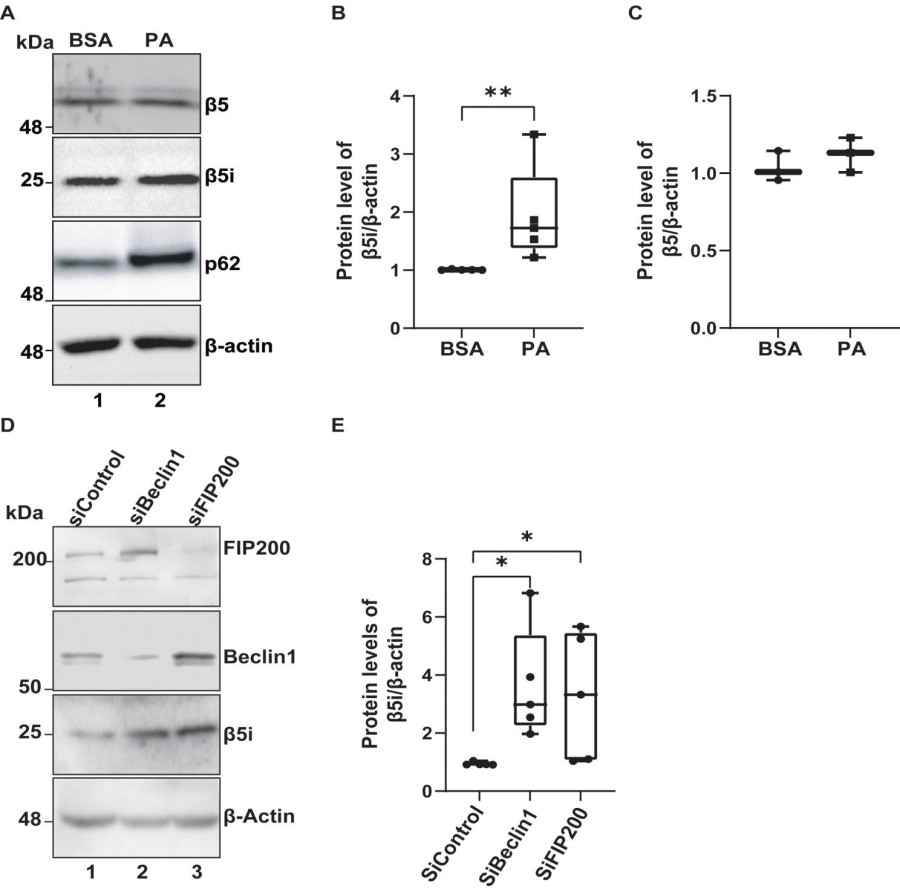 Fig.1 Effect of autophagy inhibition on immunoproteasome β5i subunit in CLU177 hypothalamic neuronal cells. (Albornoz, et al., 2024)
Customer Review
Targeting Enzymatic Activation
"Using Protheragen's protease library, we screened several potential inhibitors, providing unique tools for studying obesity countermeasures through regulating hormone signal processing pathways."— H* T***
Proteasome Pathology Resolution
"Using the Protheragen compound library as molecular probes, we systematically investigated the effects of abnormal protein degradation, facilitating the elucidation of mechanisms underlying metabolic diseases caused by protein homeostasis imbalances."— E* J***
Frequently Asked Questions
-
What is the important role of the proteasome in obesity research?
The proteasome maintains intracellular protein homeostasis by degrading unwanted or damaged proteins. In obese states, abnormal proteasome function leads to metabolic dysregulation and increased inflammatory responses. Therefore, studying the role of the proteasome in obesity is important for understanding obesity mechanisms and developing therapeutic strategies.
-
How to choose the right proteasome modulator?
According to the specific research purpose and experimental design, our researchers provide you with the most suitable products. Autophagy inducers/inhibitors can be used to study the interactions between autophagy and proteasome in obesity and related metabolic diseases. Inhibitors targeting specific proteasome subunits can be used to delve deeper into the function of the subunit and its regulatory mechanism.
-
What is the mechanism of action of proteasome inhibitors?
Proteasome inhibitors affect intracellular signaling and metabolic processes by blocking proteasome activity and preventing the degradation of damaged proteins.
Protheragen has a team of highly trained biologists dedicated to providing high-quality products and one-stop research services. Whatever you need for your obesity research, please feel free to contact us!
Reference
- Albornoz, N.; et al. Targeting the immunoproteasome in hypothalamic neurons as a novel therapeutic strategy for high-fat diet-induced obesity and metabolic dysregulation. Journal of Neuroinflammation. 2024, 21(1): 191. (CC BY 4.0)
Proteases/Proteasome-Targeted Compounds
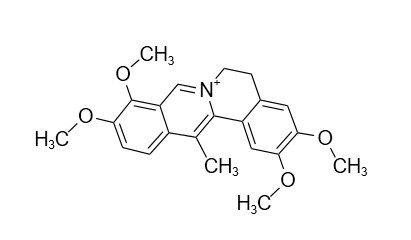
- CAS No.: 553-19-5
- Pathways: Proteases/Proteasome; MAPK; Microbiology/Virology
- Targets: MAPK family; MMP family
- Receptors: ERK; MMP
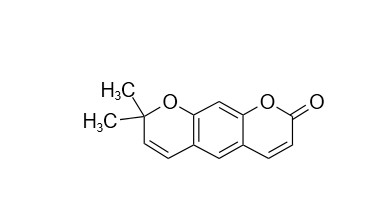
- CAS No.: 30045-16-0
- Pathways: Proteases/Proteasome; Autophagy; Apoptosis; Chromatin/Epigenetic; MAPK; Microbiology/Virology; DNA damage/DNA repair
- Targets: BCL family; Caspase family; MAPK family; Poly(ADP-ribose) polymerase family
- Receptors: Bcl-2; Caspase; p38 MAPK; PARP
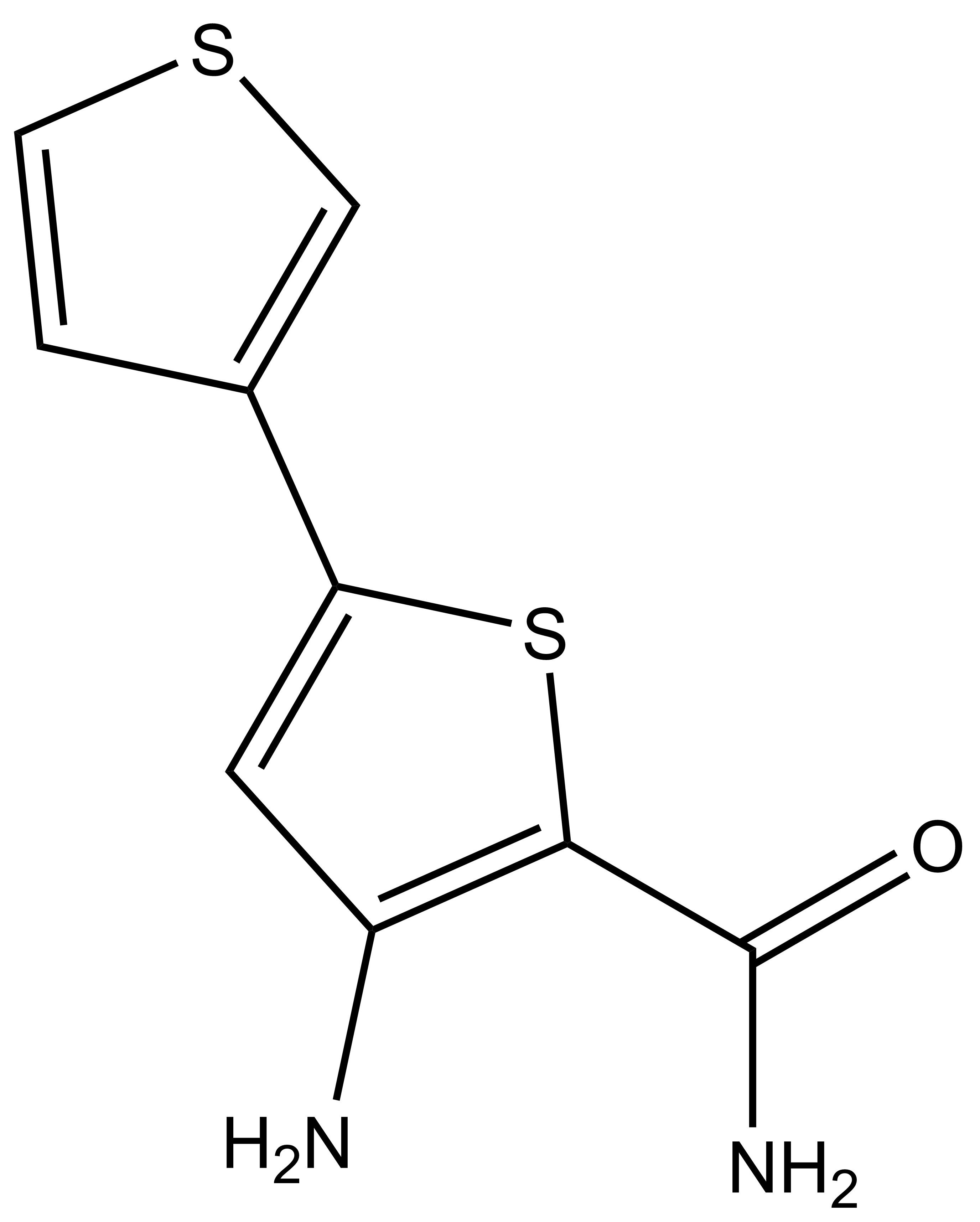
- CAS No.: 354812-17-2
- Pathways: Proteases/Proteasome; Chromatin/Epigenetic; Cell cycle/Checkpoint; NF-κB; MAPK
- Target: Aurora kinase; p38 MAPK; Serine protease; IκB/IKK; CDK
- Receptor: Aurora B; CDK2/CyclinA; IKK2; p38α; PRAK
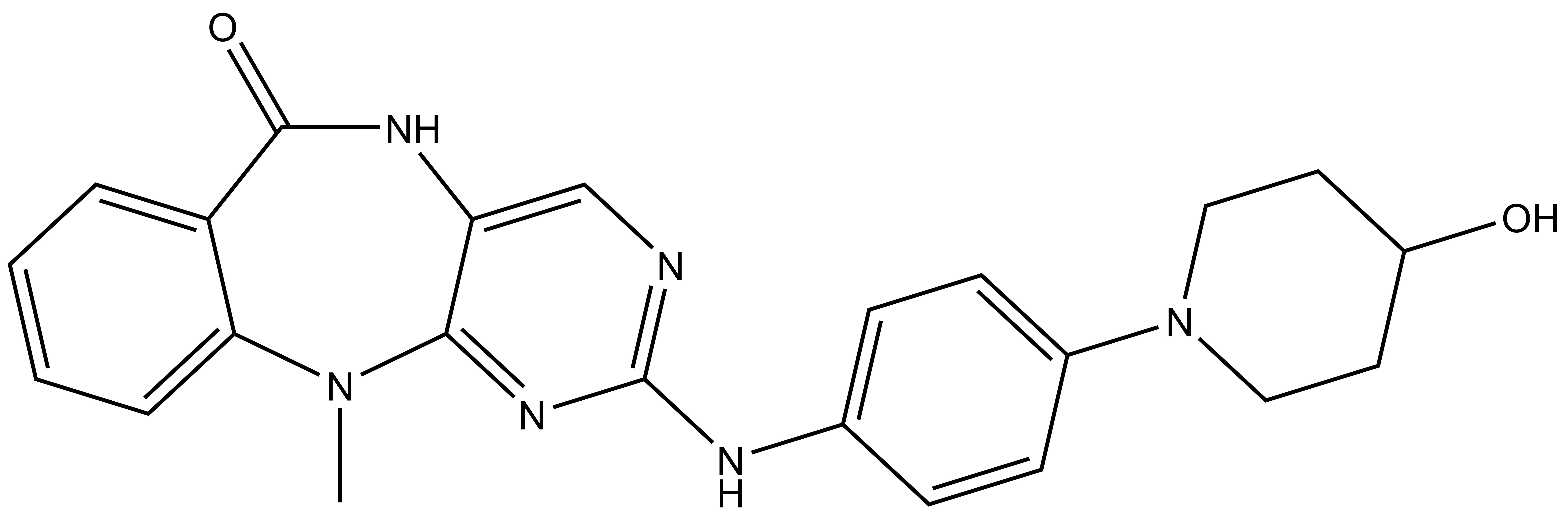
- CAS No.: 1345098-78-3
- Pathways: Proteases/Proteasome; DNA damage/DNA repair; Metabolism
- Target: Tyrosinase; PPAR
- Receptor: TNK2; Tyrosinase
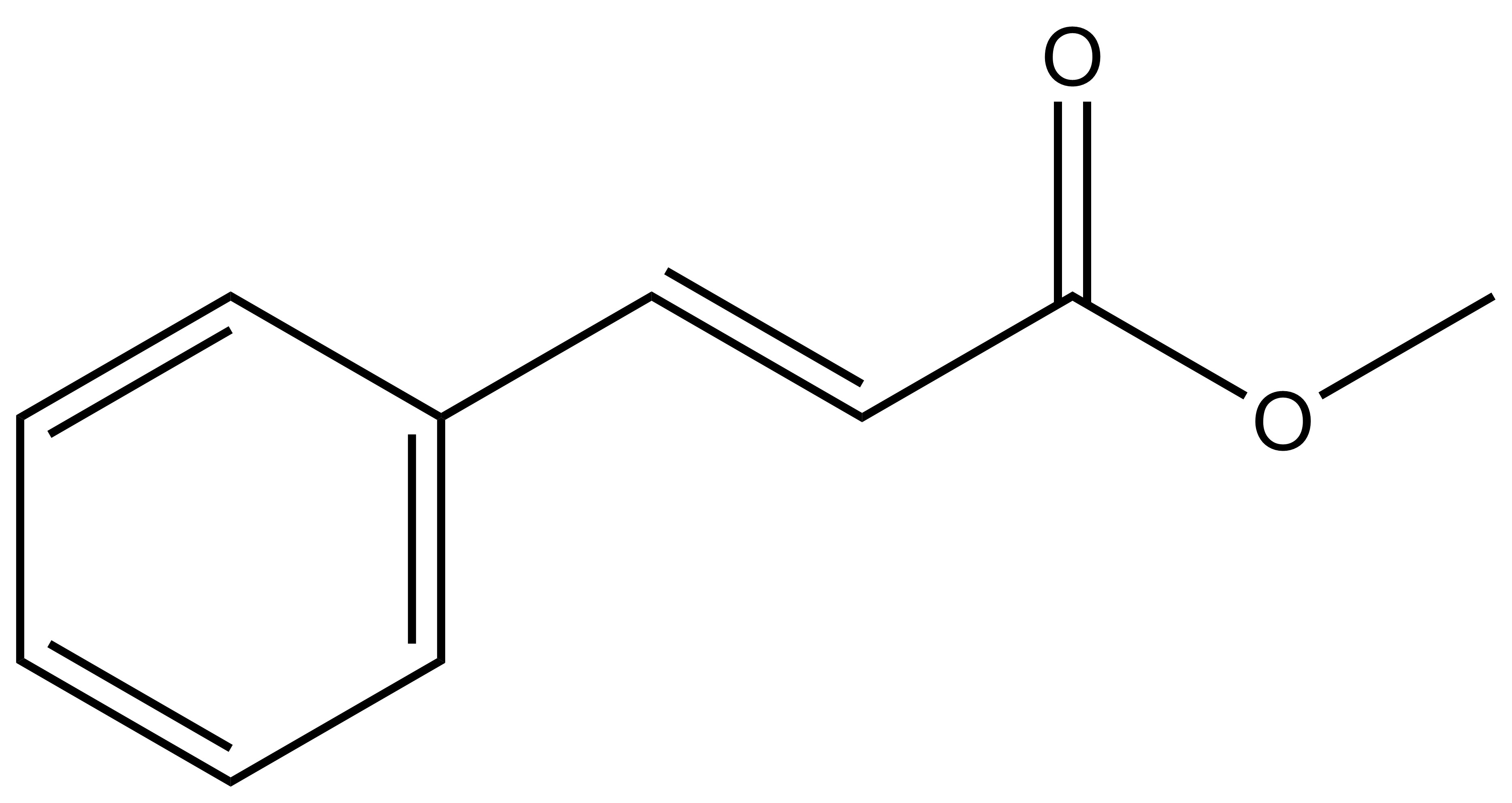
- CAS No.: 103-26-4
- Pathways: Proteases/Proteasome; Microbiology/Virology; Chromatin/Epigenetic; PI3K/Akt/mTOR signaling
- Target: Tyrosinase; AMPK
- Receptor: Tyrosinase; AMPK
- CAS No.: 33390-42-0
- Pathways: Proteases/Proteasome; Apoptosis; MAPK
- Target: JNK; Caspase; BCL
- Receptor: Bcl-2; Caspase; JNK
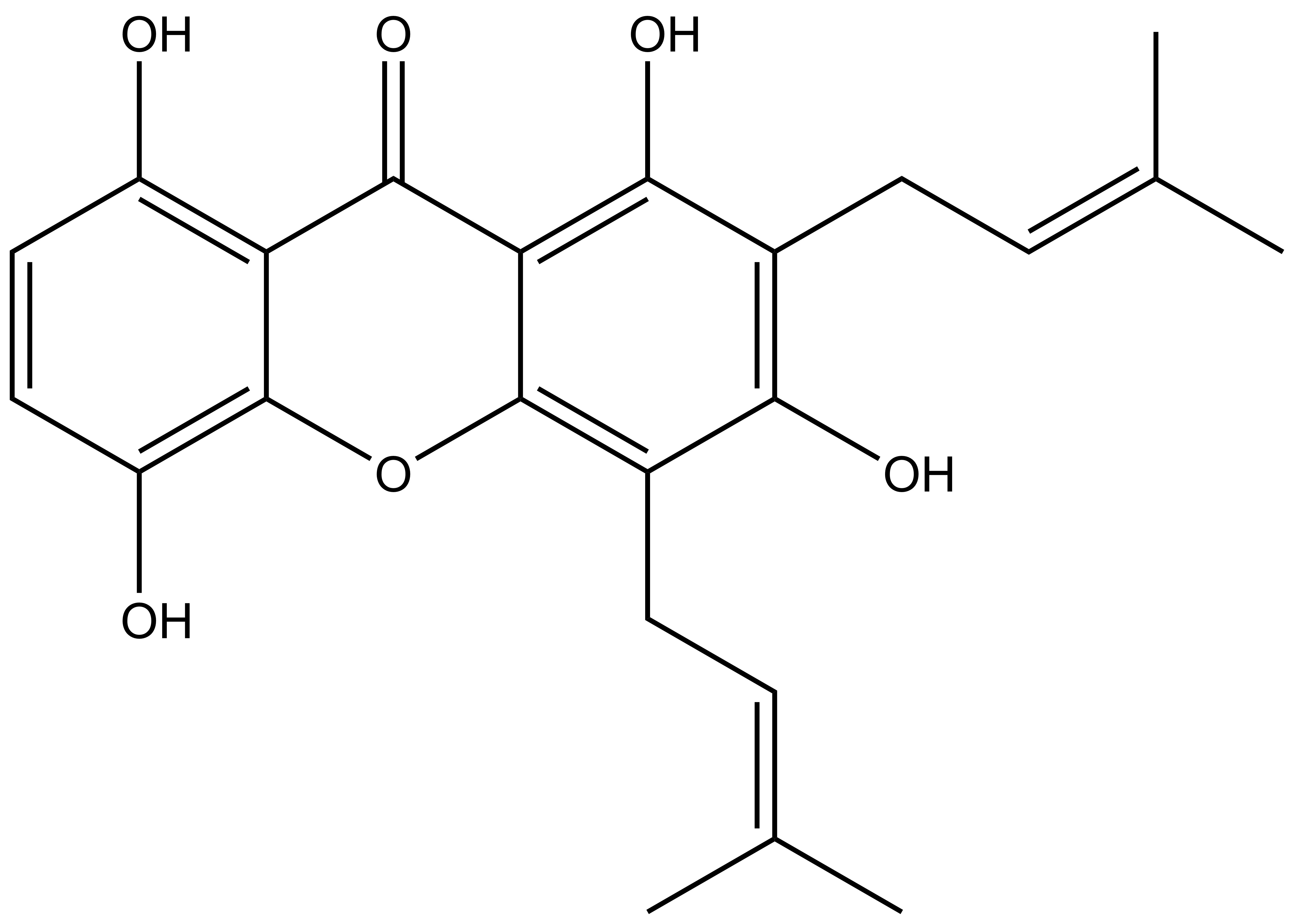
- CAS No.: 490-31-3
- Pathways: Proteases/Proteasome; Microbiology/Virology
- Target: HIV protease; Bacterial protein
- Receptor: HIV protease; Bacterial protein
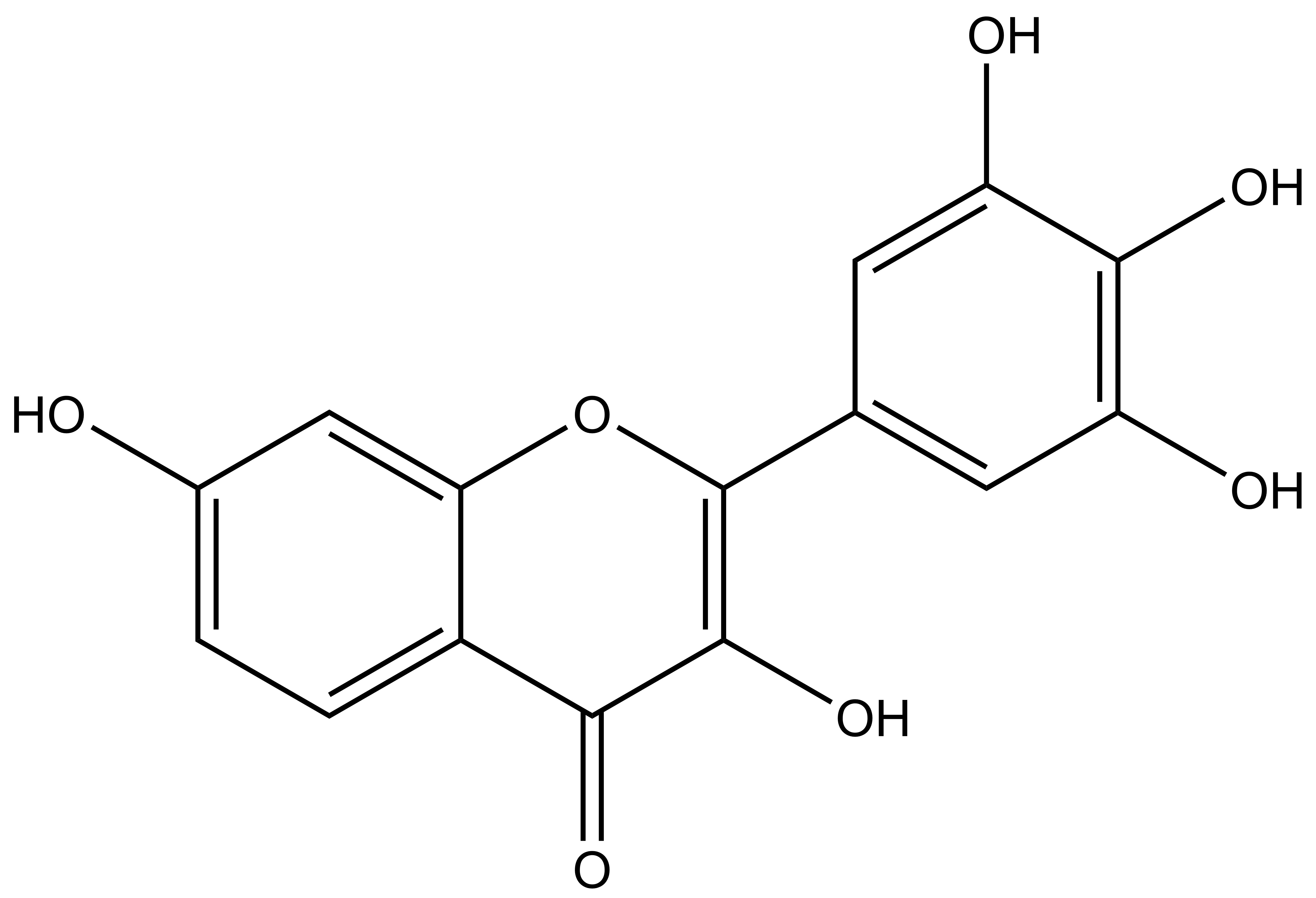
- CAS No.: 529-51-1
- Pathways: Proteases/Proteasome
- Target: DPP-4
- Receptor: DPP-4
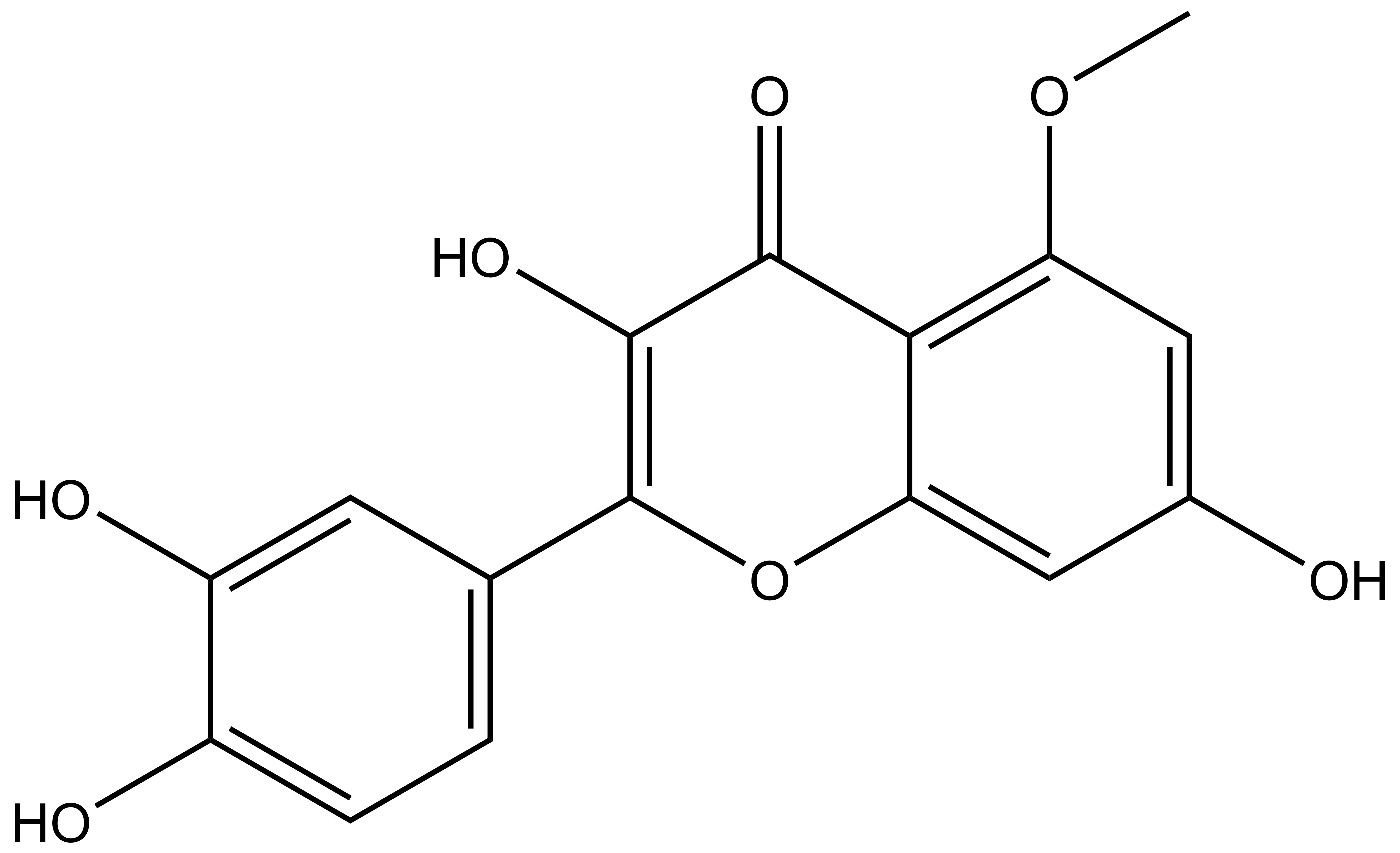
- CAS No.: 916170-19-9
- Pathways: Proteases/Proteasome; Ubiquitination; GPCR/G protein signaling
- Target: Proteasome; PAR
- Receptor: PAR; Protease-activated receptor 2
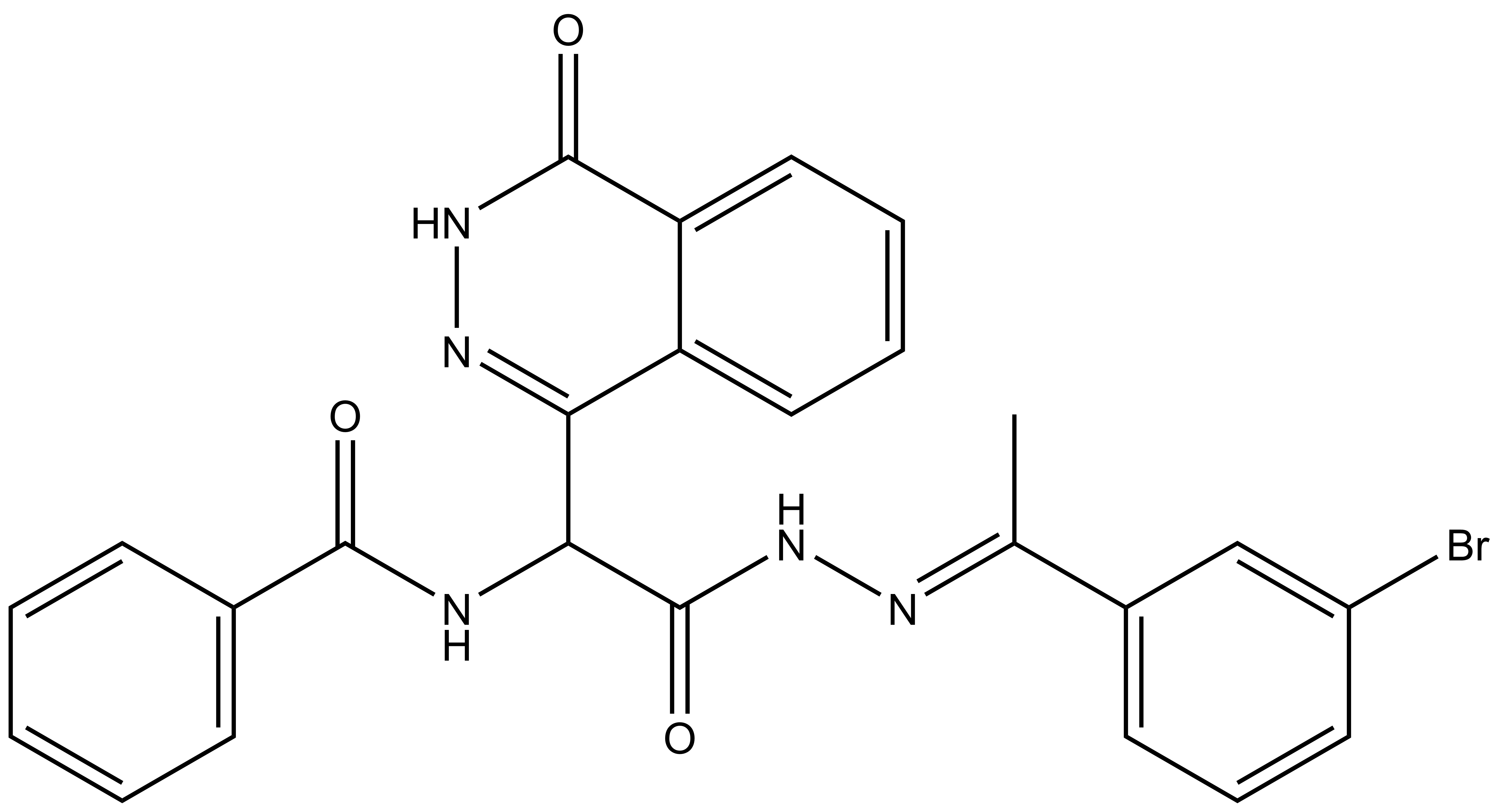
- CAS No.: 125697-91-8
- Pathways: Proteases/Proteasome; Microbiology/Virology; Metabolism
- Target: HIV protease; Tyrosinase; Transporter
- Receptor: GLUT; HIV Integrase; HIV-1 integrase; Tyrosinase; Tyrosine Kinase