Oxidation-reduction-Targeted Compounds
InquiryOverview
In the vast field of biological research, redox reactions play a crucial role as one of the fundamental processes of life activities. Especially in the field of obesity research, an in-depth understanding of how redox homeostasis affects the mechanisms of energy metabolism, adipocyte differentiation, and insulin sensitivity is of great significance for the development of novel anti-obesity drugs and therapeutic strategies. Protheragen, as a leader in the field of biotechnology, offers a wide range of compounds targeting redox reactions, aiming to provide high-quality research tools to our clients worldwide.
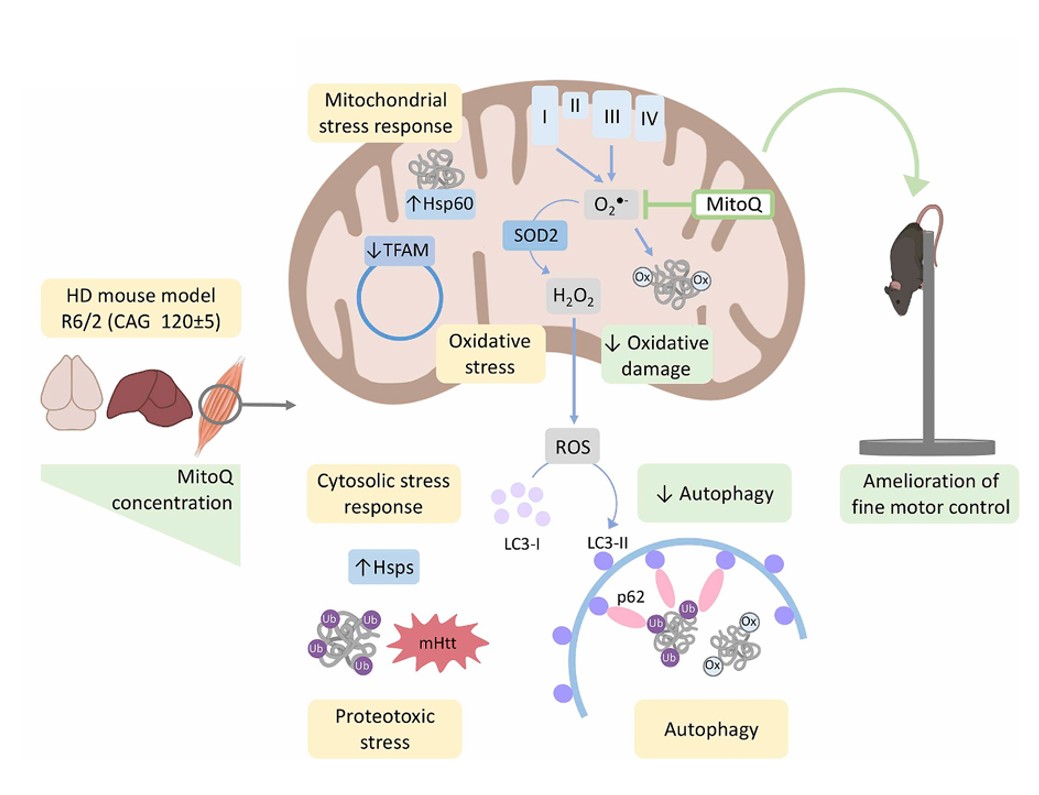 Fig.1 Effect of mito-quinone as a redox regulator on mouse muscle. (Pinho, et al., 2020)
Oxidation-Reduction Pathway Related Compound Products
Features
Redox (redox) reactions are chemical reactions involving the transfer of electrons between two substances, a process in which the oxidation number of a molecule, atom, or ion is altered by the gain or loss of electrons.
Our product portfolio of oxidation-reduction compounds encompasses a wide range of key molecules required for basic research to application development, including but not limited to antioxidants, oxidative stress inducers, free radical scavengers, and enzyme inhibitors or activators involved in specific redox cycles. These products undergo strict quality control to ensure high purity, stability, and bioactivity, and accurately simulate or regulate intracellular redox status, providing strong support for the study of the mechanism of redox imbalance in the development of obesity.
Targets
Applications
- Molecular Mechanism Research: Oxidation-reduction-related products can be used to study the molecular mechanisms linking obesity and oxidative stress, including nicotinamide adenine dinucleotide phosphate (NADPH) oxidase-mediated reactive oxygen species (ROS) generation, lipid peroxidation, and regulation of inflammatory factors.
- Candidate Drug Screening: Oxidation-reduction-related products can be used to screen potential antioxidant and anti-obesity drug candidates, optimize the efficacy of existing drugs, and reduce side effects.
- Metabolic Disorder Research: Oxidation-reduction-related products can be used to assess the effects of natural antioxidants or synthetic compounds on obesity and related metabolic disorders.
Advantages of Us
Comprehensive Coverage of Redox-related Pathways
Our compounds cover multiple key links from lipid peroxidation to the mitochondrial electron transport chain, providing a complete tool for studying oxidative stress mechanisms in obesity
Efficacy and Specificity
After rigorous screening and validation, our products have demonstrated significant antioxidant and anti-obesity activities in ex vivo and in vivo experiments.
Multifunctionality
Some of our products also have the added benefit of modulating the inflammatory response, improving insulin sensitivity, and promoting energy expenditure.
Publication
Title: YAP dictates mitochondrial redox homeostasis to facilitate obesity-associated breast cancer progression
Journal: Advanced Science, 2022
DOI: https://doi.org/10.1002/advs.202103687
Summary: This study reveals a novel mechanism by which diet-induced obesity (DIO) promotes breast cancer progression by inducing metabolic reprogramming of triple-negative breast cancer (TNBC), cells to fatty acid oxidation (FAO), which in turn activates the YAP signaling pathway, regulates antioxidant gene expression, and maintains mitochondrial redox homeostasis. In breast cancer patients, obesity-related gene expression was positively correlated with Yes-associated protein (YAP) signaling and antioxidant gene expression. This finding not only provides a new perspective for understanding the association between obesity and breast cancer, but also offers potential targets for the development of new therapies against obesity-related breast cancer.
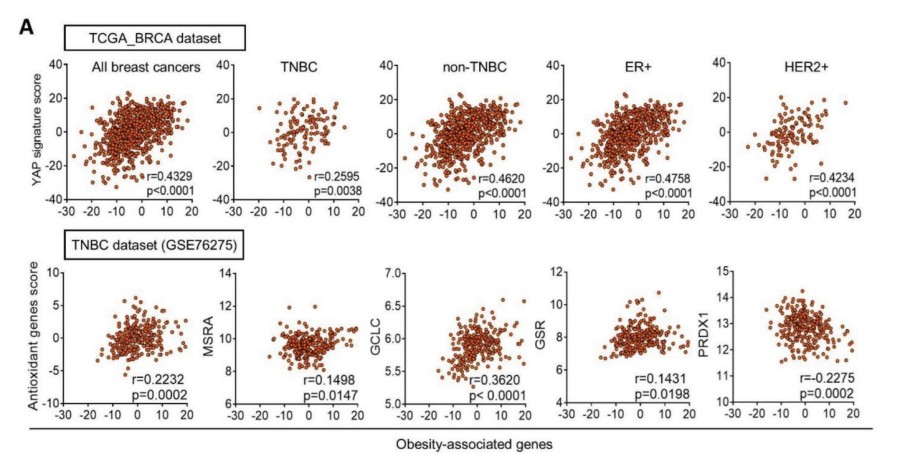 Fig.2 Pearson correlation between YAP trait score,antioxidant gene score and obesity-related genes. (Dai, et al., 2022)
Customer Review
Targeting Oxidative Stress
"We utilized Protheragen's compound library to precisely investigate the impact of oxidative stress on obesity, providing robust support for our research into obesity-related mechanisms."— Prof. X* W***
Mitochondrial Health Assurance
"Protheragen's compound library enabled us to precisely evaluate the effects of compounds on mitochondrial membrane potential and other parameters. This provided highly reliable data support for in-depth research into mitochondrial dysfunction in obesity."— Dr. L* F***
Frequently Asked Questions
-
What is oxidative stress?
Oxidative stress is an excess of highly reactive molecules (e.g., ROS, RNS, RSS) in the body, which breaks through the antioxidant defenses, causing cellular damage, dysfunction, and thus inducing a variety of diseases.
-
What diseases are associated with oxidative stress?
Oxidative stress, as a key pathological mechanism, is widely involved in the pathogenesis of a variety of diseases, including metabolic disorders (e.g., metabolic syndrome, diabetes mellitus), cardiovascular diseases (including atherosclerosis and various types of cardiovascular diseases), tumor development, neurodegenerative diseases (e.g., Alzheimer's disease, etc.), reproductive dysfunctions (infertility), urological injuries (kidney diseases), and digestive disorders (covering gastrointestinal and liver disorders), among others, and digestive disorders (covering gastrointestinal pathologies and liver diseases).
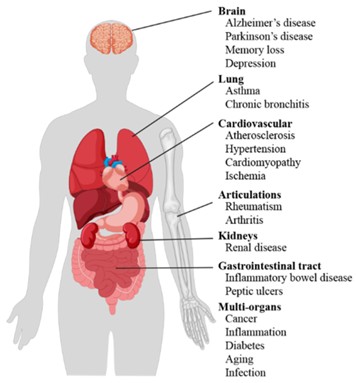 Fig.3 Overview of oxidative stress-induced diseases in humans. (Vona, et al., 2021)
 -
What are antioxidants, and into which categories can they be classified?
Antioxidants are substances that delay, prevent, or eliminate oxidative damage to target molecules. According to the mechanism of action, it is divided into three categories: primary inhibition of oxidant formation, secondary scavenging of ROS, and tertiary repair of oxidized molecules. Currently, antioxidants are mainly divided into two categories: enzymatic and non-enzymatic.
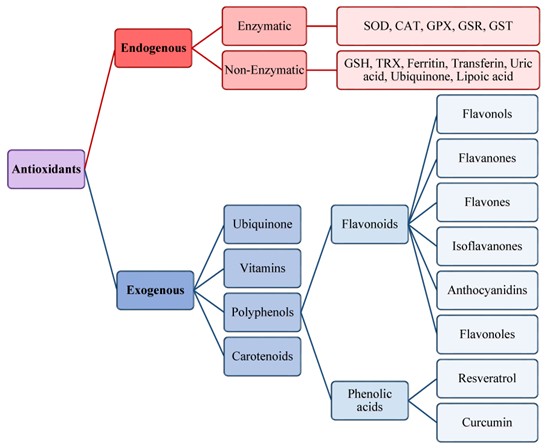 Fig.4 Overview of endogenous and exogenous antioxidants. (Vona, et al., 2021)
Protheragen is committed to advancing the field of obesity research through the provision of high-quality redox compounds. Our experienced and talented team not only supports you in the use of our products but also provides you with specialized one-stop solutions for anti-obesity research. Please feel free to contact us at any time.
References
- Dai, J.Z.; et al. YAP dictates mitochondrial redox homeostasis to facilitate obesity-associated breast cancer progression. Advanced Science. 2022, 9(12): 2103687. (CC BY 4.0)
- Pinho, B.R.; et al. The interplay between redox signalling and proteostasis in neurodegeneration: in vivo effects of a mitochondria-targeted antioxidant in Huntington's disease mice. Free Radical Biology and Medicine. 2020, 146: 372-382. (CC BY 4.0)
- Vona, R.; et al. The impact of oxidative stress in human pathology: focus on gastrointestinal disorders. Antioxidants. 2021, 10(2): 201. (CC BY 4.0)
Oxidation-reduction-Targeted Compounds
- CAS No.: 114482-86-9
- Pathways: Oxidation-reduction; PI3K/Akt/mTOR signaling; Apoptosis; Autophagy
- Targets: Lipid kinases; Phosphatases; Growth factors; Transcription regulators
- Receptors: PI3K; PTEN; VEGF; p-AKT
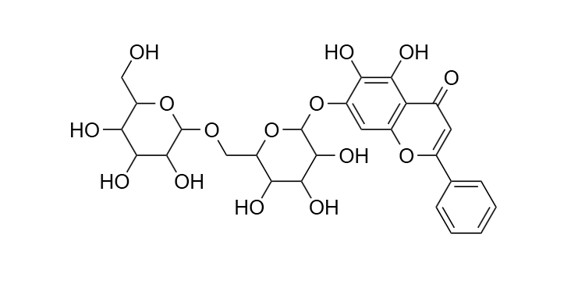
- CAS No.: 1187-84-4
- Pathways: Oxidation-reduction; NF-κB; Immunology/Inflammation; Metabolism
- Target: Reactive oxygen species
- Receptor: Reactive oxygen species
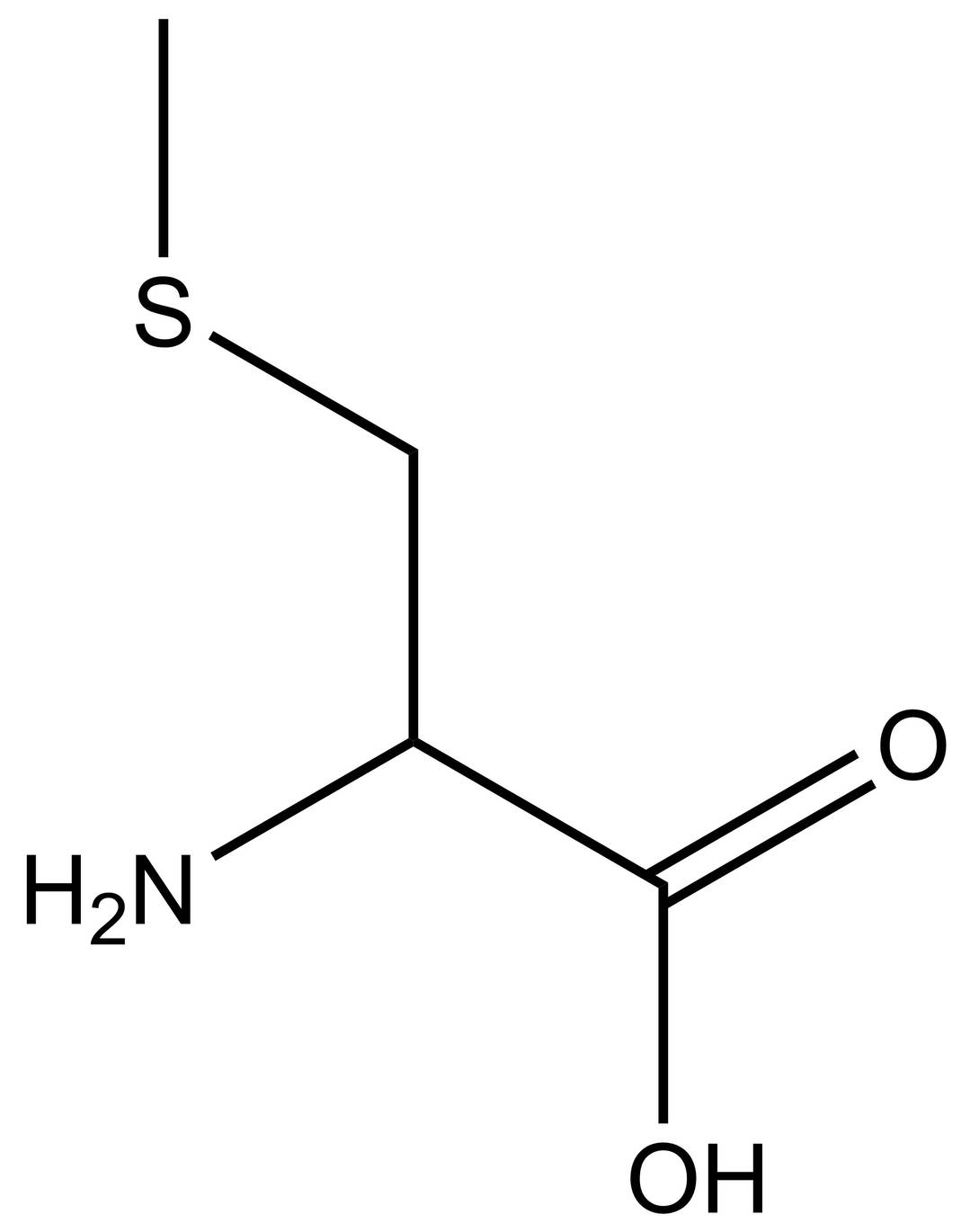
- CAS No.: 25013-16-5
- Pathways: Oxidation-reduction; Apoptosis; NF-κB; Immunology/Inflammation; Metabolism
- Target: Reactive oxygen species
- Receptor: Reactive oxygen species
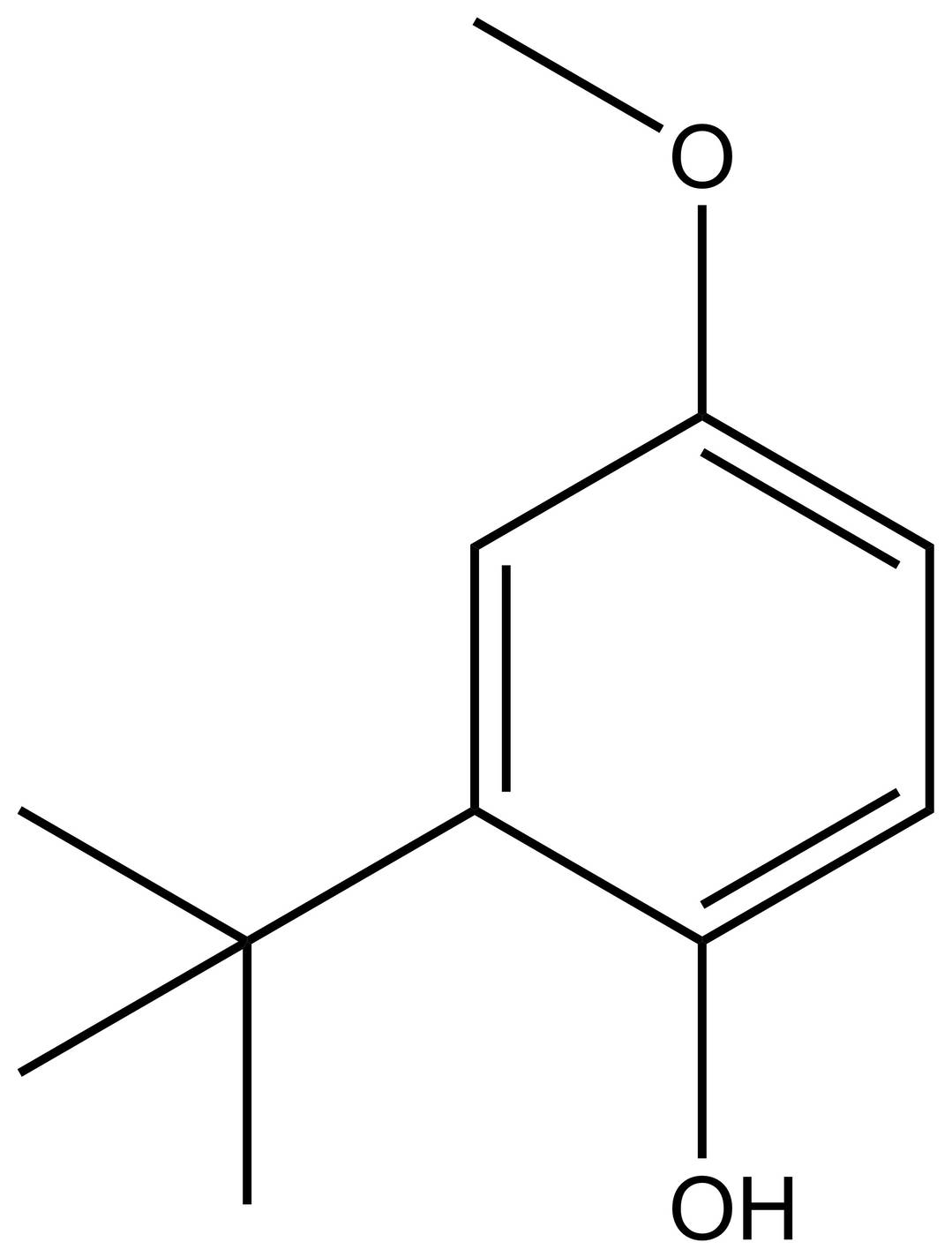
- CAS No.: 117047-07-1
- Pathways: Oxidation-reduction
- Target: Antioxidant enzyme
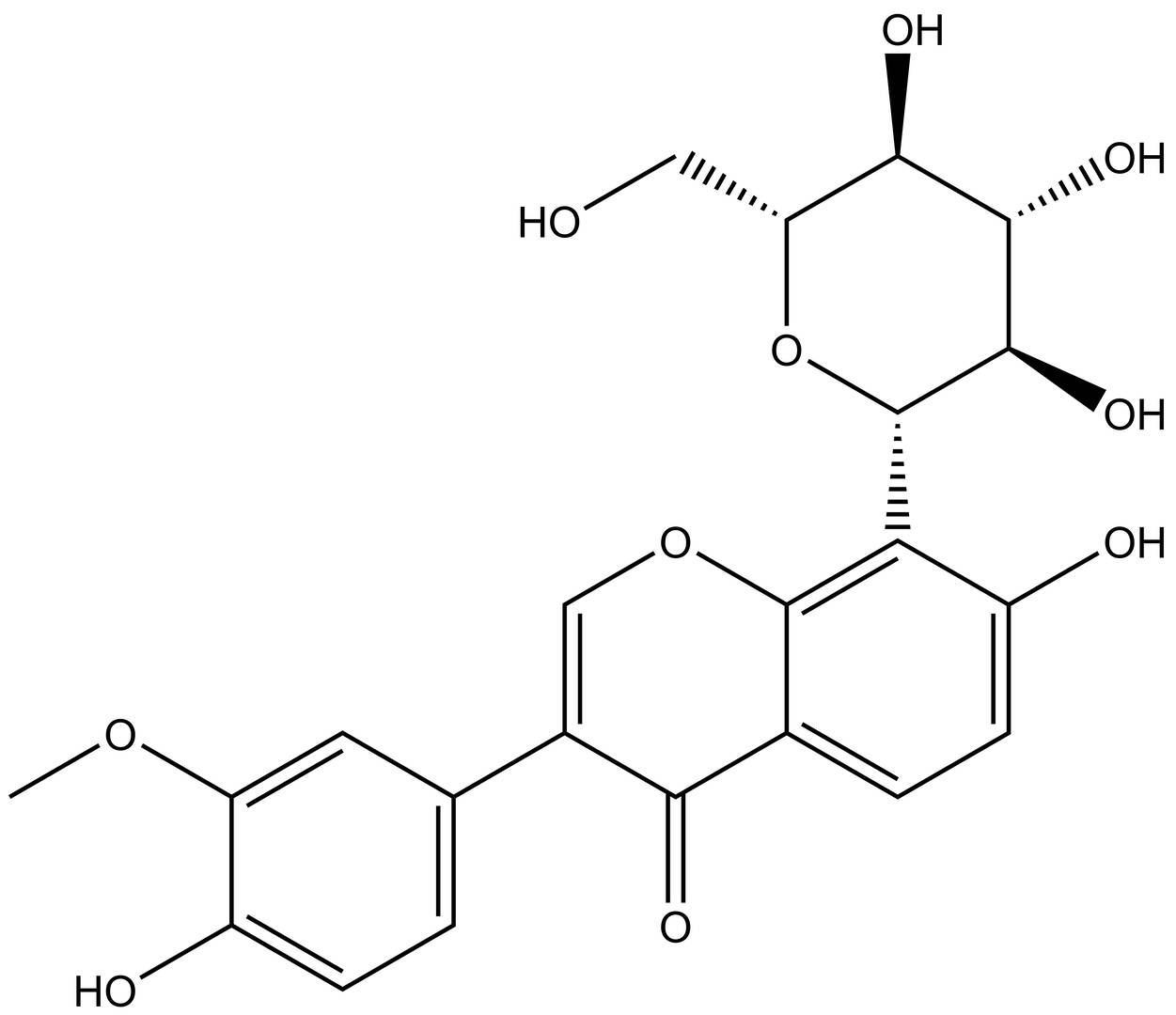
- CAS No.: 20316-62-5
- Pathways: Oxidation-reduction
- Target: Antioxidant enzyme
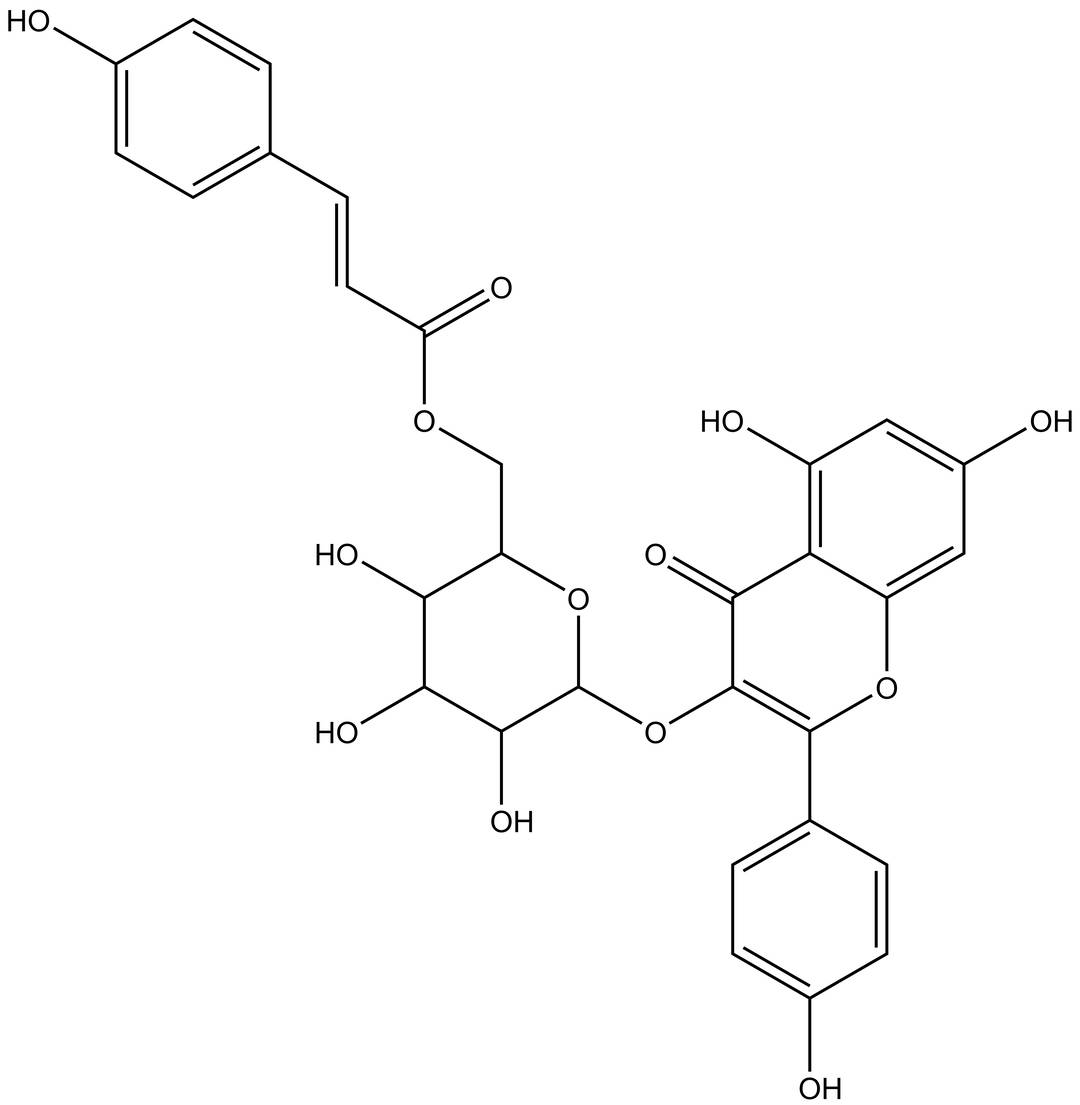
- CAS No.: 20243-59-8
- Pathways: Oxidation-reduction
- Target: Antioxidant enzyme
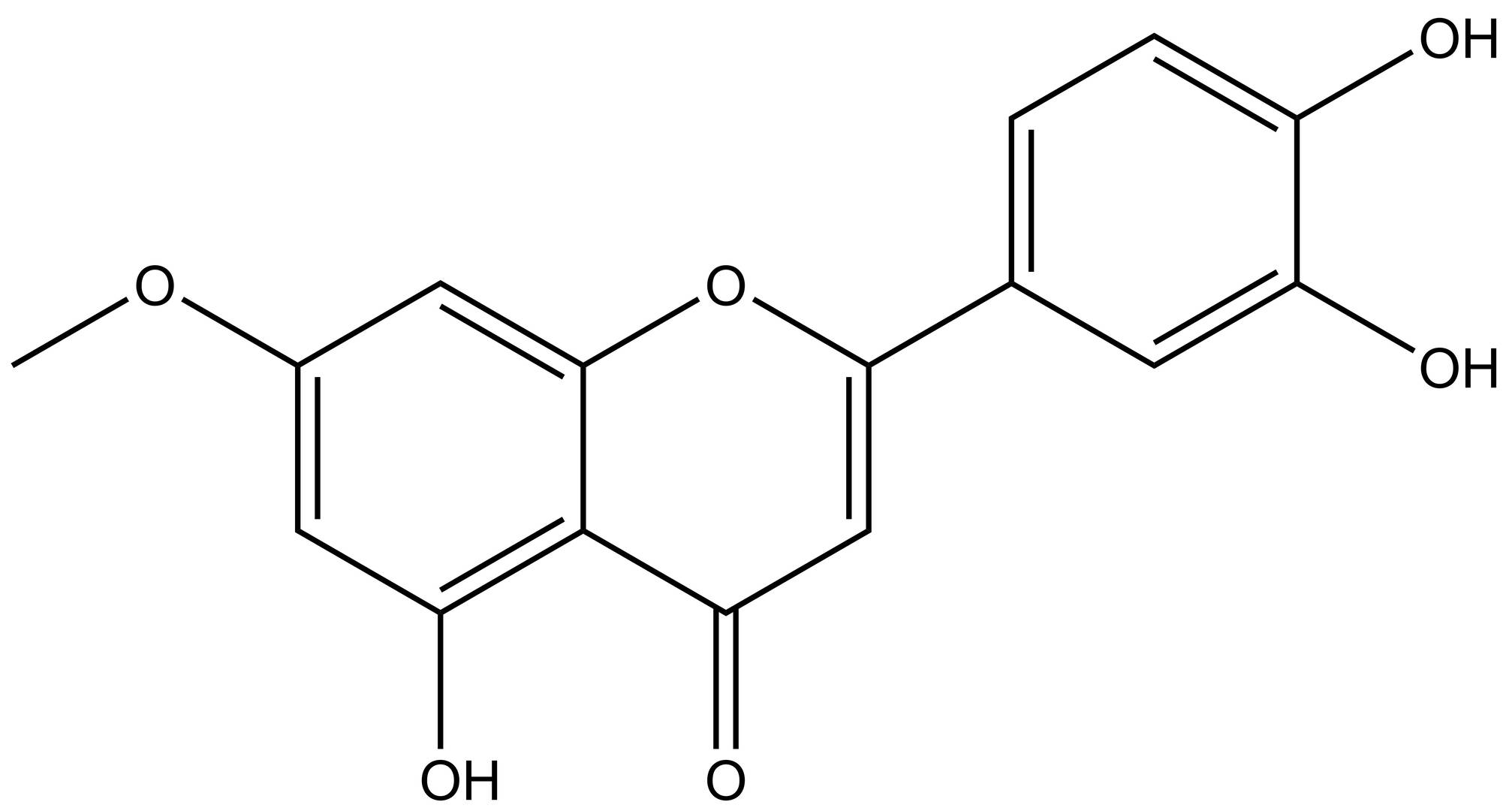
- CAS No.: 35775-49-6
- Pathways: Oxidation-reduction
- Target: Antioxidant enzyme
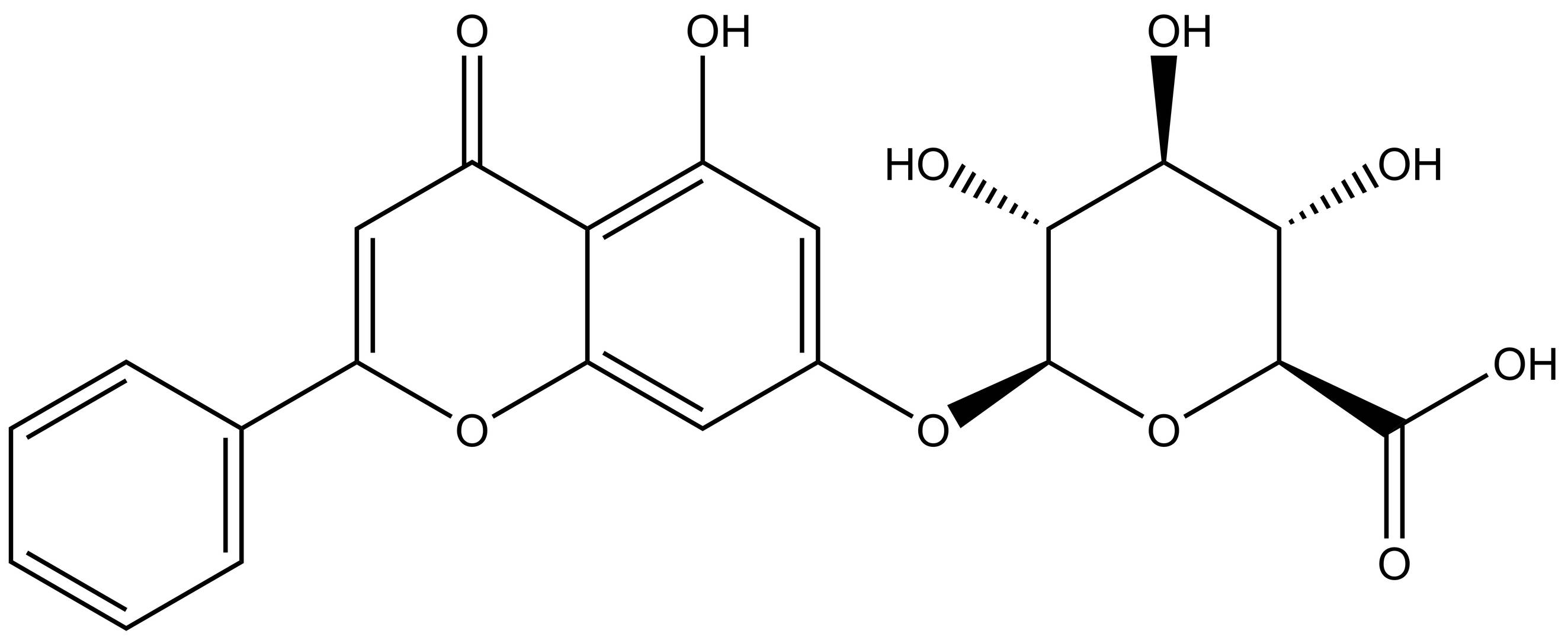
- CAS No.: 116-26-7
- Pathways: Oxidation-reduction
- Target: Antioxidant enzyme
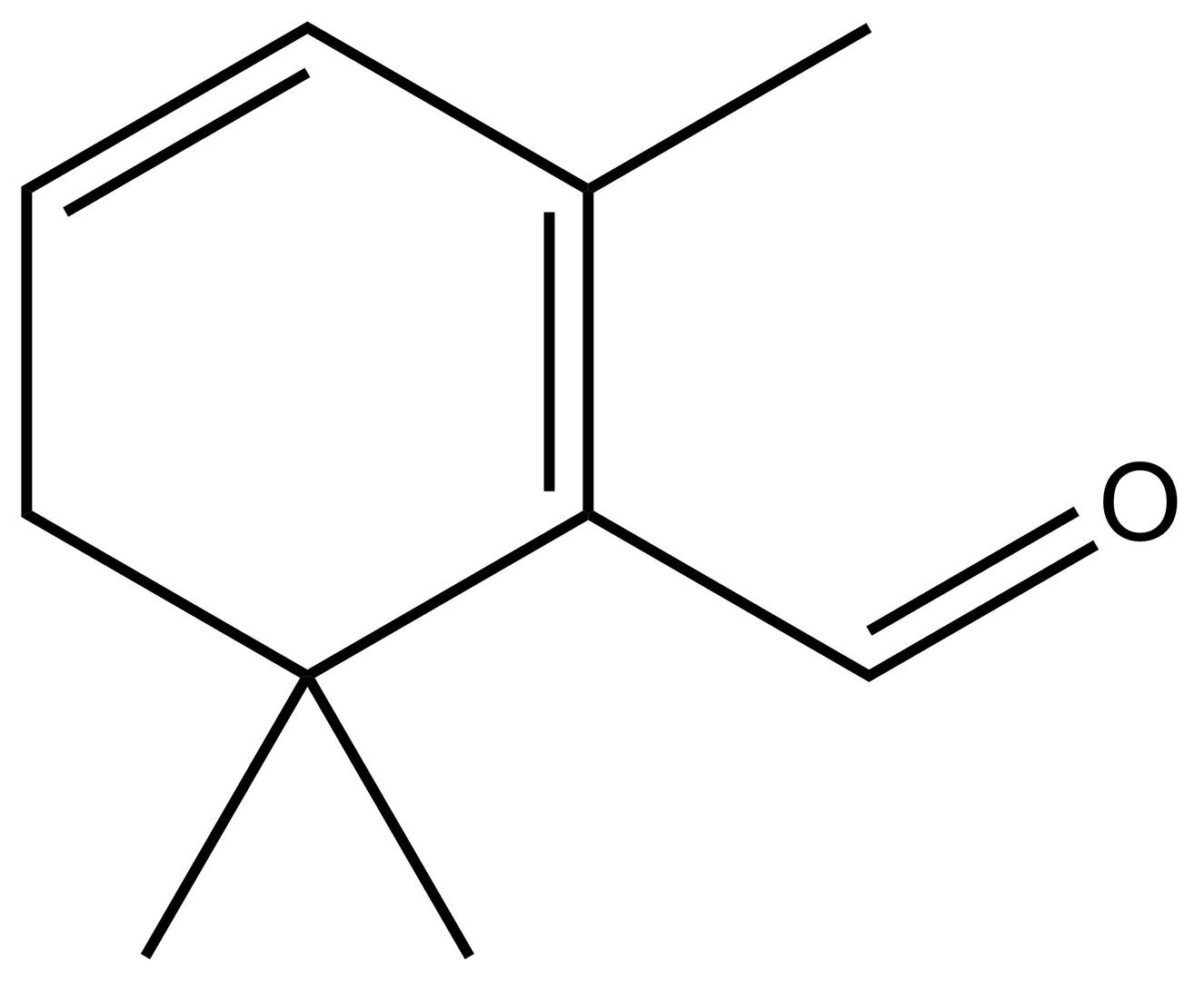
- CAS No.: 69363-14-0
- Pathways: Oxidation-reduction
- Target: Antioxidant enzyme
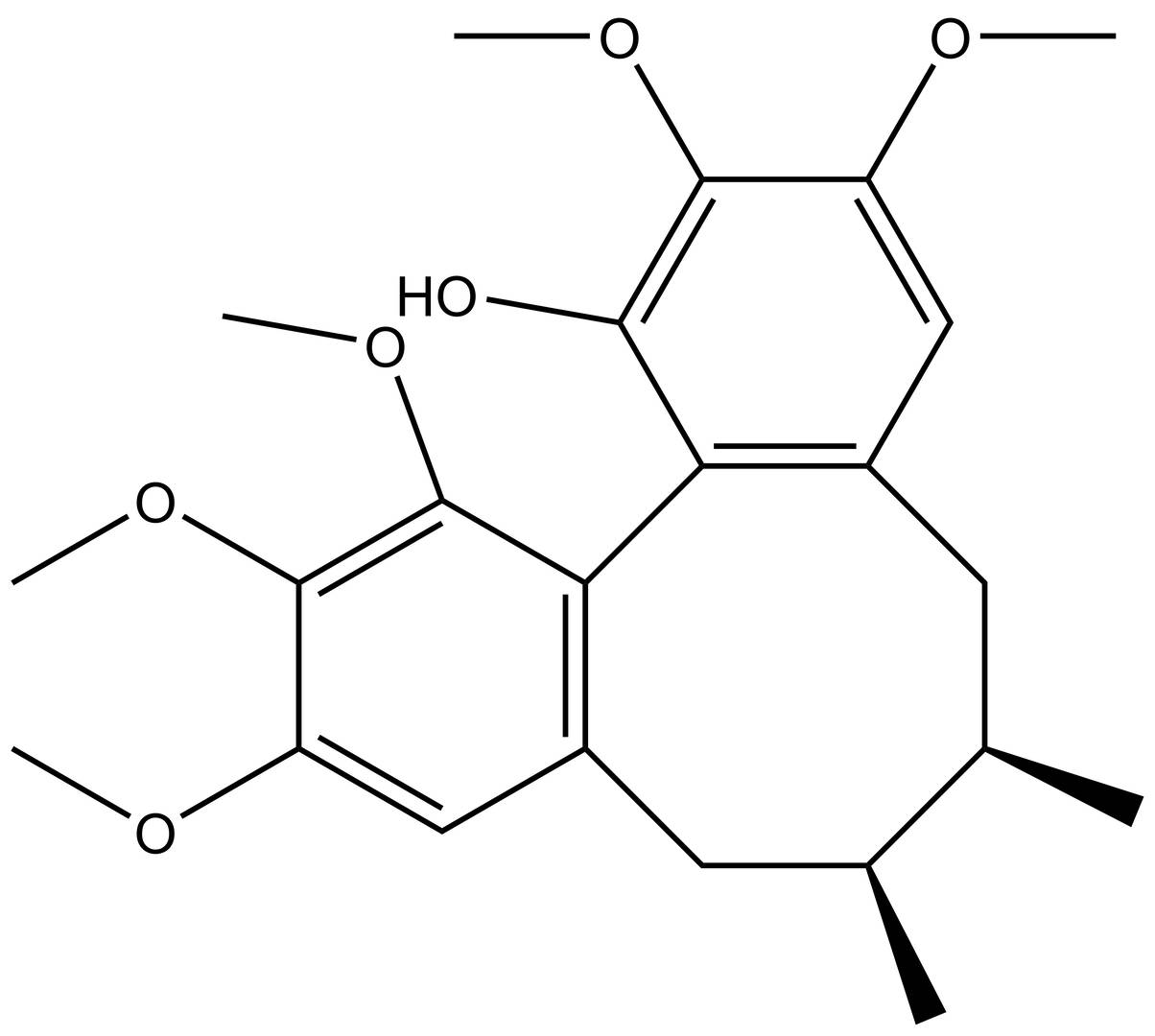
- CAS No.: 34221-41-5
- Pathways: Oxidation-reduction
- Target: Free radical scavengers
- Receptor: Free radical scavengers