DNA Damage/DNA Repair-Targeted Compounds
InquiryOverview
Obesity is defined as a complex chronic disease characterized by excessive accumulation of adipose tissue in the body, which is commonly associated with metabolic disorders, increased burden of oxidative stress, persistent inflammation, and increased susceptibility to a variety of related diseases. The accumulation of DNA damage has been found to be associated with the development of obesity-related diseases, and DNA damage may be detrimental to cell metabolism and cell survival by affecting DNA replication, leading to mutations. Evaluation of DNA damage/DNA repair may be useful in the assessment and prevention of obesity-related metabolic disorders and cancer.
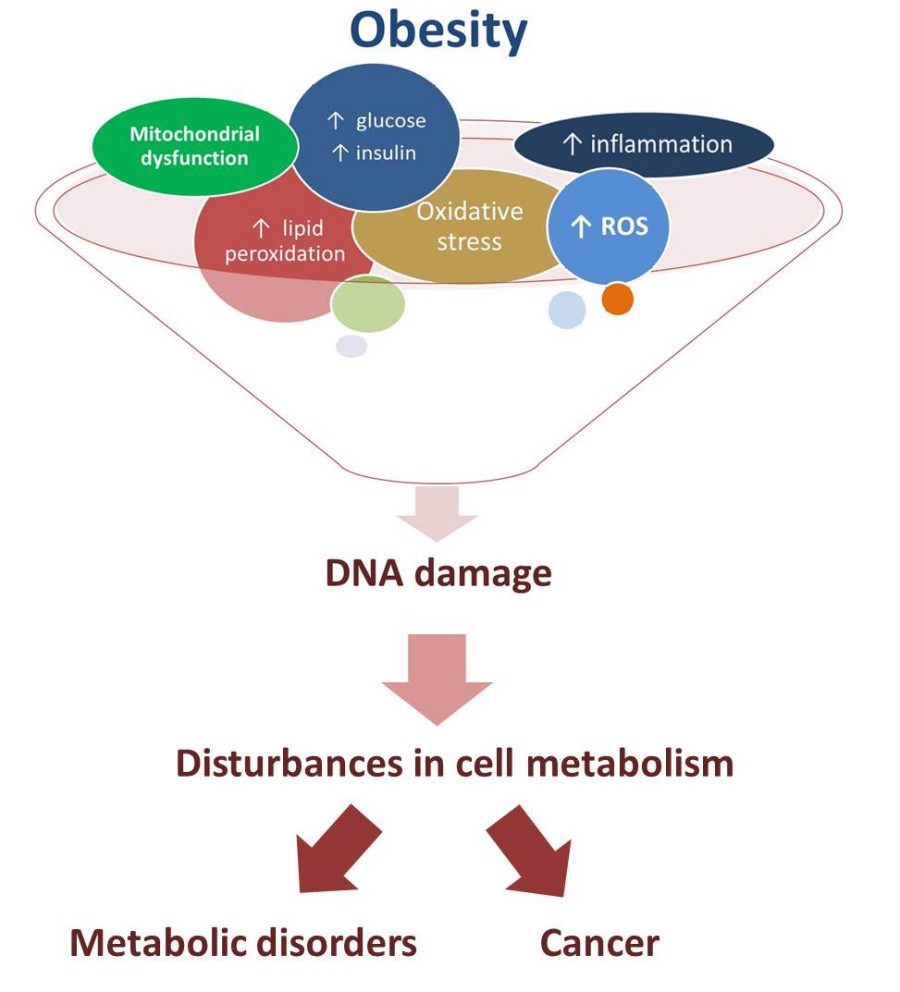 Fig.1 Correlation between obesity and DNA damage (Włodarczyk & Nowicka, 2019)
DNA Damage/Repair Compound Library - Tailored Tools for Obesity Researchers
Protheragen is pleased to announce the launch of the DNA damage/DNA repair compound library, which is carefully designed and screened for the obesity research field, focusing on the DNA damage response system that is closely related to metabolic stress and oxidative damage. It aims to provide researchers with a set of high-quality and highly relevant chemical tools to facilitate the exploration of the mechanism of DNA damage repair in the pathophysiological process of obesity, the discovery of new therapeutic targets, and the screening of active compounds that modulate the relevant processes.
Features of the DNA Damage/DNA Repair Compound Library
- The core design concept of this library is precisely targeted and highly relevant, aiming to provide scientists in the field of obesity research with a suite of quality chemical tools specifically designed for discovery. The selected compounds target PARP, ATM/ATR, topoisomerases, DNA/RNA synthesis, and more.
- While ensuring target coverage, the library pays special attention to the structural diversity of compounds. The inclusion of multiple molecules with different chemical backbones under the same target class aims to increase the chances of discovering new active compounds with novel mechanisms of action.
- In order to maximize the value of the compound library and accelerate your research process, we equip the library with detailed annotation information and data support, including structure, IC50, etc.
- We promise that every compound in the library has undergone comprehensive quality testing to ensure the accuracy of its purity, chemical structure, and concentration, providing a solid foundation for your research.
Applications
- Elucidation of Association Mechanisms: Utilizing compounds from this library as probes to precisely modulate relevant processes, investigating the effects of specific factors on DNA damage/repair and related pathways.
- Target Discovery and Validation: This compound library is used to identify targets for the action of these compounds that ameliorate the pathological phenotype of obesity, which may become novel targets for the treatment of obesity or its complications.
- Development of Novel Chemical Probes: The active compounds screened in the library will be used as lead compounds for structural optimization by medicinal chemistry methods to develop novel chemical probes or anti-obesity drug candidates with higher activity, better selectivity, and superior drugability.
Advantages
High Compound Relevance
Due to the higher relevance of the compounds, the probability of finding a valid hit compound in a screen targeting obesity-related phenotypes is theoretically higher, thus improving screening efficiency.
Multi-tiered Quality Control
The quality of the compound library is directly related to the accuracy and reproducibility of the results of high-throughput screening and drug discovery studies. We have implemented a rigorous, multi-layered quality testing process for our DNA damage/repair compound libraries.
Reliable Experimental Support
Our team of experts would be happy to provide you with support on how this compound library can be applied to a specific obesity research program or a more in-depth scientific discussion.
Publication
Title: Obesity increases genomic instability at DNA repeat-mediated endogenous mutation hotspots
Journal: Nature communications, 2024
DOI: https://doi.org/10.1038/s41467-024-50006-8
Summary: Obesity is a global health problem and is associated with a variety of diseases, such as cancer, neurological disorders, and liver complications. Among them, obesity-associated cancers involve disruptions in metabolic and cellular pathways, which may lead to genomic instability. To delve deeper into the effect of obesity on endogenous mutational hotspots mediated by DNA repeat sequences, the researchers measured mutation frequencies in obese and normal-weight mice. The results of the study showed that obese mice have reduced DNA repair efficiency, and H-DNA-induced DNA damage and mutations are increased in a tissue-specific manner.
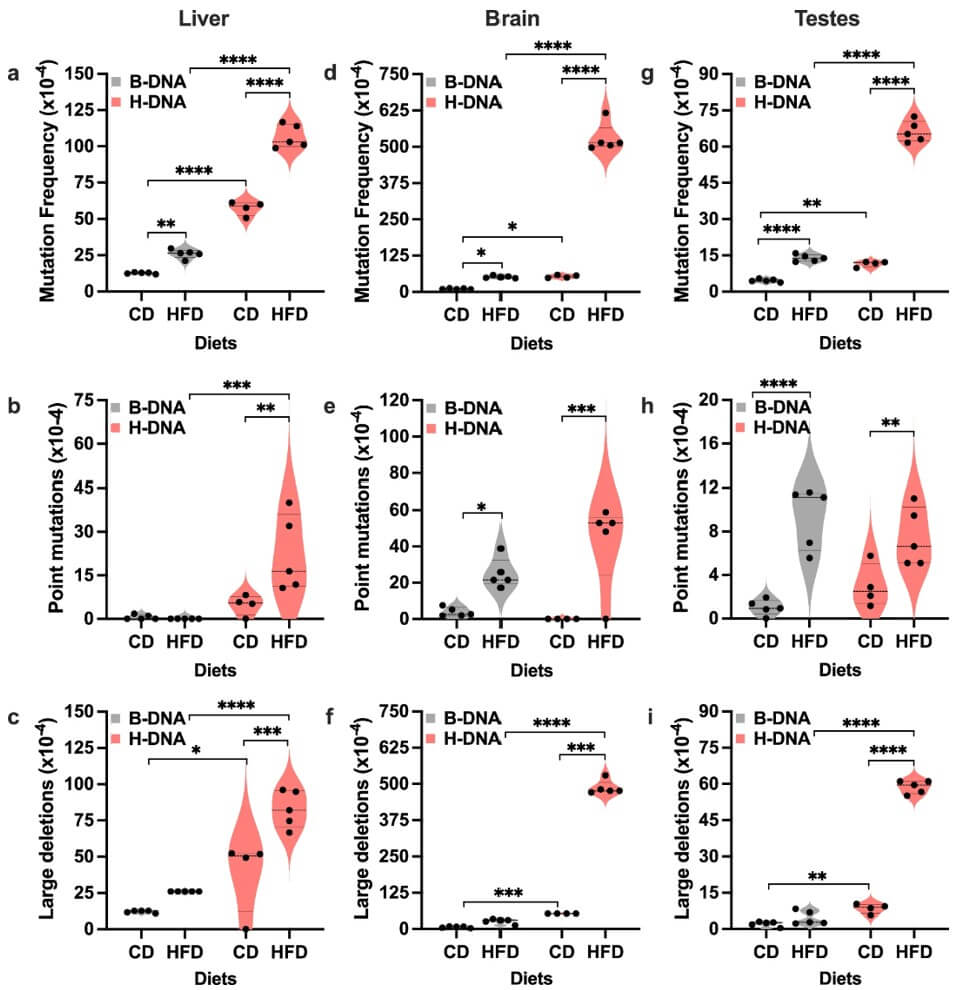 Fig.2 Obesity exacerbates H-DNA-induced genomic instability. (Kompella, et al., 2024)
This study analyzed the effect of obesity on the hotspot of cancer-associated endogenous mutations, providing useful information on the link between obesity and cancer and indirectly validating the need for DNA damage analysis in obesity research.
Customer Review
Unlocking Mechanistic Depth
"We utilized Protheragen's compound library products as probes to investigate the impact on cellular DNA damage repair capabilities, thereby delving deeper into potential therapeutic targets."— Prof. E. Sin**
Novel Screening Approach
"Protheragen's DNA repair compound library perfectly aligned with our high-throughput screening requirements. Through screening, we successfully identified several DNA repair modulators to further investigate the mechanistic link between DNA repair defects and metabolic disorders."— Ms. O. Gr**
Frequently Asked Questions
-
Why is the study of DNA damage repair important for understanding obesity and its complications?
The state of obesity is associated with increased DNA damage and decreased repair capacity, which leads to an accumulation of damage to the genetic material within the cell. This accumulated damage is thought to stimulate inflammatory responses, interfere with normal gene expression patterns, and promote metabolic disorders. Therefore, measures to reduce the DNA damage load may be important for the prevention and treatment of metabolic diseases associated with obesity.
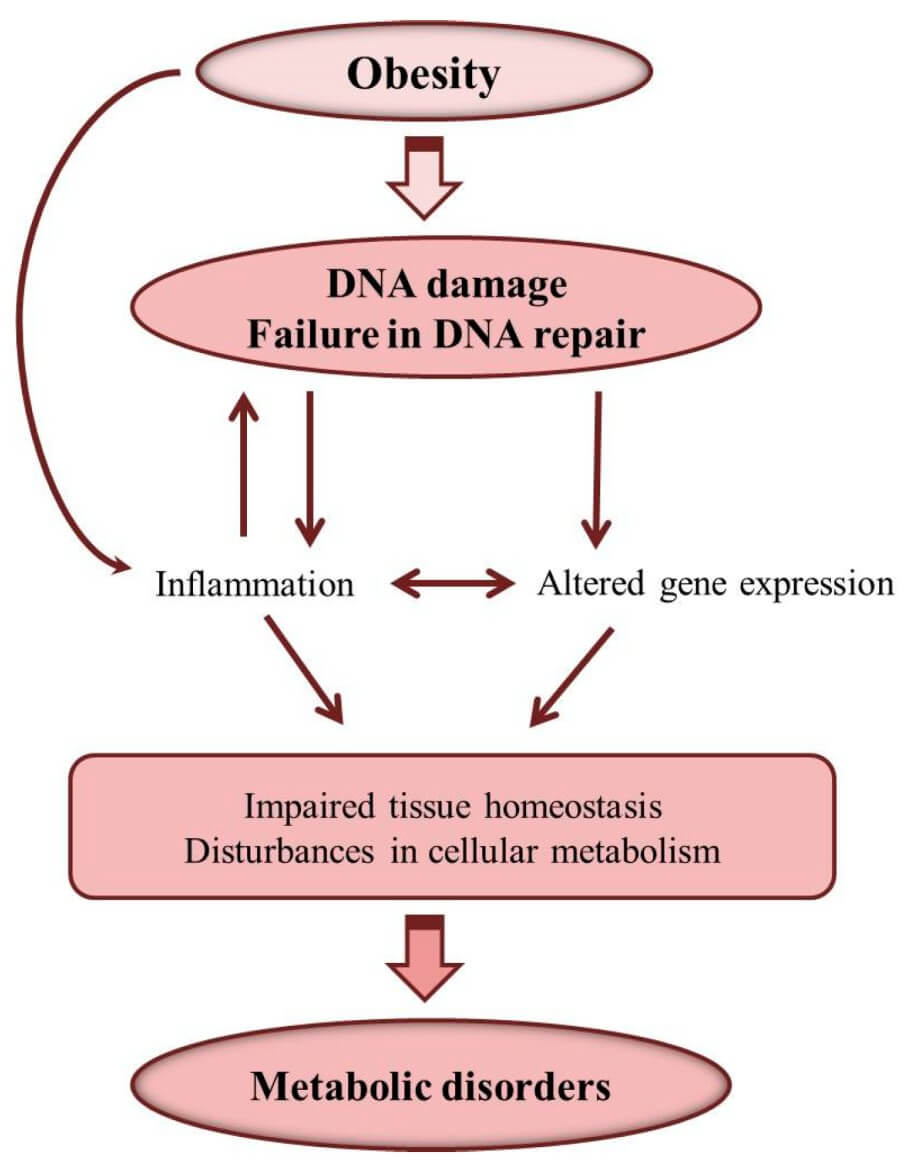 Fig.3 Obesity, DNA damage, and metabolic disorders. (Włodarczyk & Nowicka, 2019)
 -
Are compound libraries customizable?
We understand that different research projects may have unique needs. If you require a specific subset of compounds, different concentrations, or well plate formats, please feel free to contact us to discuss customization possibilities.
-
What are the recommended storage conditions and shelf life for this compound library?
Our compound library is packaged to maximize activity and stability. Typically, we recommend storing compounds as solid powders or solutions at -20°C or -80°C, protected from light and kept in sealed containers. When stored and handled correctly, compound activity is generally maintained for at least two years.
Protheragen is committed to providing high-quality tools and support for your obesity research. Welcome to contact us for a detailed quote or to learn more about how this compound library can help you make breakthroughs in the cutting-edge field of obesity and genome stability.
References
- Kompella, P.; et al. Obesity increases genomic instability at DNA repeat-mediated endogenous mutation hotspots. Nature communications. 2024, 15(1): 6213. (CC BY 4.0)
- Włodarczyk, M.; Nowicka, G. Obesity, DNA damage, and development of obesity-related diseases. International journal of molecular sciences. 2019, 20(5): 1146. (CC BY 4.0)
DNA Damage/DNA Repair-Targeted Compounds
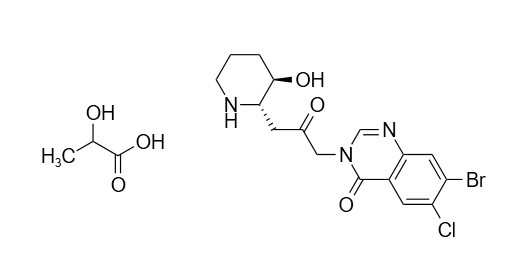
- CAS No.: 82186-71-8
- Pathways: DNA damage/DNA repair; Cell cycle/Checkpoint; Stem cells
- Targets: TGF-beta/Smad; DNA/RNA synthesis
- Receptors: prolyl-tRNA synthetase; TGF-β receptor
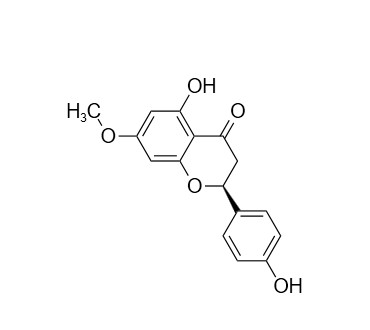
- CAS No.: 2957-21-3
- Pathways: DNA damage/DNA repair; NF-κB; Angiogenesis; Microbiology/Virology; Metabolism; Tyrosine kinase/adaptors
- Targets: Nuclear receptor family; RTK superfamily; Transcription factor family
- Receptors: NF-κB; PPAR; VEGFR
- CAS No.: 22368-21-4
- Pathways: DNA damage/DNA repair; Autophagy; Metabolism
- Targets: PPAR family
- Receptors: PPAR
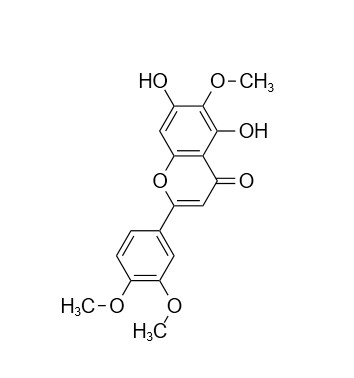
- CAS No.: 10605-03-5
- Pathways: DNA damage/DNA repair; MAPK; Apoptosis; Autophagy; Chromatin/Epigenetic; Proteases/Proteasome; Microbiology/Virology
- Targets: BCL family; PARP family; Caspase family; MAPK family
- Receptors: Bax; Bcl-2; Bcl-2 Family; Caspase-7; Caspase-8; p38 MAPK
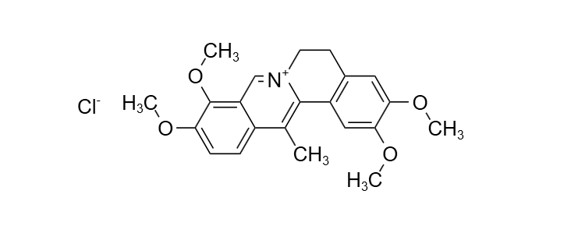
- CAS No.: 957054-33-0
- Pathways: DNA damage/DNA repair; Apoptosis; Autophagy; PI3K/Akt/mTOR signaling
- Targets: Lipid kinases (PI3K class I); PIKK family kinases
- Receptors: DNA-PK; mTOR; p110α; p110α-E545K; p110α-H1047R; p110β; p110γ; p110δ; PI3K
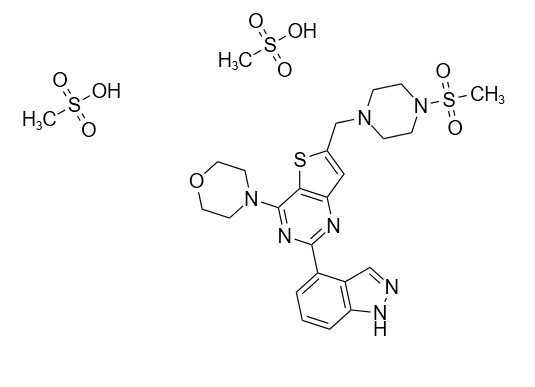
- CAS No.: 155141-29-0
- Pathways: DNA damage/DNA repair; Metabolism; Membrane transporter/Ion channel; Apoptosis; Autophagy
- Targets: TRP/TRPV channel; PPAR
- Receptors: PPARγ; TRP channel
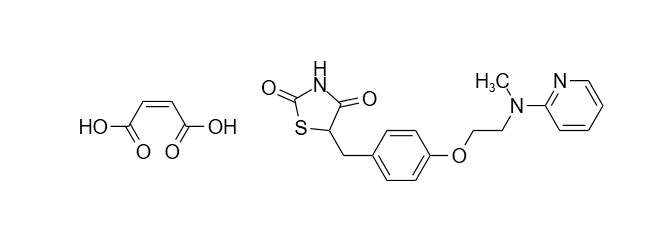
- CAS No.: 68124-04-9
- Pathways: DNA damage/DNA repair; Apoptosis; Autophagy; Membrane transporter/Ion channel; Cytoskeletal signaling; PI3K/Akt/mTOR signaling; Neuronal signaling; MAPK; Chromatin/Epigenetic; Proteases/Proteasome
- Targets: BCL family; PARP family; Caspase family; MAPK family
- Receptors: p-Akt; Bcl-2 Family; P-gp (P-glycoprotein); p38 MAPK; PARP-1; Caspase-9; Caspase-3
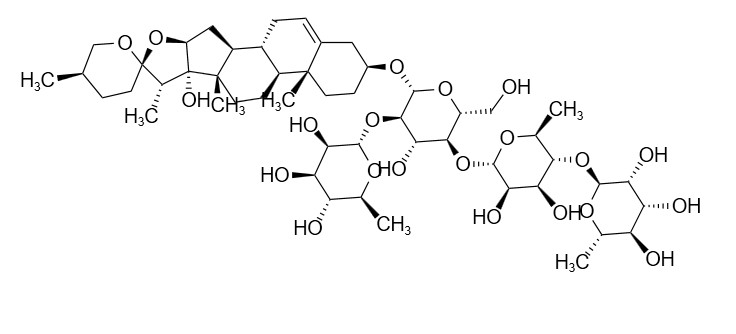
- CAS No.: 73255-40-0
- Pathways: DNA damage/DNA repair; Apoptosis; Proteases/Proteasome; Metabolism; Immunology/Inflammation; Cytoskeletal signaling; PI3K/Akt/mTOR signaling; Neuronal signaling; Stem cell regulation
- Target: TNF; Nrf2; gp120/CD4; IL receptor; BCL; GSK-3; Caspase; Wnt/beta-catenin; COX; p53; PPAR
- Receptor: Bcl-2; Caspase; COX; gp120/CD4; GSK-3; IL receptor; Nrf2; p53; PPAR; TNF-α; Wnt/β-Catenin
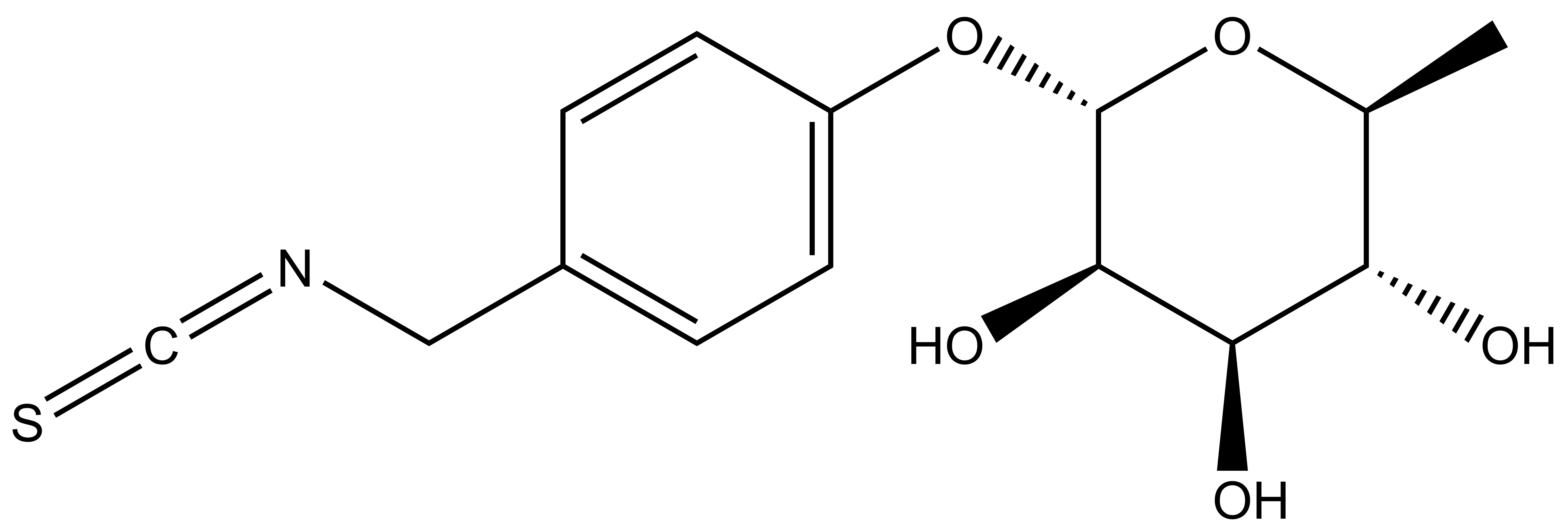
- CAS No.: 881375-00-4
- Pathways: PI3K/Akt/mTOR signaling; DNA damage/DNA repair
- Target: mTOR; DNA-PK; PI3K
- Receptor: DNA-PK; mTOR; PI3Kα; PI3Kβ; PI3Kγ; PI3Kδ
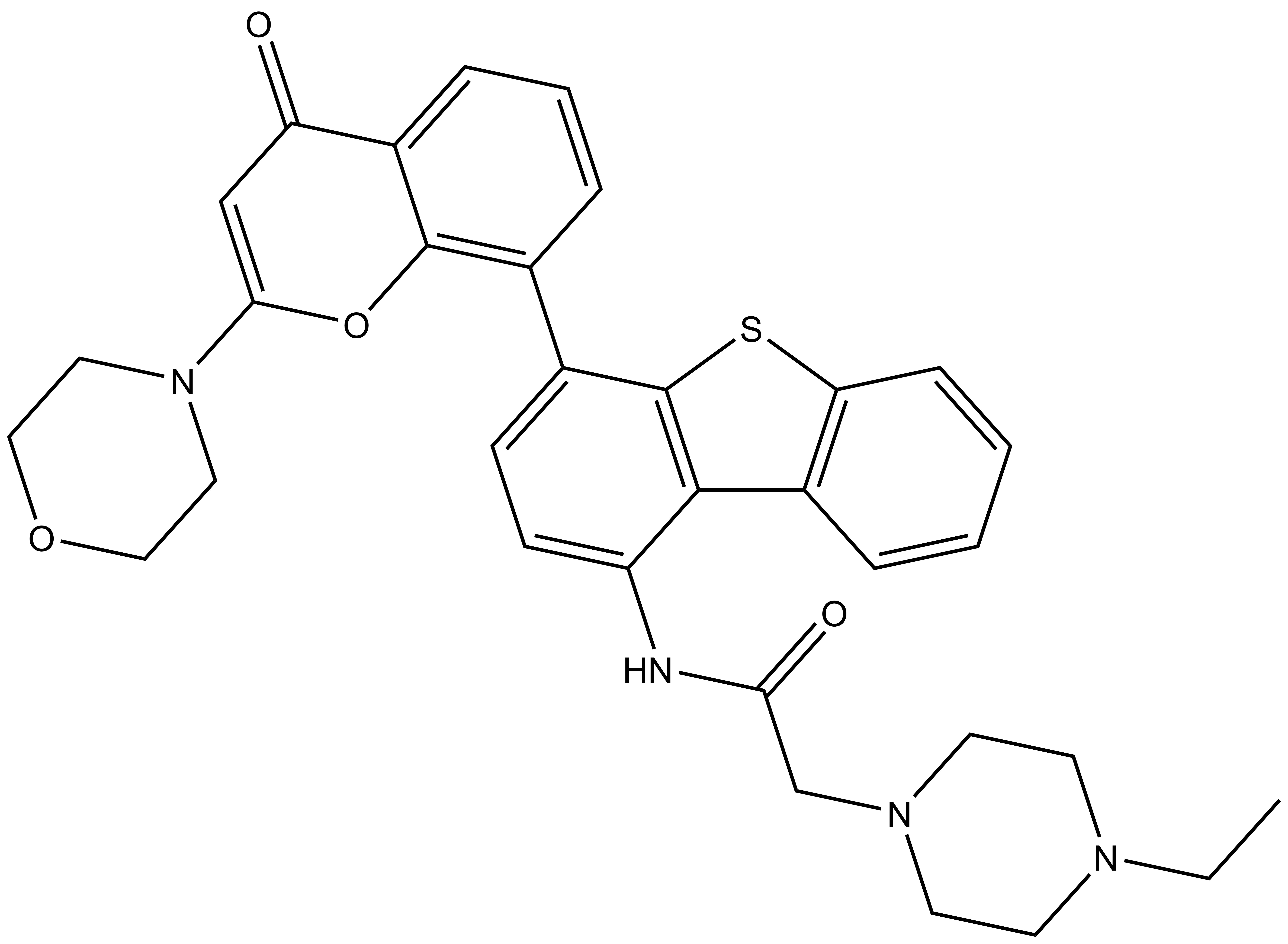
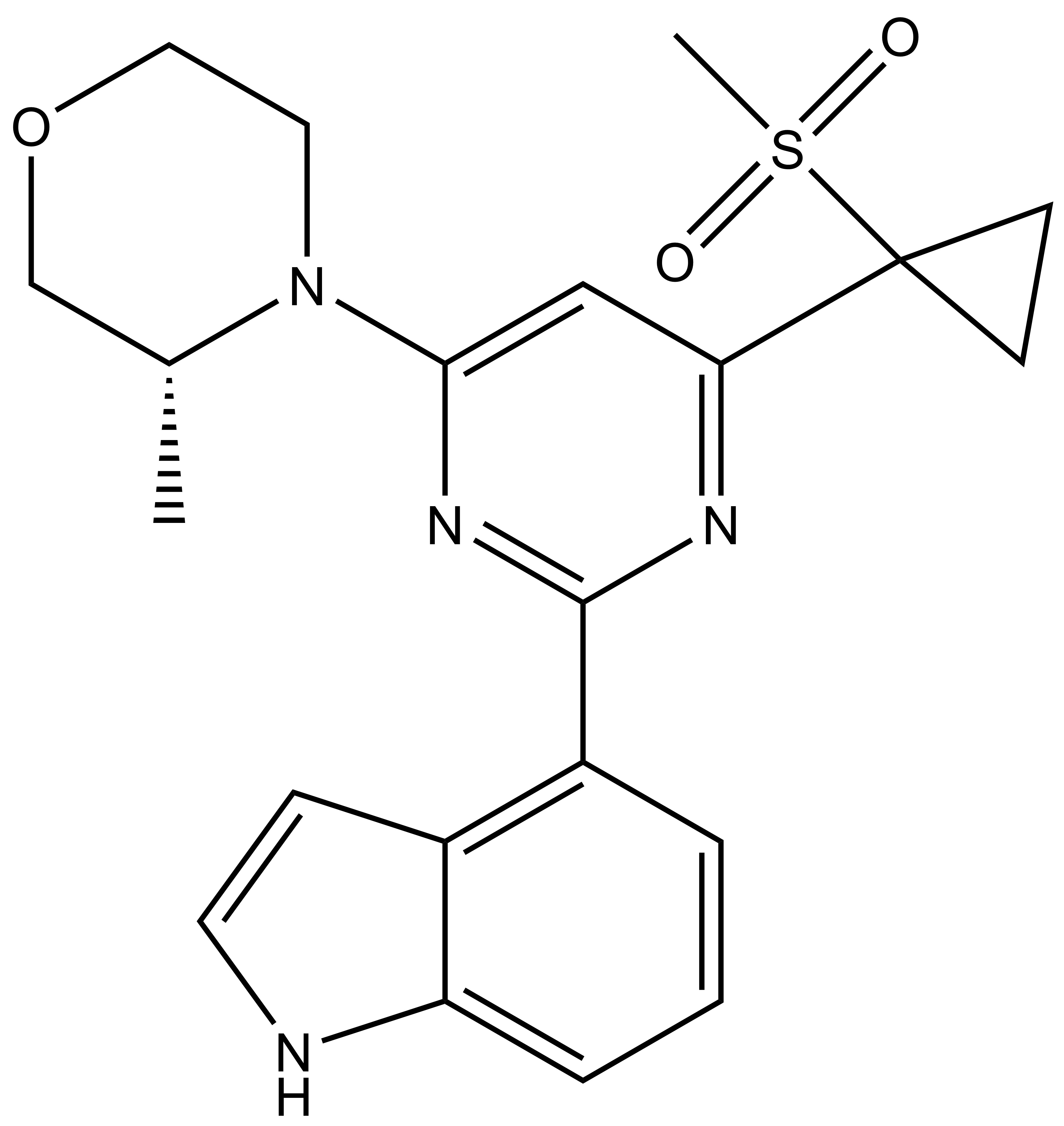
- CAS No.: 1233339-22-4
- Pathways: PI3K/Akt/mTOR signaling; DNA damage/DNA repair
- Target: ATM/ATR; mTOR
- Receptor: ATM/ATR; ATR; mTOR