Stem Cells/Wnt-Targeted Compounds
InquiryOverview
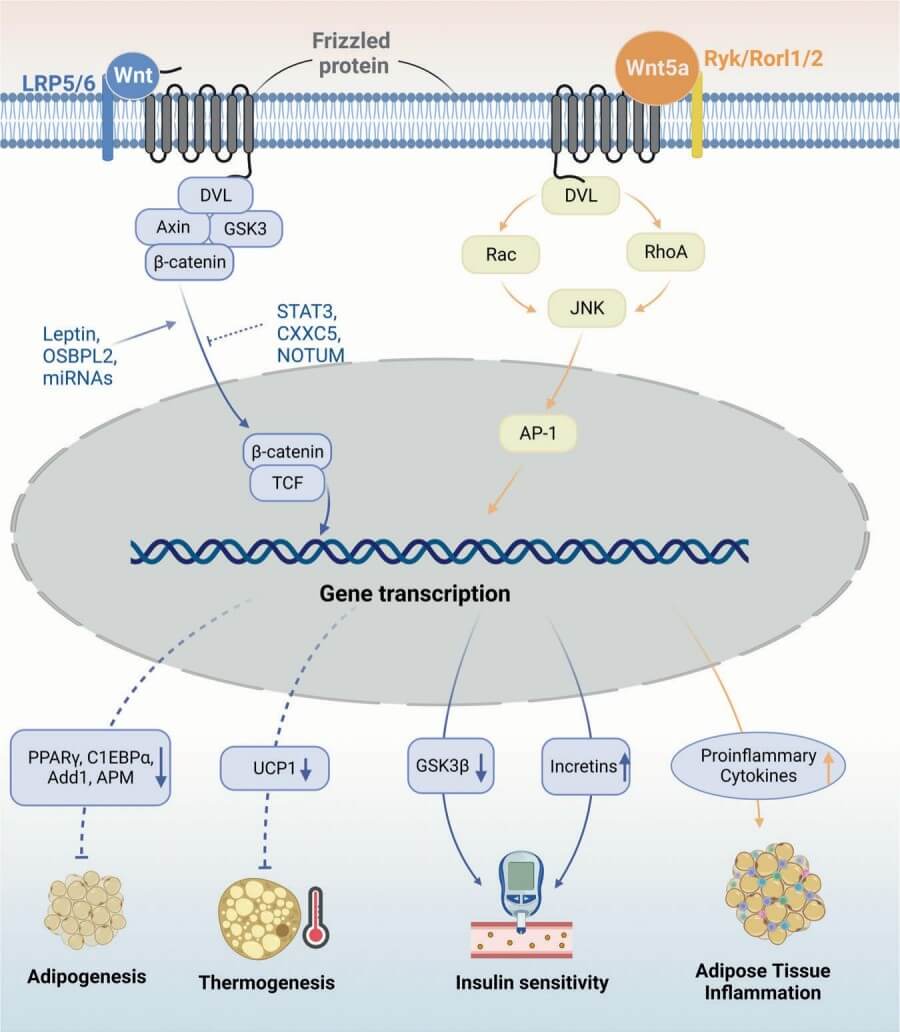 Fig.1 Wnt/β-catenin pathways. (Wen, et al., 2022)
Stem cells are undifferentiated or partially differentiated cells that can differentiate into multiple cell types and divide indefinitely. The Wnt signaling pathway is an ancient and evolutionarily conserved pathway. Wnt proteins act as secreted glycoproteins that interact with the coiled-coil protein family of receptors (e.g., LRP5/6, Ror2, and Ryk) to activate a wide variety of intracellular signaling cascades that regulate cell proliferation, differentiation. Mutations in the Wnt pathway are frequently associated with human birth defects, cancer, and other diseases, including obesity-related metabolic abnormalities.
Protheragen focuses on the development of research tools in the life sciences, offering a range of products with compounds related to stem cells and the Wnt signaling pathway. These products are widely used in obesity research, cell differentiation, regenerative medicine, and metabolic diseases.
Your Trusted Partner for Obesity Research
Our stem cells/Wnt product line encompasses a wide range of compounds that modulate or mimic the activity of the Wnt signaling pathway, including, but not limited to, inhibitors of the Wnt signaling pathway, antagonists, and factors that promote stem cell differentiation and proliferation.
|
|
Our products include small molecule inhibitors, agonists, activators, and antagonists, which are used to block the Wnt signaling pathway and to explore its function in obesity development and metabolic regulation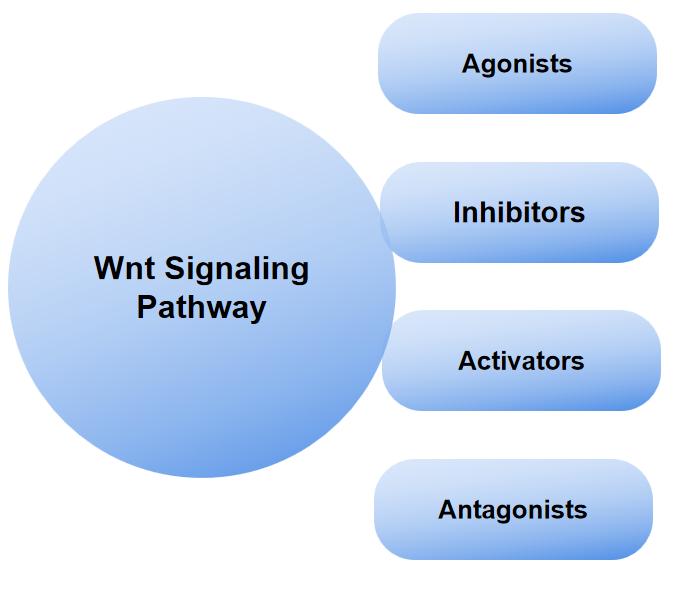 |
For stem cell characterization, we offer a range of factor products that promote stem cell proliferation, maintain stem cell pluripotency, or induce their differentiation to specific cell types such as adipocytes. |
Targets
Our products cover a wide range of targets to facilitate clients' research in the field of obesity.
|
|
|
|
|
|
|
|
|
|
|
|
|
|
|
|
|
|
|
|
|
|
|
|
|
|
|
|
|
|
|
|
|
|
|
|
|
|
|
|
|
|
|
|
|
|
Applications
- Adipose Development & Metabolic Syndrome: Our compounds enable research into the regulatory role of Wnt signaling pathways in adipose tissue development and their molecular mechanisms influencing obesity and metabolic syndrome, such as insulin resistance.
- Stem Cell Fate Regulation & Modeling: Our compounds assist clients in exploring regulatory mechanisms governing stem cell differentiation into various cell types, including adipocytes, osteoblasts, and neurons. They can also be used to model obesity and related metabolic diseases, enabling deeper investigation into the molecular mechanisms underlying disease progression.
- Drug Discovery & New Candidate Screening: This compound library serves as an ideal tool for high-throughput screening, facilitating the discovery and validation of novel drug candidates targeting obesity and metabolic disorders.
Advantages of Us
Publication
Title: Loss of the TNFα function inhibits Wnt/β-catenin signaling, exacerbates obesity development in adolescent spontaneous obese mice
Journal: Molecular and Cellular Biochemistry, 2014
DOI: https://doi.org/10.1007/s11010-014-1987-5
Summary: This study reports that TNF-α deficiency promotes obesity development in adolescent spontaneously obese mice in the context of obesity.TNF-α deficiency may lead to adipocyte hypertrophy, insulin resistance and increased secretion of inflammatory factors, which in turn promotes obesity development. Meanwhile, TNF-α deficiency also affects the role of other signaling pathways (e.g., chemerin/CMKLR signaling) in the obesity network. The present study provides new perspectives for understanding the role of TNF-α in the development of obesity and highlights the importance of the Wnt/β-catenin signaling pathway in the regulation of adipogenesis.
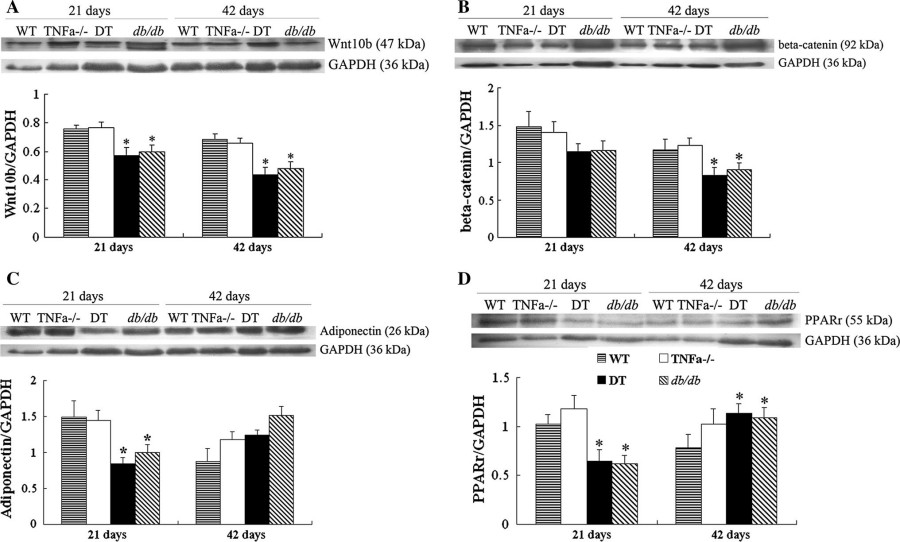 Fig.2 Protein level analysis of Wnt10b, b-catenin, adiponectin, and PPARc2. (Gong, et al., 2014)
Customer Review
High Specificity in Wnt Assays
"Protheragen's custom compound library exhibits exceptional quality, providing highly comprehensive compound information and activity data. This has greatly facilitated our precise design and efficient execution of subsequent signaling pathway experiments."— C. B* G***
Adipocyte Fate Control
"Using Protheragen's Stem Cells/Wnt compound library, we precisely investigated the impact of key Wnt signaling components on cellular fate, accelerating our overall research pace."— Prof. Z* X***
Frequently Asked Questions
-
What is the relevance of the Wnt pathway to stem cells?
The Wnt/β-catenin pathway regulates stem cell pluripotency, organ development, and regeneration, with functions similar to those of Hippo, Notch, and TGF-β. Inhibition of Notch signaling causes small intestinal stem cells to favor secretory cell differentiation and inhibits absorptive cell differentiation. Blockade of Notch to relieve Wnt inhibition disrupts stem cell function and results in the misexpression of secretory genes. The interaction between Wnt and Notch signaling is essential for maintaining the balance of stem cell activity and differentiation.
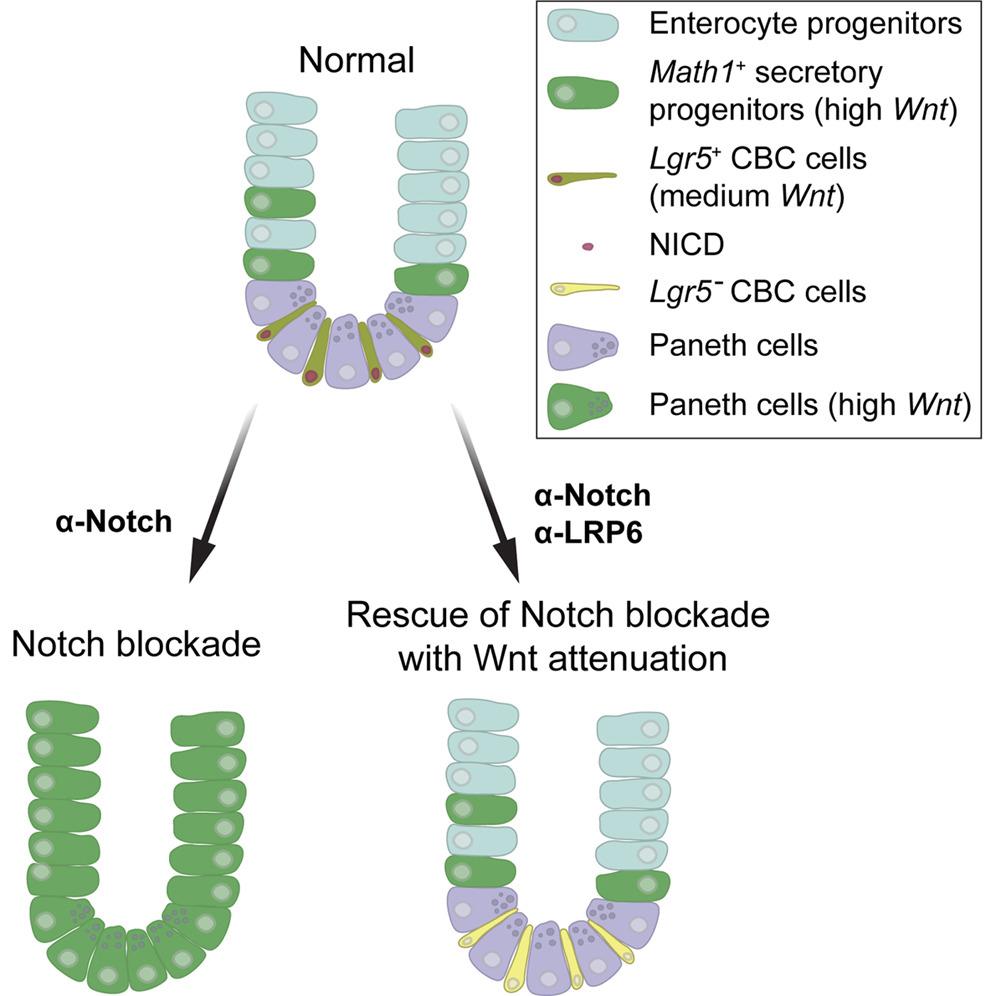 Fig.3 Activities of Notch and Wnt signaling. (Tian, et al., 2015)
 -
Cross-linking of the Wnt signaling pathway, and which pathways affect the development of obesity?
- Insulin signaling pathway: insulin resistance is one of the important features of obesity, and abnormalities in the Wnt signaling pathway exacerbate insulin resistance by affecting the insulin signaling pathway, which further promotes the onset and development of obesity.
- Inflammatory response: Inflammatory response in adipose tissue is increased under obesity. The Wnt signaling pathway influences the inflammatory response in adipose tissue by regulating the expression of inflammatory factors, which in turn influences the onset and progression of obesity.
-
Does purchasing a compound library include post-purchase technical support and customized consultation?
Absolutely. We have a dedicated technical support team comprising experts in cell biology and metabolic research. Should you encounter any issues with compound dissolution, cell handling, experimental protocol optimization, or data analysis, you may contact our team at any time for prompt and professional consultation services at no additional cost.
The high-quality products provided by Protheragen offer new ideas and possibilities for unlocking the regulation of stem cell pluripotency and the study of obesity metabolic mechanisms. If you have any questions about our products, please feel free to contact us.
References
- Gong, M.; et al. Loss of the TNFα function inhibits Wnt/β-catenin signaling, exacerbates obesity development in adolescent spontaneous obese mice. Molecular and Cellular Biochemistry. 2014, 391: 59-66. (CC BY)
- Wen, X.; et al. Signaling pathways in obesity: mechanisms and therapeutic interventions. Signal Transduction and Targeted Therapy. 2022, 7(1): 298. (CC BY 4.0)
- Tian, H.; et al. Opposing activities of Notch and Wnt signaling regulate intestinal stem cells and gut homeostasis. Cell Reports. 2015, 11(1): 33-42. (CC BY 3.0)
Stem Cells/Wnt-Targeted Compounds
- CAS No.: 1219168-18-9
- Pathways: Stem cells; Chromatin/Epigenetic; Autophagy; PI3K/Akt/mTOR signaling
- Targets: AMPK; TGF-beta/Smad; Autophagy
- Receptors: ALK2; ALK3; ALK6
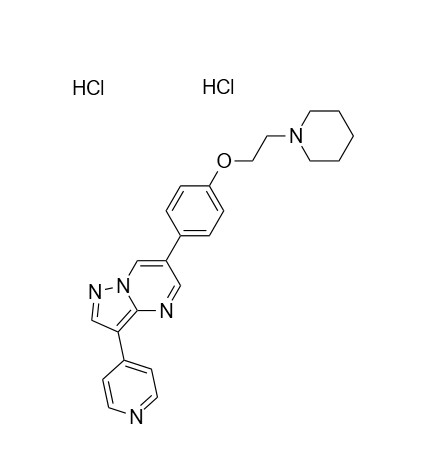
- CAS No.: 1062368-49-3
- Pathways: Stem cells; Angiogenesis; Tyrosine kinase/adaptors
- Targets: TGF-beta/Smad; ALK family
- Receptors: ALK1; ALK2; ALK3; ALK6; TGF-β receptor
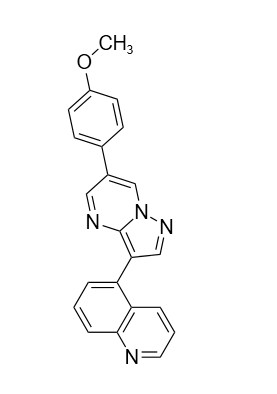
- CAS No.: 1352608-82-2
- Pathways: Stem cells; Angiogenesis; Tyrosine kinase/adaptors; TGF-β/Smad signaling
- Targets: ALK family
- Receptors: ALK1; ALK2; ALK3; ALK4; ALK5
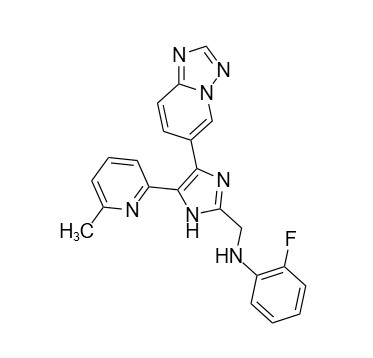
- CAS No.: 2070014-88-7
- Pathways: Stem cells
- Targets: TGF-beta/Smad
- Receptors: TGF-β receptor
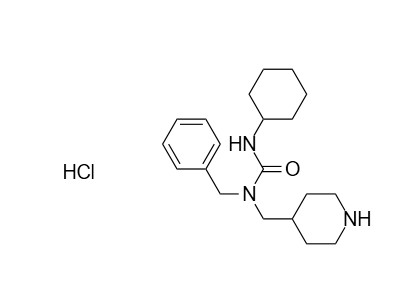
- CAS No.: 866405-64-3
- Pathways: Stem cells; PI3K/Akt/mTOR signaling; Chromatin/Epigenetic; Autophagy
- Targets: Autophagy; AMPK; TGF-beta/Smad
- Receptors: ALK2; ALK3; ALK6
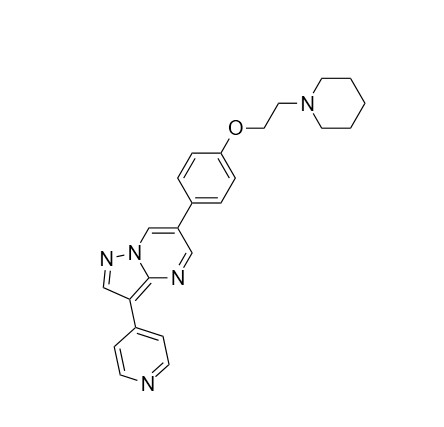
- CAS No.: 425613-09-8
- Pathways: Stem cells; TGF-beta/Smad signaling
- Targets: TGF-β receptor family
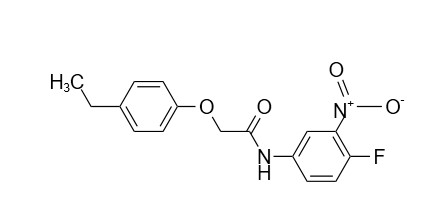
- CAS No.: 700874-71-1
- Pathways: Stem cells; Autophagy
- Targets: TGF-beta/Smad
- Receptors: TβRI; TβRII
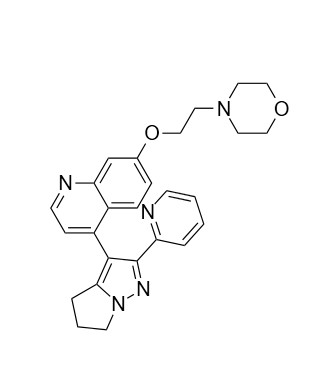
- CAS No.: 100874-08-6
- Pathways: Stem cells
- Targets: TGF-beta/Smad
- Receptors: Bone morphogenetic protein (BMP); TGF-β receptor
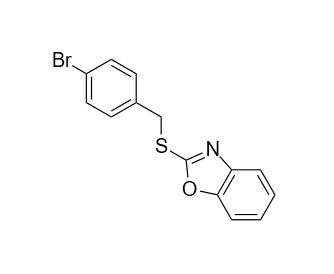
- CAS No.: 627536-09-8
- Pathways: Stem cells
- Targets: TGF-beta/Smad
- Receptors: ALK5
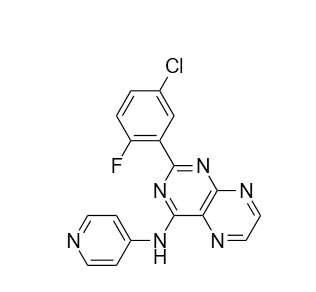
- CAS No.: 1094614-85-3
- Pathways: Stem cells; MAPK
- Targets: MEK; TGF-beta/Smad; ERK
- Receptors: ERK5; MEK1; MEK2; MEK5; TGFβR1