Ubiquitin-Targeted Compounds
InquiryOverview
Obesity is an increasingly serious health problem worldwide, and its pathogenesis is complex, involving multiple signaling pathways and molecular mechanisms. Ubiquitin, as a highly conserved small molecule protein, plays a role in the cell by targeting protein degradation, gene expression regulation, and metabolic regulation. In recent years, ubiquitin and its related compounds have demonstrated significant potential applications in obesity research. Protheragen provides high-quality ubiquitin-related compounds to meet the research needs of our clients in different fields.
Enabling Obesity Research, Unlocking New Mechanisms of Metabolic Regulation
Our ubiquitin product line covers three categories: ubiquitination modification regulatory tools, ubiquitin-proteasome system (UPS) inhibitors/activators, and ubiquitin-binding domain (UBD) targeting molecules, which meet the diversified needs of obesity research.
- Ubiquitination Modification Regulatory Tools
- Our company provides recombinant ubiquitin proteins (wild type and mutants) for in vitro ubiquitination reactions, protein interaction studies.
- UPS Intervention Tools
- Our company provides potent proteasome inhibitors for studying the role of UPS in obesity-associated adipocyte apoptosis, insulin resistance.
- Our lab provides selective E1/E2 inhibitors for targeting the UPS initiation phase, revealing the molecular mechanism of protein homeostasis imbalance in the state of energy excess.
- UBD Targeting Molecules
- Our company offers a series of UBD-mimetic peptides/small molecules for interfering with ubiquitin-UBD interactions and blocking aberrant activation of obesity-related signaling pathways (e.g., NF-κB, mTOR).
Targets
|
|
|
|
|
|
|
|
|
|
|
Applications
- Protein Degradation & Cell Function: Our products enable the precise analysis of ubiquitin modification's role in regulating adipocyte differentiation and lipid metabolism, providing comprehensive insights into the role of protein homeostasis disruption in obesity.
- Inflammation & Insulin Resistance: Our products can be used to study the function of UPS in obesity-associated inflammation (e.g., M1-type macrophage polarization) and insulin resistance.
- Targeted Enzyme & Organ Pathology: Our products can be used to explore the regulatory role of specific ubiquitin ligases or deubiquitinating enzymes in obesity-induced hepatic lipid deposition.
Advantages of Us
Comprehensive Product Supply
Our company provides a full chain of tools from ubiquitin monomers to ubiquitin chains, from inhibitors to activators, covering the core aspects of obesity research, such as signaling pathway analysis, drug target validation, and metabolic phenotyping analysis.
Professional Technical Support
Our company maintains a dedicated team of senior scientists and application engineers who deeply understand clients' research challenges, delivering customized and forward-thinking product solutions alongside experimental strategy guidance.
High-Quality Product Standards
All our products undergo rigorous multi-tiered quality control (QC) processes, with comprehensive testing for high purity and biological activity. This ensures products are directly applicable to high-throughput screening (HTS) platforms and complex downstream mechanism studies.
Publication
Title: The UPS in diabetes and obesity
Journal: BMC Biochemistry, 2008
DOI: https://doi.org/10.1186/1471-2091-9-S1-S6
Summary: This literature focuses on the role of the UPS in the pathogenesis of diabetes and obesity.The UPS down-regulates insulin signaling through the degradation of insulin receptor substrate proteins (IRS) (e.g., IRS1, IRS2) and Akt proteins, leading to insulin resistance. UPS is involved in regulating lipid synthesis in adipocytes and lipid production in the liver, affecting the development of obesity. The ubiquitin ligase COP1 is involved in regulating the degradation of acetyl coenzyme A carboxylase, which in turn affects fatty acid synthesis.
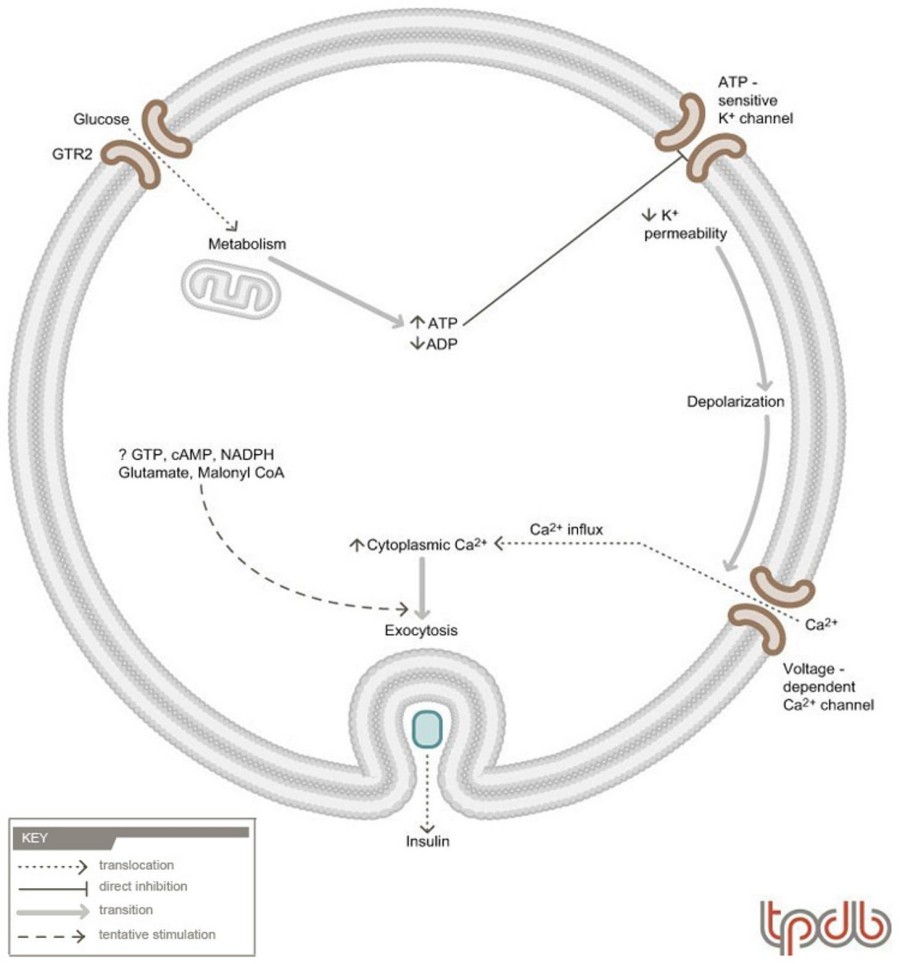 Fig.1 Overview of insulin secretion. (Wing, 2008)
Customer Review
High Selectivity
"Molecules in the Protheragen ubiquitinylation library are pre-validated to exhibit exceptional target selectivity and low cytotoxicity. This enables precise targeting of specific deubiquitinating enzymes in complex cellular models, avoiding off-target interference commonly associated with broad-spectrum inhibitors in traditional ubiquitinylation studies."— Dr. P* G***
Optimized Assay Workflow
"We are highly satisfied with the detailed activity reports and solubility data provided for Protheragen's ubiquitinating compounds. This data enables rapid experimental design, significantly streamlining complex ubiquitinylation analysis workflows."— C. L* R***
Frequently Asked Questions
-
How does ubiquitin affect fat production?
Acetyl-CoA carboxylase, an enzyme that stimulates lipogenesis (fat synthesis), can be inactivated by degradation in adipose tissue through the ubiquitin proteasome system.
-
How to choose the right ubiquitination tool for obesity research?
- For signaling pathway resolution, we recommend UBD-targeted molecules
- For protein degradation, proteasome inhibitors or E3 ligase inhibitors are preferred.
- For customized requirements, please contact our technical support team for suggestions on optimization of experimental protocols.
-
Does the purchased compound library provide structure-target interaction data to guide lead optimization?
Yes. To accelerate the drug discovery process, we provide comprehensive electronic data packages containing structural information, target details, IC50 values, and more. This data offers irreplaceable value for rapidly establishing structure-activity relationships (SAR) and guiding structural optimization of hit compounds.
Protheragen has been in the obesity field for many years and is committed to providing clients with the most efficient and convenient product solutions. Please feel free to contact us!
Reference
- Wing, S.S. The UPS in diabetes and obesity. BMC Biochemistry. 2008, 9: 1-10. (CC BY 2.0)
Ubiquitin-Targeted Compounds
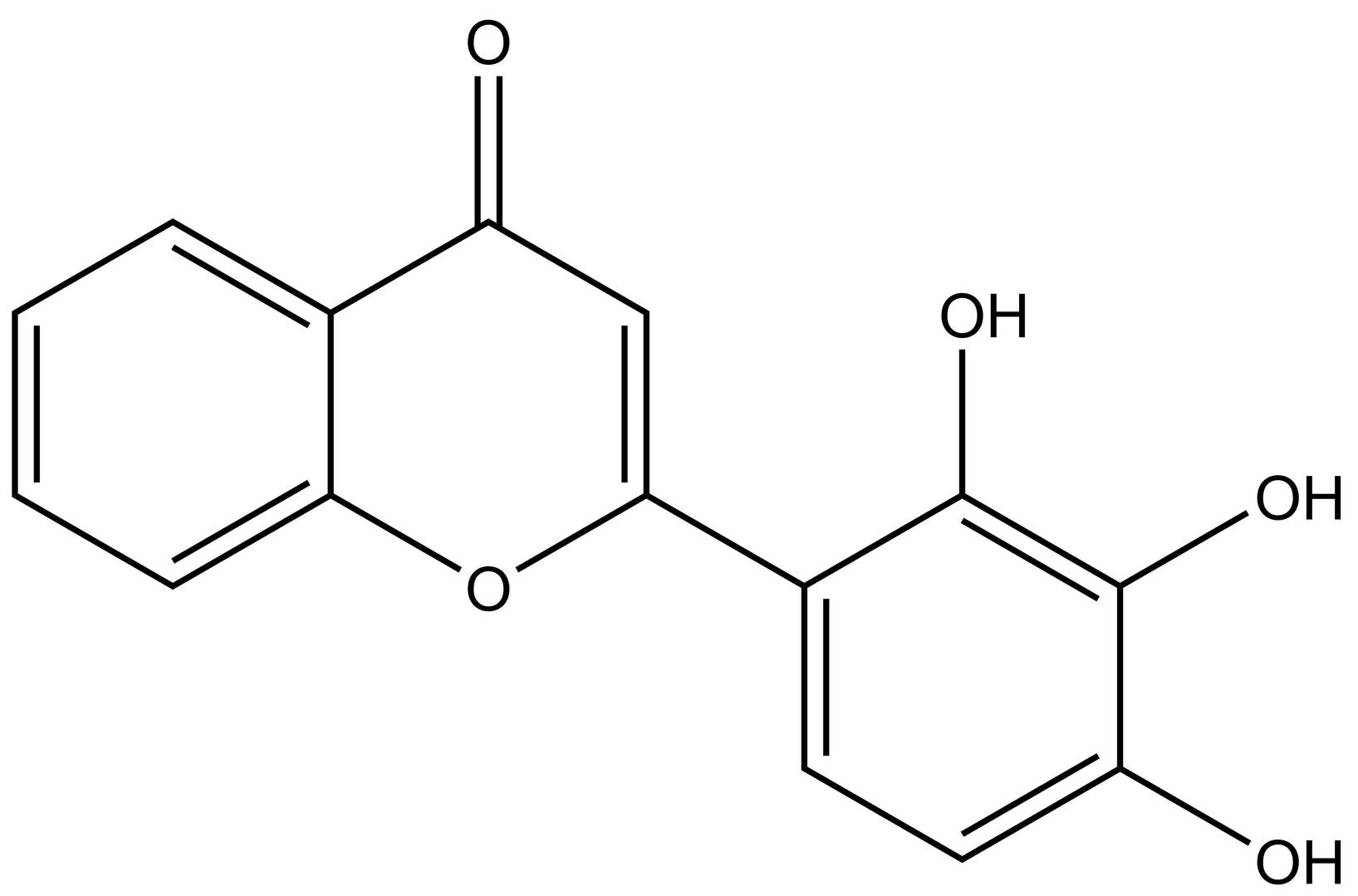
- CAS No.: 700-06-1
- Pathways: Ubiquitination; Apoptosis; Immunology/Inflammation; Metabolism; NF-κB
- Target: p53; NF-κB; E1/E2/E3 Enzyme; Aryl hydrocarbon receptor
- Receptor: Aryl hydrocarbon receptor; E1/E2/E3 Enzyme; NF-κB; p53

- CAS No.: 191732-72-6
- Pathways: Ubiquitin
- Target: Caspase; E3 Ligase ; E3 ligase ligand; TNF-alpha; VEGFR
- Receptor: Caspase; E3 Ligase ; E3 ligase ligand; TNF-alpha; VEGFR
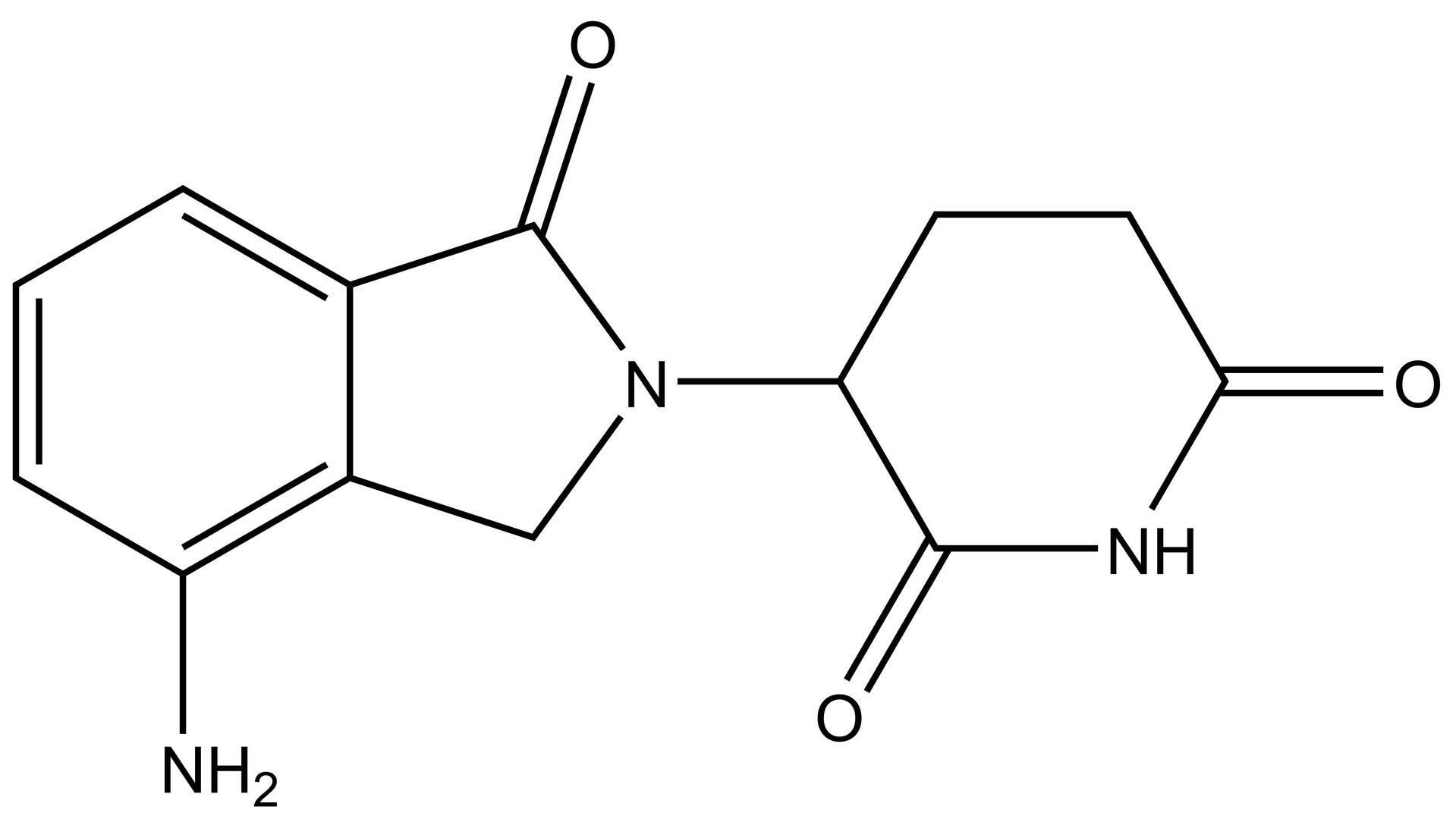
- CAS No.: 50-35-1
- Pathways: Ubiquitin
- Target: E3 Ligase ; E3 ligase ligand; TNF-alpha
- Receptor: E3 Ligase ; E3 ligase ligand; TNF-alpha
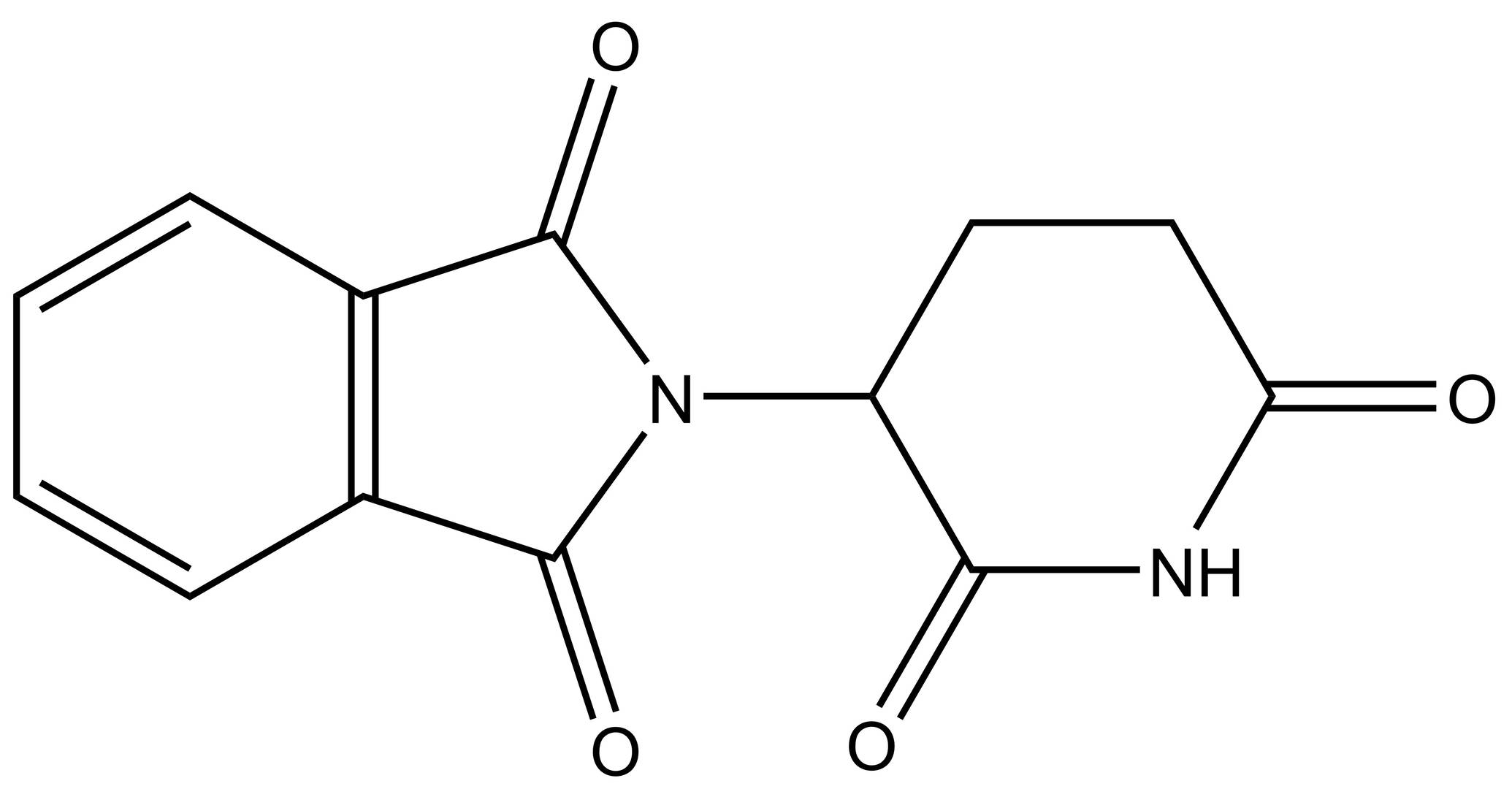
- CAS No.: 19171-19-8
- Pathways: Ubiquitin
- Target: E3 Ligase ; E3 ligase ligand; TNF-alpha
- Receptor: E3 Ligase ; E3 ligase ligand; TNF-alpha
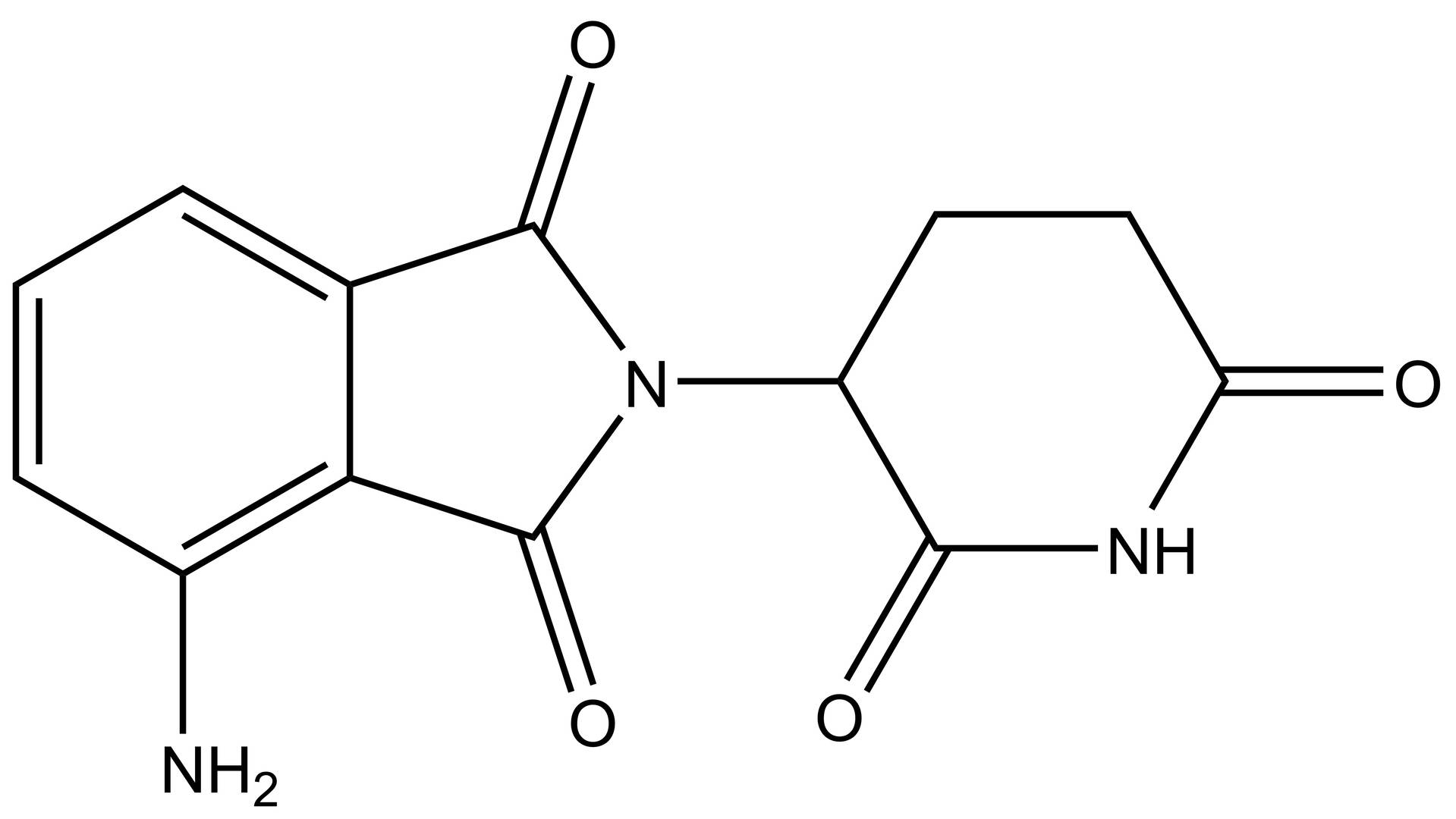
- CAS No.: 144707-18-6
- Pathways: Ubiquitin
- Target: SUMO
- Receptor: SUMO