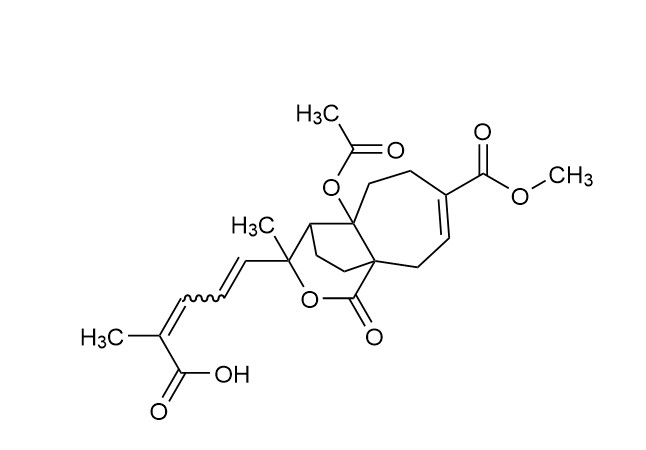
Microbiology/Virology-Targeted Compounds
InquiryOverview
Obesity has become a major health problem worldwide and is closely related to the gut microbiome, metabolic disorders, and chronic diseases. In recent years, research in the fields of microbiology and virology has provided new perspectives on the mechanistic analysis and treatment of obesity. Protheragen offers compounds related to microbiology and virology and is committed to providing high-quality experimental tools and solutions for obesity research. Through our products, researchers are able to deeply explore the complex relationship between the gut microbiome and obesity and develop new therapeutic strategies.
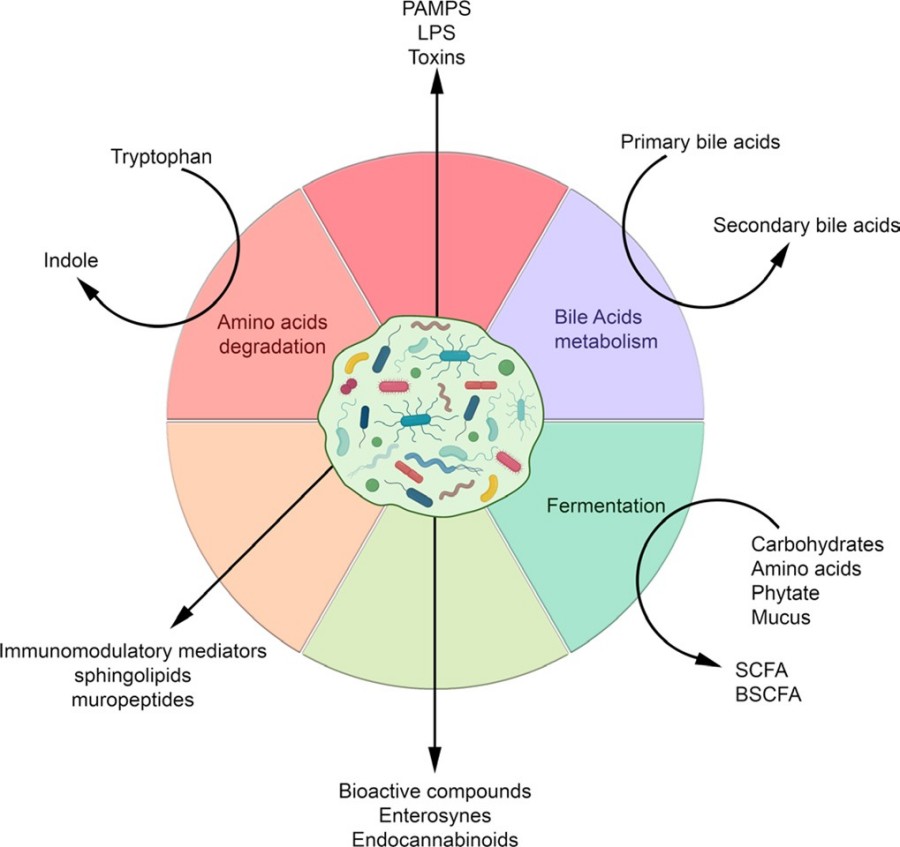 Fig.1 Different types of gut microbial molecules and metabolites. (De Vos, et al., 2022)
Your Trusted Partner for Obesity-Related Compounds
Metabolism-regulating Products

Microbial metabolites affect host energy metabolism, fat storage, and inflammatory responses through a variety of mechanisms, which in turn influence the onset and progression of obesity. For example, microbial metabolites regulate adipocyte differentiation and function by affecting the expression of genes involved in lipid metabolism. Some metabolites promote lipid synthesis or inhibit lipolysis in adipocytes, leading to fat accumulation.
Inhibitors
Our company offers a range of products in the inhibitor category to facilitate our clients' in-depth research in the field of obesity.
- PI3K Inhibitor
|
|
|
|
|
|
- PI3Kα Inhibitor
|
|
|
|
|
|
- p110α Inhibitor
|
|
Enriched Targets
Our high-quality products cover metabolic modulators, antimicrobial components, molecular and signaling pathway tools, which help our clients to analyze the mechanism of microbes/viruses in the development of obesity and accelerate drug target discovery.
|
|
|
|
|
|
|
|
|
|
|
|
|
|
|
|
|
|
|
|
|
|
||
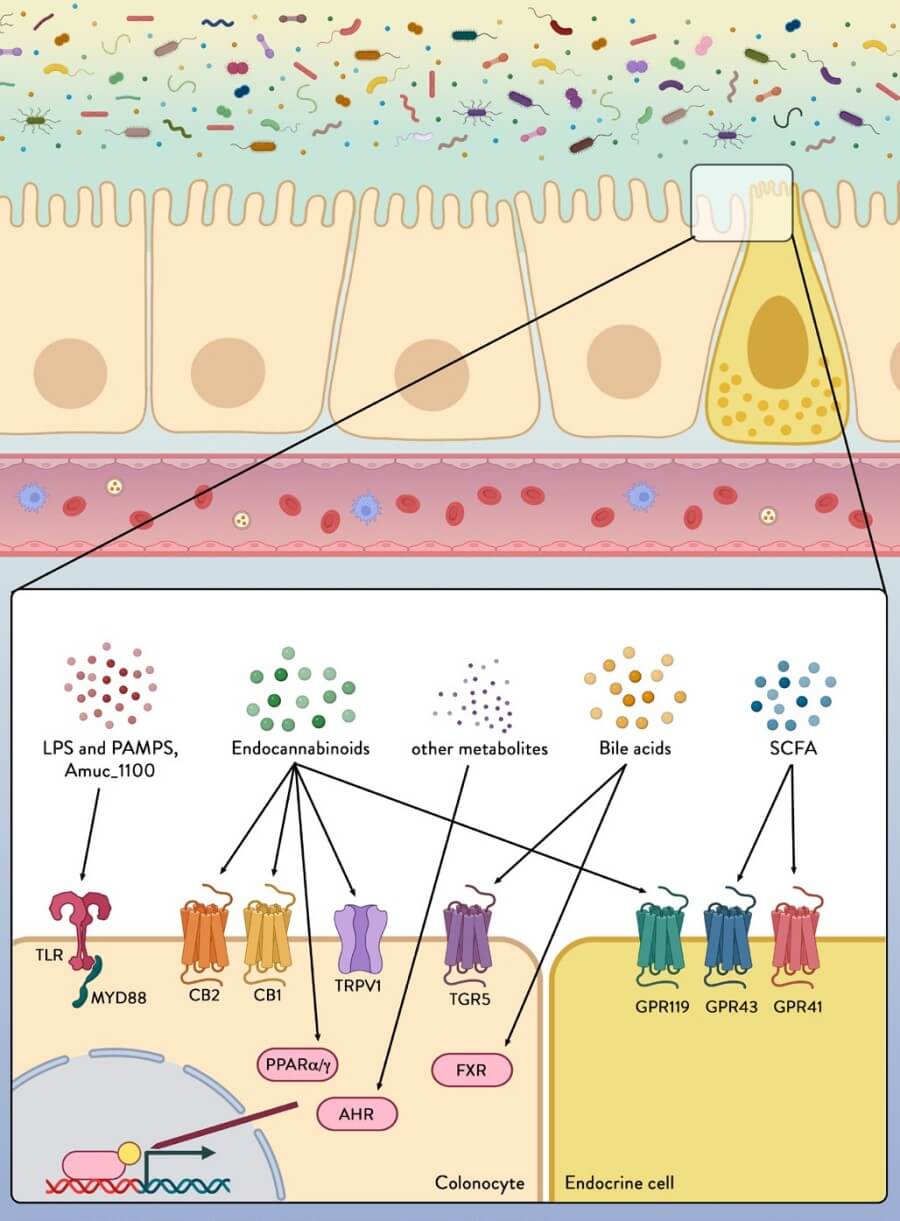 Fig.2 Schematic representation of intracellular receptor expression and environmental signaling. (De Vos, et al., 2022)
Applications
- High-Throughput Screening & Target Discovery: This compound library enables high-throughput screening to rapidly identify and validate novel drug targets in microbiology/virology-related pathways, while screening for drug candidates with metabolic improvement potential.
- Gut Microbiome & Metabolic Regulation: Using molecules from this library, researchers can delve into the complex relationship between the gut microbiome and obesity, elucidating precise regulatory mechanisms by which specific metabolites influence adipocyte differentiation.
- Drug Candidate Efficacy Assessment: Microbiology/virology-related compounds serve as molecular probes or controls for evaluating drug candidates' efficacy in improving obesity-related metabolic indicators (e.g., body weight, blood glucose) across in vitro and in vivo models.
Advantages of Us
Multi-target Coverage
Our products have a multi-dimensional layout from the flora-immunity-metabolism axis, adapting to complex mechanism studies.
Compound Library Screening
We not only provide individual compounds, but also provide obesity-related compound libraries to help our clients with in-depth screening.
Customized Solutions
Our company offers compound screening panels, combination packages, and personalized concentration optimization services.
Publication
Title: Time-restricted feeding mediated modulation of microbiota leads to changes in muscle physiology in Drosophila obesity models
Journal: Aging Cell, 2025
DOI: https://doi.org/10.1111/acel.14382
Summary: Wild-type and obese Drosophila (both high-fat diet-induced and gene-induced models) were used in this study, and sterile Drosophila were generated to exclude natural microbial interference. The researchers analyzed the changes in the composition of the gut microbial community under different feeding conditions by 16S rRNA sequencing. Microbial communities influence skeletal muscle physiology by regulating fat metabolism, protein synthesis, and insulin sensitivity, and microbial imbalances in obese states may exacerbate muscle damage. Supplementation with specific probiotics (e.g., Acetobacter pasteurianus) may be a novel target for restoring muscle function and metabolic health. This study deepens the understanding of the role of the microbial-muscle axis in metabolic homeostasis and provides a scientific basis for the development of intervention strategies for obesity complications based on microbial modulation.
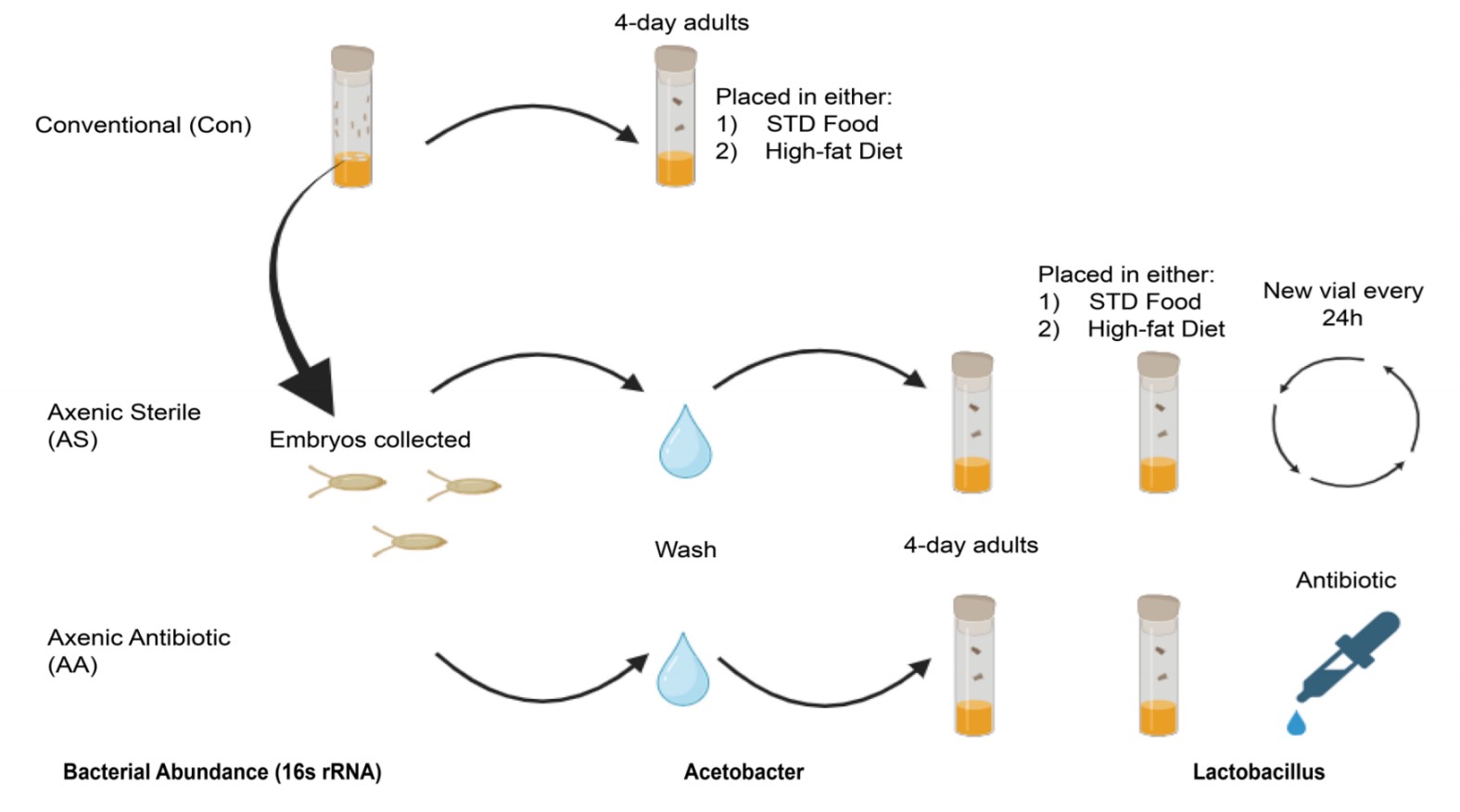 Fig.3 Schematic diagram of different types of Drosophila treatments. (Livelo, et al., 2025)
Customer Review
Gut-Metabolism Axis Discovery
"We precisely investigated the effects of gut microbiota metabolites on hepatic metabolism and obesity pathogenesis using Protheragen's microbiology/virology compound library."— Prof. M* E***
Novel Anti-Obesity Targets
"We are committed to discovering anti-obesity drugs from non-traditional perspectives. This library provides a vast array of molecules targeting microbial metabolic pathways and host factors associated with viral replication, offering us an entirely new screening space."— Dr. T* S***
Frequently Asked Questions
-
How soluble are these products?
Most of the compound is soluble in DMSO, a small portion is soluble in water, and other organic reagents such as pyridine, methanol, and ethanol. According to the client's experimental needs, we provide the most suitable dissolution solution.
-
How can I get more information about anti-obesity compounds?
Our library of anti-obesity compounds has almost 3,000 compounds, containing a wide range of natural products and synthetic compounds suitable for high-throughput screening. You can visit our product pages or contact our service team directly for more information.
-
Is this compound library suitable for broad-spectrum anti-inflammatory or anti-infective activity screening?
Yes. Although optimized for anti-obesity research, the library encompasses a large number of immunomodulatory and antimicrobial molecules, making it equally suitable for broad-spectrum anti-inflammatory, antiviral, or antibacterial activity screening.
Through our microbiology/virology compound products, Protheragen helps our clients explore the molecular mechanisms of obesity more deeply. Combining macro-genomics, metabolomics, and transcriptomics data allows clients to fully resolve the regulatory network of metabolites in obesity. Please feel free to contact us.
References
Microbiology/Virology-Targeted Compounds
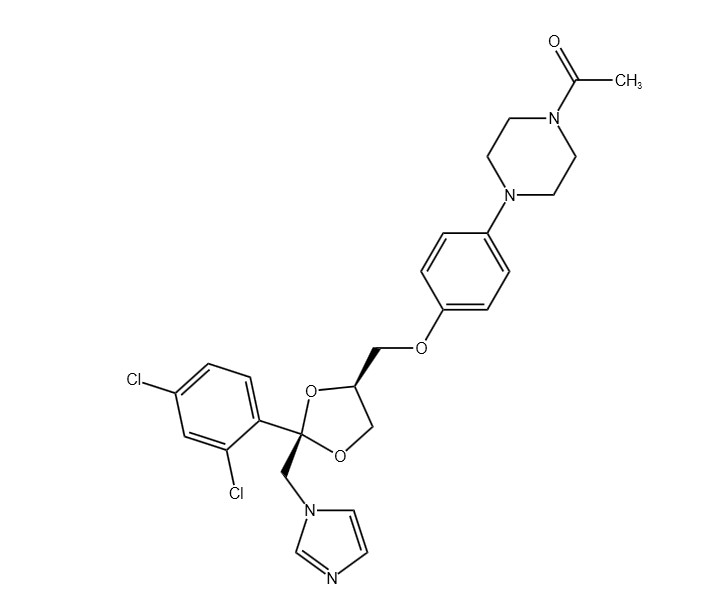
- CAS No.: 65277-42-1
- Pathways: Microbiology/Virology; GPCR/G protein; Metabolism; Immunology/Inflammation; MAPK
- Targets: Hydroxylase; NADPH-oxidase; GTPase superfamily
- Receptors: 12-hydroxylase; 17-hydroxylase; Cyclosporine oxidase; CYP24A1; CYP3A4; Cytochrome P450; Ras; Steroid 21-hydroxylase; Testosterone 6 beta-hydroxylase
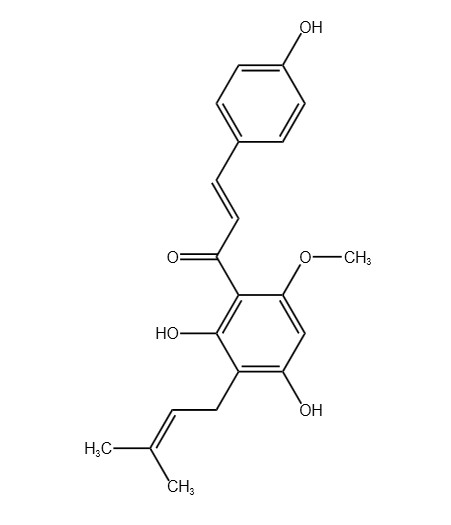
- CAS No.: 6754-58-1
- Pathways: Microbiology/Virology; Metabolism; Apoptosis; Neuronal signaling; Immunology/Inflammation
- Targets: COX family; Acyltransferase
- Receptors: COX-1; COX-2
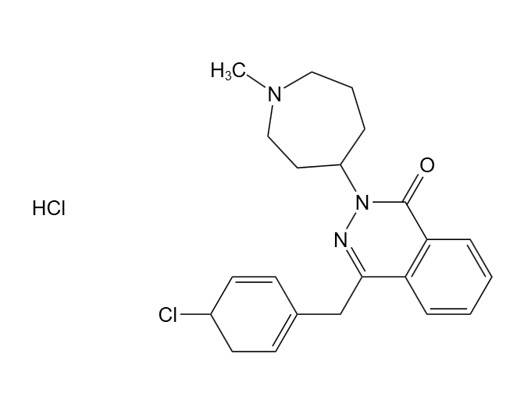
- CAS No.: 79307-93-0
- Pathways: Microbiology/Virology; Neuronal signaling; GPCR/G protein; Immunology/Inflammation
- Targets: Histamine receptor; SARS-CoV
- Receptors: H1 receptor
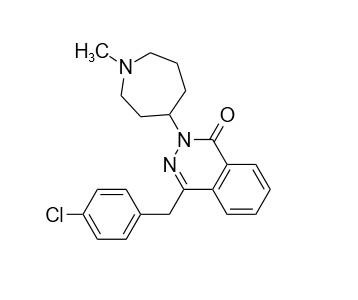
- CAS No.: 58581-89-8
- Pathways: Microbiology/Virology; GPCR/G protein; Immunology/Inflammation; Neuronal signaling
- Targets: Histamine receptor; SARS-CoV
- Receptors: H1 receptor
- CAS No.: 1163-36-6
- Pathways: Microbiology/Virology; Immunology/Inflammation; Neuronal signaling; GPCR/G protein; Proteases/Proteasome; Membrane transporter/Ion channel
- Targets: HCV protease; TRP/TRPV channel; Histamine receptor
- Receptors: TRPC5; H1 receptor; HCV NS4B protein
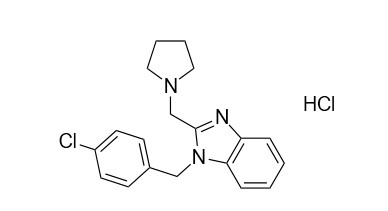
- CAS No.: 442-52-4
- Pathways: Microbiology/Virology; GPCR/G protein; Proteases/Proteasome; Membrane transporter/Ion channel; Immunology/Inflammation; Neuronal signaling
- Targets: Histamine receptor; TRP/TRPV channel; HCV protease
- Receptors: TRPC5; H1 receptor; HCV NS4B protein
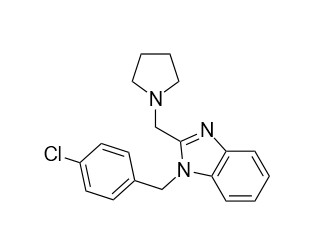
- CAS No.: 5655-61-8
- Pathways: Microbiology/Virology; MAPK; NF-κB
- Targets: MAPK family; Transcription factors
- Receptors: JNK; NF-κB; p38
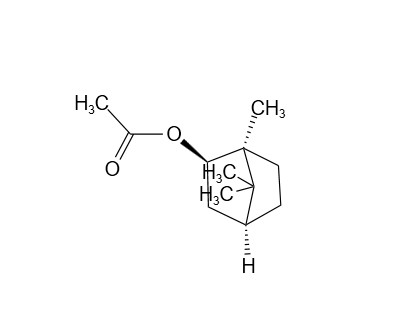
- CAS No.: 531-29-3
- Pathways: Microbiology/Virology
- Targets: Antifungal
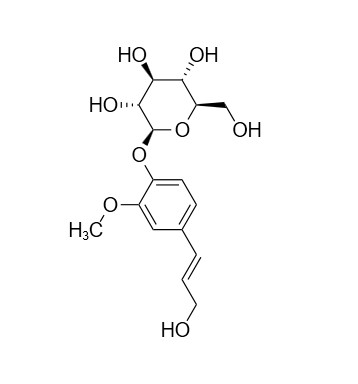
- CAS No.: 6880-91-7
- Pathways: Microbiology/Virology
- Targets: Antifungal
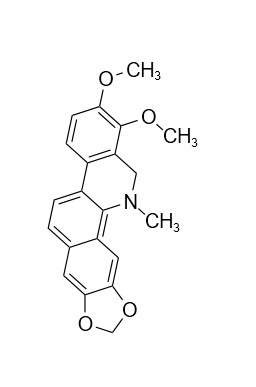
- CAS No.: 82508-31-4
- Pathways: Microbiology/Virology; MAPK; Apoptosis; Autophagy
- Targets: p38 MAPK; Ferroptosis; HBV