NF-κB-Targeted Compounds
InquiryOverview
The NF-κB signaling pathway is a key molecular mechanism that regulates inflammation, immune response, and metabolism, and is widely involved in the occurrence and development of many metabolic diseases, including obesity, diabetes, and cardiovascular disease. Protheragen offers a range of compound products related to NF-κB signaling, covering inhibitors, agonists, and related tools for scientific research on obesity and related metabolic diseases.
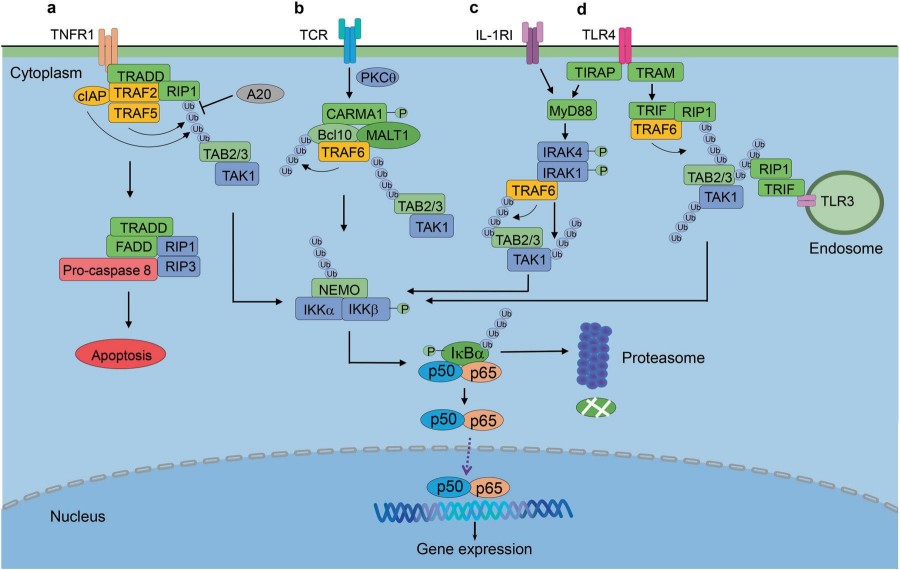 Fig.1 Activation and regulation of the canonical NF-κB pathway. (Yu, et al., 2020)
Highly Targeted NF-κB Products to Boost Your Programs
Features
- NF-κB Inhibitors: We offer inhibitors that can be used to block IκB kinase (IKK) activity or inhibit p65 nuclear translocation and NF-κB signaling activation.
- NF-κB Activators: We offer activators that induce pathway activation by mimicking upstream signals (e.g., TNF-α, LPS) or directly targeting the NF-κB complex.
- IKKβ Inhibitors: We offer IKKβ inhibitors that reverse obesity and insulin resistance by inhibiting IKKβ activation and blocking the downstream NF-κB signaling pathway.
- Natural source compounds: We provide some natural source compounds, such as levomefolic acid, arecoline, and isochlorogenic acid A, that exert anti-inflammatory and anti-obesity effects by modulating the NF-κB signaling pathway.
- Specific modulators: We offer specific modulation is agents that are selective interventional molecules against NF-κB isoforms (e.g., p50, p65) or downstream target genes.
Targets
Our detailed classification of targets covers a full range of research dimensions from gene regulation to cellular signaling pathways to complex metabolic network interactions. These targets, by virtue of their unique biological properties and potential mechanisms of action, strongly contribute to the in-depth advancement of our clients' research in this area of obesity.
|
|
|
|
|
|
|
|
|
|
|
|
|
|
|
|
|
|
|
|
|
|
|
|
|
|
|
|
|
|
|
|
|
|
|
|
|
|
|
|
|
|
|
|
|
|
|
|
Applications
- Inflammation-related Disease Research: Our products can be used to explore the role of the NF-κB signaling pathway in chronic inflammatory diseases (e.g., colitis, atherosclerosis).
- Diabetes and Insulin Resistance Research: Our products can be used to study the role of the NF-κB signaling pathway in the pathogenesis of insulin resistance and diabetes mellitus.
- Obesity Research: Our products can be used to study the mechanism of action of the NF-κB signaling pathway and its effects on inflammation and metabolism in high-fat diet-induced obesity models.
Advantages of Us
Efficacy
Our compounds have been rigorously screened and validated to have significant NF-κB signaling regulatory activity, which effectively improves obesity-related inflammation and metabolic disorders
Diversity
Our company offers a wide range of sources and types of compounds, covering both natural products and synthetic molecules, to meet different research needs.
Broad Coverage & Precise Intervention
Our products offer broad coverage of targets and receptors while enabling precise targeted interventions, providing substantial support for your research to advance mechanism elucidation and drug discovery efforts.
Publication
Title: Portulaca oleracea L.(purslane) extract ameliorates intestinal inflammation in diet-induced obese mice by inhibiting the TLR4/NF-κB signaling pathway
Journal: Frontiers in Pharmacology, 2025
DOI: https://doi.org/10.3389/fphar.2024.1474989
Summary: This study found that Portulaca oleracea L. (purslane) extract treatment significantly reduced the expression levels of toll-like receptor 4 (TLR4), myeloid differentiation factor 88 (MyD88), phosphorylated NF-κB inhibitor alpha (IκBα), and phosphorylated p65 in intestinal tissues of high-fat diet-induced obese (DIO) mice, suggesting that it inhibited the TLR4/NF-κB signaling pathway. P. oleracea L. (purslane) extract treatment significantly ameliorated the pathologic damage of small intestinal tissues in DIO mice, including an increase in the ratio of villus length to crypt depth, suggesting that it maintained the integrity of the small intestinal mucosa. The present study not only revealed the anti-inflammatory potential of P. oleracea L. (purslane) extract but also further elucidated the mechanism of its anti-inflammatory effects through the inhibition of the TLR4/NF-κB signaling pathway.
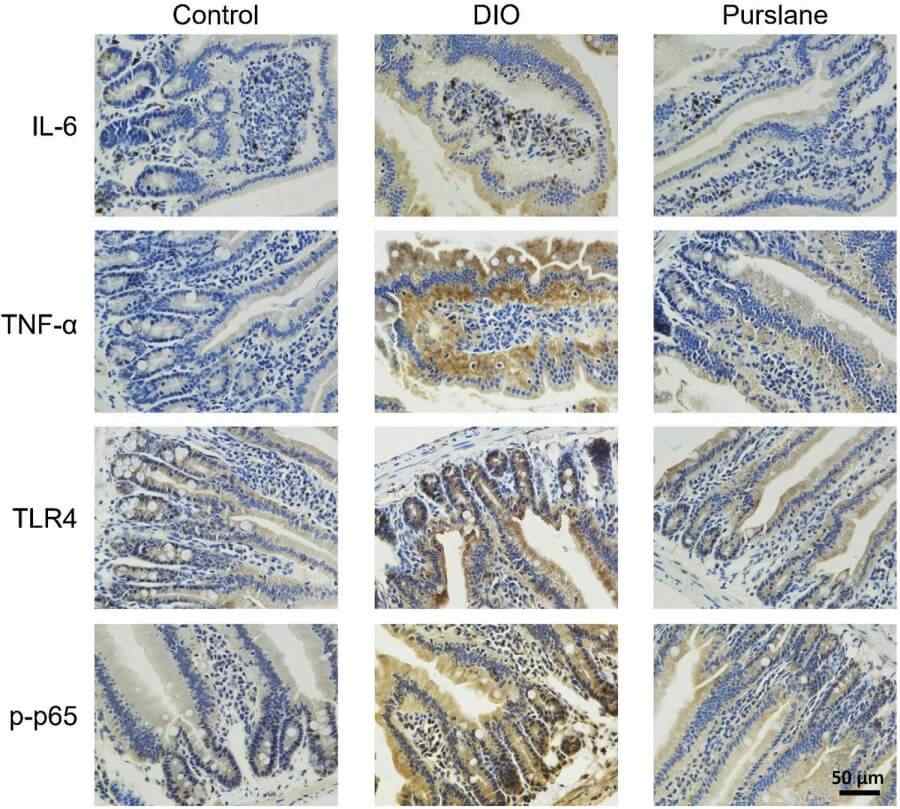 Fig.2 Representative immunohistochemical images. (Miao, et al., 2025)
Customer Review
Master Regulator Dissection
"We employed Protheragen's NF-κB compound library to investigate chronic inflammation in adipose tissue. This library offers multiple selective inhibitors, enabling precise targeting and suppression of core nodes in inflammatory signaling pathways, significantly enhancing the specificity of experimental data."— Prof. R* Z***
Targeting Cross-Talk Mechanism
"The molecular combinations provided by Protheragen's NF-κB compound library helped us systematically screen several compounds, offering structural insights for optimizing multi-targeted anti-obesity molecules."— Dr. M* S***
Frequently Asked Questions
-
Which is the main signaling activation mechanism involved in the NF-κB pathway?
- Classical pathway: mainly responds to inflammatory and immune signals and relies on IκB kinase complex (IKK) activation, especially IKKβ activation, which leads to phosphorylated and degradation of IκB and release of NF-κB (mostly p50/RelA dimers) into the nucleus.
- Non-classical pathway: mainly responds to cytokine stimulation such as CD40L, B-cell activating factor (BAFF), etc., and relies on the activation of NF-κB-inducible kinase (NIK) with IKKα, which partially degrades p100 to p52 and forms a dimer with RelB in the nucleus.
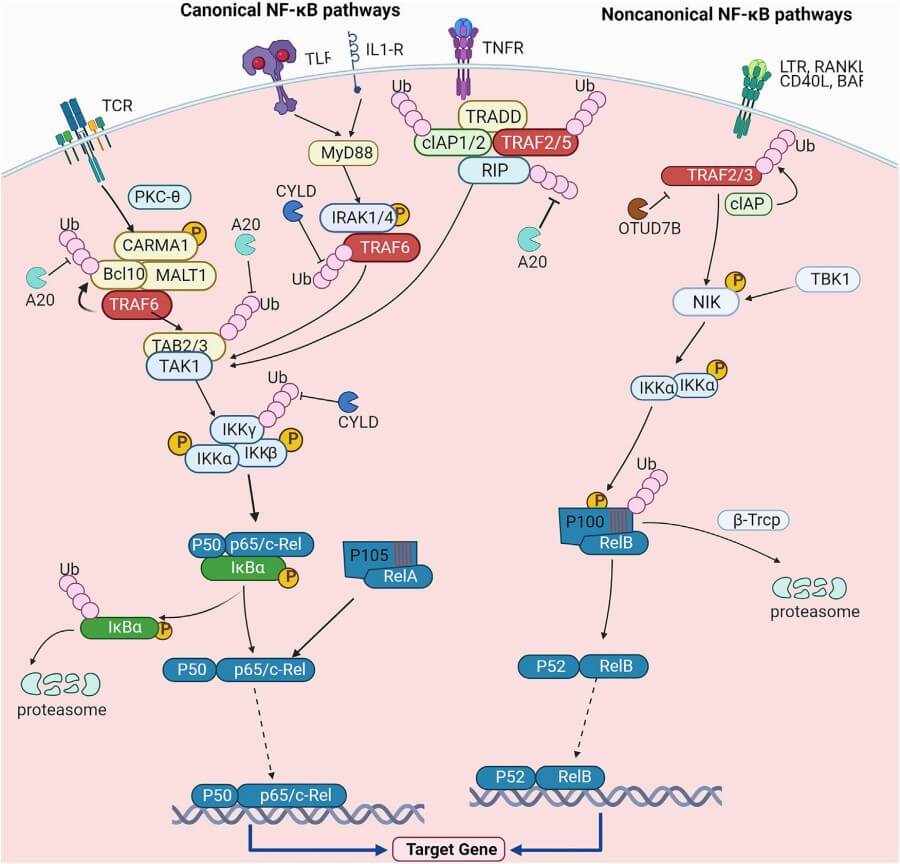 Fig.3 Activation of canonical and noncanonical NF-κB pathways. (Zhang, et al., 2021)
 -
What does the structural composition of NF-κB subfamily proteins and IκB family proteins look like?
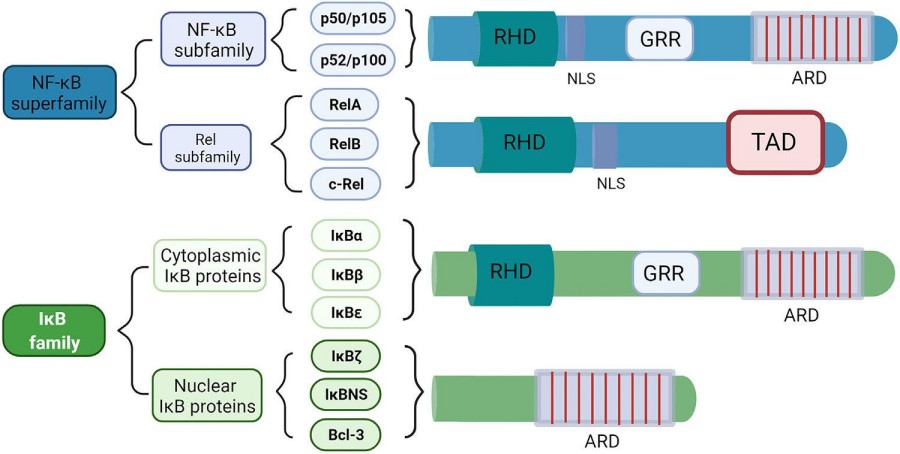 Fig.4 Schematic structures of NF-κB subfamily proteins, Rel subfamily proteins, and IκB family proteins. (Zhang, et al., 2021)
 -
How are the recommended storage conditions and batch stability of this compound library ensured?
Our compounds are typically delivered in solution form. All batches undergo rigorous quality control and stability testing to ensure exceptional batch-to-batch consistency. We provide comprehensive QC traceability reports to guarantee the high reproducibility and reliability of your data throughout long-term research.
Protheragen is committed to providing obesity researchers with one-stop research tools to aid research from mechanism exploration to drug development. Our experienced research team is ready to serve you. Please feel free to contact us!
Reference
- Miao, L.; et al. Portulaca oleracea L.(purslane) extract ameliorates intestinal inflammation in diet-induced obese mice by inhibiting the TLR4/NF-κB signaling pathway. Frontiers in Pharmacology. 2025, 15: 1474989. (CC BY 4.0)
- Zhang, T.; et al. NF-κB signaling in inflammation and cancer. MedComm. 2021, 2(4): 618-653. (CC BY 4.0)
- Yu, H.; et al. Targeting NF-κB pathway for the therapy of diseases: mechanism and clinical study. Signal Transduction and Targeted Therapy. 2020, 5(1): 209. (CC BY 4.0)
NF-κB-Targeted Compounds
- CAS No.: 24577-90-0
- Pathways: NF-κB; Stem cells; MAPK
- Targets: MAPK family; Transcription factors ; TGF-beta/Smad
- Receptors: ERK; NF-κB; TGF-β receptor
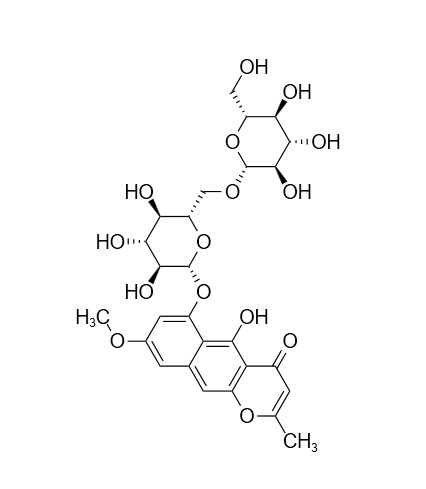
- CAS No.: 2050-87-5
- Pathways: NF-κB; Metabolism; Immunology/Inflammation; Apoptosis; Microbiology/Virology
- Targets: Reactive oxygen species
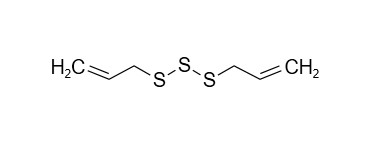
- CAS No.: 362-07-2
- Pathways: NF-κB; Autophagy; Angiogenesis; Chromatin/Epigenetic; Apoptosis; Immunology/Inflammation; Metabolism; Cytoskeletal signaling
- Targets: Reactive oxygen species; HIF; Microtubule associated
- Receptors: HIF-1α; HIF-2α; Microtubule depolymerization; Microtubule/Tubulin
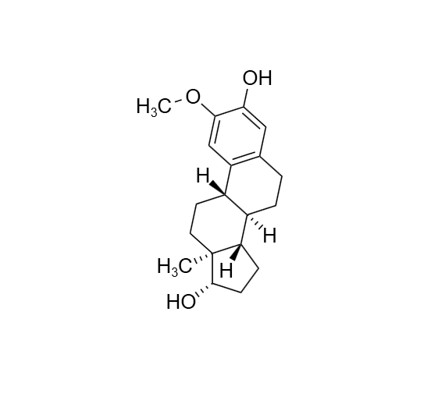
- CAS No.: 546-80-5
- Pathways: NF-κB; Neuronal signaling; Membrane transporter/Ion channel; Autophagy; Immunology/Inflammation; Apoptosis; Metabolism; Microbiology/Virology
- Targets: Ligand-gated ion channels; Neurotransmitter receptors
- Receptors: AChR; GABAA receptor
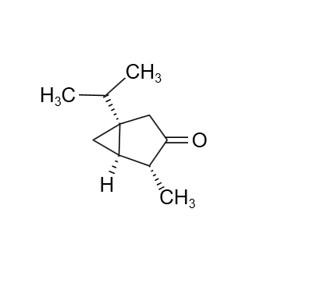
- CAS No.: 624-49-7
- Pathways: NF-κB; Microbiology/Virology; Autophagy; Metabolism; Immunology/Inflammation; Proteases/Proteasome
- Targets: Transcription factors/regulators; Viral enzymes
- Receptors: Endogenous metabolite; KEAP1-Nrf2; Reactive oxygen species
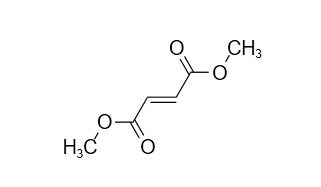
- CAS No.: 75288-96-9
- Pathways: NF-κB; DNA damage/DNA repair; Cell cycle/Checkpoint; Metabolism; Microbiology/Virology
- Target: Parasite protein; NF-κB; DNA/RNA synthesis; Lipoxygenase
- Receptor: AP-1; LOX; NF-κB; Parasite protein

- CAS No.: 38953-85-4
- Pathways: NF-κB; MAPK; Metabolism
- Target: NF-κB; JNK; Glucosidase
- Receptor: NF-κB; JNK; Glucosidase
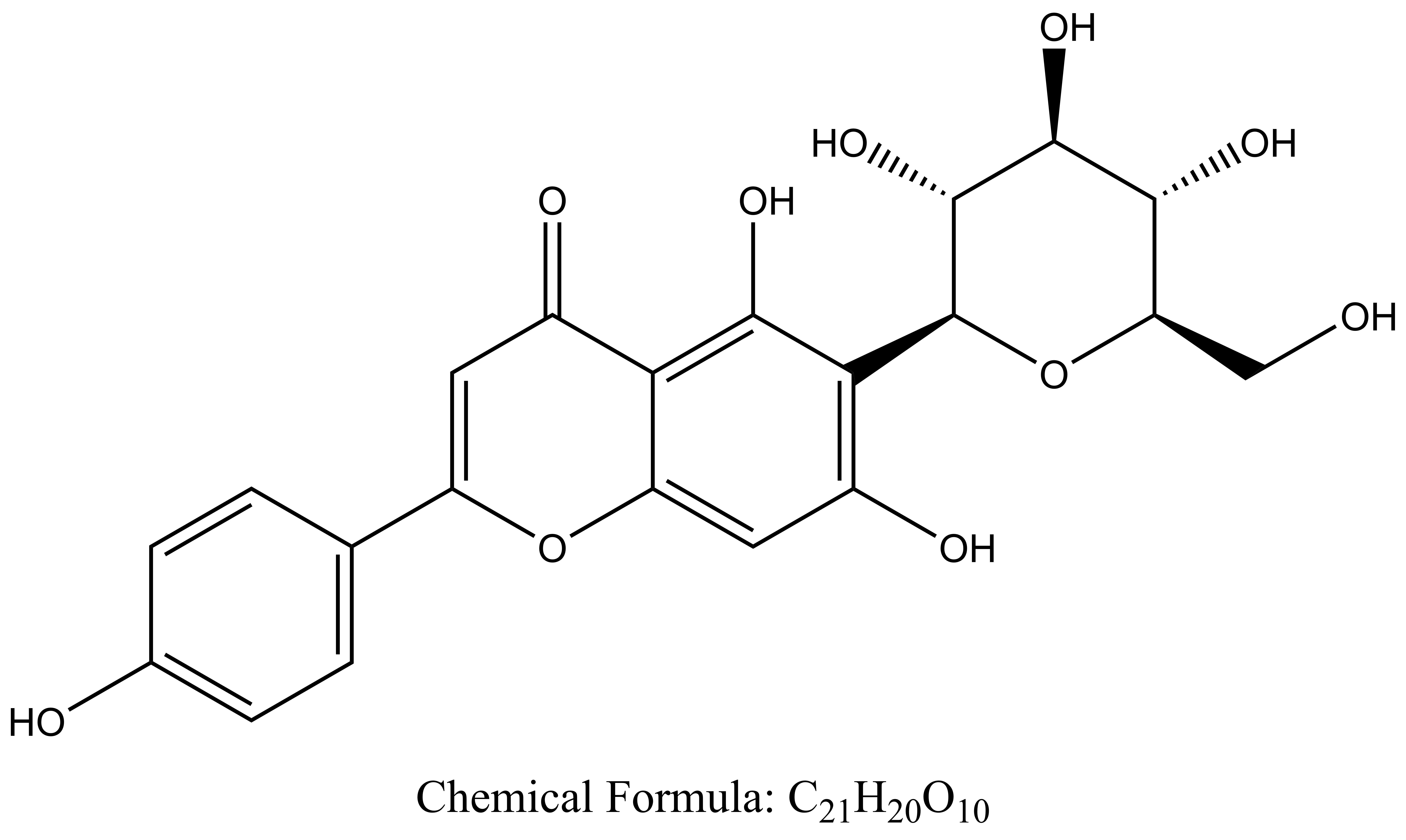
- CAS No.: 1088-17-1
- Pathways: NF-κB; MAPK; Neuronal signaling
- Target: ERK; NF-κB; AChE
- Receptor: ERK; NF-κB; AChE
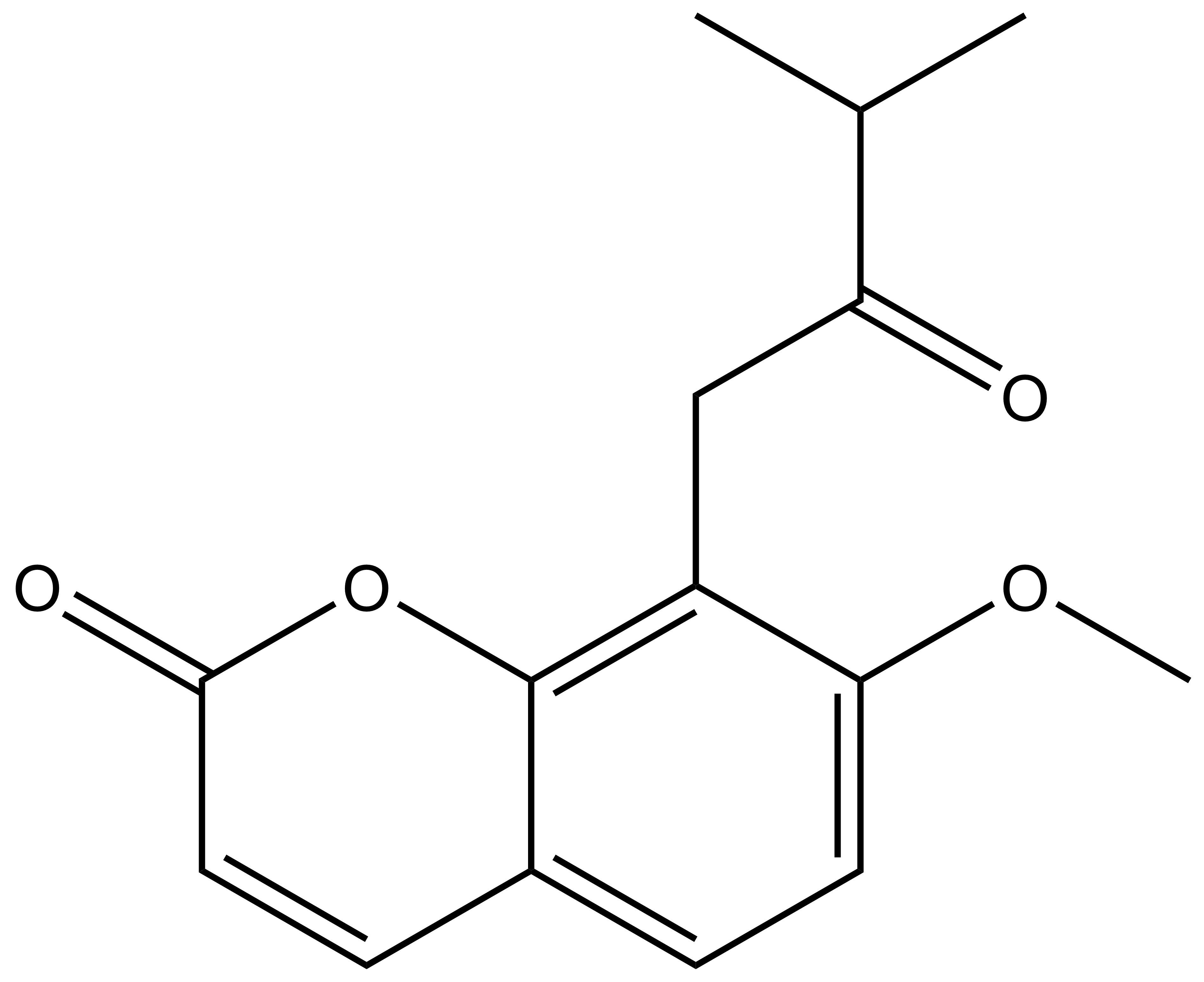
- CAS No.: 63-75-2
- Pathways: NF-κB; Immunology/Inflammation; Metabolism; Neuronal signaling
- Target: AChR
- Receptor: Nicotinic receptor; AChR
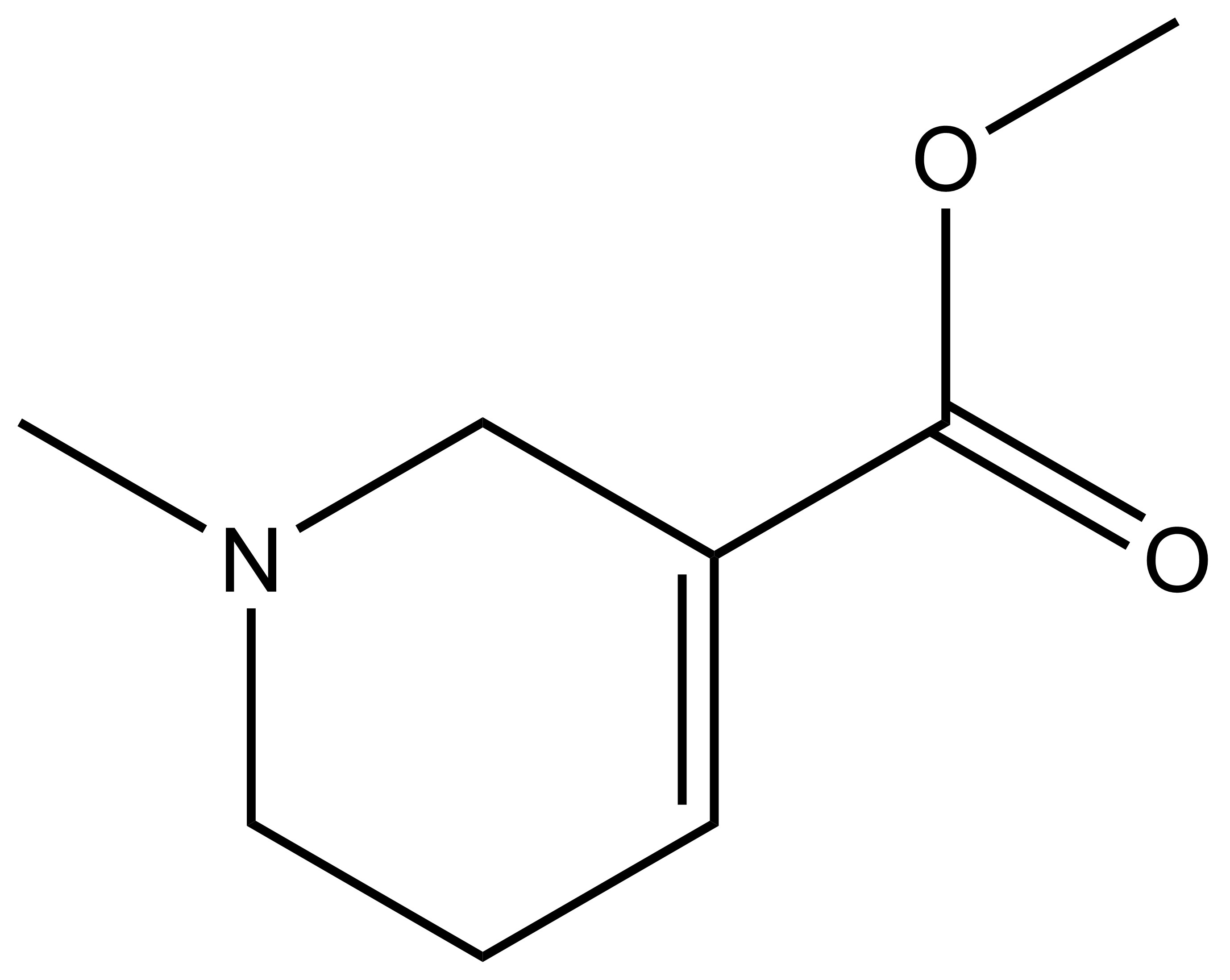
- CAS No.: 85643-19-2
- Pathways: NF-κB; Stem cell regulation; Oxidation-reduction; JAK/STAT signaling; Tyrosine kinase/adaptors
- Target: JAK; NF-κB; STAT
- Receptor: JAK; NF-κB; STAT