MAPK-Targeted Compounds
InquiryOverview
MAPK is a key mediator of mammalian signaling, which is involved in communicating signals from the outside to the inside of the cell and regulates a variety of important physiological processes, including cell growth, differentiation, stress, and inflammatory responses. Obesity is accompanied by insulin resistance, and the MAPK signaling pathway is closely involved in the development of insulin resistance. The activation of the APK downstream transcription factors by phosphorylation initiates obesity-related physiological processes, including adipogenesis, glucose homeostasis, and thermogenesis. In addition, inflammatory genes were enriched in the MAPK pathway in macrophages, suggesting that insulin resistance occurring in adipose tissue may be associated with obesity-induced chronic inflammation. According to clients' research needs, Protheragen offers various types of compounds related to the MAPK signaling pathway.
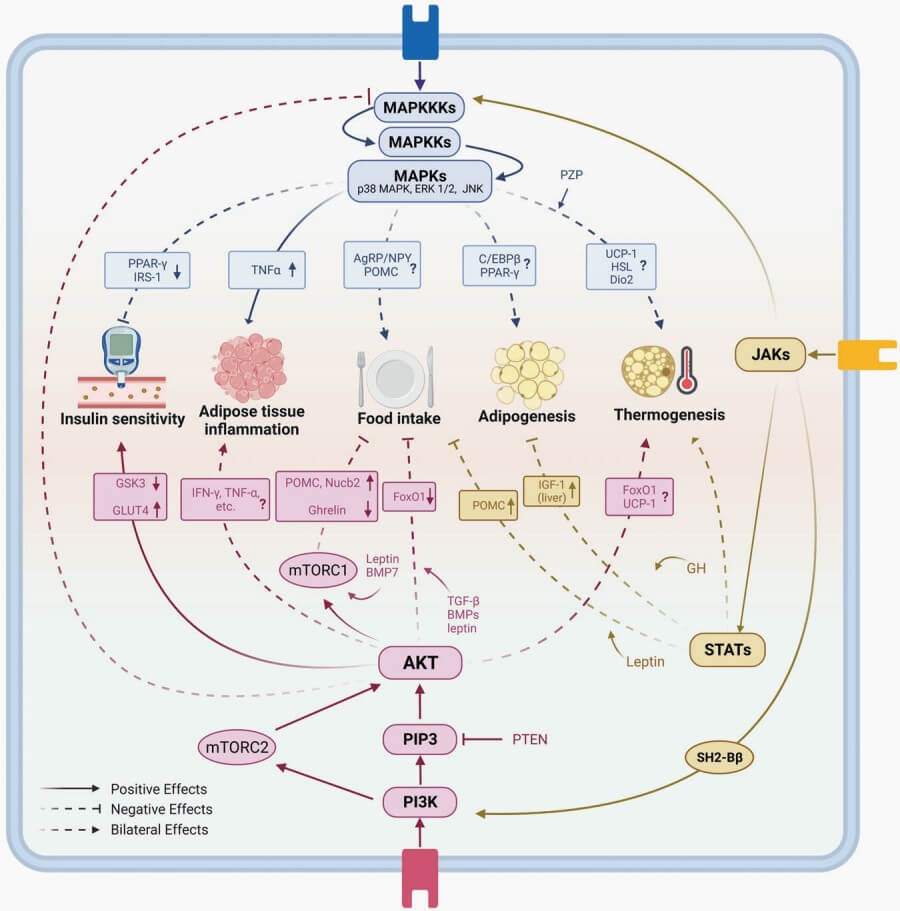 Fig.1 MAPK signaling pathway in obesity pathogenesis. (Wen, et al., 2018)
MAPK Signaling Pathways in the Pathogenesis of Obesity
Our company provides a variety of inhibitors, agonists, and small molecules for key nodes of the MAPK pathway, covering multiple levels of MAPKKK, MAPKK, and MAPK to meet the needs of different research directions.
Studies targeting the MAPK signaling pathway have revealed a variety of potential therapeutic targets. For example, p38 MAPK inhibitors have been shown to have potential in anti-inflammatory and anti-tumor areas, while inhibitors targeting JNK and ERK1/2 may be used to improve insulin sensitivity and metabolic disorders. Our products have a wide range of targets for clients to choose from. Our targets include, but are not limited to:
|
|
|
|
|
|
|
|
|
|
|
|
|
|
|
|
|
|
|
|
|
|
|
|
|
|
|
|
|
|
|
|
|
|
|
|
|
|
|
|
|
|
|
|
|
|
|
|
|
|
|
|
|
|
|
|
|
|
|
|
|
|
|
|
|
|
|
|
|
|
Applications
- Obesity and Metabolic Disease Research: Our product investigates the role of the MAPK pathway in obesity-induced metabolic disorders by activating or inhibiting it.
- Metabolic Pathway Regulation Studies: Our products can be used to study the interaction of MAPK with other metabolic signaling pathways (e.g., AMPK, insulin signaling pathway).
- Cellular Experiments and Animal Models: Our products can be used in vitro cellular experiments and in vivo animal models to explore the effects of the MAPK pathway on lipid metabolism.
Advantages of Us
Wide Selection of Compounds
Our products cover key kinases in the MAPK pathway (e.g., ERK1/2, JNK, p38 MAPK) and their inhibitors, which are suitable for different experimental needs.
Trusted Production Process
Our production team has the experience and reliable tools to help clients with micro and high-volume product production.
Wide Range of Applications
Our products are suitable for cellular experiments, animal models, and in vitro studies, supporting the whole chain of research from basic research to drug development.
Publication
Title: Proteomic profiling of endometrioid endometrial cancer reveals differential expression of hormone receptors and MAPK signaling proteins in obese versus non-obese patients
Journal: Oncotarget, 2017
DOI: https://doi.org/10.18632/oncotarget.22203
Summary: In this study, researchers analyzed protein expression in tumor tissues by RPPA technology and validated cross-platform using gene expression profiling and immunohistochemistry. Moreover, researchers further assessed the correlation between body mass index (BMI) and the protein expression of hormone receptors and MAPK signaling pathways. It was found that non-obese patients had higher levels of p-MAPK. Obese patients had higher levels of p-ERα and were enriched for gene signatures associated with estrogen signaling, inflammation, immune signaling, and hypoxia. MAPK pathway activation was higher in non-obese patients, which may be related to the complex signaling network mediated by obesity.
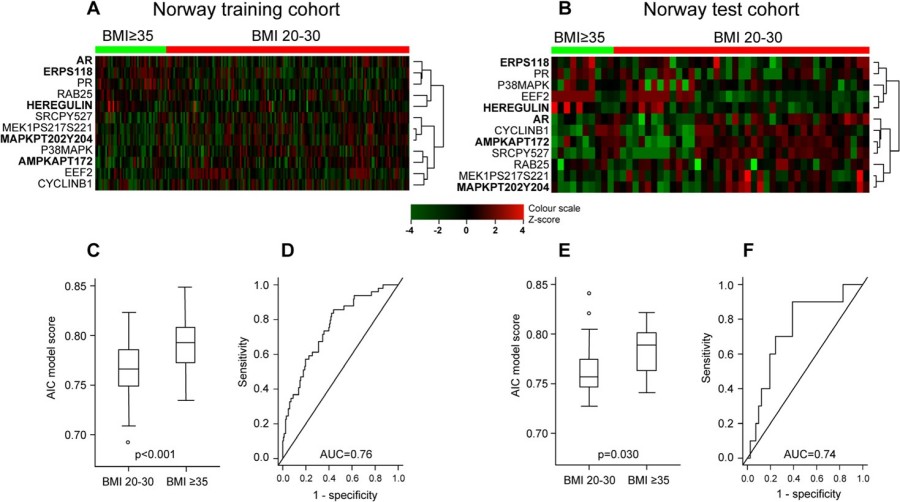 Fig.2 Differences in protein expression patterns in endometrial cancers with different BMIs. (Mauland, et al., 2017)
Customer Review
Pinpoint Inflammation Mechanism
"Screening and research utilizing Protheragen's MAPK compound library has deepened our understanding of inflammatory signaling pathways and accelerated validation of key targets."— Prof. A* K***
Comprehensive Screening Power
"The diverse Protheragen MAPK compound library proved invaluable for analyzing MAPK pathways and lipid metabolism. Its breadth and depth saved our research team significant time."— Dr. L* T***
Frequently Asked Questions
-
Are these compounds suitable for cell models?
Yes, our compounds are optimized for use in a variety of cell lines, including adipocytes, hepatocytes, and more.
-
What is the main difference between the AMPK signaling pathway and the MAPK signaling pathway?
The AMPK signaling pathway is mainly involved in cellular metabolic regulation and energy homeostasis, while the MAPK signaling pathway is mainly involved in cell proliferation and survival regulation. They have obvious differences in function and regulatory mechanisms.
-
Does the purchased compound library provide a complete QC traceability report?
Yes, we provide a comprehensive quality control (QC) traceability report, including detailed structural, bioactivity, and other relevant information. This traceable data ensures the compounds' high purity and structural accuracy.
Relying on years of experience in obesity research, Protheragen provides clients with the most suitable products for MAPK signaling regulation studies. If you don't find what you need, don't worry. Feel free to contact us to help you!
References
- Mauland, K.K.; et al. Proteomic profiling of endometrioid endometrial cancer reveals differential expression of hormone receptors and MAPK signaling proteins in obese versus non-obese patients. Oncotarget. 2017, 8(63): 106989. (CC BY 4.0)
- Wen, X.; et al. Signaling pathways in obesity: mechanisms and therapeutic interventions. Signal Transduction and Targeted Therapy. 2022, 7(1): 298. (CC BY 4.0)
MAPK-Targeted Compounds
- CAS No.: 729605-21-4
- Pathways: MAPK; GPCR/G protein
- Targets: Ras
- CAS No.: 2328073-61-4
- Pathways: MAPK; Proteases/Proteasome; GPCR/G protein
- Targets: Serine protease; Ras
- Receptors: STK19
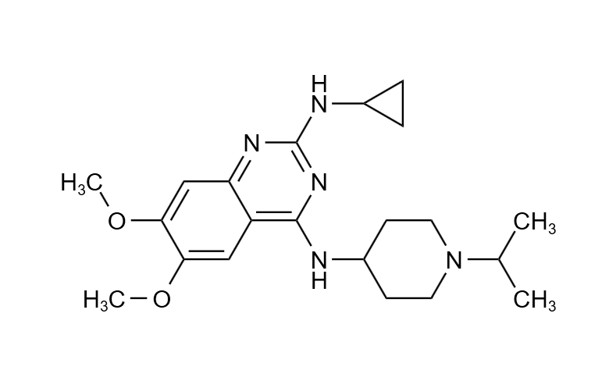
- CAS No.: 1360705-96-9
- Pathways: MAPK; GPCR/G protein; Oxidation-reduction; Apoptosis; Metabolism
- Targets: Ras; Metabolic enzymes; Glutathione peroxidase
- Receptors: Gpx4
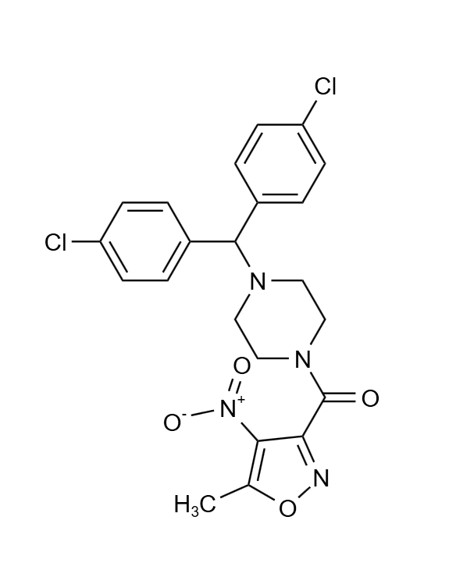
- CAS No.: 754240-09-0
- Pathways: MAPK; Cell cycle/Checkpoint; GPCR/G protein
- Targets: Ras; Rho
- Receptors: Rac1; Rac1b; Rac2; Rac3
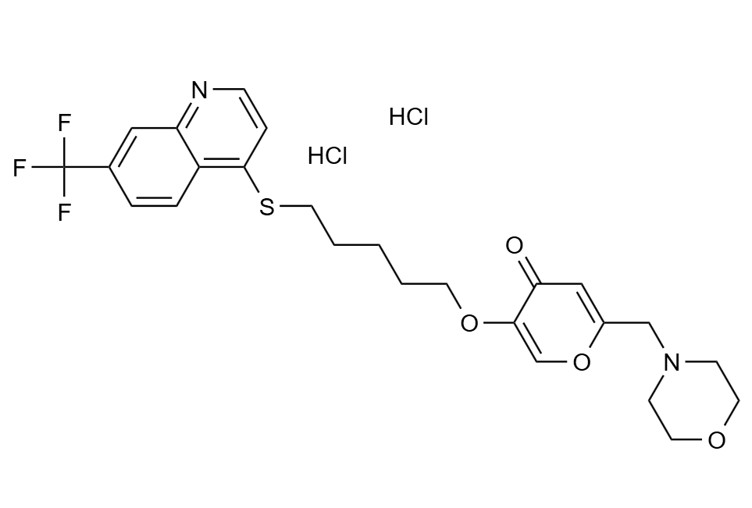
- CAS No.: 1207113-88-9
- Pathways: Cell cycle/Checkpoint; GPCR/G protein; MAPK; Rho/MRTF/SRF signaling
- Targets: Rho; Ras
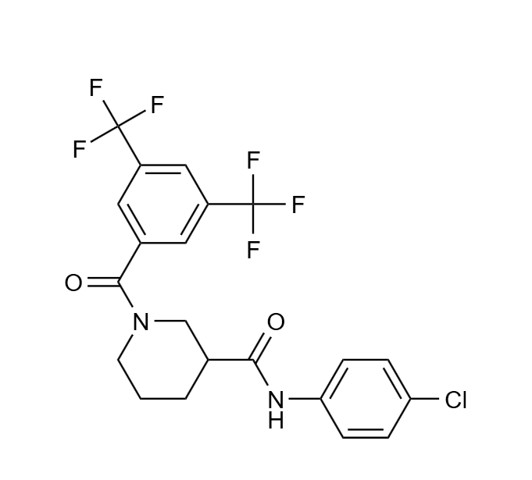
- CAS No.: 1922098-69-8
- Pathways: MAPK; GPCR/G protein; Cell cycle/Checkpoint; Stem cells; Cytoskeletal signaling
- Targets: GTPase superfamily; Serine/threonine kinases
- Receptors: Ras; Rho; ROCK
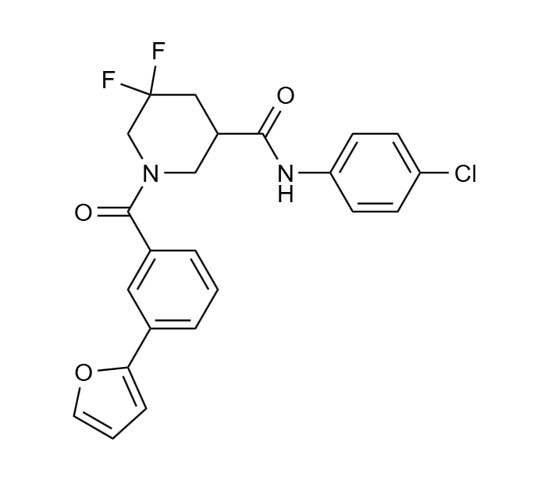
- CAS No.: 1629268-00-3
- Pathways: MAPK; Apoptosis; GPCR/G protein
- Targets: Apoptosis; Raf; Ras
- Receptors: K-Ras(G12C)
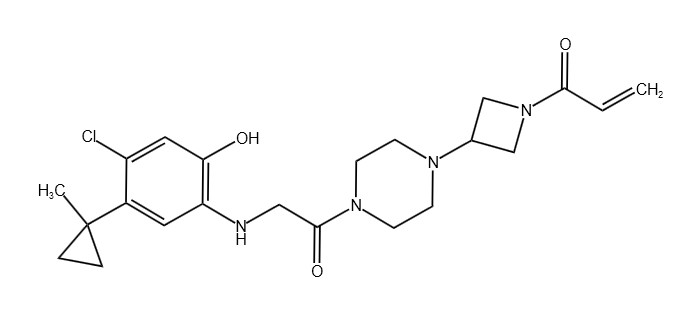
- CAS No.: 193275-84-2
- Pathways: MAPK; GPCR/G protein; Autophagy; Metabolism
- Targets: Ras; Raf; Autophagy; Transferase
- Receptors: Autophagy; Farnesyl Transferase; H-ras; K-ras-4B; N-ras; Ras
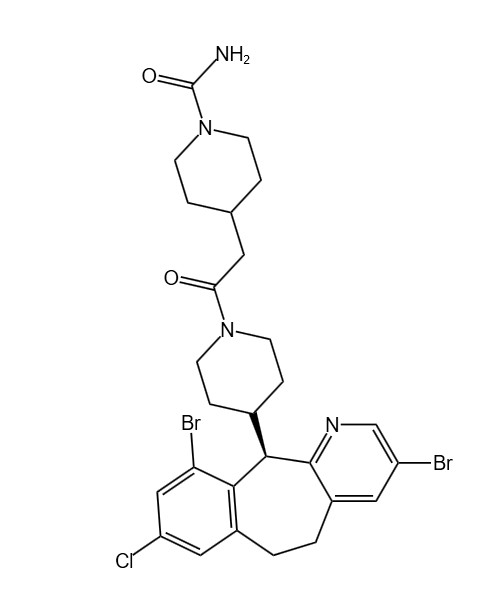
- CAS No.: 16616-39-0
- Pathways: MAPK; Cell cycle/Checkpoint; GPCR/G protein
- Targets: GTPase superfamily
- Receptors: Rac GTPase; Ras
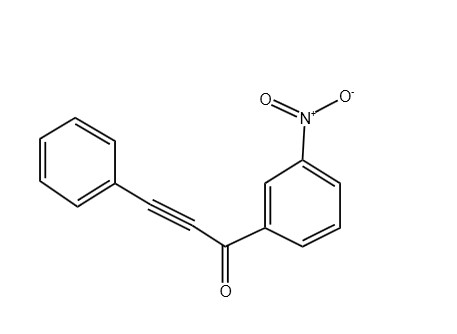
- CAS No.: 75629-57-1
- Pathways: MAPK; Apoptosis; GPCR/G protein
- Targets: GTPase superfamily
- Receptors: K-Ras