GPCR/G Protein-Targeted Compounds
InquiryOverview
G protein-coupled receptors (GPCRs) are the largest and most diverse group of membrane receptors in eukaryotes. They act as "inboxes" for information on the cell surface, sensing information in the form of light energy, peptides, lipids, sugars, and proteins, and regulating cellular responses to environmental stimuli. There are nearly 1,000 different GPCRs in the human body, which are involved in almost all life activities and are essential for maintaining life and health. Therefore, GPCRs have become one of the most important drug targets, playing a key role in the discovery and development of drugs for major diseases, including cardiovascular diseases, metabolic diseases, neurological diseases, immune diseases, and cancer.
In exploring the complex mechanisms of obesity and metabolic diseases, precise research tools are the key to unlocking the unknown. As a leading provider of biological research products, Protheragen provides a series of GPCR/G protein-related products, which are designed to help clients unravel the mysteries of obesity and metabolic diseases and promote the development of related research.
Features of GPCR/G Protein
GPCR Signaling Pathways in Metabolism
Our company offers a diverse product line of GPCR agonists, antagonists, inhibitors, and other products to meet your needs in obesity and metabolic disease research. These products are used to study key aspects of GPCR signaling pathways, G protein-dependent and non-dependent mechanisms.
The extracellular region of GPCR undergoes conformational changes upon the binding of agonistic signaling molecules and regulates physiological activities in vivo through the cyclic adenosine monophosphate (cAMP) signaling pathway, the phosphatidylinositol signaling pathway, and the calcium ion signaling pathway.
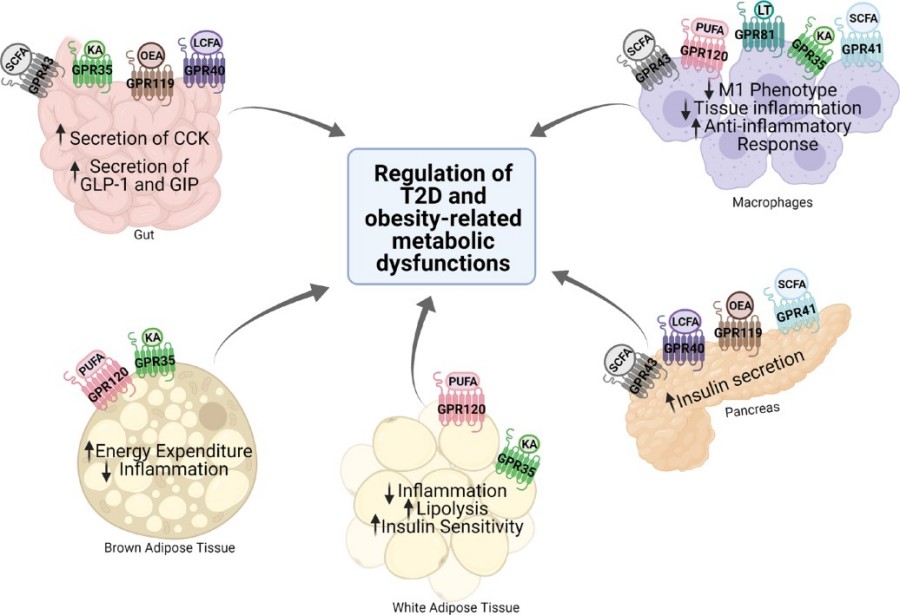 Fig.1 The expression and function of GPCRs in different metabolic tissues. (Oliveira de Souza, et al., 2021)
Precise Targeting
Our GPCR/G protein-related products are precisely targeted and act specifically on target receptors or proteins to achieve precise regulation of signal transduction pathways. This helps clients gain a deeper understanding of the mechanism of GPCR action in obesity and metabolic diseases and identify potential therapeutic targets.
Our products are closely related to the following receptors, so if you are looking for a specific product receptor, we are the best partner for you on your research pathway.
|
|
|
|
|
|
|
|
|
|
|
|
|
|
|
|
|
|
|
|
|
|
|
|
|
|
|
|
|
|
|
|
|
|
|
|
|
|
|
|
|
|
Applications
- Obesity Research: Our products can be used to study the molecular mechanism of obesity occurrence and find potential therapeutic targets by regulating the GPCR/G protein signaling pathway.
- Metabolic Disease Research: Our products can explore the role of GPCR/G proteins in metabolic diseases such as diabetes and hyperlipidemia, providing new ideas for disease treatment.
- Drug R&D: Our products can be used for drug screening of GPCR/G proteins, accelerating the process of new drug development and improving the effectiveness and safety of drugs.
Advantages
Comprehensive Target Coverage
Our products cover a number of important targets of the GPCR family, which are clinically important in the areas of neurological and cardiovascular diseases, cancer, and metabolic diseases.
Extensive Compound Library
Our product library contains more than 2,500 molecular compounds with favorable biological and pharmacological activities, which provide strong support for your studies.
High Purity and Stability
Our products are subject to strict quality control to ensure high purity and stability. We offer GPCR/G protein compounds in pre-solution or solid form, which are dissolved according to the clients' requirements.
Publication
Title: Metabolic functions of G protein-coupled receptors and β-arrestin-mediated signaling pathways in the pathophysiology of type 2 diabetes and obesity
Journal: Frontiers in Endocrinology, 2021
DOI: https://doi.org/10.3389/fendo.2021.715877
Summary: This article reviews the importance of GPCRs and their signaling pathways, including G protein-dependent and β-inhibitory protein-dependent pathways, in the pathogenesis and treatment of metabolic diseases. GPCRs are involved in type 2 diabetes (T2D) pathogenesis by affecting insulin resistance and β-cell dysfunction, and their signaling pathways may serve as a therapeutic target to enhance insulin sensitivity. In addition, β-inhibitory proteins, as key regulators of GPCR signaling, coordinate complex signaling networks that specifically control metabolic homeostasis.
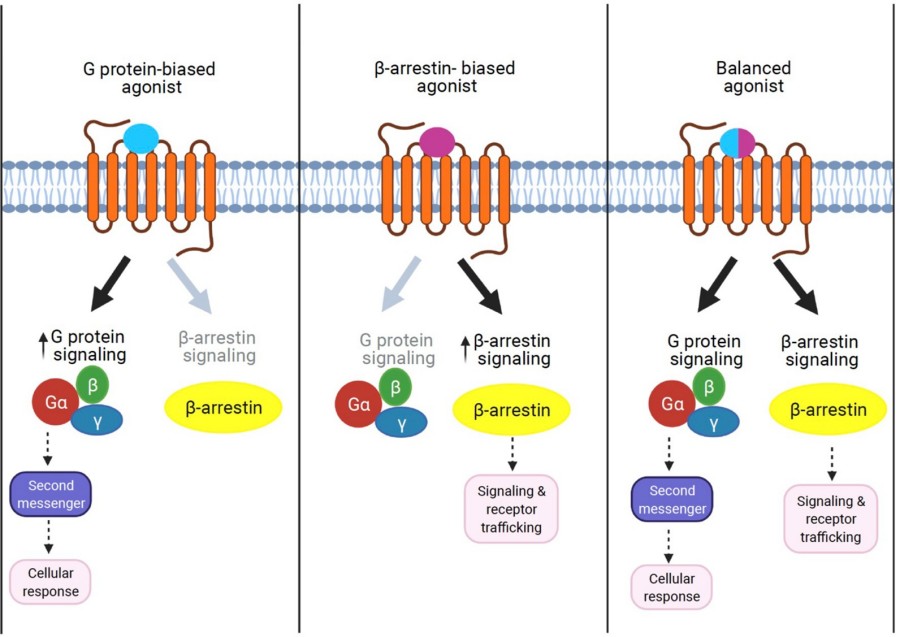 Fig.2 GPCRs and their signaling pathways. (Oliveira de Souza, et al., 2021)
Customer Review
Exceptional Target Hit Rate
"Protheragen's GPCR library is highly focused on metabolism-related receptors, ensuring our discovered hit compounds exhibit significantly higher quantities and specificity compared to other general compound libraries we've used. This specialized design substantially reduces our screening false positive rate."— Dr. L* H***
Precision Research on Biased Signaling
"This GPCR library contains a large number of compounds with biased agonist potential, which is crucial for optimizing the side effects of G protein agonists."— Prof. A* M***
Frequently Asked Questions
-
What are the research methods and advantages of GPCR activation mechanisms?
Tab.1 Research methods and advantages of GPCR activation mechanism. (Protheragen)
Method Range Advantages Bioluminescence resonance energy transfer/Double electron-electron resonance Single Dynamic properties of receptors Molecular dynamics simulation Single Atomic-level conformational changes Nuclear magnetic resonance Single Fine local conformational changes Residue contact scoring Family Fast and accurate Single-particle cryo-electron microscopy Single Fast, near-atomic scale X-ray Single Highly accurate 3D structures -
How to ensure the purity and activity of the product?
We utilize advanced quality control processes, including high-performance liquid chromatography (HPLC), nuclear magnetic resonance (NMR), liquid chromatography-mass spectrometry (LC-MS), and other assays, to ensure that the purity and activity of our products meet the highest standards.
-
Can this compound library be used for cell-based functional screening experiments?
Absolutely. This compound library is optimized for cell-based drug screening. Compounds are dissolved in high-purity solvents such as DMSO and pre-validated to ensure low cytotoxicity. It can be directly applied to various functional assays, significantly streamlining experimental preparation.
The GPCR/G protein products provided by Protheragen not only have significant advantages in terms of technology and services but also demonstrate excellent capabilities in meeting clients' needs and accelerating drug discovery. If you are interested in our products, please feel free to contact us!
Reference
- Oliveira de Souza, C.; et al. Metabolic functions of G protein-coupled receptors and β-arrestin-mediated signaling pathways in the pathophysiology of type 2 diabetes and obesity. Frontiers in Endocrinology. 2021, 12: 715877. (CC BY 4.0)
GPCR/G Protein-Targeted Compounds
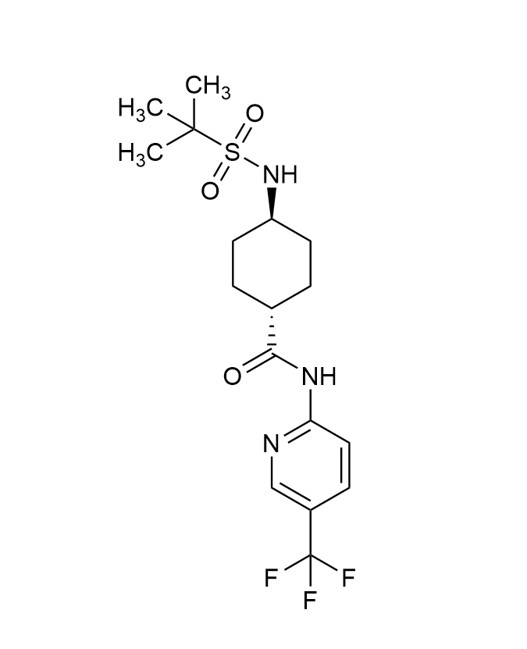
- CAS No.: 342577-38-2
- Pathways: GPCR/G protein; Neuronal signaling
- Targets: Neuropeptide Y receptor
- Receptors: Neuropeptide Y (NPY) Y5 receptor
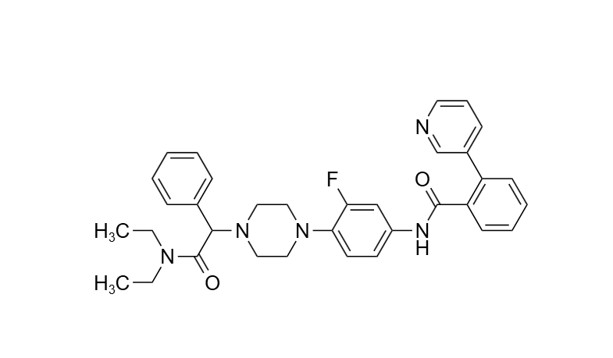
- CAS No.: 1094873-14-9
- Pathways: GPCR/G protein; Neuronal signaling
- Targets: Neuropeptide Y receptor
- Receptors: Neuropeptide Y2 receptor
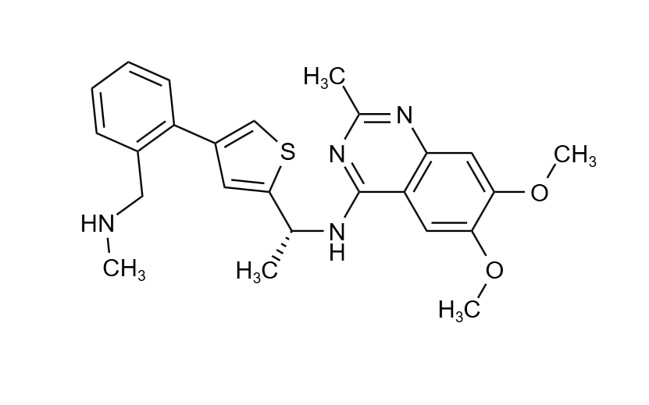
- CAS No.: 2244904-70-7
- Pathways: GPCR/G protein; MAPK
- Targets: GTPase superfamily
- Receptors: SOS1; Raf; Ras
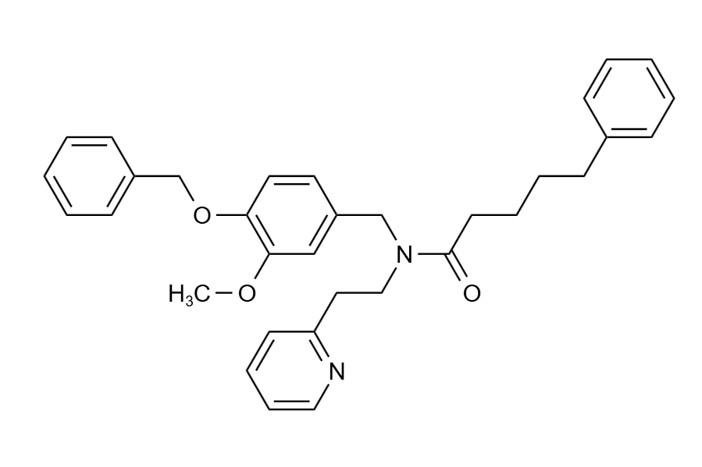
- CAS No.: 521310-51-0
- Pathways: GPCR/G protein; MAPK
- Targets: Raf; Ras
- Receptors: Raf-1
- CAS No.: 71203-35-5
- Pathways: GPCR/G protein; Apoptosis; MAPK; Cell cycle/Checkpoint
- Targets: Ras; CDK
- Receptors: cdc42; Ras
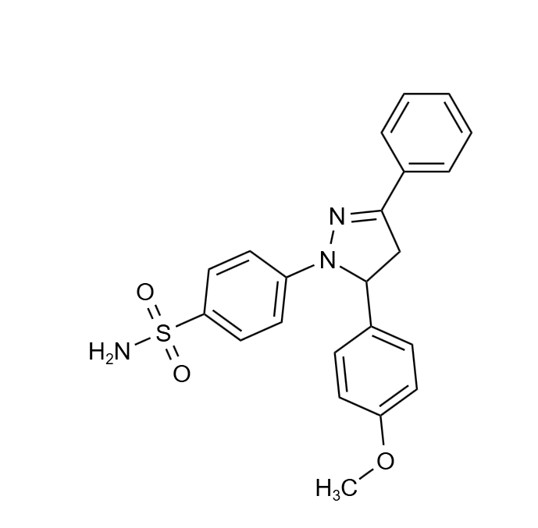
- CAS No.: 1222513-26-9
- Pathways: GPCR/G protein; MAPK; Cell cycle/Checkpoint
- Targets: Ras; CDK
- Receptors: Cdc42
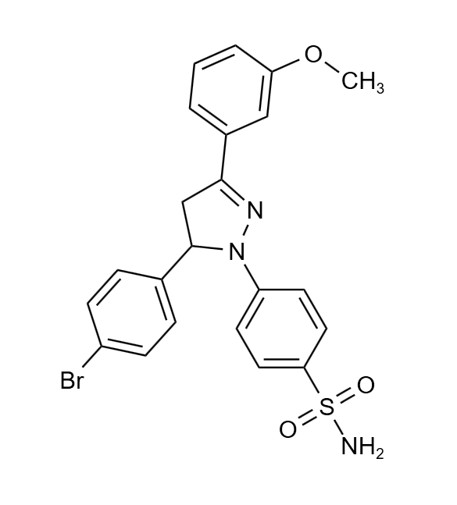
- CAS No.: 1380432-32-5
- Pathways: GPCR/G protein; Cell cycle/Checkpoint; MAPK
- Targets: Rho; Ras
- Receptors: Rac1
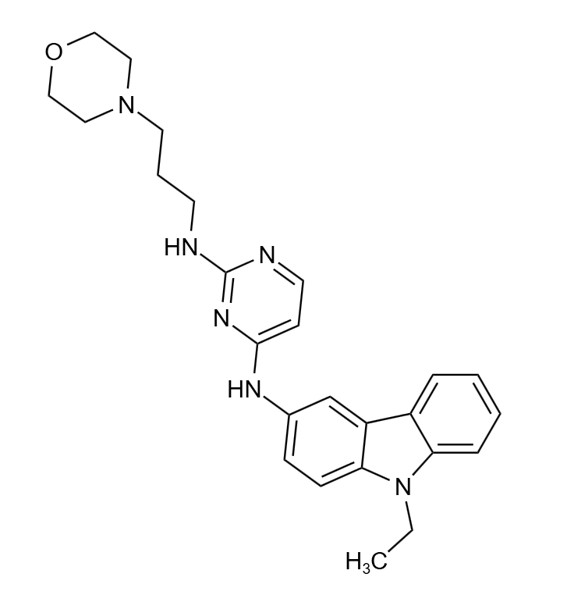
- CAS No.: 1637739-82-2
- Pathways: GPCR/G protein; MAPK
- Targets: GTPase superfamily
- Receptors: GTPase Ral; Ras
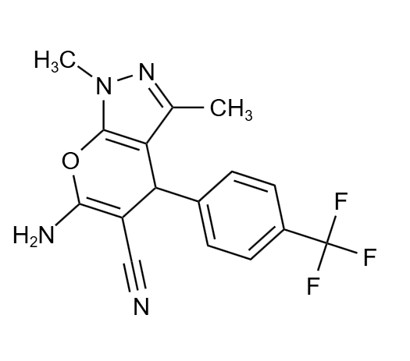
- CAS No.: 436133-68-5
- Pathways: GPCR/G protein; Apoptosis; MAPK
- Targets: GTPase superfamily
- Receptors: Ras; Ras-Raf
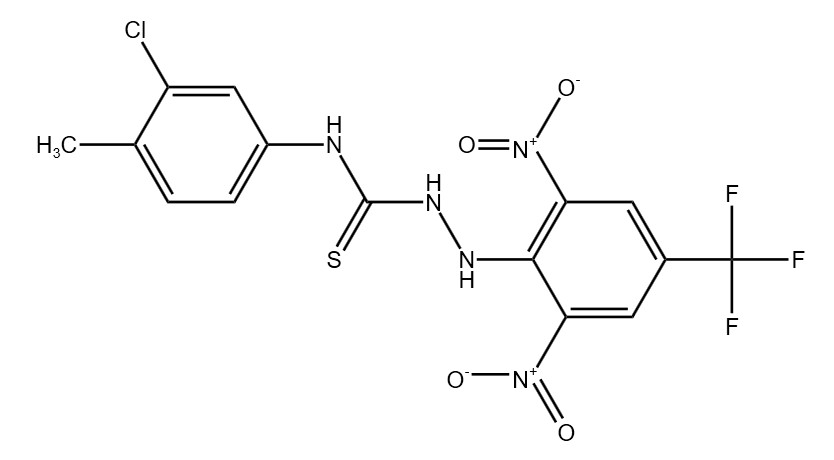
- CAS No.: 454453-49-7
- Pathways: GPCR/G protein; MAPK
- Targets: GTPase superfamily
- Receptors: Ras; Ras-Raf