
Membrane Transporter/Ion Channel-Targeted Compounds
InquiryOverview
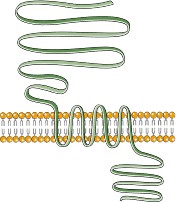
Obesity is a metabolic disease induced by multiple factors, which mainly stem from the imbalance between energy intake and consumption. Membrane transporters and ion channels, as key targets in the regulation of energy metabolism, fat storage, and signaling, have become the core direction of drug discovery. With cutting-edge synthetic chemistry technology, Protheragen provides high-purity and high-activity membrane transporter/ion channel-related compounds to accelerate the discovery and validation of therapeutic targets for obesity.
Features of Membrane Transporter/Ion Channel
Membrane transporters (e.g., glucose transporters, fatty acid transporters) and ion channels (e.g., calcium channels, potassium channels) serve as key nodes of cellular signaling and directly regulate lipid metabolism, energy homeostasis, and neural appetite regulation. Our company offers a range of glucose transporter type 4 (GLUT4) agonists, sodium-dependent glucose transporters 2 (SGLT2) inhibitors for regulating glucose uptake and excretion, and inhibiting fat accumulation. Moreover, we also offer transient receptor potential vanilloid-1/4 (TRPV1/4) antagonists, voltage-gated Ca2+ (CaV) channel modulators for regulating intracellular calcium signaling, which affects appetite and energy expenditure.
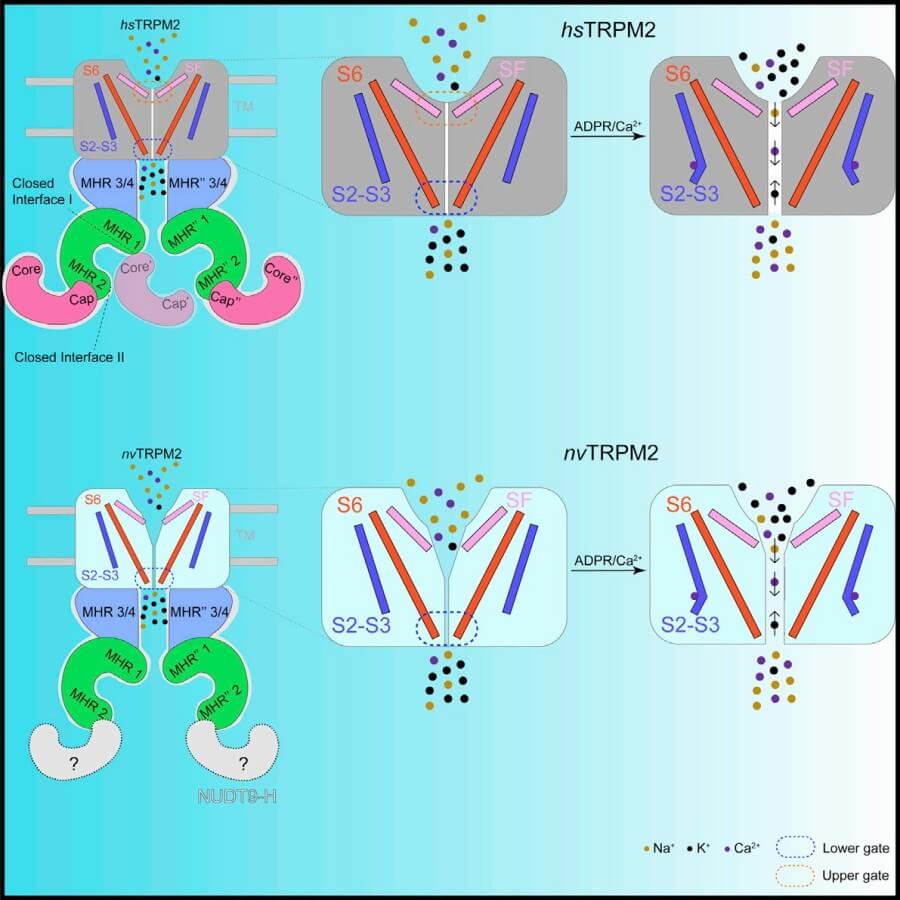 Fig.1 Human TRPM2 channel. (Yu, et al., 2021)
Targets
Our company offers compounds with a wide range of targets and receptors for clients to choose from.
|
|
|
|
|
|
|
|
|
|
|
|
|
|
|
|
|
|
|
|
|
|
|
|
|
|
|
|
|
|
|
|
|
|
|
|
|
|
|
|
|
|
|
|
|
|
|
|
|
|
|
Applications
- Adipocyte Differentiation and Insulin Resistance: Membrane transporter/ion channel-related compounds can be used to reveal the role of transporters/ion channels in adipocyte differentiation, insulin resistance.
- Energy Metabolism Regulation and Screening: Membrane transporter/ion channel-related compounds can be used to screen out key molecules that regulate energy metabolism and drive drug development.
- Obesity Indicators and In Vivo Validation: Membrane transporter/ion channel-related compounds can be used to assess the effect of specific targets on obesity-related metrics (e.g., body weight, blood glucose, fat distribution).
Advantages of Us
High Purity Guarantee
All compounds are strictly tested by high-performance liquid chromatography (HPLC) and nuclear magnetic resonance (NMR), with purity ≥98%, ensuring the reliability of experimental results.
Structural Diversity
Our products offer exceptional structural diversity, covering core targets such as GLUTs, SGLTs, and TRP channels to meet diverse research needs.
Customized Service
Our company supports special structural modification, isotope labeling, and other customized needs to match the experimental design.
Publication
Title: Regulation of intestinal glucose absorption by ion channels and transporters
Journal: Nutrients, 2016
DOI: https://doi.org/10.3390/nu8010043
Summary: The present study demonstrates that the potassium voltage-gated channel subfamily E regulatory subunit 1 (KCNE1)-dependent movement of K+ from the cell to the lumen contributes to the maintenance of the electrical drive for Na+-coupled transport in proximal tubules. Calcium channels and calcium-sensing receptors (CaSR) also play an important role in regulating glucose uptake in intestinal epithelial cells (IEC). Increased cytoplasmic [Ca2+] binds to calmodulin (CaM) via the CaSR to form a complex that further regulates adenosine monophosphate-activated protein kinase (AMPK) and activates SGLT1 or GLUT2, thereby modulating small intestinal glucose absorption. This literature provides an important review and insights for understanding the role of ion channels in intestinal glucose absorption and provides new ideas and approaches for the prevention and treatment of obesity and related metabolic diseases.
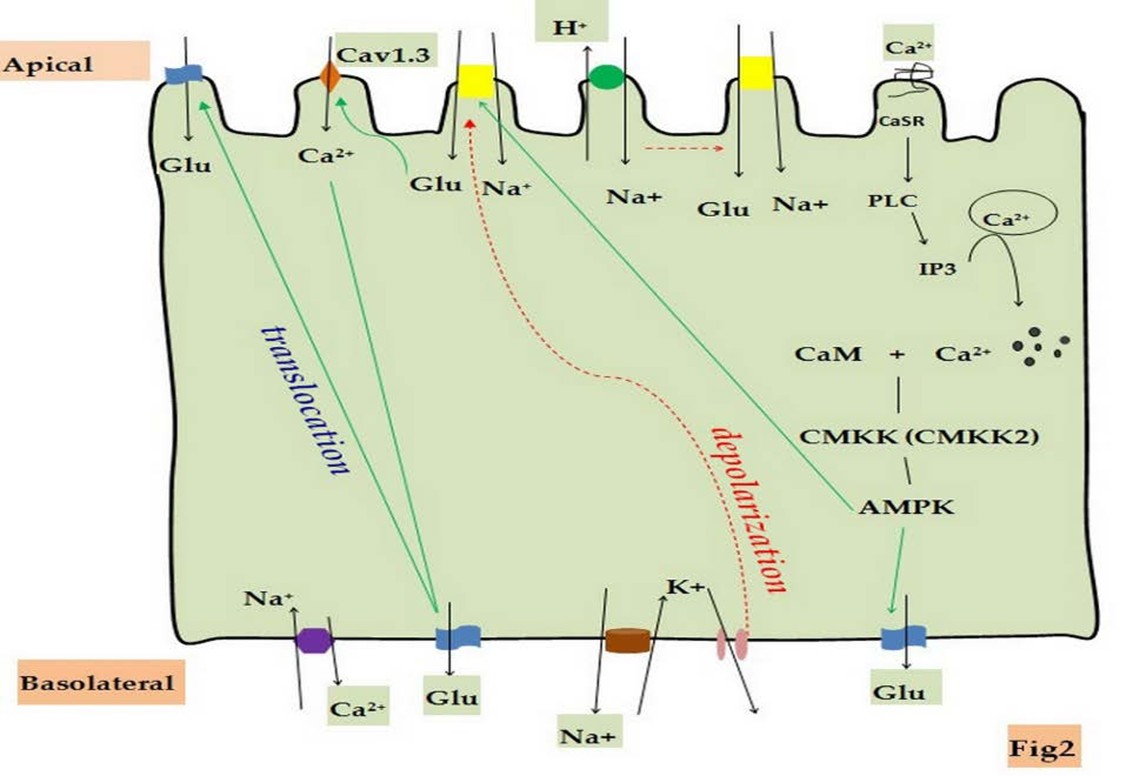 Fig.2 Schematic diagram of the mechanism regulating glucose uptake in the small intestine. (Chen, et al., 2016)
Customer Review
Targeted Glucose Homeostasis
"Using Protheragen's membrane transporter library to study key metabolic transporters and analyze cellular uptake rates has significantly accelerated research progress in obesity-related diseases."— Prof. M* W***
Reliability in Complex Assays
"Protheragen's compound library exhibits high purity and stability. This ensures our throughput activity data possesses exceptional reproducibility, significantly boosting our project's screening efficiency and success rate."— C. H* B***
Frequently Asked Questions
-
What are the functional differences between ion channels and transporter proteins?
- Ion channels are usually passive transporters, dependent on electrochemical gradients or concentration gradients, and require no additional energy input.
- Transporter proteins can be either passively transported (e.g., carrier proteins) or actively transported (e.g., ATP-driven pumps). Active transport requires ATP consumption to transport molecules against the concentration gradient.
-
What are the main types of ion channels?
Ion channels can be categorized into voltage-gated channels, ligand-gated channels, and stress-activated channels according to their structural and functional characteristics. These channels play an important role in maintaining intra- and extracellular ionic balance, regulating cellular excitability, and participating in the development of diseases.
-
What are the applications of membrane transporters in anti-obesity drug development?
Membrane transporters are important targets for drug discovery and development due to their key role in drug absorption, distribution, and excretion. For example, drug transporters affect drug absorption and excretion, so we improve drug selectivity and bioavailability by designing artificial transporters or modifying natural transporters.
Depending on the efficiency of our production team, Protheragen provides high-purity membrane transporter/ion channel products to meet the needs of our clients in the field of biological research. If you don't find what you need, please feel free to contact us for efficient, customized solutions!
Reference
Membrane Transporter/Ion Channel-Targeted Compounds
- CAS No.: 298197-04-3
- Pathways: Membrane transporter/Ion channel; Metabolism
- Targets: Fatty acid synthesis; NPC1L1
- Receptors: Fatty acid synthase; SREBPs
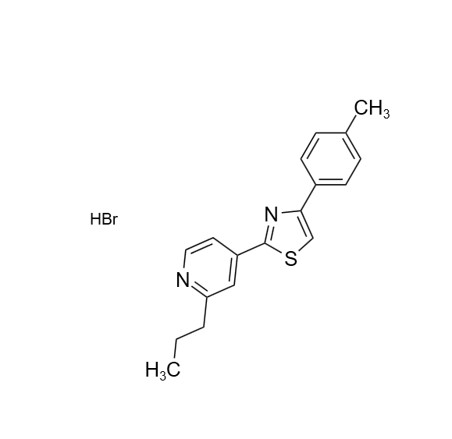
- CAS No.: 1046045-61-7
- Pathways: Membrane transporter/Ion channel; Metabolism
- Targets: NPC1L1; Fatty acid synthesis
- Receptors: Fatty acid synthase; SREBPs
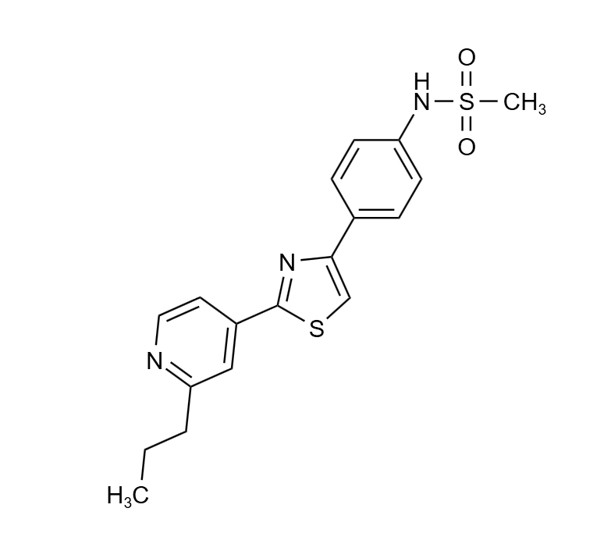
- CAS No.: 549-18-8
- Pathways: Membrane transporter/Ion channel; Tyrosine kinase/adaptors; Immunology/Inflammation; GPCR/G protein; Neuronal signaling
- Targets: Monoamine transporters; G protein-coupled receptors (GPCRs); Neurotrophin receptors; Ion channels
- Receptors: 5-HT receptor; mAChR; Norepinephrine receptor; Serotonin transporter; Sodium channel; Trk receptor; σ1; Histamine receptor; Adrenergic receptor
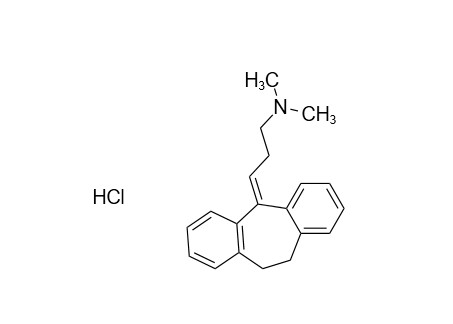
- CAS No.: 474-25-9
- Pathways: Membrane transporter/Ion channel; Autophagy; Metabolism
- Targets: Nuclear receptors; Ion channels
- Receptors: FXR; Potassium channel
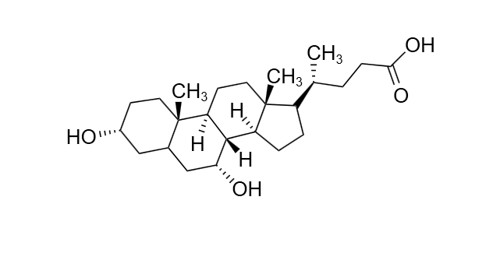
- CAS No.: 440-17-5
- Pathways: Membrane transporter/Ion channel; Autophagy; GPCR/G protein; Microbiology/Virology; Neuronal signaling
- Targets: G protein-coupled receptors (GPCRs); ABC transporters; Calcium-binding proteins/kinases
- Receptors: Adrenergic receptor; CaMK; Dopamine receptor; P-gp (P-glycoprotein)
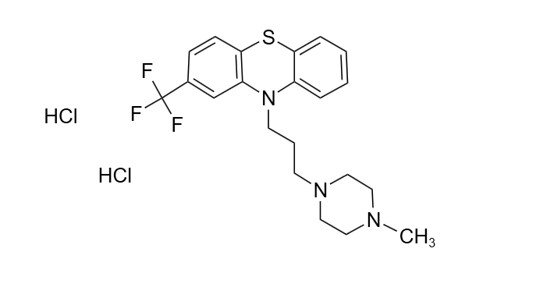
- CAS No.: 141625-93-6
- Pathways: Membrane transporter/Ion channel; GPCR/G protein; Metabolism; Autophagy; Neuronal signaling
- Targets: Ion channels; G protein-coupled receptors (GPCRs)
- Receptors: Adrenergic receptor; Calcium channel; Potassium channel; Sodium channel
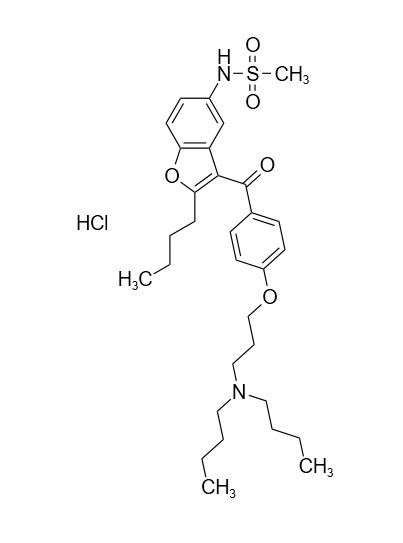
- CAS No.: 3416-24-8
- Pathways: Membrane transporter/Ion channel; Autophagy; NF-κB; Apoptosis; Chromatin/Epigenetic; Immunology/Inflammation; Metabolism; Proteases/Proteasome
- Target: CFTR; MMP; NF-κB; HIF; TNF receptor
- Receptor: Chitosanase; HIF/HIF prolyl-Hydroxylase; IFγ; MMP-9; NF-κB; TNF-α; TNF receptor
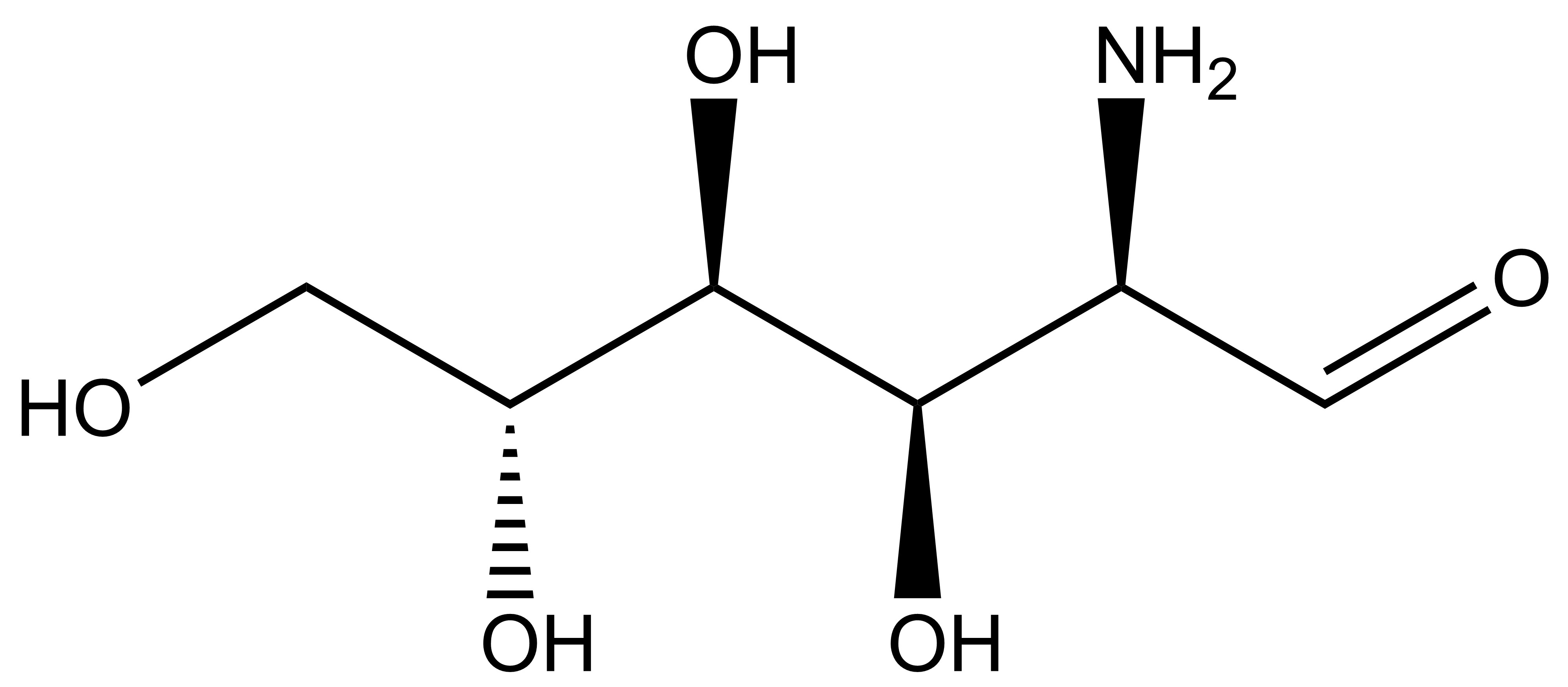
- CAS No.: 29094-61-9
- Pathways: Membrane transporter/Ion channel; Metabolism; DNA damage/DNA repair
- Target: ABC; Potassium channel; PPAR
- Receptor: ABCC; Potassium channel; PPARγ
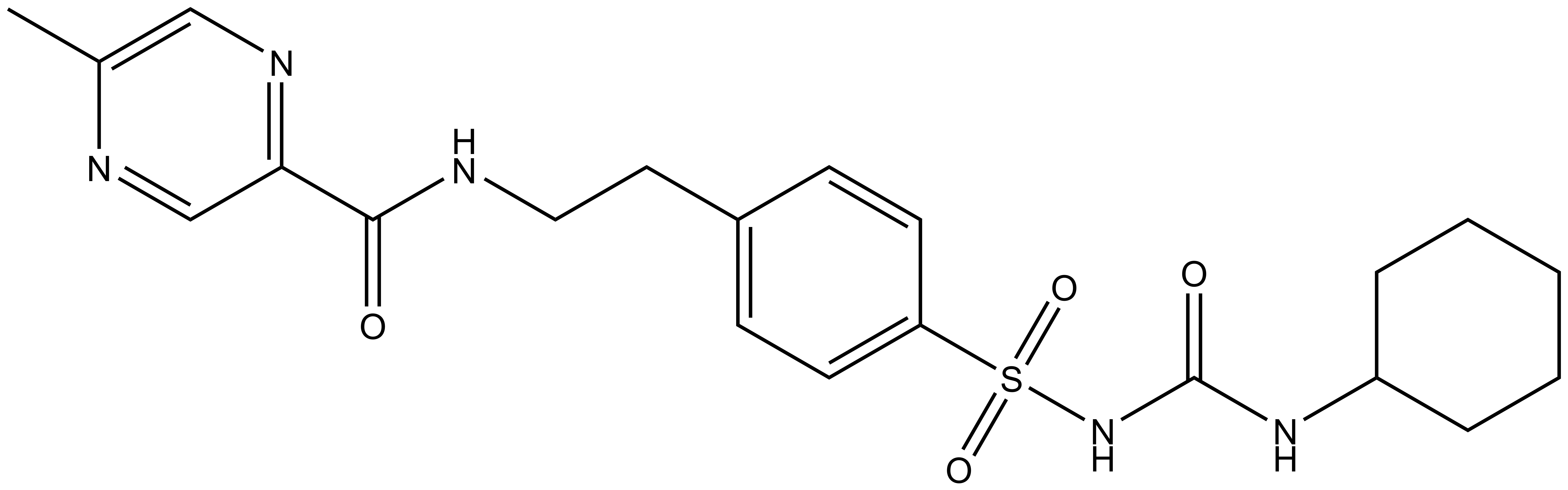
- CAS No.: 6483-15-4
- Pathways: Membrane transporter/Ion channel; Stem cell regulation; Angiogenesis; Immunology/Inflammation; Neuronal signaling; JAK/STAT signaling; Tyrosine kinase/adaptors; MAPK; NF-κB
- Target: COX; STAT; JNK; HER; TLR; Potassium channel; ERK; p38 MAPK; NF-κB
- Receptor: Potassium channel; ERK; hERG; IFN-γ; JNK; NF-κB; p38 MAPK; STAT; TLR
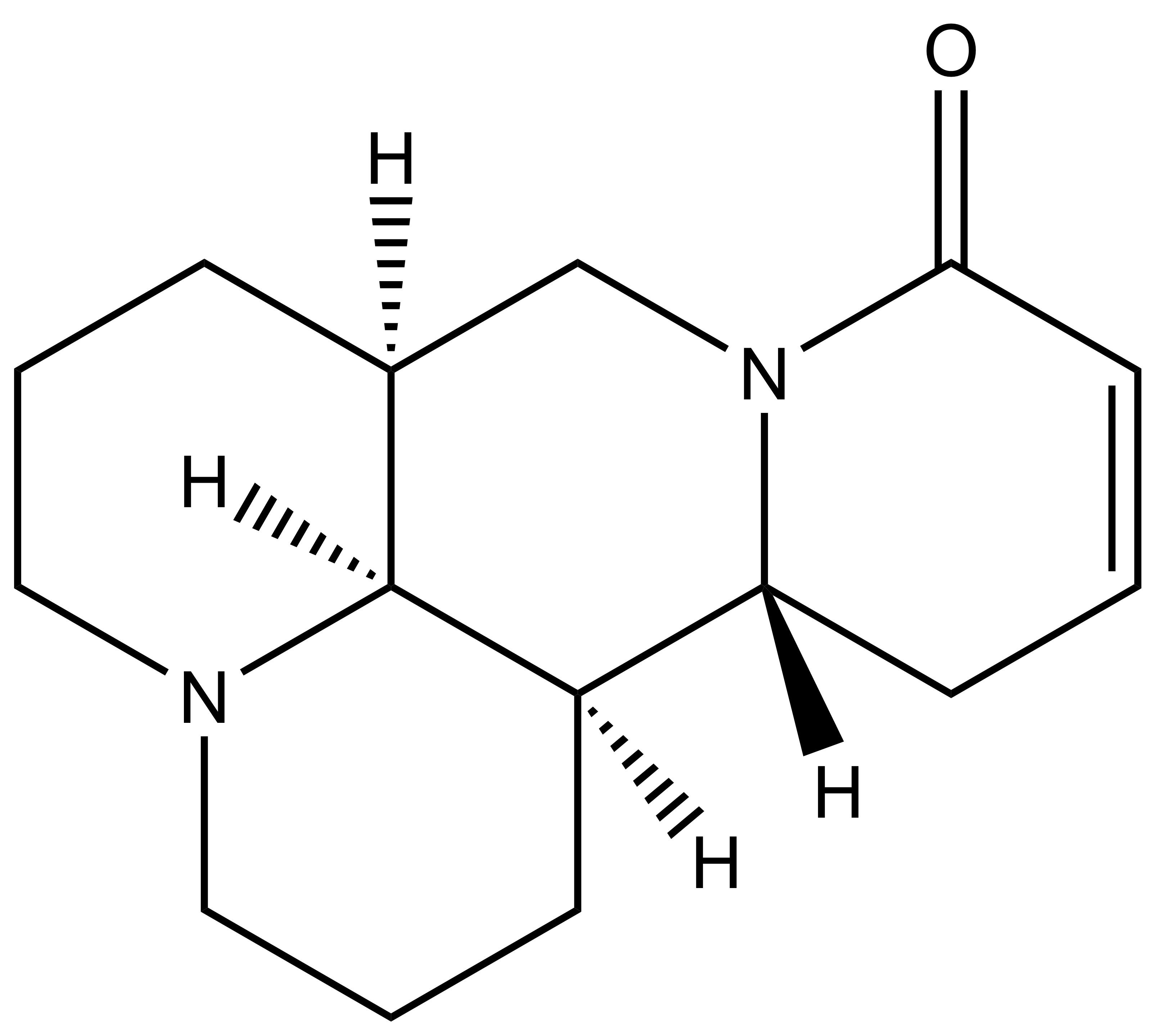
- CAS No.: 506-52-5
- Pathways: Membrane transporter/Ion channel; Chromatin/Epigenetic; PI3K/Akt/mTOR signaling
- Target: AMPK; NPC1L1
- Receptor: AMPK; SREBP2
