

Recombinant Lentivirus in Obesity and Energy Metabolism Research
InquiryOverview
Lentivirus, a member of the retrovirus family, possesses the unique advantage of efficiently and stably integrating exogenous genes into the host cell genome. This genomic integration capability enables lentivirus to mediate long-term or even permanent gene expression or silencing, making it the gold standard for establishing stably transfected cell lines and conducting chronic in vivo studies.
Stable, Long-Term Gene Modulation for Obesity Research
When exploring the complexities of obesity and metabolic diseases, long-term, stable genetic modification is crucial for simulating chronic disease progression and validating therapeutic targets. Protheragen introduces recombinant lentiviral Particle Products specifically engineered for metabolic regulation and obesity research. This platform supports two key functions:
- Obesity Gene Overexpression
Unlock the potential of persistent genetic intervention with AdipoUpX™ lentiviral particles. Our platform is specifically optimized to enable the long-term, stable, and high-level expression of critical metabolic regulators, appetite-controlling hormones, and complex functional proteins. Whether you are targeting primary cells or establishing stable cell lines, our vectors ensure consistent protein production to drive reliable phenotypic outcomes.
- shRNA-Mediated Gene Silencing
Achieve definitive and persistent gene knockdown with our validated shRNA lentiviral technology. LipoKnoxa™ shRNA Particles supply short-hairpin RNA, ensuring efficient and stable silencing of target genes across multiple cell generations. With a choice of high-potency U6 or miR30-based architectures, we provide the precision tools necessary to silence even the most challenging metabolic targets with minimal off-target interference.
This dual capability enables researchers to precisely model and investigate gain-of-function and loss-of-function phenotypes over extended periods, making it the preferred solution for chronic in vivo studies and the creation of reliable, stable cell lines—critical for high-throughput screening.
Features
Protheragen employs cutting-edge vector technology to ensure high performance, broad cellular targeting, and maximum safety in its lentiviral products.
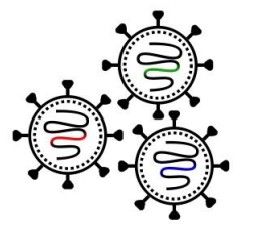
Our production relies on a third-generation (3G) system that separates viral components into four distinct plasmids. This replication-deficient (RCL-negative) system provides critical safety assurance for preclinical research applications. The lentivirus efficiently transduces a wide range of mammalian cell types.

We manage the entire upstream process, including gene synthesis, shRNA design optimization, and cloning into proprietary transfer vectors, enabling precise regulation of obesity-related genes. To produce lentiviral particles, we co-transfect HEK293T cells with transfer plasmids containing the gene of interest (GOI), envelope plasmids, and packaging plasmids. After incubation, the supernatant is collected, centrifuged to remove cellular debris, and filtered. Subsequently, viral particles are concentrated using polyethylene glycol (PEG). Through optimized multi-plasmid transient transfection protocols in suspension or adherent cell systems, we deliver research-grade and preclinical-grade products.
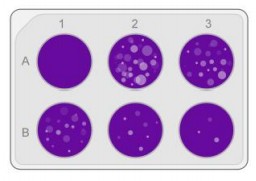
We guarantee the production of high-quality, high-titer lentivirus batches suitable for complex in vivo administration and large-scale in vitro screening. Quality control for each lentivirus batch includes titer determination, sterility testing, and mycoplasma detection. Additionally, we perform other quality control tests (such as endotoxin testing) and in vivo/in vitro experiments as per client requirements.
Applications
- Stable Cell Line Construction: Rapidly and efficiently establish stable clonal cell lines (e.g., hepatocytes, preadipocytes) using lentivirus for drug screening, mechanism-of-action studies, and compound toxicity testing.
- Chronic In Vivo Disease Modeling: Establish animal models requiring sustained therapeutic gene delivery (e.g., long-term GLP-1 analog expression or permanent knockout of hypothalamic appetite-regulating genes) to evaluate anti-obesity therapies.
- Target Validation and Functional Genomics: Precisely compare the differential effects of stable overexpression versus stable knockout of key obesity genes across multiple cell passages or prolonged in vitro cultures.
Advantages
Permanent Efficacy
Genome integration technology ensures stable, long-lasting gene expression/silencing, critical for metabolic and obesity research.
Dual-Function Integration
Our lentiviral platform simultaneously supports high-level overexpression and potent shRNA knockout, providing essential tools for parallel validation of target sufficiency and necessity.
Over Two Decades of Expertise
Leveraging two decades of viral vector engineering experience, our scientists guarantee reliable construction, highest purity, and expert troubleshooting support for complex projects.
Publication Data
Title: Adipocyte specific HO-1 gene therapy is effective in antioxidant treatment of insulin resistance and vascular function in an obese mice model
Journal: Antioxidants (Basel), 2020
DOI: https://doi.org/10.3390/antiox9010040
Summary: This study utilized a lentiviral vector to achieve adipocyte-specific overexpression of heme oxygenase-1 (HO-1) driven by the adiponectin gene promoter. Analysis revealed that mice overexpressing HO-1 exhibited increased oxygen consumption, enhanced mitochondrial function, improved cellular respiration, and reduced adipocyte volume when fed a high-fat diet. Moreover, HO-1 overcomes genetic susceptibility to steatosis and correlates with restored expression of thermogenic, mitochondrial-associated, and anti-inflammatory genes. This suggests that HO-1 gene therapy holds potential for improving insulin sensitivity, metabolic activity, and vascular function in obese patients.
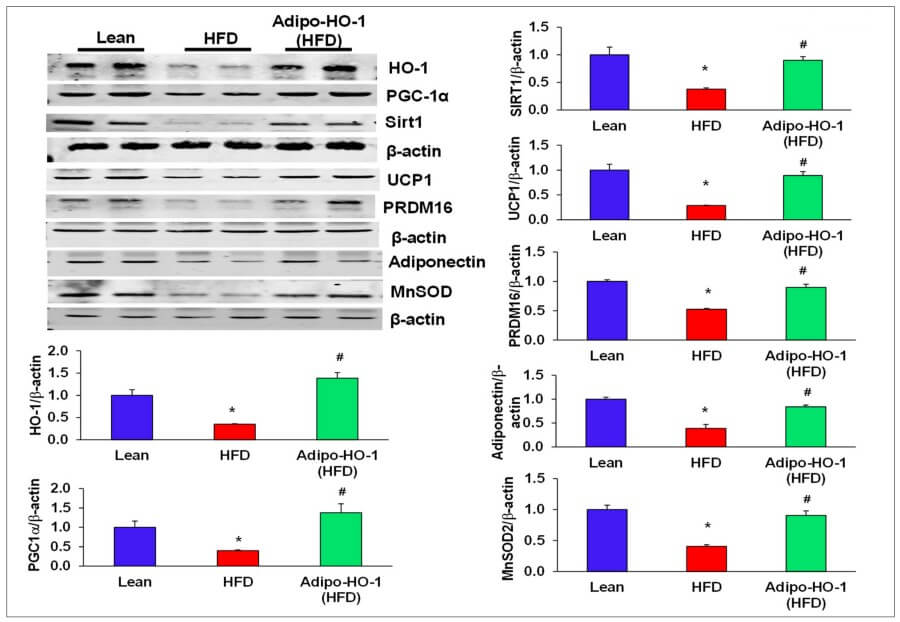 Fig.1 Key protein expression analysis. (Singh, et al., 2020)
Customer Review
Gene Expression Construction
"Utilizing Protheragen's lentiviral products for establishing stable gene expression proceeded smoothly. Reliable analysis of pathway alterations provided robust data support for subsequent research design."—Jen*** K*
High-Quality Lentiviral Products
"Protheragen's lentiviral products demonstrated exceptional quality, enabling us to successfully construct cell models for drug screening. Their service efficiency and reliability deserve commendation."—Ro** Ta**
Frequently Asked Questions
-
Can lentivirus be used for in vivo delivery in animal models?
Absolutely. Lentivirus is widely used for in vivo delivery, particularly for targeting the central nervous system (CNS) or scenarios requiring long-term systemic expression. We maintain extensive animal model resources and offer tailored delivery and research services according to client specifications.
-
Can Protheragen package custom shRNA libraries?
Yes. We offer comprehensive services for designing custom or mixed shRNA libraries based on lentiviral vectors, including high-titer packaging, to support high-throughput screening of metabolic targets.
-
Can you guarantee viral titers meet in vivo experimental requirements?
We prepare samples in micro, small, medium, and large volumes per client specifications, providing corresponding titers based on purification scale and client needs. Please inquire about specific dosage and titer requirements.
Protheragen delivers the highest quality recombinant lentiviral products, specifically engineered for stable gene overexpression and shRNA silencing in obesity research. Our advanced platform, combined with a rigorous commitment to quality control, ensures your studies yield durable, statistically reliable, and credible long-term data. Feel free to contact us anytime for custom products.
Reference
- Singh, S.P.; et al. Adipocyte specific HO-1 gene therapy is effective in antioxidant treatment of insulin resistance and vascular function in an obese mice model. Antioxidants (Basel). 2020, 9(1): 40. (CC BY 4.0)
Recombinant Lentivirus Products
- Species: Human
- Target Gene: LEP
- Vector System: Lentiviral

- Species: Human
- Target Gene: FTO
- Vector System: Lentiviral
- Species: Human
- Target Gene: MC4R
- Vector System: Lentiviral
- Species: Human
- Target Gene: POMC
- Vector System: Lentiviral
- Species: Human
- Target Gene: LEPR
- Vector System: Lentiviral
- Species: Human
- Target Gene: PPARG
- Vector System: Lentiviral
- Species: Human
- Target Gene: UCP3
- Vector System: Lentiviral
- Species: Human
- Target Gene: GHRL
- Vector System: Lentiviral
- Species: Human
- Target Gene: ADIPOQ
- Vector System: Lentiviral
- Species: Human
- Target Gene: ADRB3
- Vector System: Lentiviral