Cell Cycle/Checkpoint-Targeted Compounds
InquiryOverview
The cell cycle is fundamentally regulated by cyclins and cyclin-dependent kinases (CDKs). Upon activation, these proteins form complexes that guide cells through the different phases of the cell cycle. Cell cycle/checkpoint compound libraries provide a powerful support for obesity research due to their target focus, compound diversity, assurance of high quality, and potential for a wide range of applications. It not only helps to understand the molecular mechanism of obesity, but also accelerates the development of new anti-obesity drugs and provides new ideas for obesity treatment.
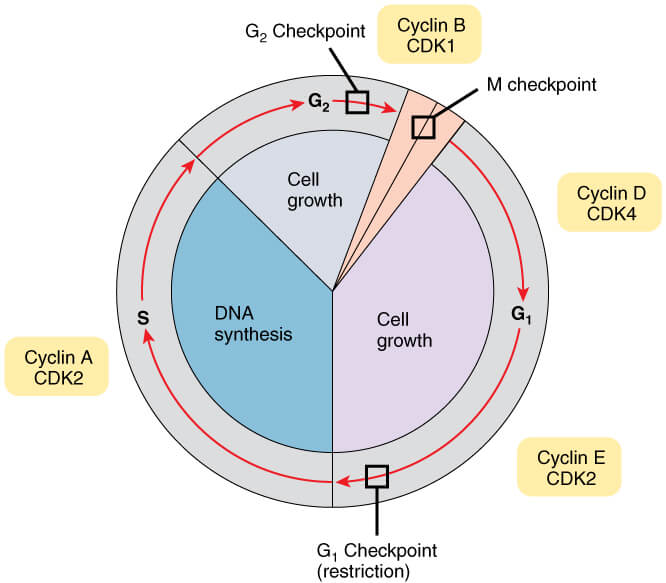 Fig.1 Detailed steps of the cell cycle. (Wikipedia)
Obesity Research Toolbox: Cell Cycle/Checkpoint Compound Collection

As a leader in the field of obesity research, Protheragen offers the cell cycle/checkpoint compound library, a well-designed collection of high-quality compounds designed to provide researchers with powerful tools to explore the role of cell cycle regulation in obesity and related metabolic disorders. The compound library focuses on key targets of cell cycle and checkpoint regulation, providing researchers with a diverse selection of compounds to help them achieve breakthroughs in anti-obesity drug development and basic research.
Features
- The compound library is a useful tool in the pathogenesis of obesity and related metabolic diseases.
- The target of action of this compound library covers key cell cycle regulatory proteins, such as CDK4/6, CDK2, CDK1, etc.
- The compounds contained are structurally diverse, pharmaceutically active, and cell-permeable.
- The structures of the contained compounds have been validated to ensure high purity.
Applications
- Key Cell Cycle Regulatory Targets: Our compound library focuses on key targets of cell cycle and checkpoint regulation, helping researchers to more precisely regulate cell cycle progression in order to screen for compounds with optimal anti-obesity effects.
- Cyclin Research: The compound library can be used to screen compounds that modulate adipocyte differentiation and proliferation, providing insight into the specific role of cell cycle proteins in adipocytogenesis.
- High-Throughput Screening and Anti-Obesity Research: The compound library is suitable for high-throughput screening to screen and identify compounds that effectively inhibit adipocyte differentiation, etc., and accelerate progress in anti-obesity research.
Advantages
Compound Diversity
Our compound library encompasses a wide range of structural types, offering researchers an extensive selection. This diversity provides researchers with a powerful tool for exploring novel anti-obesity mechanisms, helping maximize the identification of hit compounds with unique modes of action.
Stringent Quality Control
All compounds undergo rigorous quality control to ensure high purity and structural accuracy. This unwavering commitment to product quality ensures reliable, reproducible, and statistically significant high-quality data for screening and functional validation experiments.
Comprehensive Compound Information
We provide detailed compound information, including structural descriptions and target details, facilitating data analysis and experimental design. This serves as a critical reference for subsequent dose design, toxicity prediction, and the development of complex cellular experimental protocols.
Publication
Title: Arthrocolin B impairs adipogenesis via delaying cell cycle progression during the mitotic clonal expansion period
Journal: International Journal of Molecular Sciences, 2025
DOI: https://doi.org/10.3390/ijms26041474
Summary: Obesity is primarily caused by the excessive proliferation and hypertrophy-mediated expansion of adipocytes. Inhibiting cell proliferation during the mitotic clonal expansion (MCE) phase of adipogenesis is considered a promising strategy for its prevention and treatment. In this study, researchers treated 3T3-L1 preadipocytes with arthrocolin B. The compound was found to inhibit the expression of key cell cycle regulators, prevent the accumulation of lipid droplets and triglycerides, downregulate crucial adipogenesis factors, and ultimately hinder the adipogenesis process.
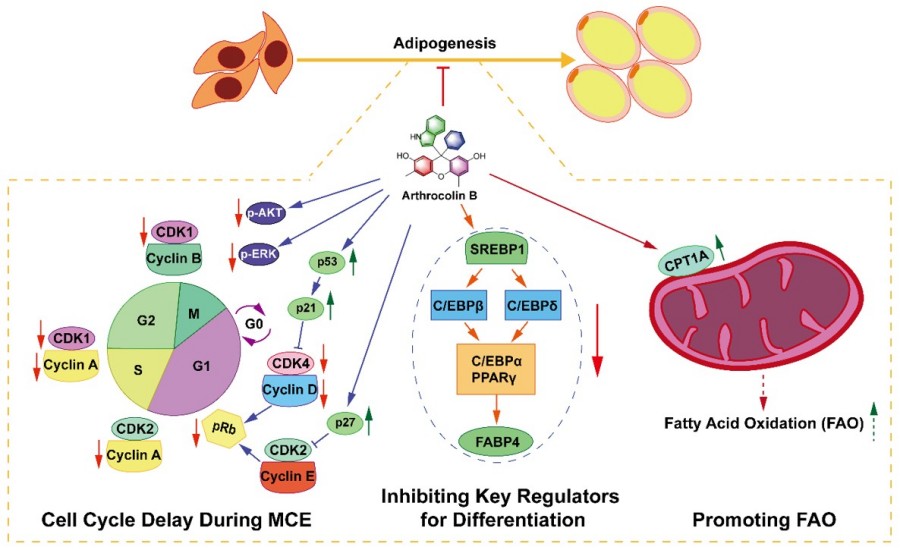 Fig.2 Exploration of the function of arthrocolin B in the regulation of adipogenesis. (Cao, et al., 2025)
The findings of this study provide a promising strategy for anti-obesity research, focusing on inhibiting the early stages of adipocyte differentiation through the regulation of cell cycle signaling proteins. Crucially, this research also identifies a potential lead compound that could serve as a basis for future anti-obesity drug development.
Customer Review
Regulator Screening
"Using Protheragen-based products, we screened CDK modulators via cell models. This accelerated our research progress in cell cycle regulation."— Dr. Dav*, Molecular Pharmacology Researcher
High-Throughput Screening
"By conducting high-throughput screening experiments with Protheragen's compound library, we expedited the transition from hit compounds to lead compounds while significantly reducing screening costs."— Dr. S. R., Project Leader
Frequently Asked Questions
-
What is the purpose of this compound library?
The compound library aims to provide researchers with a range of compounds that regulate cell cycle progression and checkpoints. These compounds target key regulatory proteins involved in cell proliferation, differentiation, and metabolism that are linked to adipogenesis and obesity-related pathways.
-
What quality control measures are used for the compounds?
All compounds are subjected to stringent quality controls, including:
- High-performance liquid chromatography (HPLC)
- Mass spectrometry (MS)
- Nuclear magnetic resonance (NMR)
-
What is the delivery format and compatibility of the compound library?
Our compound library is delivered in a ready-to-use professional format designed to maximize your experimental efficiency. All compounds are provided as high-purity powders or pre-dissolved in DMSO as stock solutions (concentrations can be customized to your requirements).
Cell cycle/checkpoint compound libraries have many advantages in obesity research, which make them a powerful tool for researchers to explore the mechanisms of obesity and develop new therapeutics. Protheragen is committed to providing you with high-quality compound libraries and professional services to help you achieve excellent results in anti-obesity research! Please feel free to contact us for more information.
Reference
- From Wikipedia: https://commons.wikimedia.org/w/index.php?curid=30131218 (CC BY 4.0)
- Cao, G.; et al. Arthrocolin B impairs adipogenesis via delaying cell cycle progression during the mitotic clonal expansion period. International Journal of Molecular Sciences. 2025, 26(4): 1474. (CC BY 4.0)
Cell Cycle/Checkpoint-Targeted Compounds
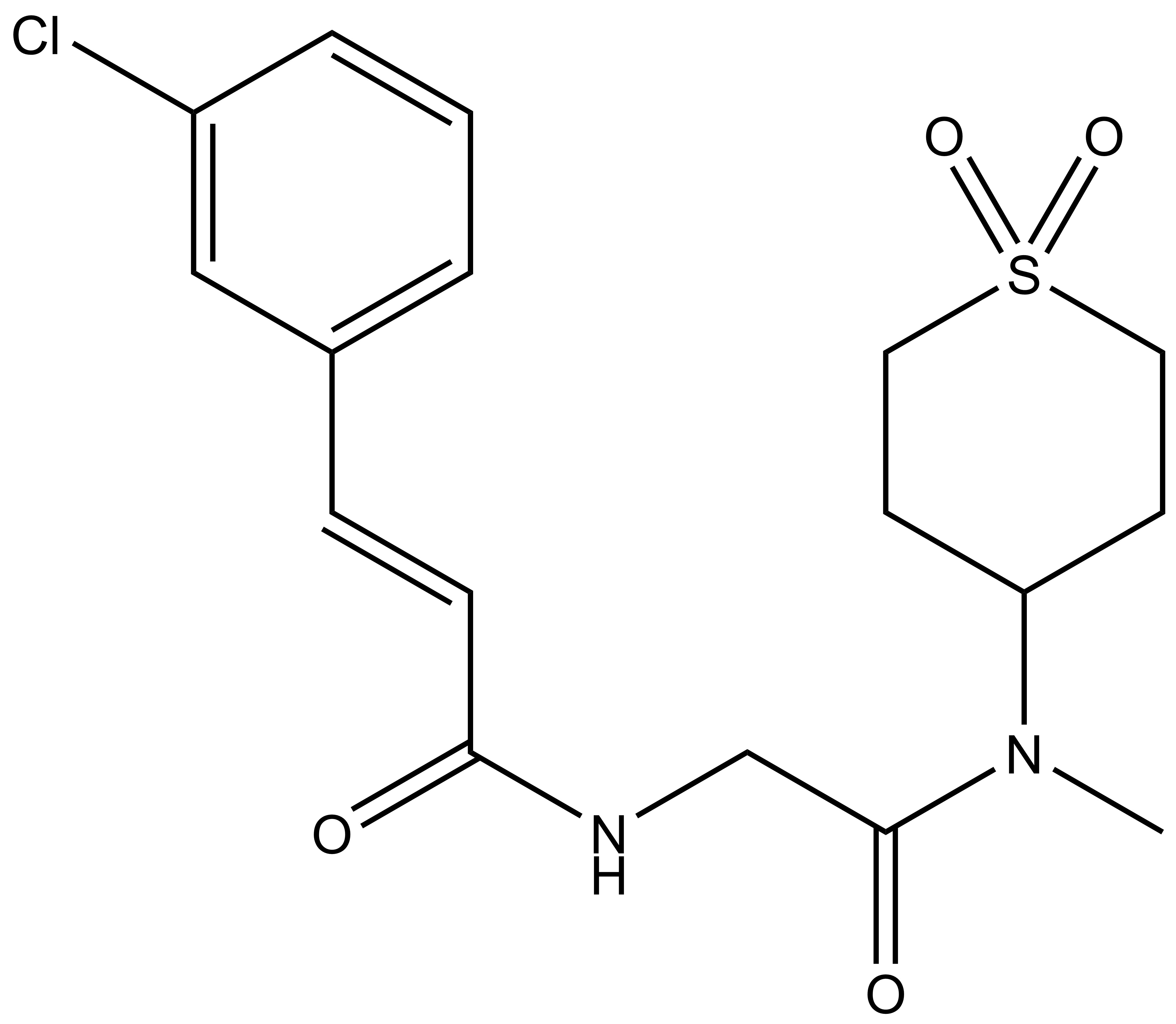
- CAS No.: 1443437-74-8
- Pathways: Cell cycle/Checkpoint; GPCR/G protein; MAPK; Rho/MRTF/SRF signaling
- Targets: Rho; Ras
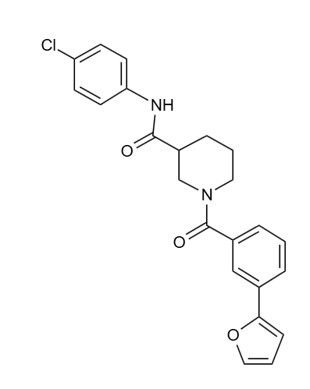
- CAS No.: 1281870-42-5
- Pathways: Cell cycle/Checkpoint; MAPK; Apoptosis; GPCR/G protein
- Targets: Ras; Rho
- Receptors: RhoA
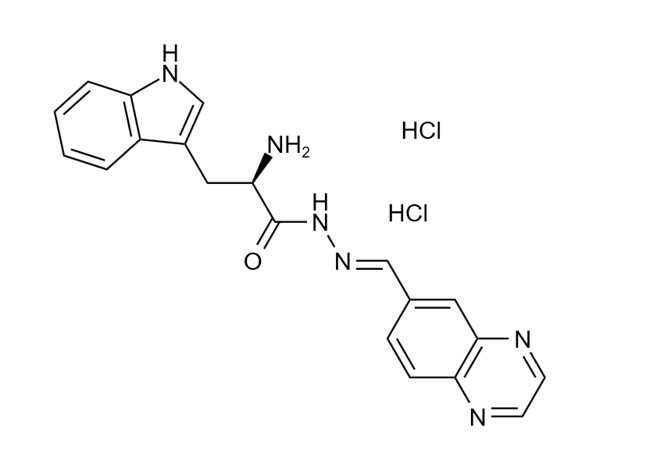
- CAS No.: 587841-73-4
- Pathways: Cell cycle/Checkpoint; MAPK; GPCR/G protein
- Targets: GTPase superfamily; CDK family
- Receptors: Cdc42 GTPase; Ras
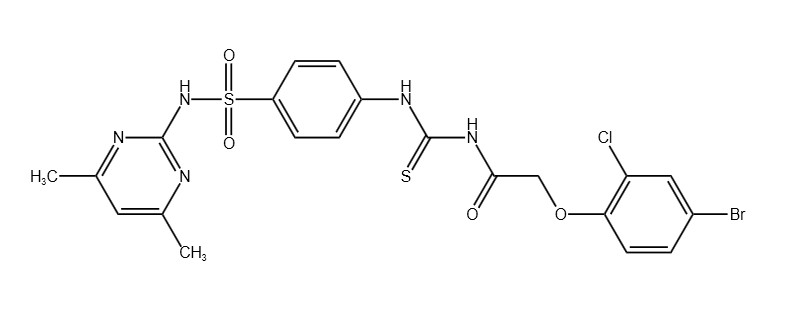
- CAS No.: 10179-57-4
- Pathways: Cell cycle/Checkpoint; MAPK; GPCR/G protein
- Targets: Ras; CDK
- Receptors: Cdc42
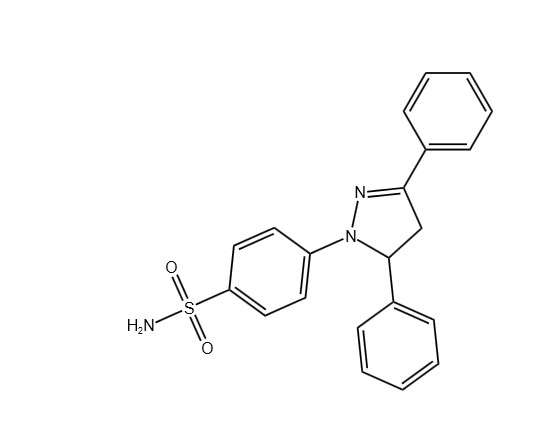
- CAS No.: 429653-73-6
- Pathways: Cell cycle/Checkpoint; MAPK; GPCR/G protein
- Targets: GTPase superfamily
- Receptors: Ras; Rho GEFs
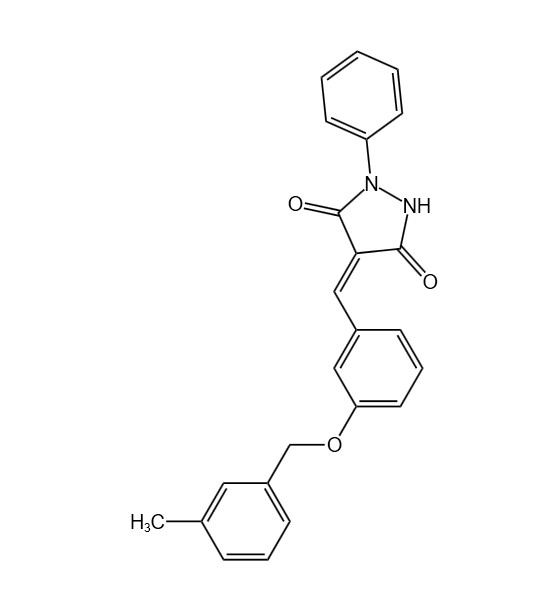
- CAS No.: 27200-12-0
- Pathways: Cell cycle/Checkpoint; Autophagy; Microbiology/Virology; DNA damage/DNA repair; Membrane transporter/Ion channel; Neuronal signaling; PI3K/Akt/mTOR signaling
- Targets: DNA/RNA synthesis; GABA receptor family; PI3K family
- Receptors: GABAR; mTOR
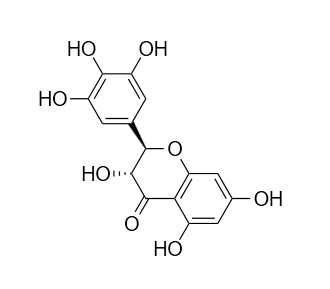
- CAS No.: 1207293-36-4
- Pathways: Cell cycle/Checkpoint; MAPK; Apoptosis; Chromatin/Epigenetic
- Target: Aurora kinase; MEK
- Receptor: Aurora A; Aurora B; Aurora C; MEK1; MEK2
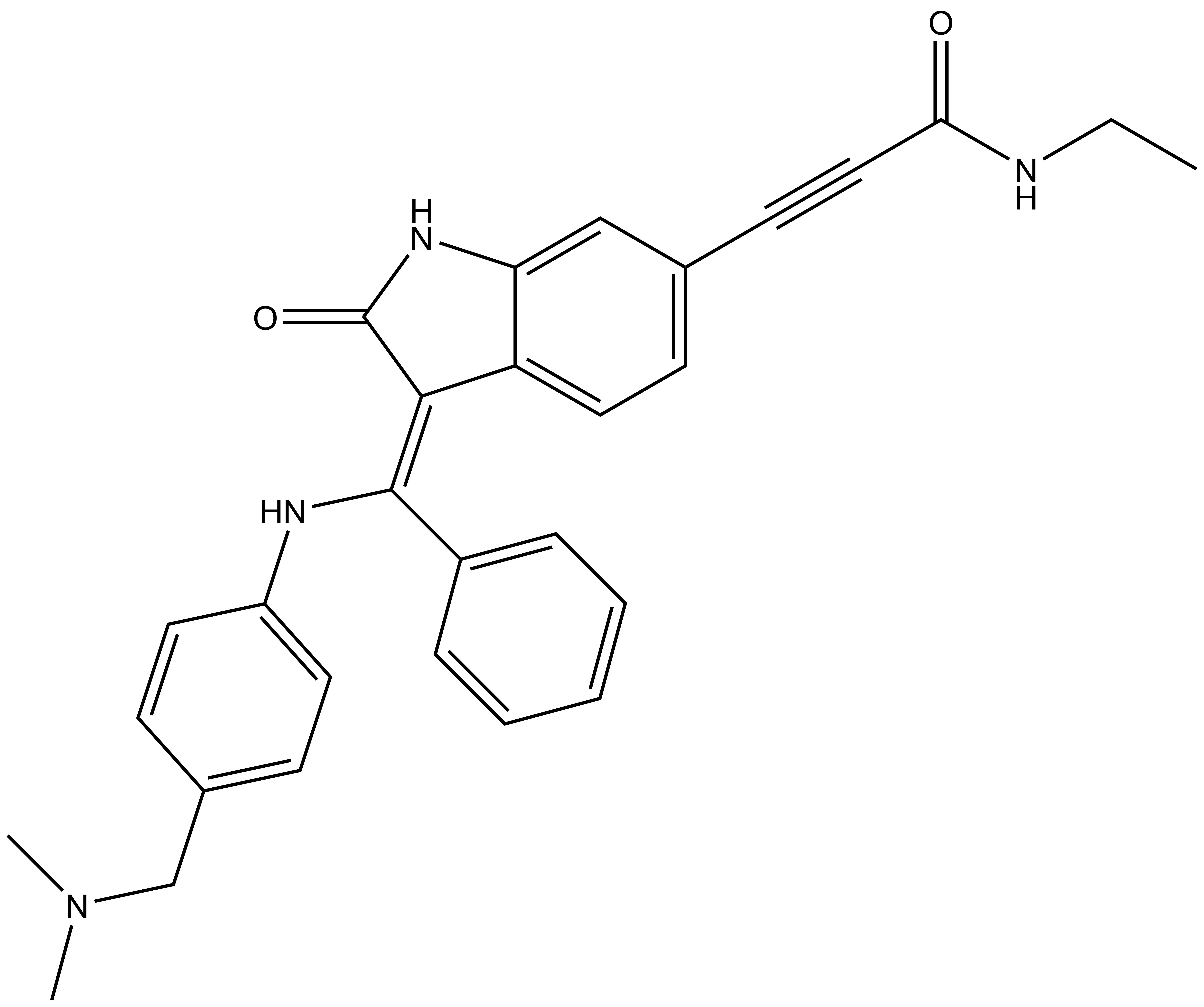
- CAS No.: 1849590-01-7
- Pathways: Cell cycle/Checkpoint; Apoptosis; MAPK; Immunology/Inflammation
- Target: PD-1/PD-L1; MNK
- Receptor: MNK1; MNK2; PD-1/PD-L1
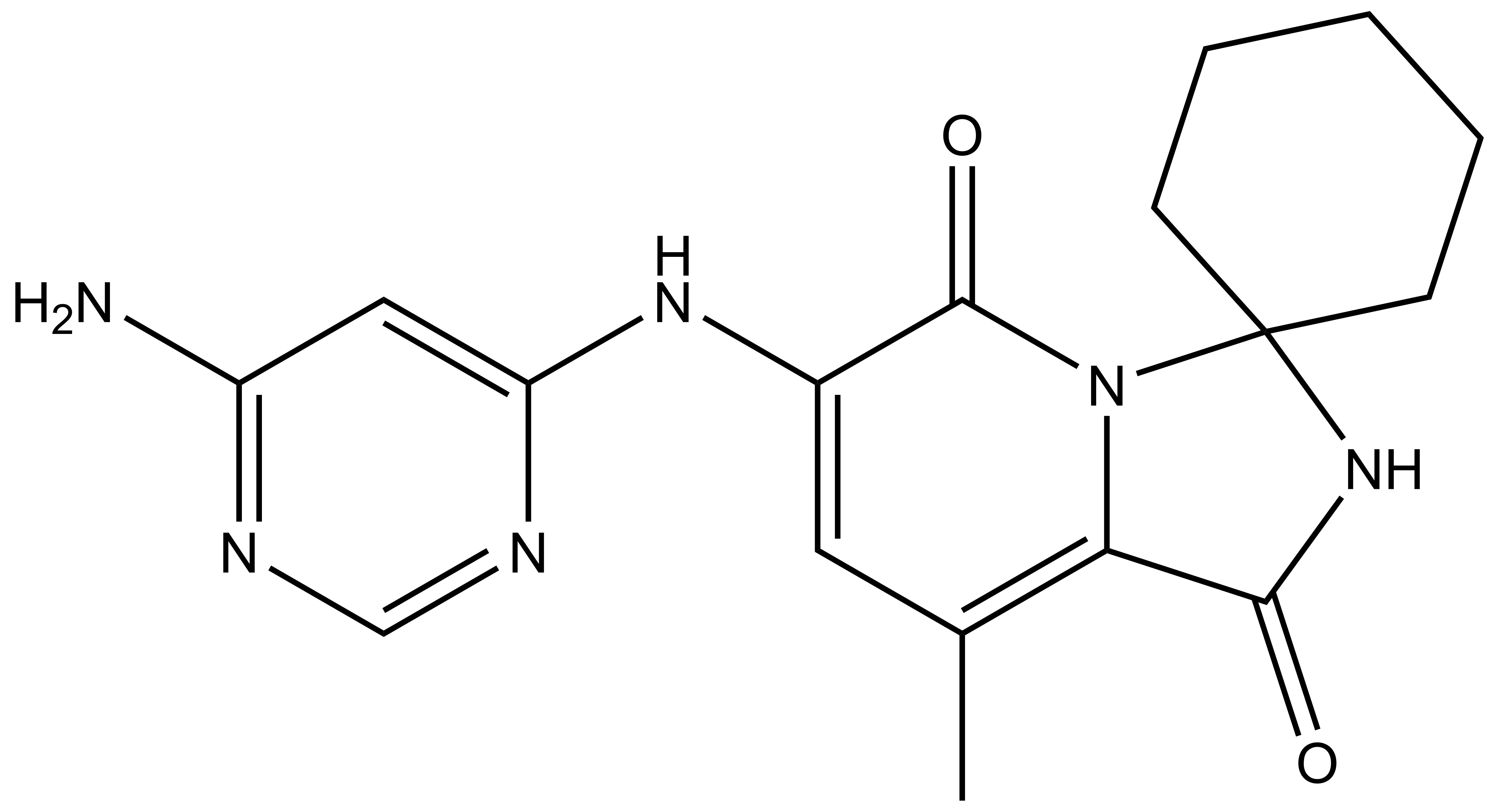
- CAS No.: 702674-56-4
- Pathways: Cell cycle/Checkpoint; Apoptosis; Angiogenesis; PI3K/Akt/mTOR signaling; Tyrosine kinase/adaptors
- Target: VEGFR; PKA; Chk; PDK; CDK
- Receptor: CDK2/CyclinE; Chk1; PDK1; PKA; VEGFR2 (KDR)
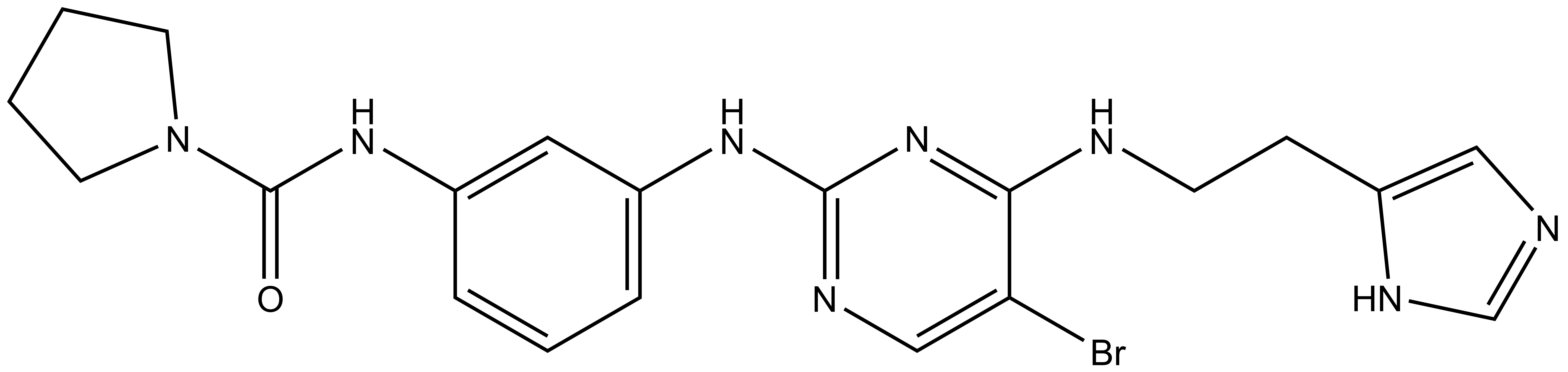
- CAS No.: 1550008-55-3
- Pathways: Cell cycle/Checkpoint; DNA damage/DNA repair; MAPK
- Target: DNA/RNA synthesis; KLF
- Receptor: KLF5