

Recombinant AAV in Obesity and Energy Metabolism Research
InquiryOverview
Adeno-associated virus (AAV) has become the recognized gold standard vector in the fields of gene therapy and functional genomics research. As a small, single-stranded DNA virus, AAV itself is non-pathogenic and exhibits exceptional safety. Its primary advantage lies in efficiently and stably delivering target genes—such as cDNA for overexpression or shRNA/miRNA for gene silencing—into both non-proliferating and proliferating cells, maintaining long-term and sustained gene expression. Crucially, it typically does not integrate into the host cell genome, thereby minimizing potential insertion mutation risks. Another key characteristic of AAV is its diverse serotypes, each exhibiting unique cellular and tissue tropism (i.e., affinity). This enables researchers to precisely deliver gene payloads to specific organs (such as the brain, liver, muscle, or eye), significantly advancing targeted therapies and complex disease model studies.
High-Quality AAV Facilitates Breakthroughs in Obesity Mechanism Research and Therapeutics
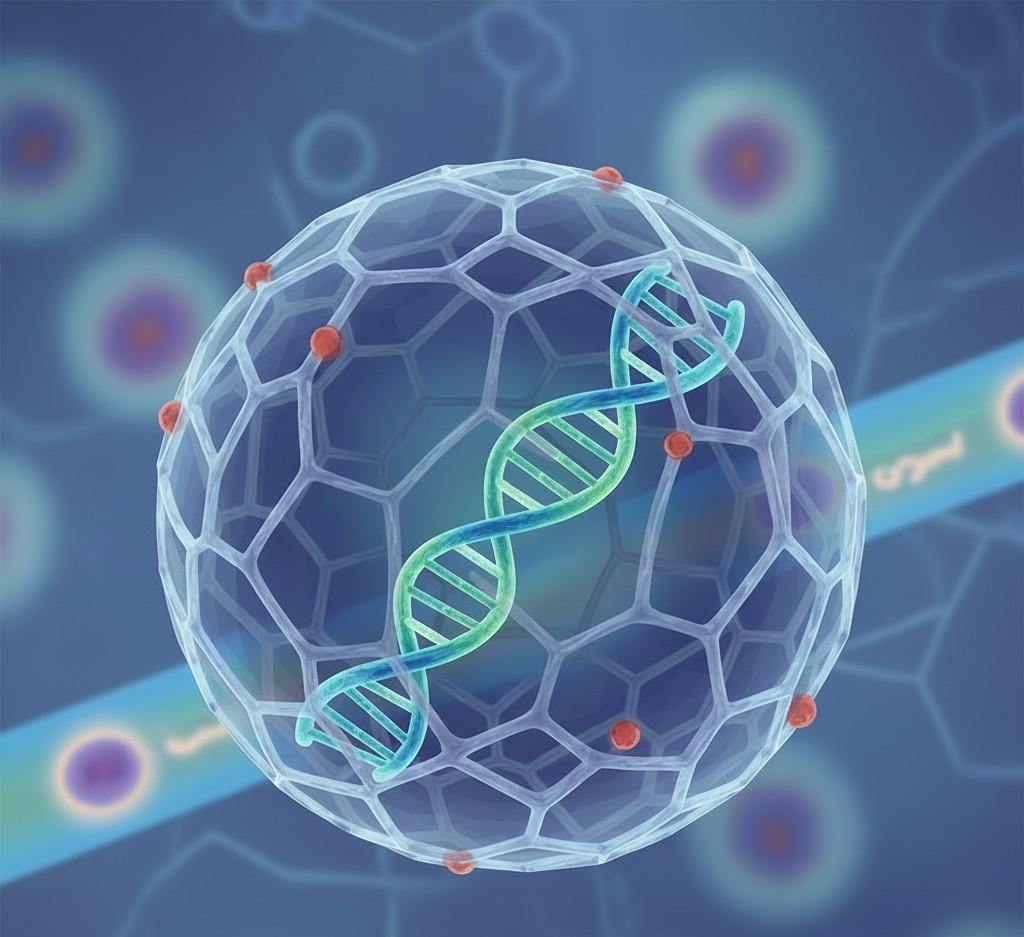
As biological experts with years of experience in developing high-end Viral Particles, Protheragen offers multiple recombinant AAV products specifically tailored for advanced obesity research. These are particularly suitable for gene overexpression and shRNA silencing applications targeting key genes involved in lipogenesis, hypothalamic appetite regulation, and hepatic lipid metabolism. By focusing on high-titer, low-endotoxin vectors, Protheragen provides the reliability required for obesity research.
- Gene Overexpression
Unlock precision in vivo gene delivery with AdipoUpX™ AAV particles. Known for their low immunogenicity and exceptional biosafety, our AAV vectors are optimized for tissue-specific overexpression in metabolic organs like the liver, skeletal muscle, and specific adipose depots. Utilizing diverse serotypes, we ensure high-fidelity expression for systemic or localized obesity research.
- Gene Silencing
Target metabolic pathways in vivo with LipoKnoxa™ shRNA AAV particles. Our AAV-shRNA platform allows for sustained gene silencing in non-dividing cells without the risk of genomic disruption. Ideal for long-term animal studies, these particles enable researchers to silence key obesity-related genes in different tissues with minimal inflammatory interference.
- Features
Protheragen leverages proprietary manufacturing platforms to produce high-quality AAV products.
- Design and Construction
We engineer custom vectors targeting obesity, integrating validated promoters (e.g., CMV, tissue-specific promoters) with optimized gene expression boxes or shRNA/miRNA hairpin structures. Through optimized mammalian cell culture, we maximize viral yield.
- AAV Serotype Selection
Targeted delivery is critical in obesity research. We offer an extensive serotype library encompassing AAV1, 2, 3, 4, 5, 6, 7, 8, 9, etc., ensuring precise delivery of target genes to specific metabolic tissues required for experiments. Accelerate obesity research with guaranteed purity and targeting accuracy.
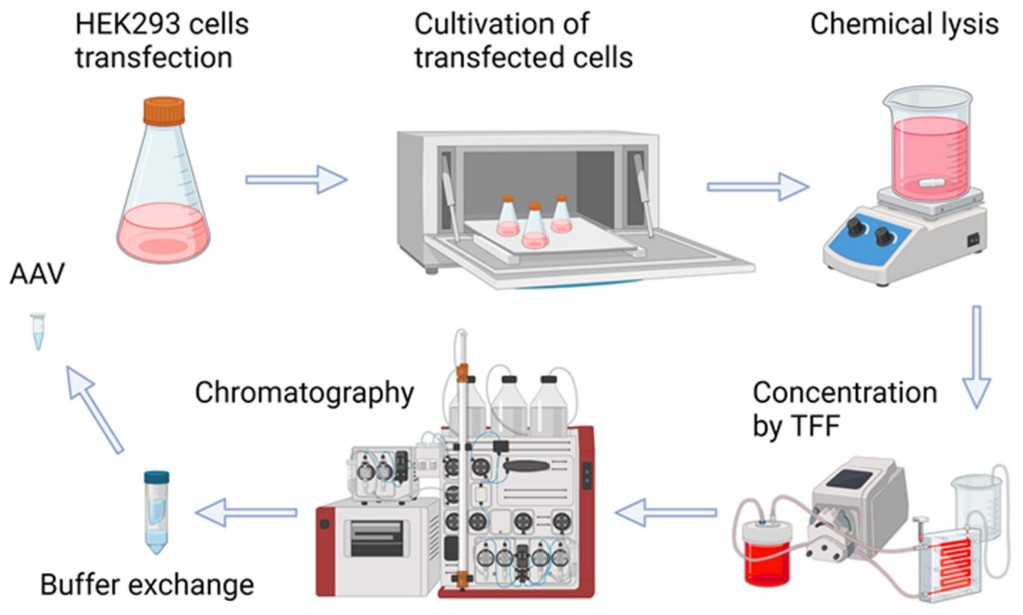 Fig.1 AAV production and purification. (Yunin, et al., 2024)
- Quality Control
All our AAV products undergo a comprehensive and rigorous quality testing protocol. Standard quality control items include: qPCR, endotoxin level detection, mycoplasma testing, sterility testing, and viral titer analysis. Additionally, for your specific needs in obesity research, we offer advanced customized quality control services upon request, along with in vitro/in vivo transduction efficiency and gene functional activity validation based on obesity models or key target cells.
- Design and Construction
Applications
- Central Regulation of Energy Balance: AVV viral particle products are used for targeted delivery to the hypothalamus (arcuate nucleus, anterior pituitary nucleus) to modulate neuropeptide expression, investigating mechanisms of appetite suppression or stimulation.
- Adipose Tissue Remodeling: AVV viral particle products are used to directly overexpress thermogenic genes or silence key lipid synthesis regulators in white or brown adipose tissue, studying fat mass reduction and energy expenditure.
- Functional Genomics Screening: Constructing high-titer, quality-controlled AAV libraries for in vivo loss-of-function screening to rapidly identify novel therapeutic targets involved in weight regulation.
Advantages
Targeted Obesity Delivery
Multiple AAV serotypes enable precise delivery of genetic payloads to specific metabolic organs, such as the hypothalamus within the central nervous system (CNS) that regulates appetite, or adipose tissue for brownification studies.
Highly Efficient and Reliable
Our streamlined proprietary production workflow ensures rapid turnaround, significantly accelerating your research progress while maintaining quality assurance.
Expert Consultation
Our PhD-level viral vector specialists collaborate with you to optimize vector design for complex obesity models, advising on promoter selection and shRNA efficacy to ensure successful transduction.
Publication Data
Title: Gene therapy approach for treatment of obese agouti mice
Journal: International Journal of Molecular Sciences, 2024
DOI: https://doi.org/10.3390/ijms252212144
Summary: This study utilized AAV as a vector to deliver three known pro-brownification genes—PRDM16, FoxP4, and follicle-stimulating hormone (FSH)—aiming to reduce fat accumulation and improve metabolism. Results showed that obese spiny mouse models exhibited a significant 10% to 14% weight reduction within just three weeks following gene therapy. Further lipidomics analysis revealed a marked decrease in low- and medium-chain triglycerides (TAGs) within adipose tissue. This finding offers a viable approach for developing anti-obesity therapies.
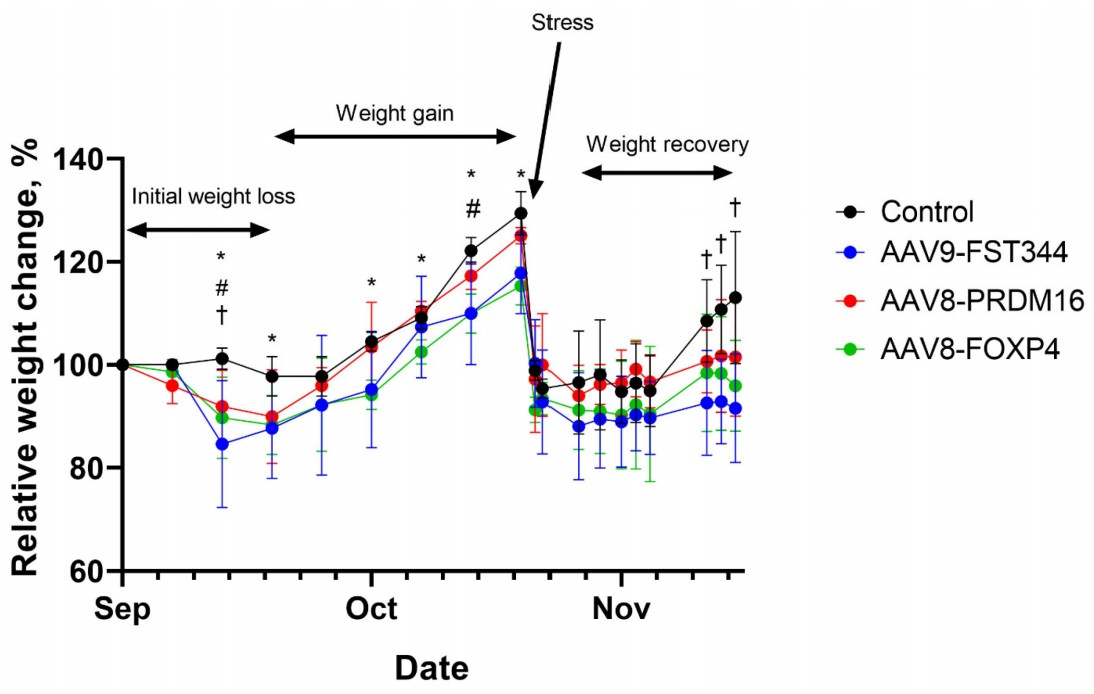 Fig. 2 Body weight changes before and after AAV administration. (Yunin, et al., 2024)
Customer Review
Precise Delivery
"We utilized Protheragen's AAV vectors for targeted gene delivery and investigated associated pathological changes. This provides a critical experimental foundation for unraveling underlying disease mechanisms."—Dr. R** S**
Reliable Custom AAV Products
"Protheragen delivers exceptional service. They customized reliable AAV products tailored to our modeling research needs. Rapid turnaround times and high-quality products have accelerated our fundamental research progress."—Dr. Ali** Gr**
Frequently Asked Questions
-
How to select the optimal AAV serotype for obesity research?
Serotype selection is critical for targeting. We offer a wide range of AAV serotypes. Please specify your target tissue and injection route, and our experts will recommend the optimal capsid.
-
Can AAV vectors be used for both in vitro cell culture and in vivo animal studies?
Yes, our research-grade AAVs are suitable for both applications. For large-scale critical animal studies, we strongly recommend using preclinical-grade AAVs. Their enhanced purification protocols and stringent quality control ensure regulatory compliance and data consistency.
-
How do I request a quote or initiate a project with Protheragen?
Initiating collaboration with Protheragen is straightforward. Submit your project requirements by visiting the product detail page of interest or clicking the consultation link below. Our technical team commits to responding within one business day, providing detailed project planning, customized solutions, and precise quotations to accelerate your research progress.
Protheragen is your trusted partner for high-impact metabolic research. We offer industry-leading expertise in producing ultra-pure, high-titer recombinant AAV products, which are essential for successful obesity gene overexpression and shRNA silencing studies. Contact us for AAV product details, to discuss custom solutions, or to receive a prompt and comprehensive quote.
Reference
- Yunin, M.A.; et al. Gene therapy approach for treatment of obese agouti mice. International journal of molecular sciences. 2024, 25(22):12144. (CC BY 4.0)
Recombinant AAV Products
- Species: Human
- Target Gene: LEP
- Vector System: AAV

- Species: Human
- Target Gene: FTO
- Vector System: AAV
- Species: Human
- Target Gene: MC4R
- Vector System: AAV
- Species: Human
- Target Gene: POMC
- Vector System: AAV
- Species: Human
- Target Gene: LEPR
- Vector System: AAV
- Species: Human
- Target Gene: PPARG
- Vector System: AAV
- Species: Human
- Target Gene: UCP3
- Vector System: AAV
- Species: Human
- Target Gene: GHRL
- Vector System: AAV
- Species: Human
- Target Gene: ADIPOQ
- Vector System: AAV
- Species: Human
- Target Gene: ADRB3
- Vector System: AAV