Epigenetics-Targeted Compounds
InquiryOverview
Obesity is a complex metabolic disease, the development of which is influenced by a variety of factors, including genes, environment, and lifestyle. In recent years, the role of epigenetics in obesity has received increasing attention. For example, DNA methylation is a form of epigenetic modification that affects gene expression. Research indicates that DNA methylation patterns within genes involved in adipocyte development and metabolism are significantly altered in individuals with obesity. In addition, obesity is associated with altered histone modifications that affect adipose tissue function and inflammatory responses.
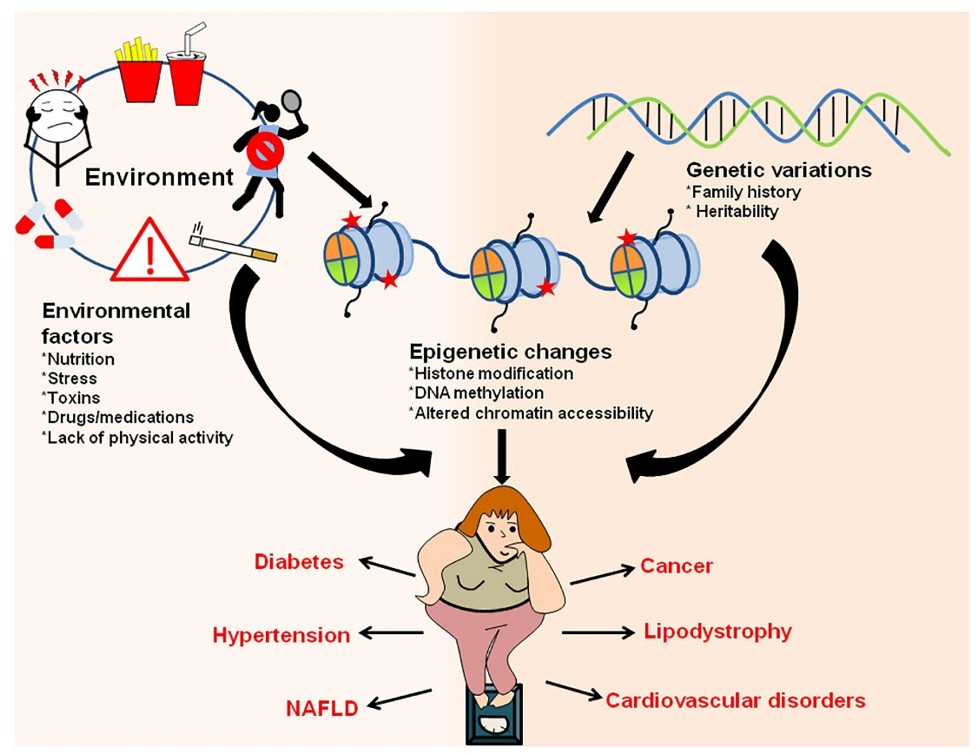
Unlock Obesity Mechanisms: Epigenetics Compound Library

Protheragen is committed to innovation and collaboration and looks forward to working with researchers to overcome the obesity challenge. We have designed the epigenetics compound library to provide researchers with powerful tools to explore the role of epigenetic regulation in obesity and to accelerate the development of anti-obesity drugs.
Features of the Epigenetics Compound Library
- The compound library covers a wide range of epigenetically relevant targets, including histone-modifying enzymes (histone deacetylases, histone acetyltransferases, lysine demethylases), DNA methyltransferases, etc., which play important roles in the development of obesity.
- The compound library contains chemically diverse, highly pure, pharmaceutically active, cell-permeable activators and inhibitors, providing researchers with a wide range of options for epigenetic studies to meet diverse experimental needs.
- A wide range of compounds is utilized for epigenetic studies, high-throughput screening, and high-content screening of new drugs for epigenetic modifications.
- In addition to the standard compound libraries we offer, we also provide highly flexible compound library customization services to meet your specific research needs.
Targets
| AMPK | Apoptosis | Aurora Kinase | Autophagy | CDK |
| Caspase | DNA Methyltransferase | Epigenetic Reader Domain | Endogenous Metabolite | HDAC |
| Histone Acetyltransferase | Histone Demethylase | Histone Methyltransferase | JAK | PARP |
| PKC | Sirtuin | Tyrosine Kinases | Wnt/beta-catenin | Others |
Applications
- Histone Modification Research: This compound library contains a variety of histone-modifying enzyme inhibitors and activators, which can be used to study the role of histone modification in lipid metabolism, inflammation, and other responses.
- DNA Methylation Research: This compound library contains DNA methylase inhibitors, which can be used to study the role of DNA methylation in the regulation of obesity-related gene expression.
- Anti-obesity Drug Screening and Development: This compound library can be used for high-throughput screening of compounds with high selectivity and activity based on known epigenetic targets, for rapid identification of compounds with anti-obesity potential, and for accelerating the development process of anti-obesity drugs.
Advantages
Precise Targeting and Coverage of Key Pathways
The compound library carefully selects compounds that target several key epigenetic targets, such as histone-modifying enzymes and DNA methylation enzymes, to ensure that researchers are able to explore the role of epigenetic regulation in obesity in depth.
High Compound Diversity and Wide Experimental Choices
The compound library contains compounds with multiple chemical structures and mechanisms of action, providing researchers with a wide range of choices to meet different experimental needs.
Strict Quality Control
All compounds undergo strict quality control to ensure the reliability of experimental results. Meanwhile, we have a professional team that can provide customers with professional consulting services and solve the problems they encounter in their experiments.
Publication Data
Title: Epigenetic regulation of adipogenesis in development of metabolic syndrome
Journal: Frontiers in Cell and Developmental Biology, 2021
DOI: https://doi.org/10.3389/fcell.2020.619888
Summary: This study analyzed the use of Phyllanthus emblica fractions in the prevention and treatment of obesity. The researchers utilized 3T3-L1 preadipocytes to assess their inhibitory effects on adipogenesis and associated epigenetic regulatory changes. After testing and analysis, it was found that the ethyl acetate fraction of P. emblica (EFPE) could effectively inhibit triglyceride (TG) production, lipid accumulation, histone acetyltransferase (HAT) activity, and regulate the expression of genes related to histone acetylation and adipogenesis. Among them, gallic acid (GA) had the strongest inhibitory effect. These results suggest that EFPE may prevent obesity by regulating histone acetylation.
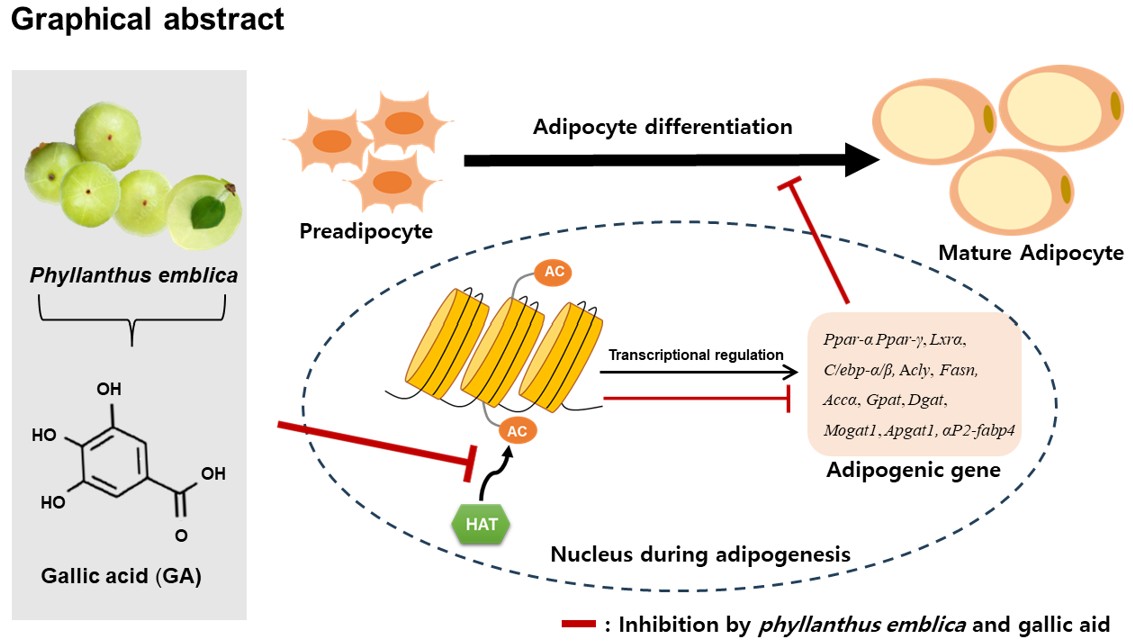 Fig.1 EFPE anti-obesity activity study. (Park, et al., 2025)
Epigenetic regulation of DNA methylation, histone acetylation, and chromatin folding is closely related to gene activation and expression. This study demonstrates the potential of modulating histone acetylation to improve the expression of adipogenic and lipogenic factors in the prevention of obesity, providing a feasible measure for anti-obesity research.
Customer Review
Uncovering Metabolic Insights through High-Fidelity Epigenetic Modulation
"The specificity of Protheragen’s epigenetic library was a game-changer for our study on adipocyte plasticity. We were able to identify three key inhibitors that significantly blunted high-fat diet-induced metabolic dysfunction. The data reproducibility we achieved with these high-purity compounds was exceptional."— Dr. Ju** St**, Principal Investigator
Accelerating Mechanistic Discovery in Adipocyte Plasticity
"In the fast-paced world of drug discovery, we needed a library that was both comprehensive and pre-validated. Protheragen delivered a precision-curated set that integrated perfectly into our high-throughput screening workflow. Their technical support team understands the nuances of chromatin-mediated regulation, making them a true partner in our obesity research."— Dr. Sa** Ch**, Senior Scientist
Frequently Asked Questions
-
What are the main goals of the Epigenetics compound library?
Epigenetic modifications (histone modifications, DNA methylation, and regulation of non-coding RNAs) are key mechanisms in the regulation of gene expression. These modifications can significantly affect an individual's susceptibility to obesity, as well as overall metabolic health. Our compound libraries are designed to provide researchers with a powerful tool for exploring the role of epigenetic regulation in the development of obesity and to accelerate the development of anti-obesity drugs.
-
What types of data do you provide?
The Epigenetics compound library provides a powerful tool for exploring novel anti-obesity therapeutic strategies. We provide a wide range of information to inform our customers' experimental design, including detailed compound information such as structure, target, activity data, IC50 value, and bioactivity description of each compound. This information is useful for understanding the nature of the compounds and potential interactions, selecting compounds that are relevant to your research goals, and accelerating the research process.
-
What specific epigenetic targets are covered in the Protheragen compound library?
Our library is meticulously curated to cover a broad spectrum of epigenetic regulators, including writers (e.g., DNA methyltransferases, histone acetyltransferases), erasers (e.g., HDACs, sirtuins), etc. This comprehensive coverage allows for deep exploration of various chromatin-mediated pathways in metabolic research.
Protheragen is your strong scientific partner in obesity research. We are committed to providing high-quality, high-purity compounds and comprehensive data support to help you make breakthroughs in exploring the epigenetic mechanisms of obesity and screening for potential anti-obesity drugs. Please feel free to contact us if you have any questions or needs. We are looking forward to working with you to explore the mystery of obesity.
References
- Pant, R.; et al. Epigenetic regulation of adipogenesis in development of metabolic syndrome. Frontiers in Cell and Developmental Biology. 2021, 8: 619888.
- Park, S.K.; et al. Phyllanthus emblica prevents adipogenesis by regulating histone acetylation. Foods. 2025, 14(2): 160.
Epigenetics-Targeted Compounds
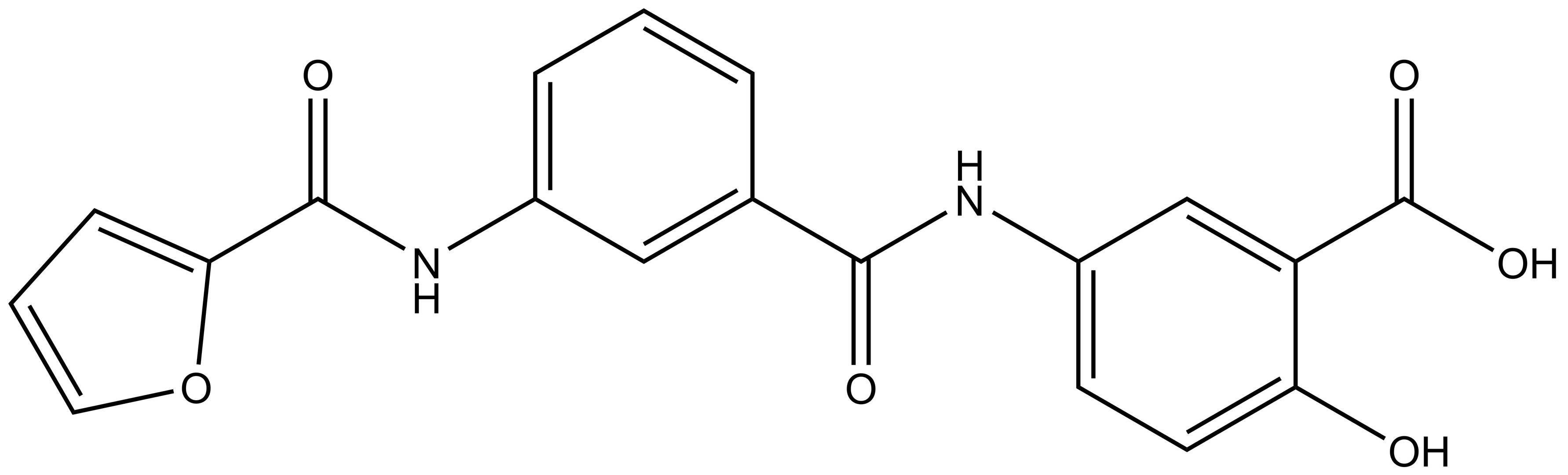
- CAS No.: 1001645-58-4
- Pathways: Epigenetics
- Target: Sirtuin
- Receptor: SIRT1
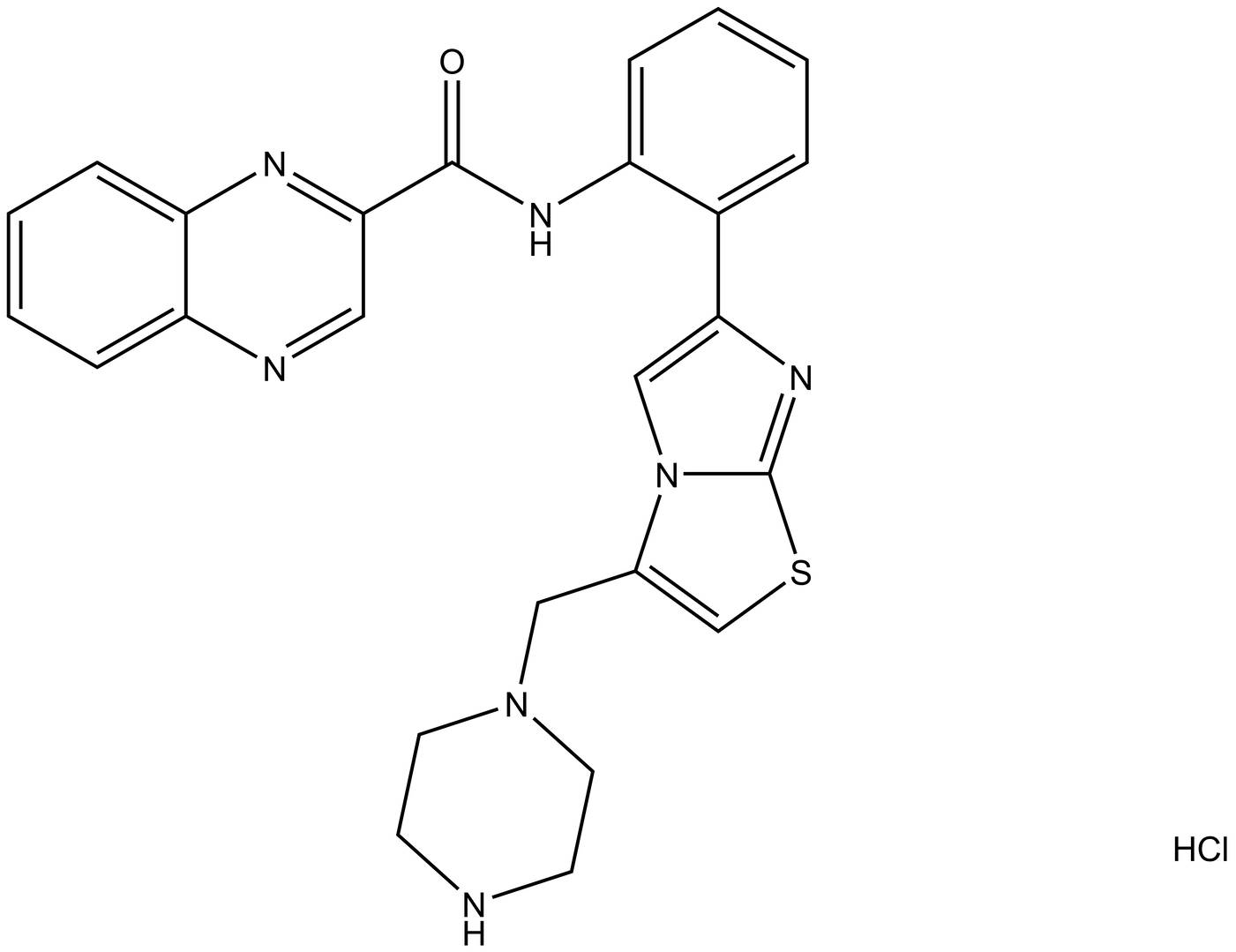
- CAS No.: 49843-98-3
- Pathways: Epigenetics
- Target: Sirtuin
- Receptor: SIRT1
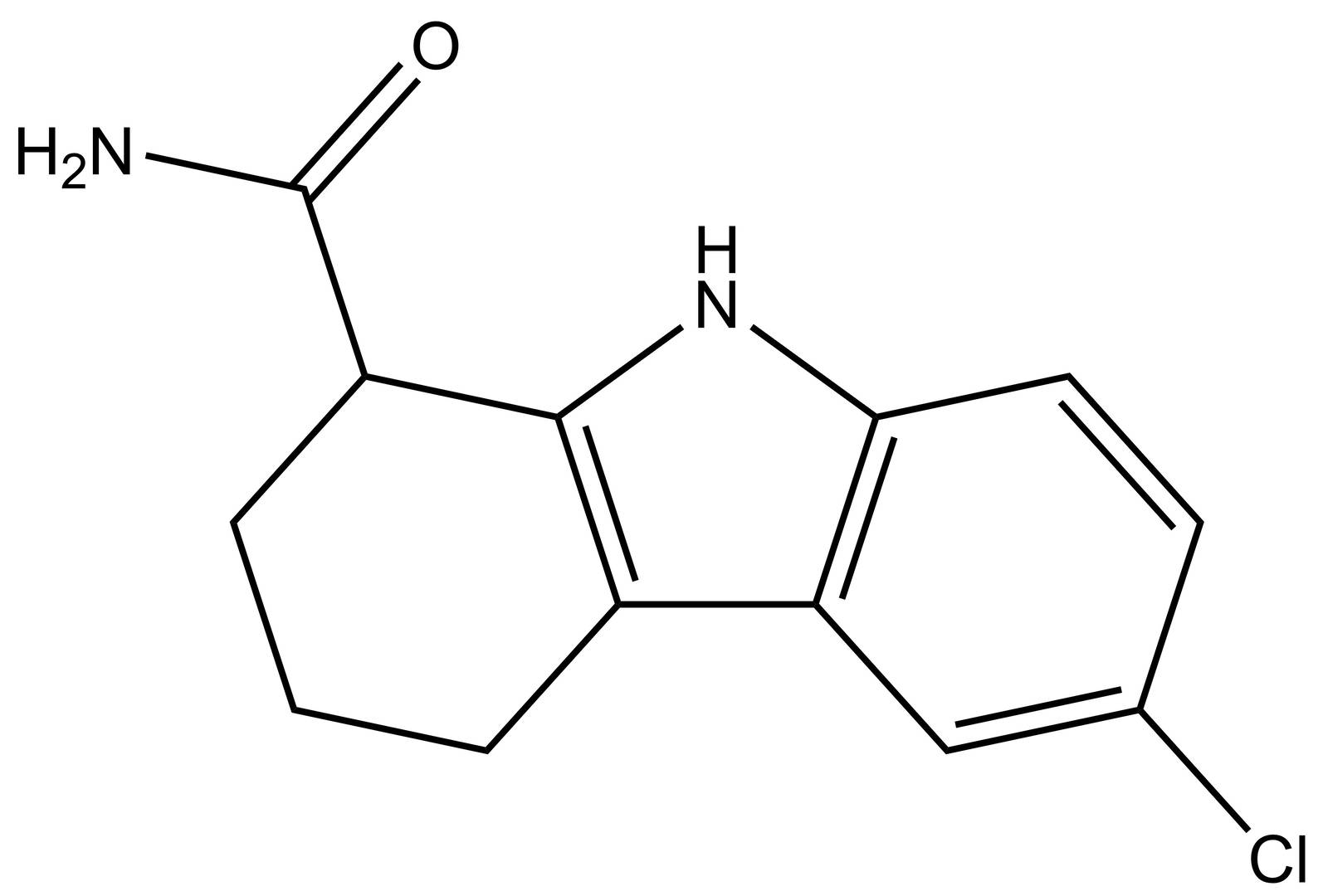
- CAS No.: 410536-97-9
- Pathways: Epigenetics
- Target: Sirtuin
- Receptor: SIRT1; SIRT2
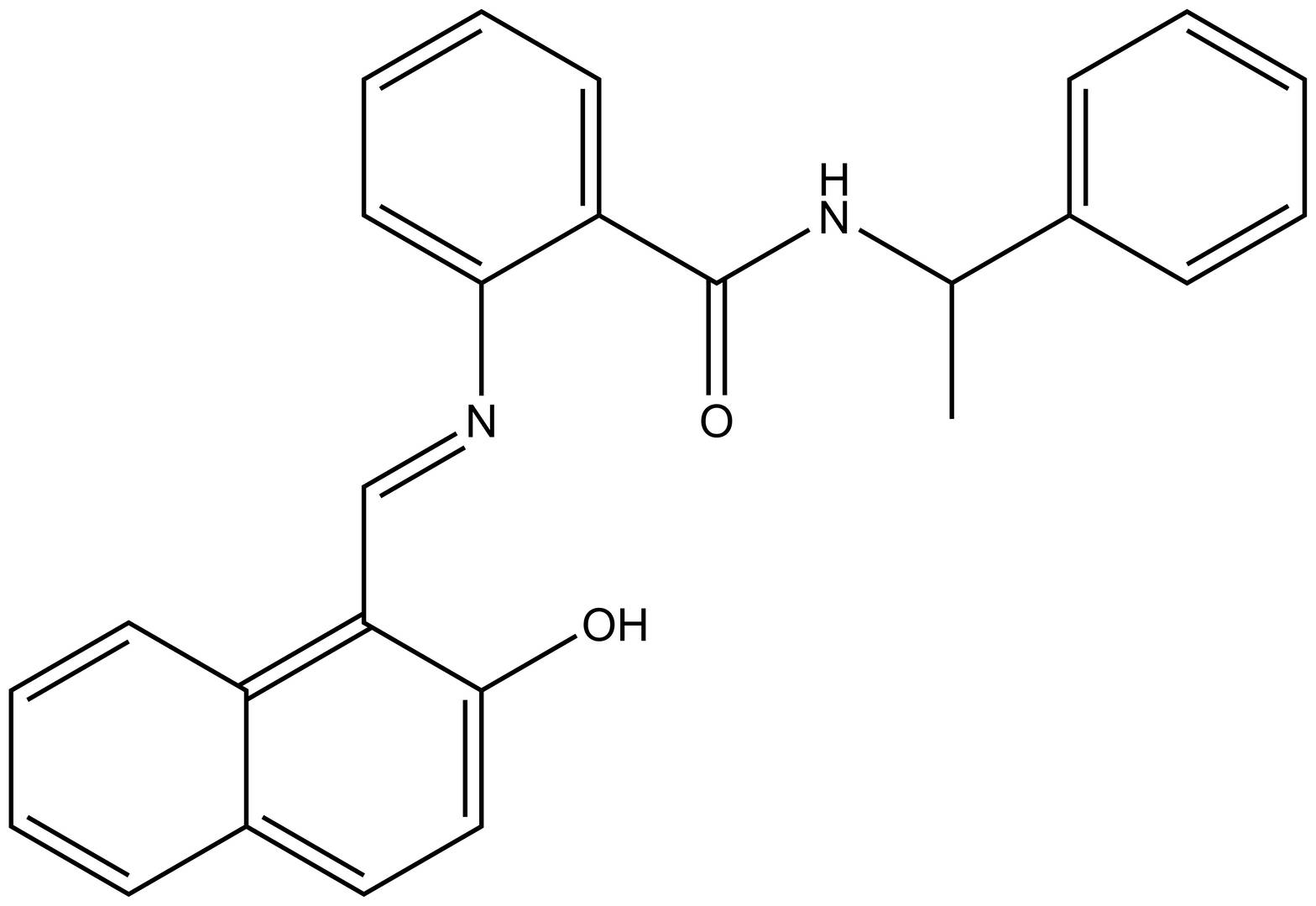
- CAS No.: 11042-64-1
- Pathways: Epigenetics
- Target: DNA methyltransferase
- Receptor: DNMT1
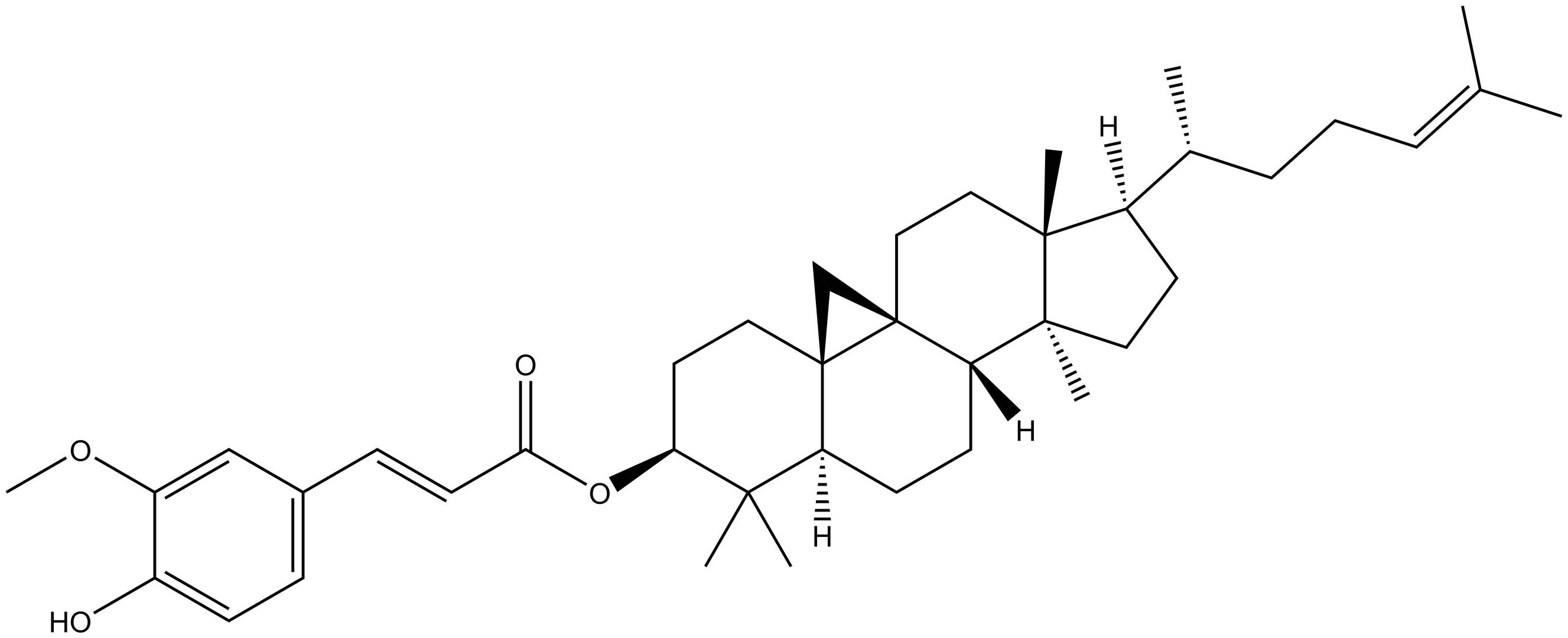
- CAS No.: 121521-90-2
- Pathways: Epigenetics
- Target: Sirtuin
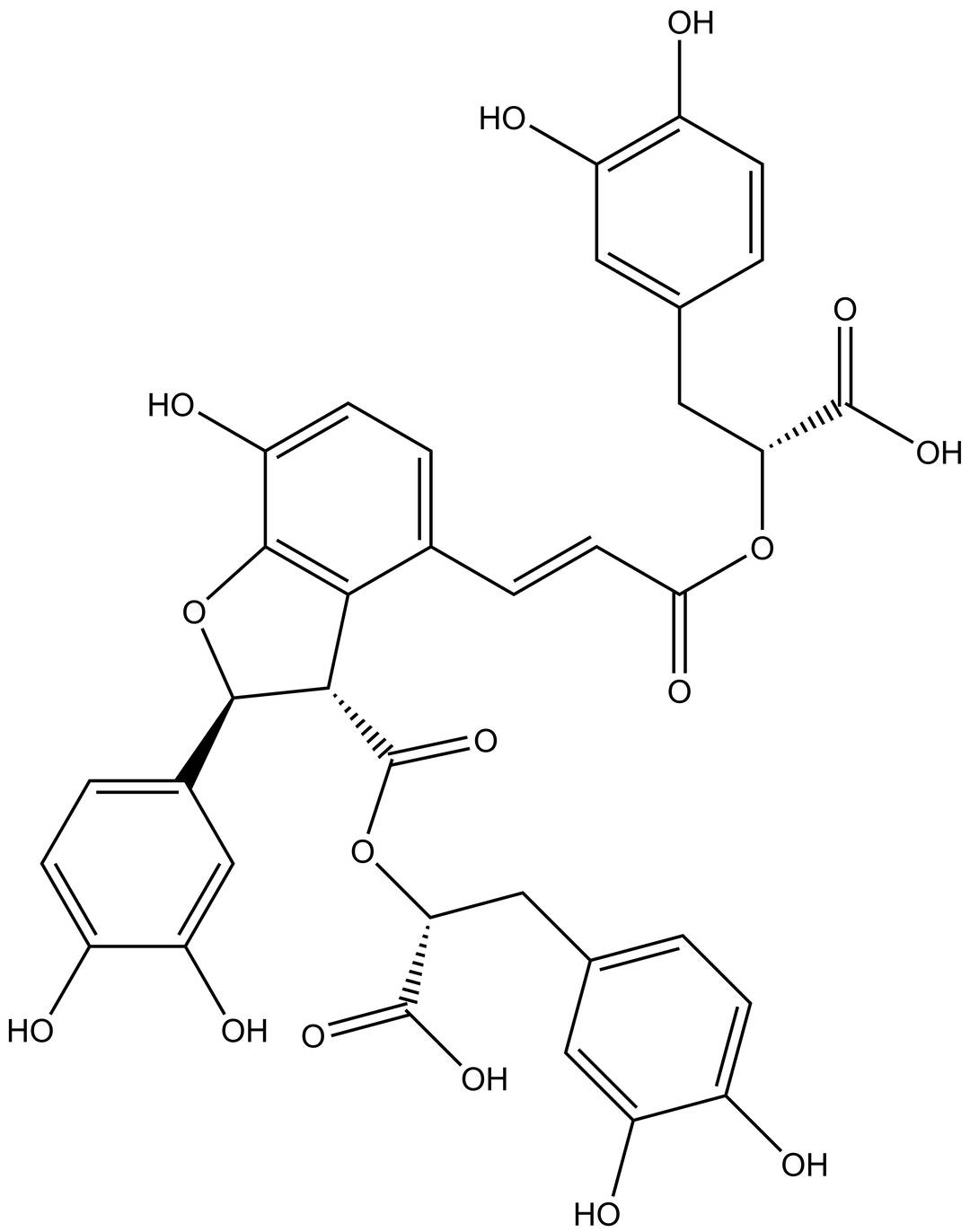
- CAS No.: 420831-40-9
- Pathways: Epigenetics
- Target: Sirtuin
- Receptor: SIRT2
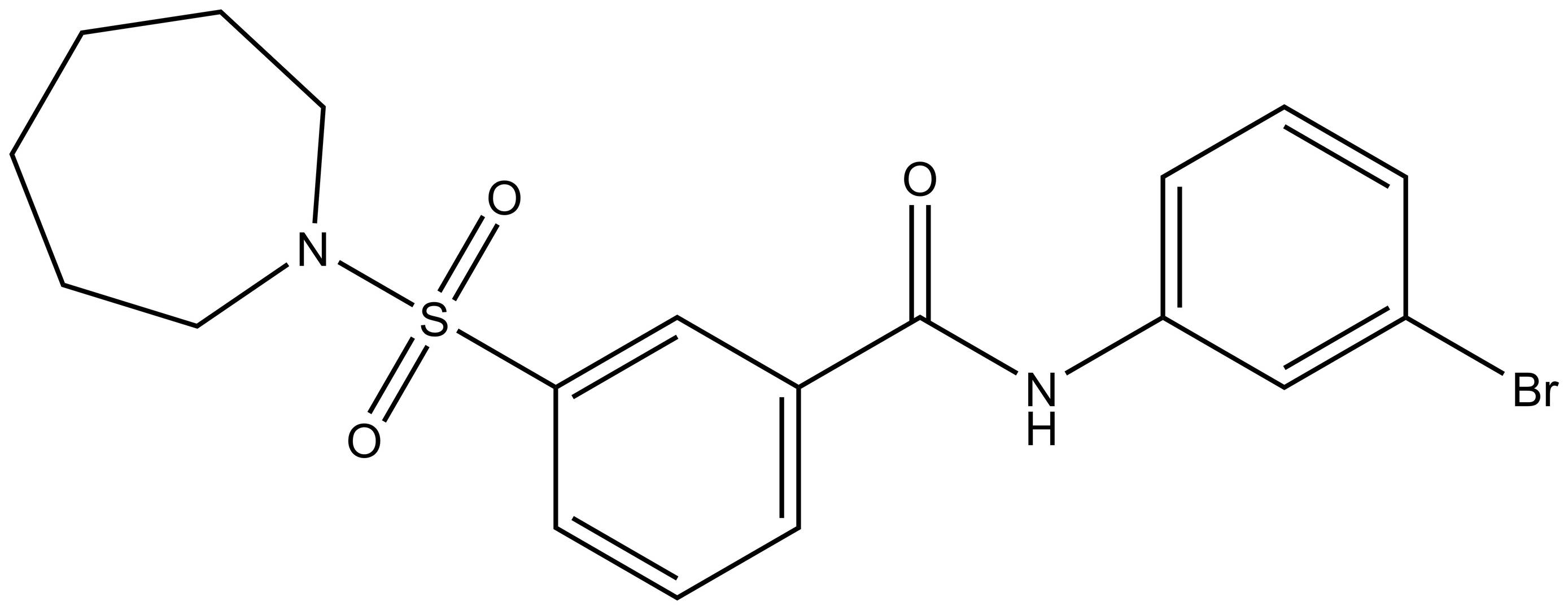
- CAS No.: 374922-43-7
- Pathways: Epigenetics
- Target: Sirtuin
- Receptor: SIRT1
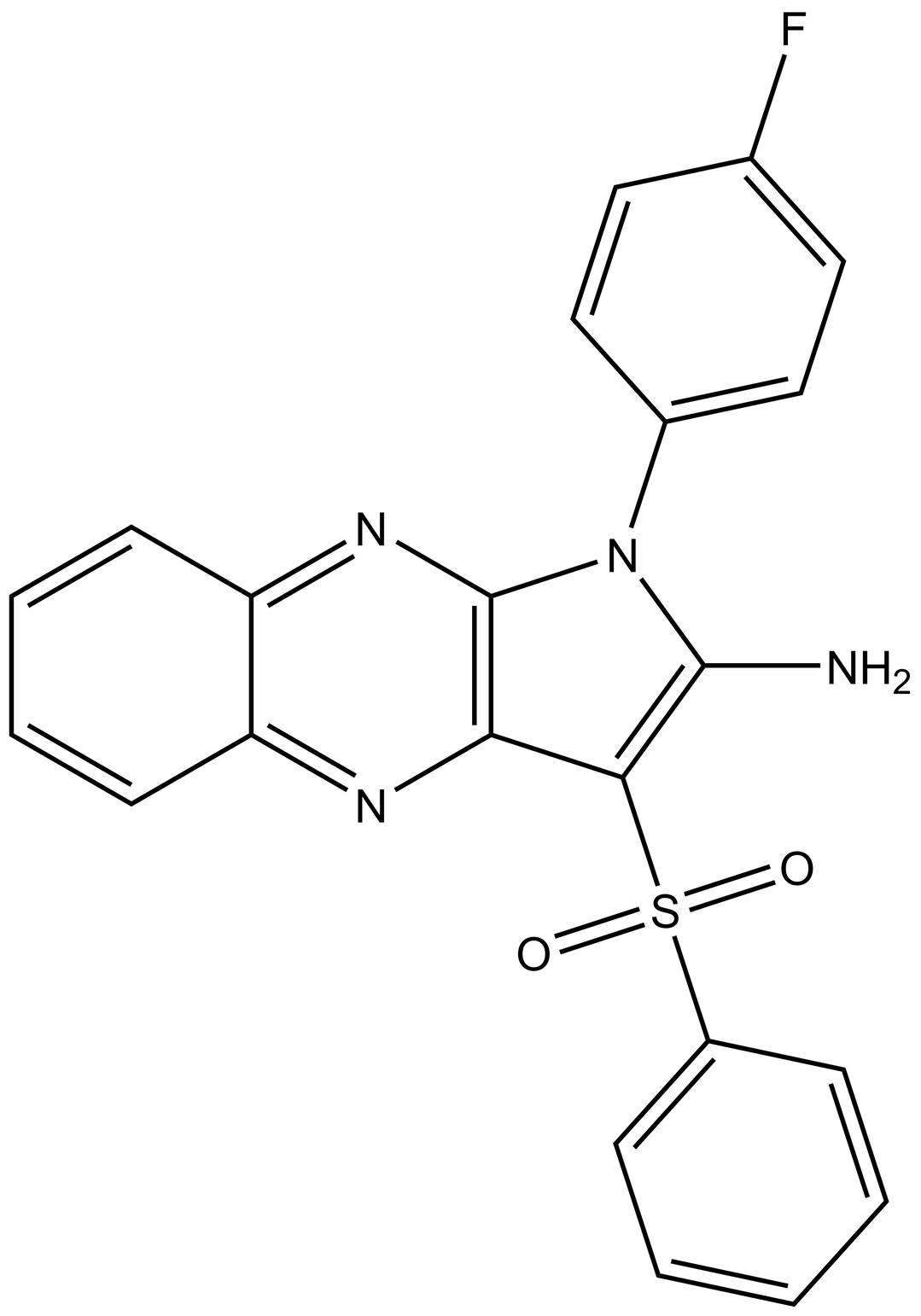
- CAS No.: 709002-46-0
- Pathways: Epigenetics
- Target: Sirtuin
- Receptor: SIRT2
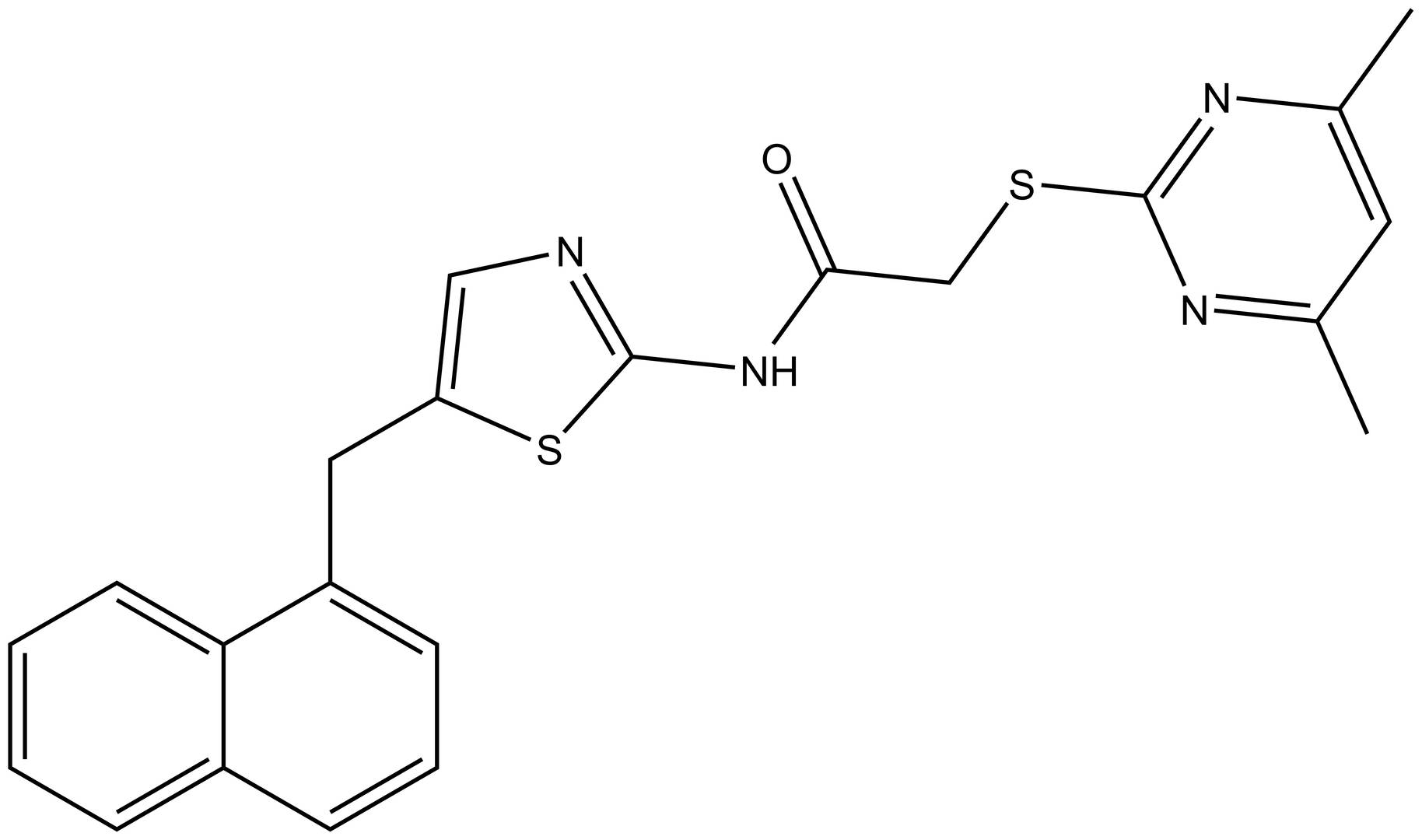
- CAS No.: 887686-02-4
- Pathways: Epigenetics
- Target: Sirtuin
- Receptor: SIRT1; SIRT2; SIRT6