ER Stress/UPR-Targeted Compounds
InquiryOverview
Obesity is a global health challenge that is strongly associated with multiple metabolic diseases. In recent years, ER stress and UPR have been shown to play key roles in intracellular homeostatic imbalance and are playing an increasingly important role in the onset and progression of obesity. Metabolic disorders induced by obesity in the study area can lead to ER stress and affect adipocyte function, metabolism, and related inflammation. Targeting ER stress/UPR is a new strategy to develop novel anti-obesity therapies.
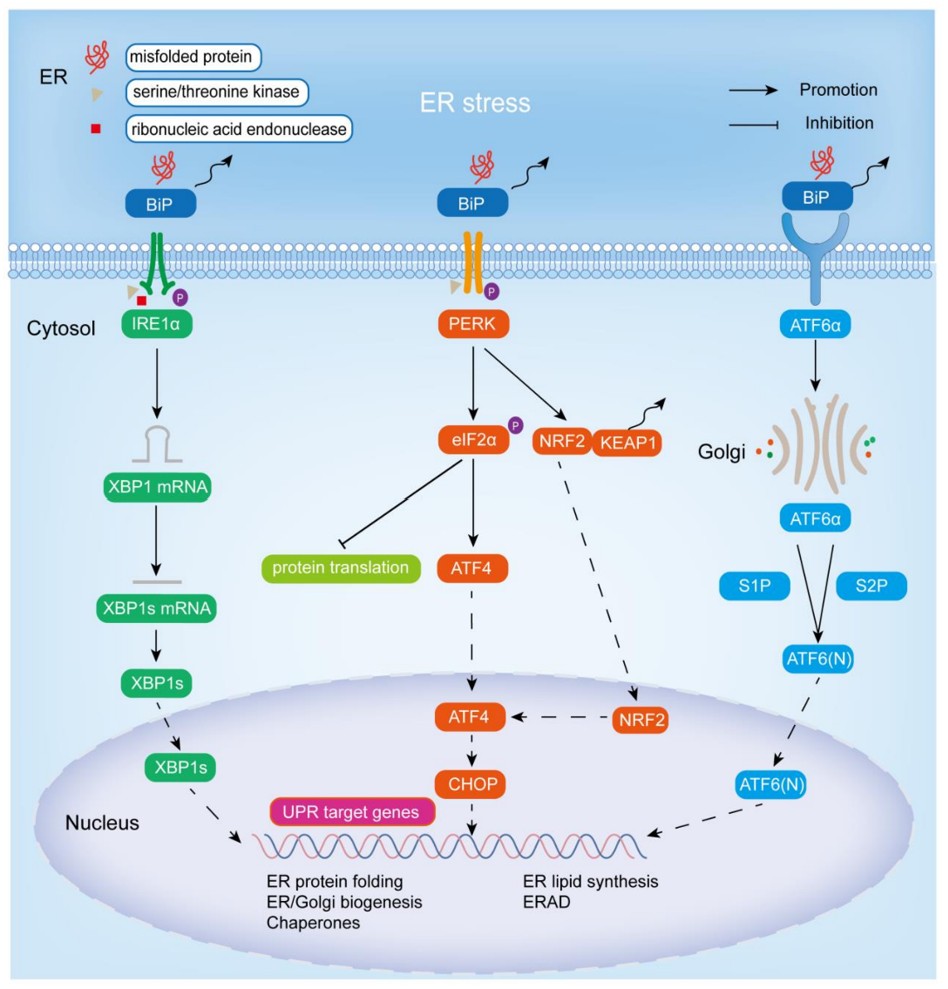 Fig.1 ER stress and UPR signaling pathway. (Huang, et al., 2023)
Innovative Tools for Anti-Obesity Research - ER Stress/UPR Library
Protheragen is deeply involved in the field of obesity research and has launched the ER stress/UPR library. It is a powerful screening tool designed to help researchers accelerate the discovery of potent ER stress/UPR modulators for the treatment of obesity and its related complications.
The ER stress/UPR library contains known or potential modulators of the ER stress and UPR pathways. They act by targeting key ER stress/UPR components, e.g., affecting ER folding, chaperone function, calcium homeostasis, and so on. Compounds are carefully selected and optimized to ensure compound diversity and pharmacological activity, providing the basis for anti-obesity drug discovery. We also provide libraries of compounds in different sizes or customized according to the specific research needs of our clients. These compounds mainly target PERK, IRE1, ATF6, ER chaperone proteins, and so on.
| Apoptosis related | ATF-6 | eIF | HSP (HSP90) | Interleukins |
| IRE1 | NF-κB | PDI | PERK | Phosphatase |
| PKR | ROS | Others |
Applications
- Anti-obesity Drug Screening: ER stress/UPR compound libraries are used for high-throughput or high-content screening of potential ER stress/UPR modulators to discover novel compounds with the ability to ameliorate obesity symptoms.
- ER Stress/UPR Pathway Mechanistic Studies: The ER stress/UPR compound library is utilized to provide insights into the mechanisms of ER stress and UPR in obesity processes such as adipokine secretion and inflammatory responses.
- Target Validation and Confirmation: Researchers can utilize the compounds in the library as an effective tool to validate the potential of specific targets in the ER stress/UPR pathway in anti-obesity therapy.
Advantages
High Relevance
The ER stress/UPR library has been carefully selected to focus on targets and mechanisms that are closely related to the ER stress and UPR pathways, which are highly relevant to anti-obesity research and increase the likelihood of discovering novel lead compounds.
Quality Assurance
All compounds in the ER stress/UPR library undergo stringent quality control to ensure high purity and accurate structure identification.
Detailed Data Support
We provide detailed information on each compound, including structure, CAS number, molecular weight, and relevant biological activity data.
Publication Data
Title: Chemical chaperones reduce ER stress and adipose tissue inflammation in high fat diet-induced mouse model of obesity
Journal: Scientific Reports, 2016
DOI: https://doi.org/10.1038/srep27486
Summary: It has been shown that ER stress is increased in adipose tissue under obese conditions and is strongly associated with chronic inflammation. This study analyzed the effects of ER stress on adipokine secretion in obese mice under high-fat diet-induced obesity conditions. It was found that obesity leads to enhanced ER stress and triggers chronic inflammation. Chemical chaperones can improve metabolic disorders, alleviate ER stress, and reduce inflammatory cytokine levels, and IKK/NF-κB may play a role in signaling related to endoplasmic reticulum stress-induced aberrant adipokine secretion.
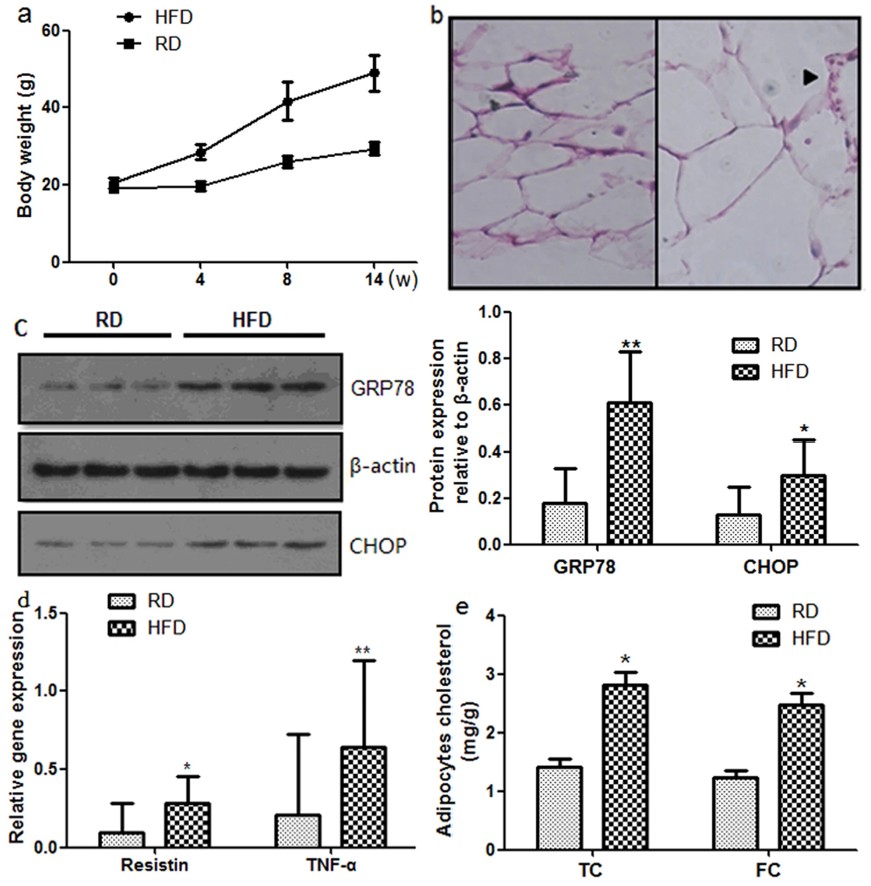 Fig.2 High-fat diet affects endoplasmic reticulum stress and chronic inflammation in obese adipose tissue. (Chen, et al., 2016)
The ER of adipocytes plays an important role in adipokine secretion. Failure of ER adaptive capacity leads to activation of ER stress, also known as UPR. This study demonstrates to us that inhibition of endoplasmic reticulum stress may be an effective strategy for the treatment of obesity, and indirectly demonstrates the role of the ER stress/UPR compound library in the screening and development of anti-obesity drugs.
Customer Review
Deciphering the ER Stress Blueprint in Metabolic Syndrome
"Protheragen's ER stress library provided us with a high-resolution toolset to dissect the UPR signaling branches in insulin-resistant tissues. The inhibitors targeting the PERK and IRE1α pathways were instrumental in our recent study on hepatic steatosis. The compounds' consistent bioactivity and lack of cytotoxic impurities allowed us to generate clean, high-impact data that significantly advanced our project."— Dr. Al*** Va**
A Robust Foundation for High-Throughput UPR Modulator Screening
"What sets Protheragen apart is the thoughtful curation of their UPR-targeted library. We integrated their pre-formatted plates into our high-throughput phenotypic screening for proteostasis enhancers. The structural diversity of the molecules and the comprehensive documentation provided enabled us to fast-track our lead optimization phase. Protheragen is undoubtedly our go-to partner for protein folding and ER homeostasis research."— Dr. El** Ro***
Frequently Asked Questions
-
What is the connection between ER stress, UPR, and obesity?
Studies have shown that in the state of obesity, cells, especially adipocytes, hepatocytes, etc., are accompanied by ER stress, which leads to the accumulation of unfolded or misfolded proteins, thus triggering the UPR. The UPR aims to restore ER homeostasis. However, persistent or excessive UPR activation may lead to cellular dysfunction and increased inflammatory responses, thereby promoting the development and progression of obesity-related diseases. Therefore, modulation of ER stress and UPR pathways provides potential therapeutic targets to improve obesity status and related metabolic diseases.
-
Is the ER stress/UPR library suitable for high-throughput screening?
The ER stress/UPR library is provided in a ready-to-use format and can be used directly for high-throughput screening or high-content screening and to accelerate anti-obesity studies.
-
How is the purity of the ER stress/UPR library ensured?
All compounds in the ER stress/UPR library undergo stringent quality control, including purity testing and structural characterization by methods such as high-performance liquid chromatography (HPLC) and nuclear magnetic resonance (NMR), to ensure their high quality.
Protheragen offers high-quality anti-obesity compound library products. By utilizing our compound libraries, we can help you effectively explore and discover novel anti-obesity drug candidates targeting the ER stress/UPR pathway. Please feel free to contact us for details of our ER stress/UPR compound library.
References
- Chen, Y.; et al. Chemical chaperones reduce ER stress and adipose tissue inflammation in high fat diet-induced mouse model of obesity. Scientific reports. 2016, 6(1): 27486.
- Huang, W.; et al. ER stress, the unfolded protein response and osteoclastogenesis: a review. Biomolecules. 2023, 13(7): 1050.
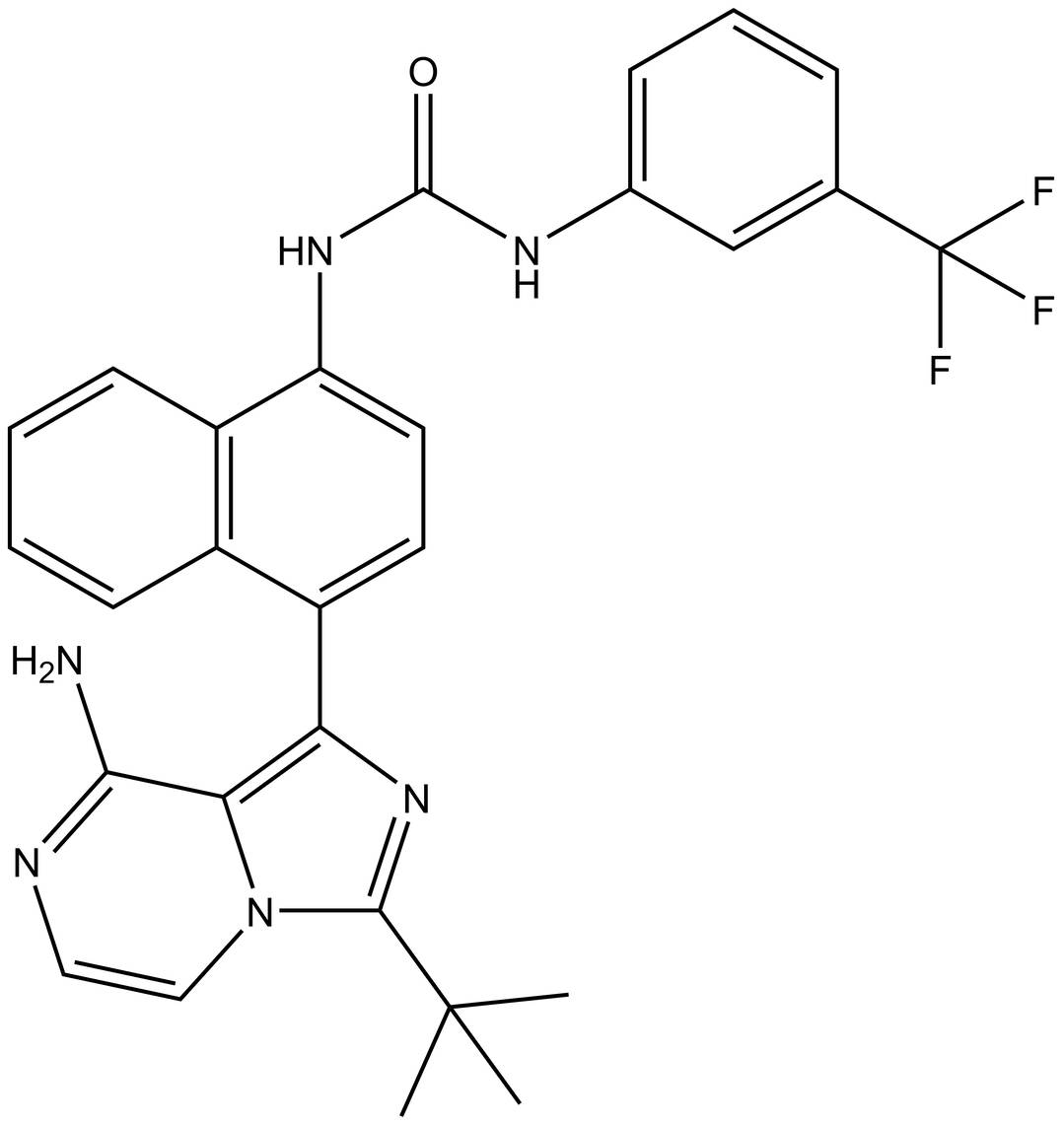
ER Stress/UPR-Targeted Compounds
- CAS No.: 1589527-65-0
- Pathways: ER stress & UPR
- Target: IRE1
- Receptor: IRE1α