
Amino Acid and Trace Amino Acid Metabolism Analysis Service
InquiryObesity is no longer viewed merely as a disorder of lipid storage but as a complex metabolic syndrome involving systemic dysregulation of protein and amino acid metabolism. Emerging preclinical research has identified branched-chain amino acids (BCAAs)—leucine, isoleucine, and valine—as critical biomarkers for insulin resistance and adipose tissue dysfunction. Furthermore, trace amino acids and their derivatives, such as glutamate and aromatic amino acids (AAAs), play pivotal roles in signaling pathways that govern energy homeostasis.
Amino Acid and Trace Amino Acid Metabolism Analysis for Obesity Research
At Protheragen, we provide high-precision metabolic profiling designed to map these intricate pathways. Our service focuses on the quantitative and qualitative analysis of amino acid flux, enabling researchers to uncover how specific metabolic signatures correlate with obesity progression, inflammation, and metabolic "cross-talk" between organs in animal models and cell cultures.
Core Technologies
The analytical rigour of Protheragen is built upon a foundation of high-resolution instrumentation and proprietary chemical methodologies, specifically tuned for the complex matrices found in obesity research.
- Liquid Chromatography Tandem Mass Spectrometry (LC-MS/MS) Quantitative Platform
We utilize triple quadrupole mass spectrometry coupled with ultra-high performance liquid chromatography (UHPLC) to provide the "gold standard" in amino acid quantification. This system is optimized for high-throughput analysis, offering the sensitivity required to detect trace amino acids in the nanomolar range.
- High-Resolution Mass Spectrometry (HRMS)
For discovery-based obesity studies, our Orbitrap-based HRMS platforms allow for the profiling of unknown metabolites and derivatives, providing a comprehensive view of the metabolic deviations in adipose and hepatic tissues.
- Advanced Chemical Derivatization
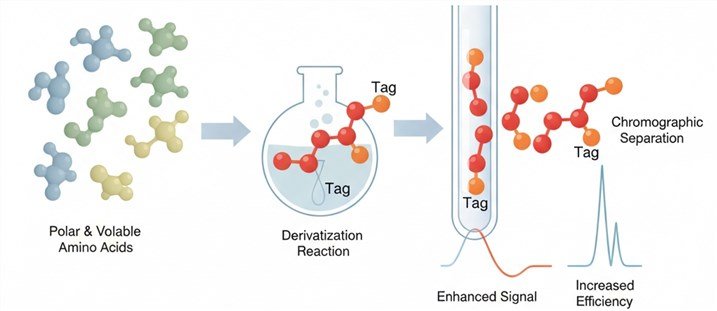
To overcome the inherent volatility and high polarity of amino acids, we employ specialized derivatization techniques. This process enhances the ionization efficiency and chromatographic separation, ensuring that even the most challenging trace metabolites are accurately captured.
- Automated Sample Preparation Systems
To eliminate human error and ensure batch-to-batch reproducibility, our laboratory utilizes automated liquid handling workstations. This is critical for large-scale preclinical studies where consistency across hundreds of samples is paramount.
- Bioinformatics & Pathway Analysis Software
Beyond raw data, we integrate sophisticated software suites that map amino acid flux onto established metabolic pathways, such as the mTOR signaling and urea cycles, providing immediate biological relevance to your findings.
Inquire with Our Technical Team for a Detailed Platform Specification.
Service Scope
Our analysis covers a broad spectrum of metabolites essential for obesity and metabolic syndrome research:
- Proteinogenic Amino Acids
Absolute quantification of all 20 standard amino acids.
- BCAA & Derivatives
Detailed monitoring of valine, leucine, isoleucine, and their respective keto-acids (BCKAs).
- Trace & Biogenic Amines
Analysis of GABA, taurine, ornithine, citrulline, and neurotransmitter precursors.
- Sulfur-containing Amino Acids
Evaluation of methionine and cysteine cycles, often linked to oxidative stress in Obese Models.
- Custom Panels
Specialized detection of modified amino acids or specific metabolites relevant to the gut-brain-adipose axis.
Workflow
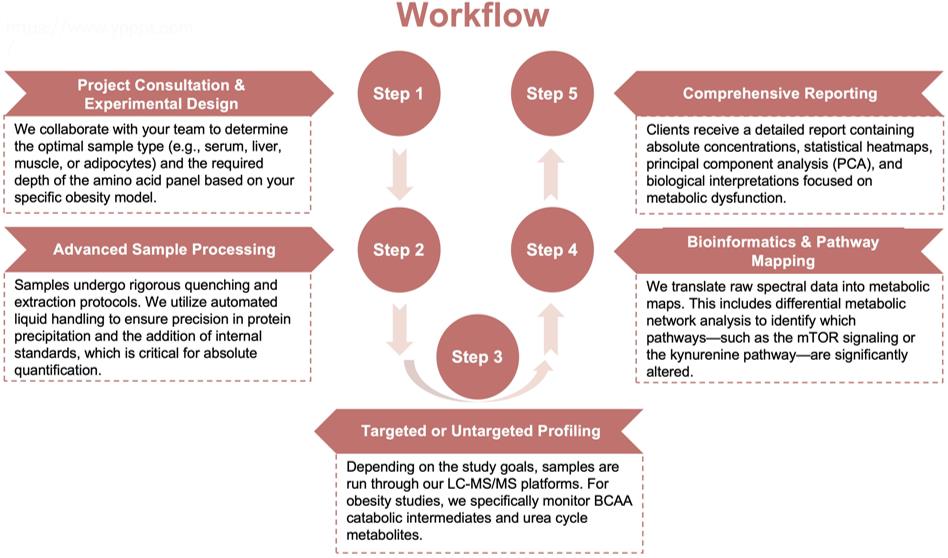
Our standardized workflow is designed to provide seamless transitions from raw samples to actionable biological insights:
Fields of Application
Our amino acid and trace amino acid metabolism analysis service provides critical insights across a diverse range of preclinical research areas, specifically designed to bridge the gap between systemic metabolic profiles and the underlying molecular mechanisms of obesity.
- Adipocyte Metabolism: Investigating how amino acid uptake influences lipid droplet formation and thermogenesis in brown/white adipose tissue.
- Insulin Resistance Studies: Mapping the correlation between elevated serum BCAAs and glucose intolerance in preclinical models.
- Gut Microbiome Research: Analyzing how gut-derived amino acid metabolites (like indole derivatives) impact systemic obesity.
- Nutritional Intervention: Evaluating the efficacy of specific protein diets or supplements on metabolic recovery in obese subjects.
- Drug Mechanism of Action: Determining how anti-obesity candidates alter nitrogen balance and amino acid signaling pathways.
Advantages
Protheragen stands at the forefront of metabolic phenotyping. Our methodology offers a "method-locked" consistency that ensures batch-to-batch reproducibility, which is vital for long-term longitudinal obesity studies. Unlike standard labs, our platforms are optimized for "trace analysis," detecting metabolites at femtomolar levels.
Unmatched Sensitivity
Our proprietary extraction techniques minimize matrix interference in high-fat samples.
While standard laboratories often struggle with high-noise backgrounds, our platforms are specifically optimized for trace-level detection. We routinely quantify metabolites at femtomolar (10⁻¹⁵ M) concentrations, identifying subtle biomarkers that remain invisible to conventional assays.
Biological Context
High-fat biological samples present significant analytical hurdles. We do not just deliver numbers; we provide pathway enrichment analysis that links amino acid profiles to insulin sensitivity and inflammation.
Proven Success
We believe data is only as valuable as the story it tells. Our platform demonstrates superior sensitivity, capable of identifying subtle metabolic shifts in high-fat diet (HFD) murine models that typically remain undetectable by standard assays.
Rapid Turnaround
In a competitive research environment, time is a critical resource. Our optimized high-throughput workflows allow for rapid data delivery and turnaround, maintaining uncompromising analytical rigor while moving your project toward its next milestone faster.
Contact Our Specialists to Request a Custom Analysis Plan.
Publication Data
Title: Amino acid variability, tradeoffs and optimality in human diet
Journal: Nat Commun., 2022
DOI: https://doi.org/10.1038/s41467-022-34486-0
Summary: This study systematically investigates amino acid variability in human foods, dietary patterns, and individual intake profiles, and their associations with health outcomes. By constructing a database covering over 2,300 foods, 10 dietary patterns, and 30,000+ dietary profiles, and applying algorithms like linear programming, machine learning, and Pareto optimality analysis, the research reveals that amino acid content in foods and diets is highly variable—comparable to or exceeding that of fats and carbohydrates. It identifies significant associations between specific amino acid intake and chronic diseases (e.g., obesity, diabetes), highlights inherent trade-offs in amino acid intake for health, and develops an AI-based approach to design personalized diets aligned with amino acid optimality. The findings lay the groundwork for quantitative dietary amino acid guidelines, addressing a long-overlooked gap in nutrition science where protein is often treated as a single variable.
Key Findings
- High Amino Acid Variability: Amino acid abundance in foods (e.g., methionine, histidine) and across dietary patterns (e.g., Mediterranean, plant-based) shows substantial variability (ANOVA F-statistics comparable to or higher than fats/carbohydrates), a previously underrecognized trait.
- Diet-Disease Associations: Specific amino acids correlate strongly with disease prevalence—e.g., methionine and glycine (positive for obesity), tryptophan and phenylalanine (negative for obesity)—with amino acid intake showing stronger disease associations than carbohydrates or fats.
- Inherent Nutritional Trade-Offs: No single dietary pattern can simultaneously maximize "beneficial" amino acids and minimize "harmful" ones (e.g., plant-based diets low in methionine but also low in tryptophan), necessitating Pareto optimality to balance conflicting goals.
- Pareto-Optimal Diets: Diets on the Pareto surface (balancing minimized harmful and maximized beneficial amino acids) are linked to lower obesity and diabetes risk—individuals with diets farthest from the Pareto surface have a 38% higher obesity risk.
- AI-Driven Personalized Diet Design: The developed AI tool generates tailored diets (e.g., mediterranean, ketogenic) that adhere to preferred dietary patterns while meeting amino acid optimality criteria, validated via external NHANES datasets.
- Demographic Correlation: Amino acid intake correlates with age but not with sex or ethnicity in the studied population, and reconstructed dietary amino acid profiles align with physiological markers (e.g., blood amino acid concentrations, cell uptake fluxes).
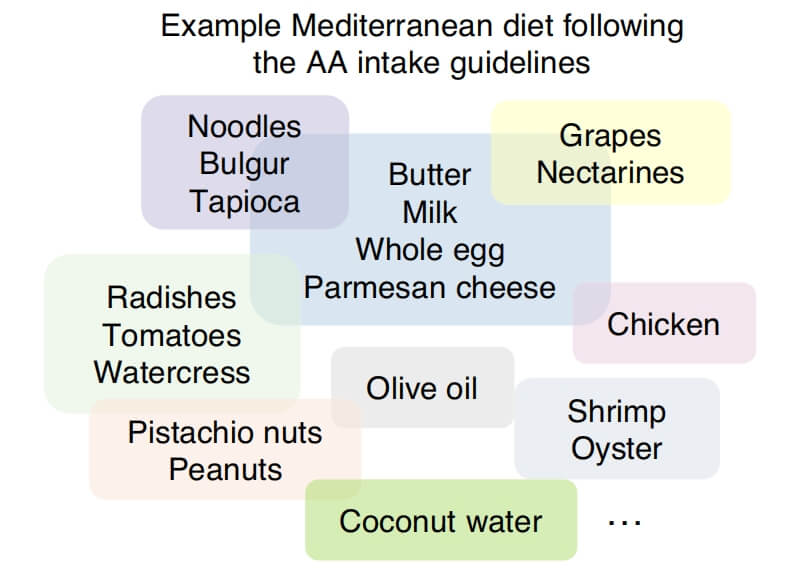 Fig.1 Practical amino acid-focused diets: AI-designed mediterranean, paleo, and ketogenic meal plans. (Dai, et al., 2022)
Customer Review
Precision in BCAA Mapping for Mitochondrial Research
"Working with Protheragen transformed our study on BCAA catabolism. Their ability to quantify trace intermediates in liver tissue provided the evidence we needed to support our hypothesis on mitochondrial dysfunction in our obesity model. The data was extremely clean, and the pathway mapping was ready for our manuscript submission." Dr. A. H., Metabolic Research Institute
Superior Handling of Complex Biological Matrices
"The technical support at Protheragen is exceptional. We were dealing with complex fecal samples from an obesity study, and their team optimized an extraction protocol that gave us highly reproducible amino acid profiles. We plan to utilize their targeted panels for all our future preclinical trials." Dr. S. H., Biopharmaceutical Lead
Frequently Asked Questions
-
Why is amino acid analysis better than lipid profiling for obesity?
It’s not "better" but "complementary." While lipids show storage, amino acids reveal the metabolic state of the muscle and liver, often acting as earlier markers of insulin resistance.
-
Can you handle samples from mice on a high-fat diet?
Yes, our protocols are specifically optimized to handle the high lipid content in these samples without clogging columns.
-
What sample volume is required?
We typically require as little as 20-50 μL of serum or 10-20 mg of tissue, depending on the panel.
-
Do you offer absolute or relative quantification?
We provide absolute quantification using isotope-labeled internal standards for the highest accuracy.
-
How do you ensure data reproducibility across large cohorts?
We use "method-locked" protocols and periodic QC injections to maintain stability throughout the run.
-
Can trace amino acids really impact obesity outcomes?
Absolutely. Trace amines often act as potent signaling molecules in the central nervous system to regulate appetite.
-
Is it possible to analyze fecal samples?
Yes, we have specialized extraction methods for fecal matter to study gut-microbiota amino acid metabolism.
-
How are the results delivered?
You receive a secure digital package containing raw data, processed spreadsheets, and publication-ready figures.
-
Do you provide support for biological interpretation?
Yes, our PhD-level scientists assist in interpreting how the data fits into your broader obesity research goals.
Contact Us
Protheragen provides the analytical precision and biological expertise required to navigate the complexities of amino acid metabolism in obesity. Our high-sensitivity LC-MS/MS platforms and specialized workflows for preclinical models empower researchers to discover new biomarkers and therapeutic targets.
Contact Protheragen for More Information and to Discuss Your Project
Reference
- Dai, Z.; et al. Amino acid variability, tradeoffs and optimality in human diet. Nat Commun. 2022, 13, 6683. (CC BY 4.0)
All of our services and products are intended for preclinical research use only and cannot be used to diagnose, treat or manage patients.