
Lipoprotein Subclass Analysis Service
InquiryThe global surge in obesity has catalyzed the development of next-generation anti-obesity therapeutics, moving beyond simple weight loss toward metabolic restoration. Central to this evolution is the role of lipoproteins—complex particles that transport lipids through the bloodstream. Traditional lipid panels (total cholesterol, LDL-C, HDL-C) often fail to capture the nuanced metabolic shifts induced by novel compounds.
Precision Lipoprotein Subclass Analysis for Anti-Obesity Therapeutic Development
At Protheragen, our lipoprotein subclass analysis service provides high-resolution profiling of lipoprotein particles, including their size, density, and concentration. By characterizing the "atherogenic dyslipidemia" often found in obese models—characterized by increased small dense LDL (sdLDL) and decreased large HDL—we empower researchers to quantify the metabolic efficacy of anti-obesity candidates in preclinical stages.
Core Technologies
To ensure the highest degree of sensitivity and reproducibility, Protheragen utilizes a dual-platform approach tailored for preclinical research:
- Nuclear Magnetic Resonance (NMR) Spectroscopy
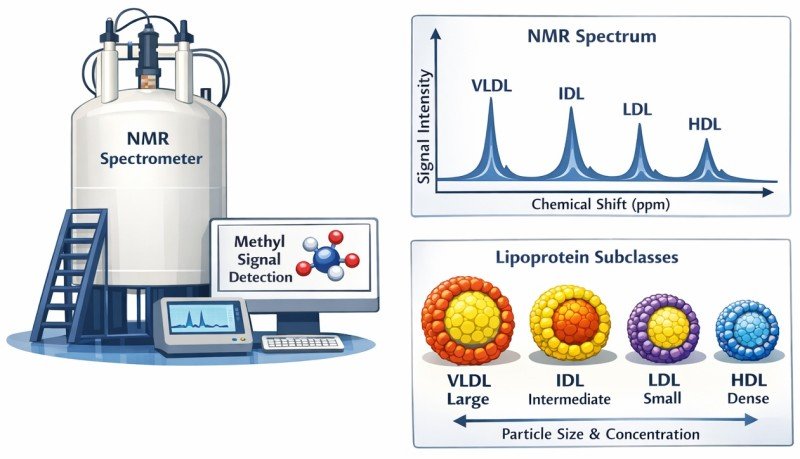
A non-destructive, high-throughput method that measures the methyl signals from lipid molecules. This allows for the simultaneous quantification of VLDL, IDL, LDL, and HDL subclasses based on particle size and number, providing a holistic view of the lipidome.
- High-Performance Liquid Chromatography (HPLC) with Component Analysis
Utilizing advanced gel filtration techniques, this platform separates lipoproteins into major classes and over 20 sub-fractions. It is particularly effective for detecting subtle shifts in cholesterol and triglyceride distribution within specific subclasses, offering a granular look at the remodeling of lipoproteins during therapeutic intervention.
Service Scope
Protheragen offers a comprehensive suite of measurements tailored for anti-obesity drug discovery:
- VLDL Subclasses
Analysis of 6 sub-fractions from large to small, critical for assessing hepatic lipid export.
- LDL Particle Profiling
Precise measurement of small dense LDL (sdLDL) vs. large buoyant LDL, a key indicator of cardiovascular risk reduction.
- HDL Sub-fractions
Quantification of 5-7 HDL subclasses to evaluate reverse cholesterol transport (RCT) efficiency.
- Remnant Lipoprotein Analysis
Assessment of triglyceride-rich remnant particles often elevated in metabolic syndrome.
- Total Lipid Distribution
Mapping of total cholesterol and triglycerides across the entire lipoprotein spectrum.
Workflow
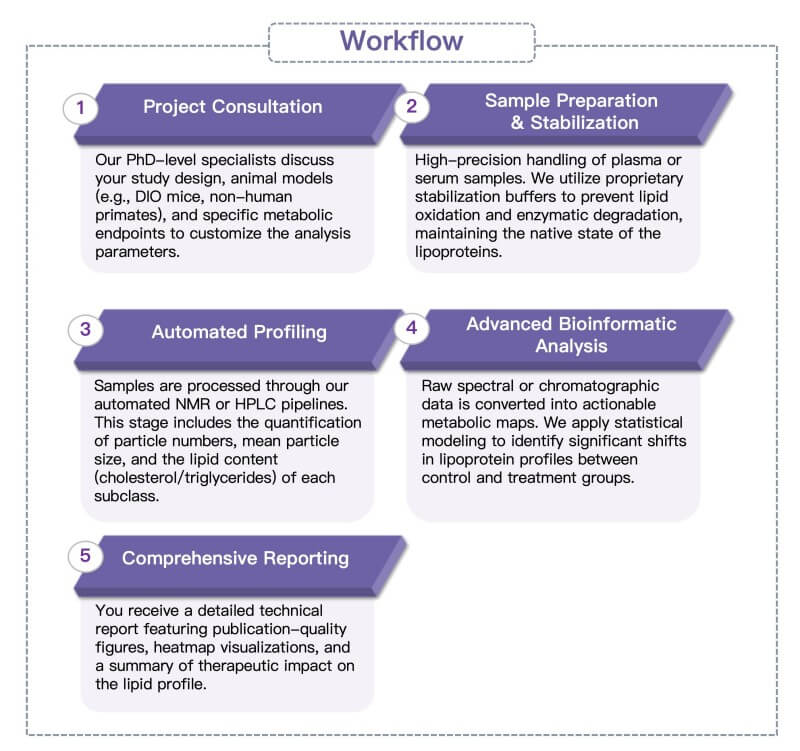
Our standardized workflow is designed to integrate seamlessly into your preclinical study timeline, ensuring data integrity from sample reception to final reporting.
Contact Our Specialist Team to Discuss Your Preclinical Workflow
Fields of Application
Our lipoprotein subclass analysis service is an essential diagnostic tool for researchers investigating complex metabolic pathways and evaluating the multifaceted systemic effects of novel pharmacological interventions in Preclinical Models.
- GLP-1/GIP Receptor Agonist Testing: Monitoring the systemic effects of incretin mimetics on lipid metabolism beyond glucose control.
- NASH/MASH Research: Evaluating how reducing hepatic fat impacts the circulating lipoprotein profile.
- Lipid-Lowering Agent Development: Assessing the efficacy of PCSK9 inhibitors or statin-adjuncts in preclinical models.
- Nutraceutical Screening: Quantifying the impact of dietary interventions or supplements on atherogenic lipid subfractions.
Advantages
Choosing Protheragen for your lipoprotein analysis provides several distinct strategic benefits:
- Superior Resolution
Unlike standard enzymatic assays, our technology identifies up to 20+ sub-fractions, capturing metabolic "fingerprints" that others miss.
- Low Sample Volume
Optimized for preclinical research, our protocols require as little as 50–100 µL of sample, making it ideal for longitudinal studies in small animal models.
- Predictive Power
Our analysis of sdLDL and HDL-2/HDL-3 ratios provides deeper insights into the "quality" of weight loss, distinguishing between simple caloric restriction and true metabolic correction.
- Consistency
With a CV (coefficient of variation) typically below 5%, our data delivers the exceptional precision required to support high-impact publications and the rigorous demands of preclinical drug development.
Click Here to Request a Technical Consultation with Our Specialists.
Publication Data
Title: Early metabolomic, lipid and lipoprotein changes in response to medical and surgical therapeutic approaches to obesity
Journal: Metabolism, 2023
DOI: https://doi.org/10.1016/j.metabol.2022.155346
Summary: This study is the first to directly compare the early metabolomic, lipid, and lipoprotein effects of liraglutide (GLP-1RA) (a weight-loss medication) and bariatric surgery (Roux-en-Y gastric bypass/RYGB, sleeve gastrectomy/SG) in adults with obesity (with or without type 2 diabetes, T2D). Three clinical trials were conducted: two randomized placebo-controlled crossover studies (liraglutide vs. placebo for 3–5 weeks) and one bariatric surgery cohort study (followed for 4–12 weeks). Using NMR spectroscopy, researchers analyzed metabolic changes and adjusted for weight loss to distinguish intervention-specific effects from weight-driven effects.
Key Findings
- Weight Loss & Core Metabolic Changes: Bariatric surgery achieved more dramatic weight/BMI reduction (-14.19 kg/-5.19 kg/m² at 4 weeks, p<0.001) than liraglutide. Both interventions improved glucose levels, lipoprotein profiles, and inflammatory markers—most changes were driven by weight loss.
- Unique Short-Term Metabolic Signatures: After adjusting for weight loss, only acetoacetate, β-hydroxybutyrate (ketone bodies), and citrate remained significantly different: bariatric surgery caused larger increases in ketone bodies and a steeper decrease in citrate, reflecting enhanced lipolysis and suppressed lipogenesis from strict postoperative caloric restriction.
- T2D-Specific Glucose Benefit: Liraglutide uniquely reduced glucose levels in T2D patients (Δglucose -25.63 mg/dL, p=0.001 after FDR correction), even after weight loss adjustment.
- Bariatric Surgery Subtype Differences: RYGB showed more pronounced effects on total triglycerides, triglyceride-rich lipoprotein (TRL) size, and trimethylamine-N-oxide (TMAO) than SG—though these differences were only suggestive after FDR correction.
- Long-Term Sustainability: Bariatric surgery's beneficial effects on TRL size and triglycerides persisted at 12 weeks, while ketone bodies/citrate returned toward baseline (linked to relaxed dietary restrictions). Weight loss and cardiometabolic benefits remained stable long-term.
- Shared vs. Distinct Mechanisms: Most metabolic/lipid changes are weight-dependent, but bariatric surgery's short-term effects on ketone bodies/citrate are diet-driven, and liraglutide's glucose-lowering in T2D is intervention-specific.
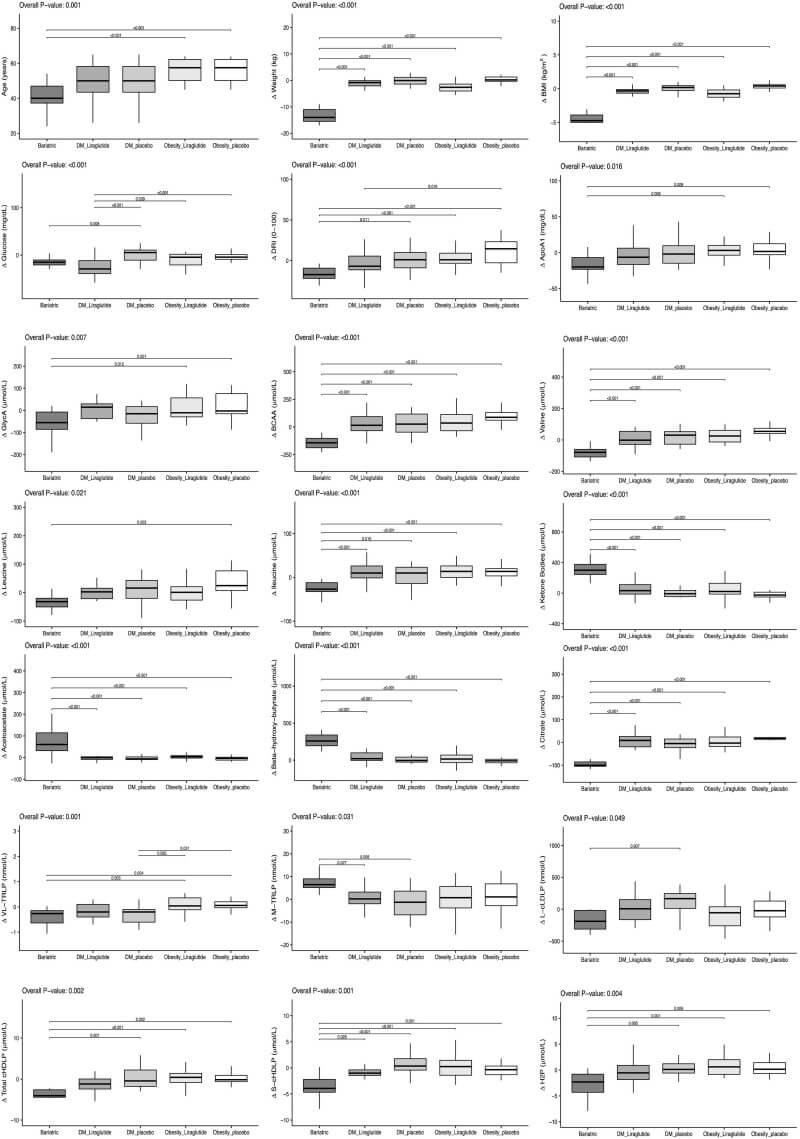 Fig.1 Post-hoc ANOVA comparisons (Tukey correction): Metabolic & lipidomic differences among bariatric surgery, liraglutide, and placebo groups. (Angeliki, et al., 2023)
Customer Review
Uncovering Hidden Metabolic Efficacy through High-Resolution LDL Profiling
"The team at Protheragen transformed our understanding of our lead compound's metabolic impact. We initially saw very little change in total cholesterol, but their subclass analysis revealed a significant shift from small dense LDL to large, buoyant particles. Their technical support is unparalleled."
Dr. C. T., Biotech Therapeutics Firm
Maximizing Data Integrity with Low-Volume Plasma Samples in Pediatric Models
"Working with Protheragen has been a seamless experience. Their ability to work with limited plasma volumes from our pediatric mouse models was crucial. The data was clean, the visualization was publication-ready, and the insights into HDL remodeling helped us confirm the drug's mechanism of action. We look forward to our next study together."
Dr. H. P., Global Pharmaceutical Lead
Frequently Asked Questions
-
Why should I analyze subclasses instead of just total LDL-C?
Total LDL-C can be misleading; two subjects may have the same LDL-C level but vastly different particle counts and sizes. Small dense LDL is significantly more atherogenic than large LDL.
-
What animal models are compatible with your service?
We have validated protocols for mice, rats, rabbits, canines, and non-human primates.
-
How do you ensure data reproducibility across large longitudinal studies?
We use standardized internal calibrators and automated robotic handling to minimize human error and batch effects.
-
Can you handle samples from models with extremely high triglyceride levels?
Yes, our HPLC-based system is specifically optimized to resolve lipoprotein fractions even in severely hypertriglyceridemic samples.
-
What is the typical turnaround time?
Most preclinical projects are completed within 10–15 business days from sample receipt.
-
Do you provide assistance with data interpretation?
Absolutely. Our reports include expert commentary to help you understand the biological significance of the observed changes.
-
How should I ship my samples?
Samples should be shipped on dry ice. We provide a detailed shipping guide upon project initiation.
-
Can you measure apolipoproteins (ApoA1, ApoB) alongside subclasses?
Yes, we offer complementary assays for major apolipoproteins to provide a complete picture of particle stoichiometry.
Contact Us
Protheragen is dedicated to providing the high-resolution data necessary to advance the next generation of anti-obesity and metabolic therapies. Our specialized lipoprotein profiling offers a window into the complex lipid remodeling that defines therapeutic success.
Contact Protheragen for More Information and to Discuss Your Project.
Reference
- Angeliki M.; et al. Early metabolomic, lipid and lipoprotein changes in response to medical and surgical therapeutic approaches to obesity. Metabolism. 2023, 138, 155346, 0026-0495. (CC BY 4.0)
All of our services and products are intended for preclinical research use only and cannot be used to diagnose, treat or manage patients.