
Target Selection
InquiryDeep Dive into Anti-Obesity Research, Discovering Endless Possibilities
The persistent rise in obesity prevalence has created a large and rapidly growing patient population, generating significant market demand for effective treatments. Leveraging its deep scientific expertise and advanced analytical technologies, Protheragen has established a Pipeline for anti-obesity therapy development, committed to revolutionizing obesity treatment and fully supporting innovation in this critical field.
Our R&D strategy is grounded in a deep understanding of the pathophysiology of obesity and clear insights into future therapeutic directions. We focus on exploring novel mechanisms of action, pioneering novel therapeutic targets, and developing advanced drug modalities. Our ultimate goal is to deliver next-generation anti-obesity drugs that achieve superior efficacy, sustained action, and enhanced safety.
Melanocortin 4 Receptor (MC4R)
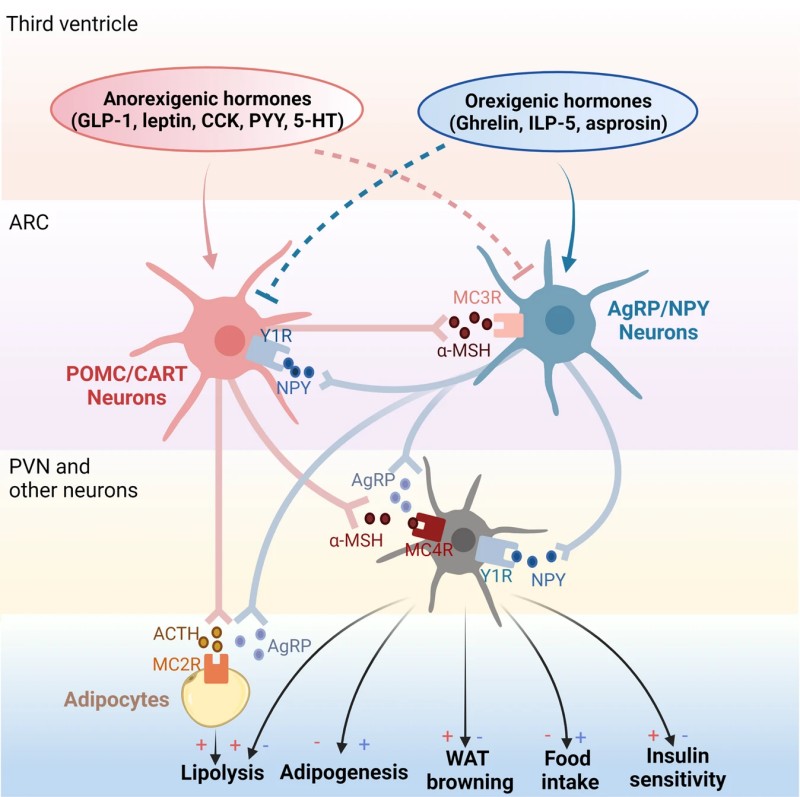
The MC4R regulates energy homeostasis and appetite through signaling in the paraventricular nucleus of the hypothalamus, making it a promising target for treating energy balance disorders, including obesity. MC4R agonists have been shown to have the potential to reduce body weight and decrease feelings of hunger.
Glucagon-Like Peptide 1 (GLP-1)
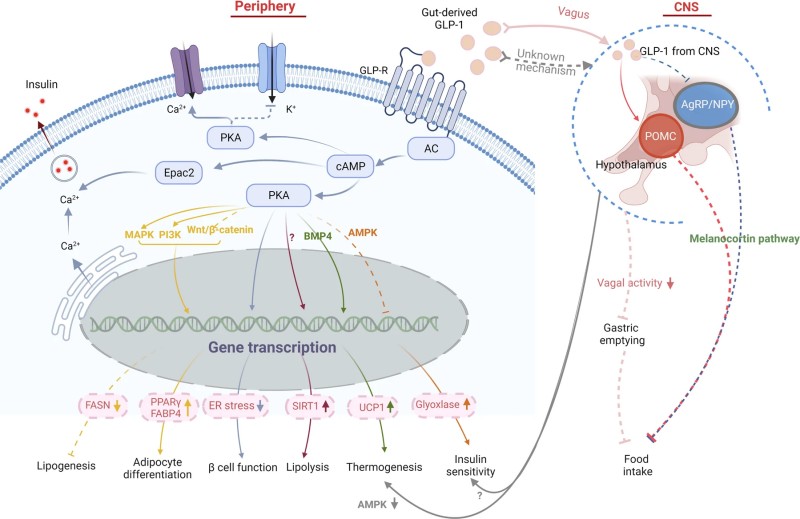
Acting simultaneously on GLP-1 receptor and GIP receptor (GIPR) is one of the mainstream strategies in the field of anti-obesity drugs. This dual agonist is expected to achieve more significant weight loss effects than single drugs through stronger satiety and metabolic improvement effects.
Fibroblast Growth Factor 21 (FGF21)
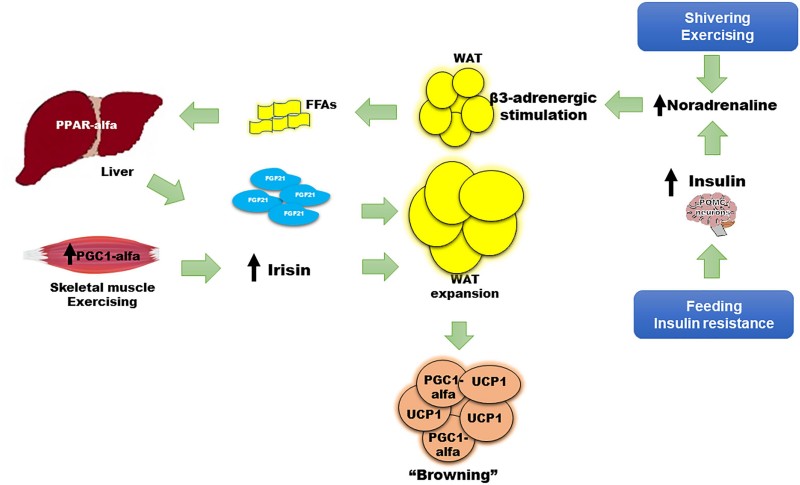
FGF21 is a multifunctional hormone molecule involved in various metabolic processes. Its analogues are being explored for their ability to regulate glucose and lipid metabolism and reduce weight gain.
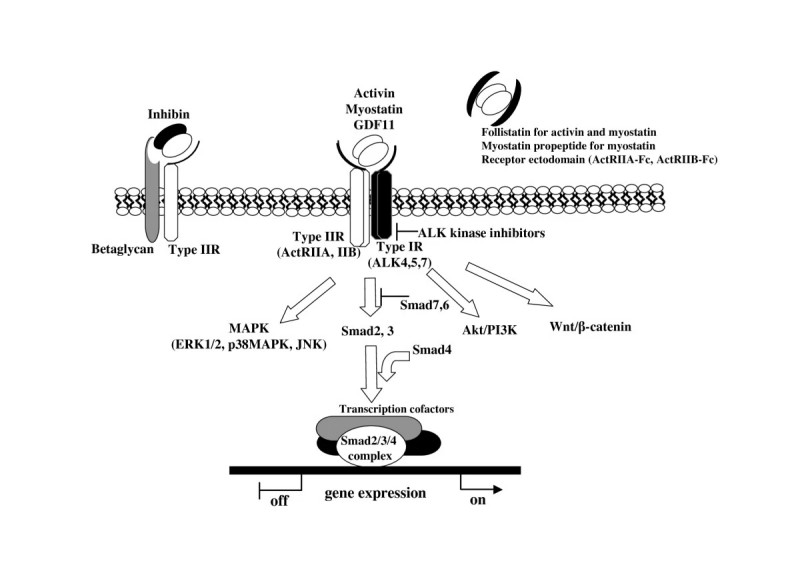
Activin A Receptor Type 2 (ACVR2)
ACVR2 plays a key role in regulating muscle and fat mass. Inhibitors targeting this receptor are being explored with the aim of reducing fat by increasing muscle mass and boosting basal metabolic rate, offering a new therapeutic approach for anti-obesity drugs.
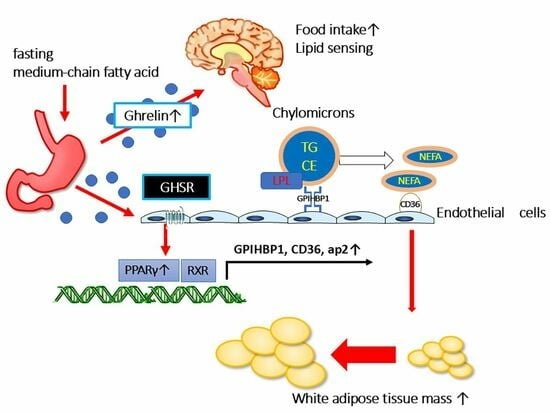
Ghrelin Receptor (GHSR)
The GHSR is the receptor for ghrelin, a powerful hunger signal. Antagonists targeting GHSR are being explored to reduce food intake and control weight by blocking this signaling pathway.
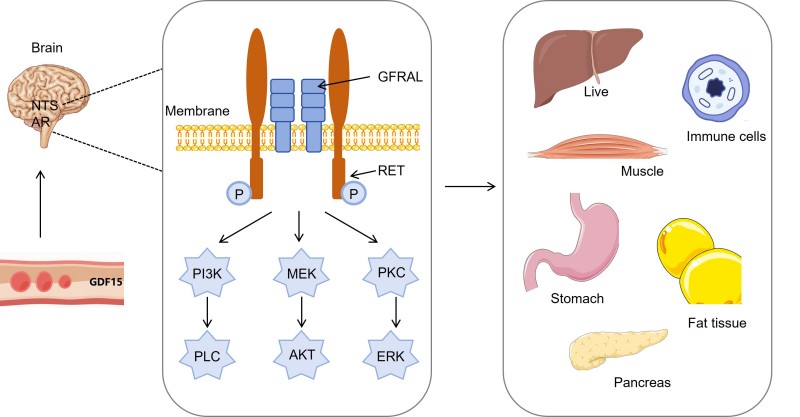
Growth Differentiation Factor 15 (GDF15)
GDF15 is a stress-responsive cytokine that has been shown to reduce food intake and body weight, and this effect is independent of other appetite-regulating hormones to a certain extent. The development of GDF15 analogues has the potential to regulate energy balance and is currently one of the promising candidate drugs.
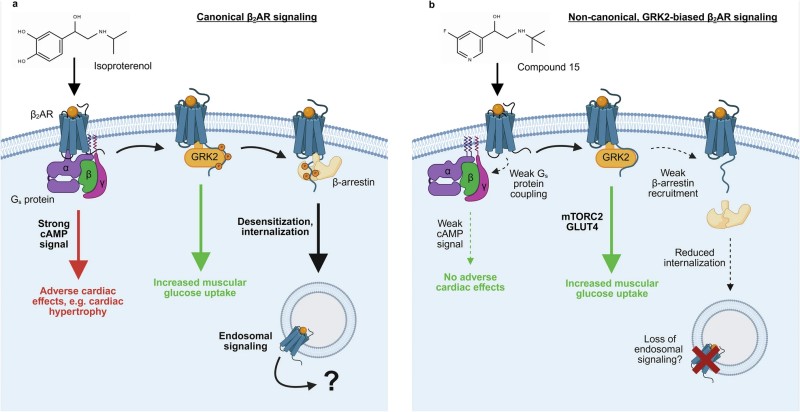
β2-Adrenoceptor (β2AR)
β2AR is a key regulator of energy expenditure and lipid metabolism. Activation of β2AR promotes lipolysis and thermogenesis, leading to increased fat oxidation and energy consumption. Therefore, β2AR-targeted therapies are considered a promising strategy for obesity treatment.
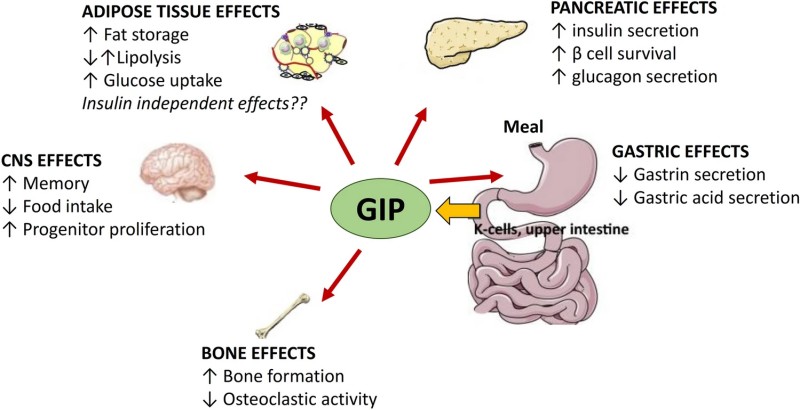
Gastric Inhibitory Polypeptide (GIP)
GIP is an incretin hormone involved in the regulation of glucose metabolism and energy balance. Modulation of GIP receptor signaling has been shown to promote weight loss, particularly when combined with GLP-1 receptor activation. GIP-based therapies are currently among the most promising approaches in anti-obesity drug development.
Expert Insights, Driving Innovative Therapies
As pioneers in the field of anti-obesity therapies, Protheragen focuses on targeting key biomarkers and exploring the potential of various treatment approaches. Should you wish to learn more about our cutting-edge research, please feel free to contact us. We look forward to exploring collaboration opportunities with you to transform innovative research into impactful therapeutic solutions.
References
- Cuevas-Ramos, D.; et al. Fibroblast growth factor 21 and browning of white adipose tissue. Frontiers in physiology. 2019, 10: 37. (CC BY 4.0)
- Wen, X.; et al. Signaling pathways in obesity: mechanisms and therapeutic interventions. Signal transduction and targeted therapy. 2022, 7(1): 298. (CC BY 4.0)
- Urai, H.; et al. Ghrelin promotes lipid uptake into white adipose tissue via endothelial growth hormone secretagogue-receptor in mice. Nutrients. 2024, 17(1): 146. (CC BY 4.0)
- Tsuchida, K.; et al. Activin signaling as an emerging target for therapeutic interventions. Cell Communication and Signaling. 2009, 7(1): 15. (CC BY 2.0)
- Ciardullo, S.; et al. GLP1-GIP receptor co-agonists: a promising evolution in the treatment of type 2 diabetes. Acta Diabetologica. 2024, 61(8): 941-950. (CC BY 4.0)
- Cullum, S.A.; Bock, A. Rewiring β2-adrenergic receptor signaling: harnessing non-canonical GRK functions to treat metabolic diseases. Signal Transduction and Targeted Therapy. 2025, 10(1): 292. (CC BY 4.0)
All of our services and products are intended for preclinical research use only and cannot be used to diagnose, treat or manage patients.