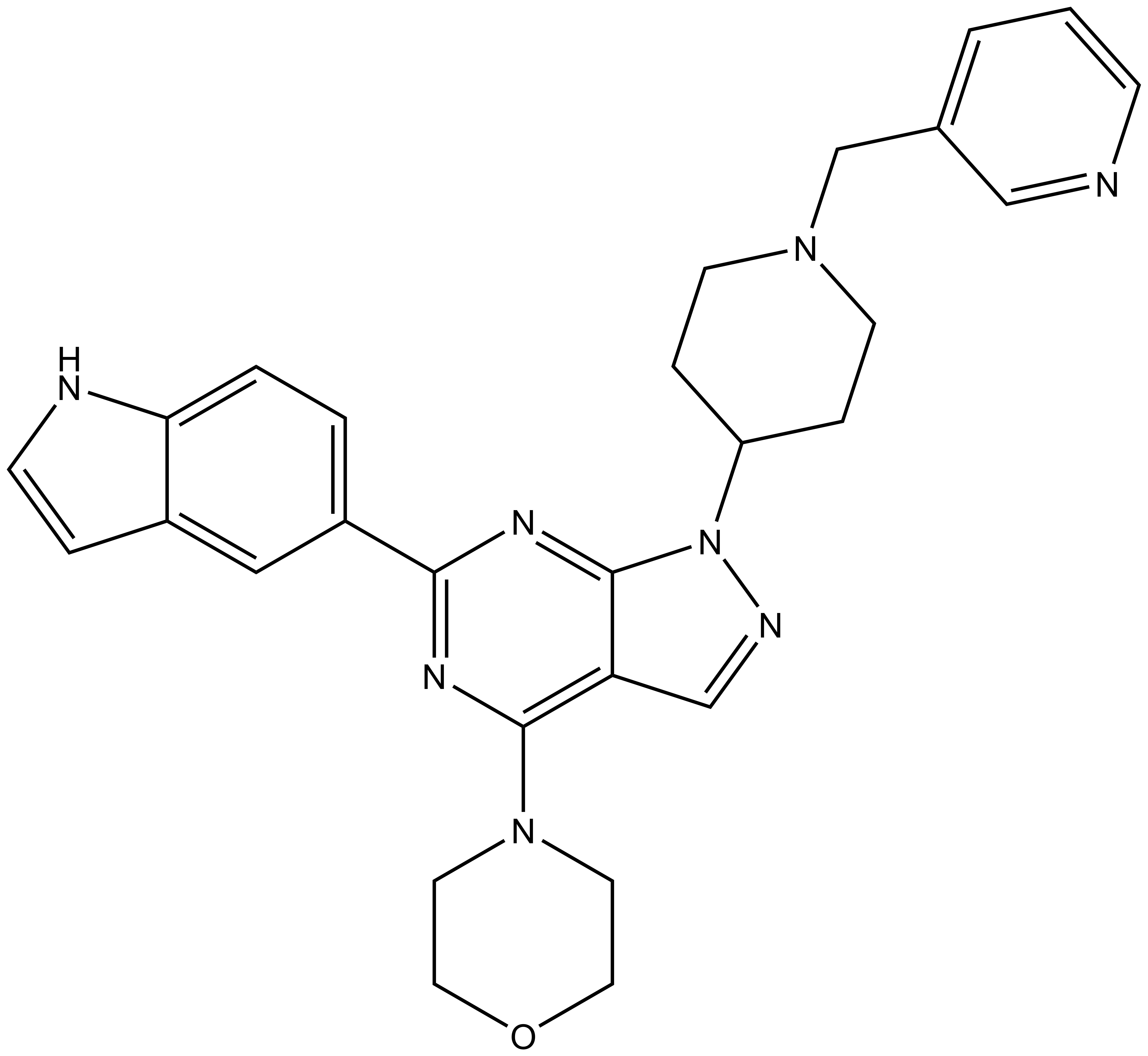
Tyrosine Kinase/Adaptors-Targeted Compounds
InquiryOverview
Tyrosine protein kinase (PTK) catalyzes the transfer of the γ-phosphate group of ATP to protein tyrosine residues. Its carboxy-terminal end possesses a typical PTK structural domain, which catalyzes the phosphorylation of itself or its substrate, and it plays a key role in cell growth, proliferation, and differentiation. The tyrosine kinase/adaptor compound portfolio offered by Protheragen is focused on providing high-quality experimental tools for obesity research. By targeting tyrosine kinases and their associated adaptor proteins, these compounds help clients to deeply explore obesity-related signaling mechanisms and potential therapeutic targets.
Enabling Obesity and Metabolic Disease Research
Features
Our high-quality tyrosine kinase/adaptor compound products are carefully designed based on in-depth research and understanding of key proteins in the insulin signaling pathway. These products include, but are not limited to, activators, inhibitors, and modulators targeting key signaling molecules such as insulin receptor (IR), IR substrate (IRS) proteins, phosphatidylinositol 3-kinase (PI3K), mitogen-activated protein kinase (MAPK), and others.
Targets
|
|
|
|
|
|
|
|
|
|
|
|
|
|
|
|
|
|
|
|
|
|
|
|
|
|
|
|
|
|
|
|
|
|
|
|
|
|
|
|
|
|
|
|
|
|
|
|
Publication Data
Journal: International Journal of Molecular Sciences
Published: 2021
IF: 4.9
Results: This paper details the specific roles of different receptor protein tyrosine phosphatases (RPTPs) subfamilies (R1/6, R2A, R2B, R3, R4, R5, R7, R8) in insulin signaling, including known negative regulators such as leukocyte common antigen-related (LAR), RPTP-α, RPTP-ε, RPTP-β/ζ, and RPTP-γ. Aberrant regulation of RPTPs is closely associated with metabolic diseases such as obesity and type 2 diabetes mellitus (T2DM). For example, overexpression of LAR in obese individuals is associated with insulin resistance. RPTPs play an important role in insulin signaling and secretion, and are therefore potential targets for the treatment of metabolic diseases.
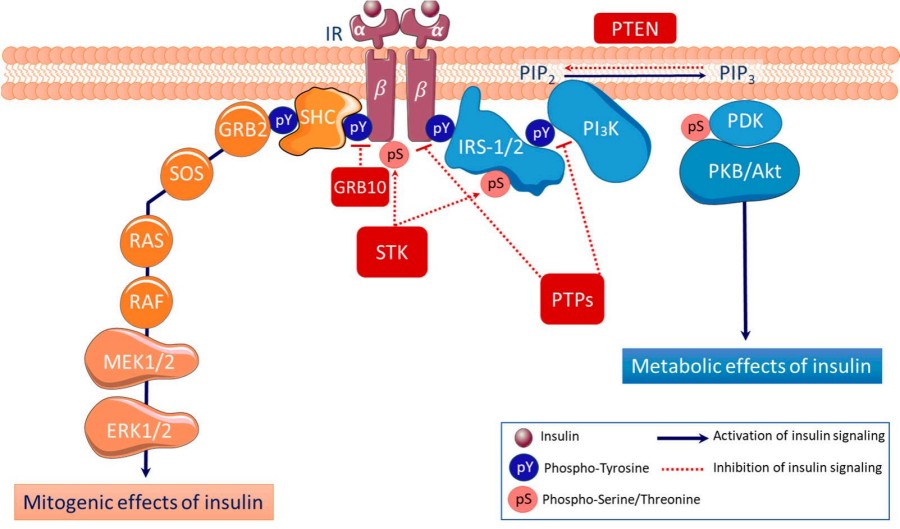 Fig.1 Schematic diagram of the insulin signaling cascade. (Sevillano, et al., 2021)
Applications
- Our products can be used to explore the molecular mechanisms of insulin signaling pathways and reveal the pathogenesis of obesity and T2DM.
- Our products serve as an important part of the drug screening library, accelerating the process of new drug discovery and development.
- Our products are used to validate the therapeutic efficacy and safety of compounds in animal models of obesity and T2DM.
Advantages of Us
High Purity and Stability
All compounds undergo stringent quality control processes, including HPLC and liquid chromatography–mass spectrometry (LC–MS) analysis, to ensure high purity and exceptional chemical stability. These products are specifically optimized to meet high-standard experimental requirements, ranging from molecular assays to long-term cell cultures.
Comprehensive Target Coverage
Our expansive product line covers key metabolic families, such as the IR, and is designed to meet diverse research needs—from basic signal transduction mapping to the identification of novel therapeutic leads for metabolic syndrome.
High Performance
The chemical structures of our compounds are precisely optimized to ensure they exhibit superior biological activity and potency across all experimental platforms. This high-performance profile ensures robust and reproducible results in both target binding assays and cellular signaling studies.
Customer Review
A Precision Toolkit for Deciphering Insulin Signaling Pathways
"Protheragen's tyrosine kinase library has been indispensable for our investigation into insulin resistance mechanisms. The inclusion of both receptor (RTK) and non-receptor inhibitors allowed us to precisely map the downstream signaling crosstalk in hypertrophic adipocytes. It is a rare and highly specialized collection that bridges the gap between basic kinase biology and metabolic therapy."—Dr. Ali*** Va**
Reliable High-Purity Compounds for High-Throughput Metabolic Screening
"We used this library to screen for novel modulators of FGFR signaling. The chemical stability and consistent high purity of the compounds ensured the reproducibility of our cell-based assays. The technical data provided saved our team months of preliminary validation work. Truly an excellent resource for metabolic drug discovery."—Dr. Ele** Mo**
Frequently Asked Questions
-
What categories can PKT be divided into, and what are their common receptor types?
PTK is classified into receptor and non-receptor, and the common receptor-type tyrosine protein kinases (RTK) include the IR family, epidermal growth factor receptor (EGFR) family, fibroblast growth factor receptors (FGFR) family, and platelet-derived growth factor receptor (PDGFR) family, etc. Abnormal activation of RTK is closely related to neoangiogenesis, tumor invasion and metastasis, and the regulation of energy metabolism.
-
How is the purity of these compounds ensured?
All products are processed by HPLC or LC-MS and other efficient separation and purification techniques to ensure high purity. Meanwhile, we provide detailed quality inspection reports for clients' reference.
-
Why is the Tyrosine Kinase (TK) Library specifically valuable for obesity research?
Tyrosine kinases, especially the IR and IGF-1R families, are central to metabolic signaling. This library allows researchers to study insulin sensitivity, glucose uptake, and adipocyte thermogenesis. By targeting specific TKs and their downstream adaptor proteins, you can explore pathways that mitigate metabolic syndrome and insulin resistance.
Protheragen is committed to providing strong support for obesity and related metabolic disease research by offering this range of high-quality tyrosine kinase/adaptor compounds. Contact us anytime to solve your problem.
Reference
- Sevillano, J.; et al. Role of receptor protein tyrosine phosphatases (RPTPs) in insulin signaling and secretion. International Journal of Molecular Sciences. 2021, 22(11): 5812. (CC BY 4.0)
Tyrosine Kinase/Adaptors-Targeted Compounds
- CAS No.: 1627503-67-6
- Pathways: Tyrosine kinase/adaptors; Stem cells; Angiogenesis
- Targets: TGF-beta/Smad; ALK family
- Receptors: ALK2; TGF-β receptor
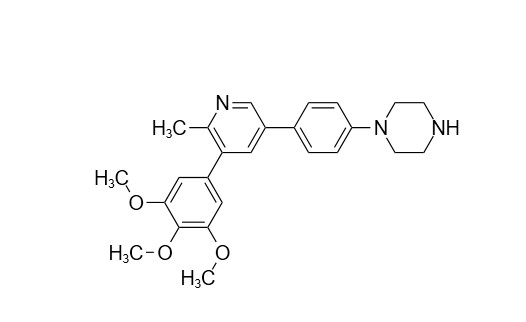
- CAS No.: 614749-78-9
- Pathways: Tyrosine kinase/adaptors; Angiogenesis; Stem cells; TGF-β/Smad signaling
- Targets: ALK family
- Receptors: ALK4; ALK5
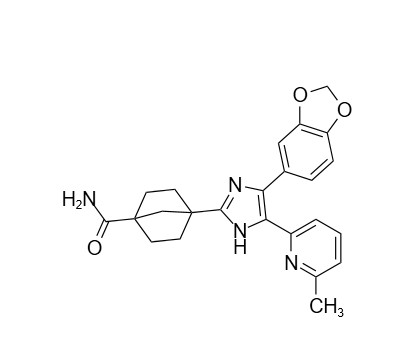
- CAS No.: 607737-87-1
- Pathways: TGF-beta/Smad signaling; Angiogenesis; Stem cells
- Targets: TGF-β receptor family
- Receptors: ALK5
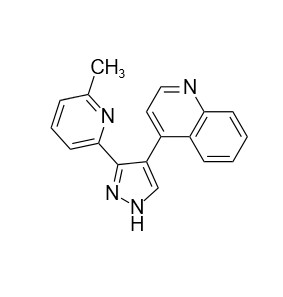
- CAS No.: 1143532-39-1
- Pathways: Tyrosine kinase/adaptors; Cytoskeletal signaling; Autophagy; PI3K/Akt/mTOR signaling
- Targets: PI3K/Akt/mTOR pathway
- Receptors: Akt1; Akt2; Akt3; Autophagy; mTOR (p70S6K); PKA
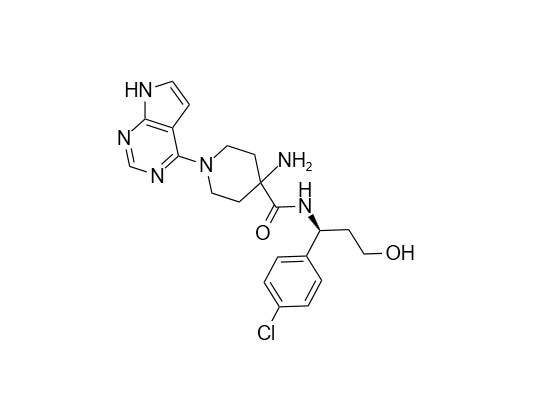
- CAS No.: 942507-42-8
- Pathways: Tyrosine kinase/adaptors; MAPK; Autophagy
- Targets: RTKs; Serine/Threonine kinases
- Receptors: B-Raf (V600E); B-Raf (WT); CSF1R; p38 MAPK; Raf
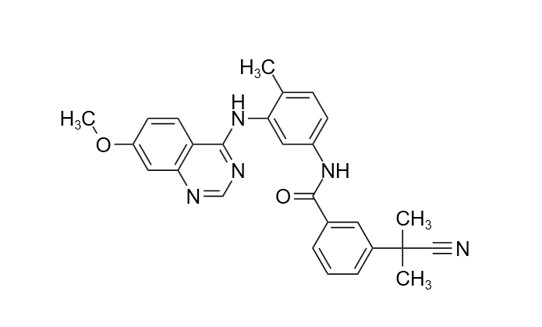
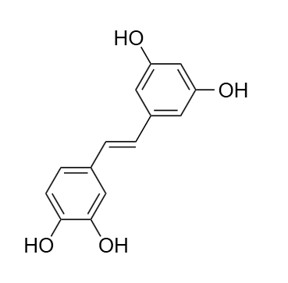
- CAS No.: 10083-24-6
- Pathways: Tyrosine kinase/adaptors; Apoptosis; Angiogenesis; Chromatin/Epigenetic; Metabolism; Autophagy; Cell cycle/Checkpoint; Cytoskeletal signaling
- Targets: Kinases
- Receptors: PKA; Autophagy; cAK; MLCK; PKC; Syk
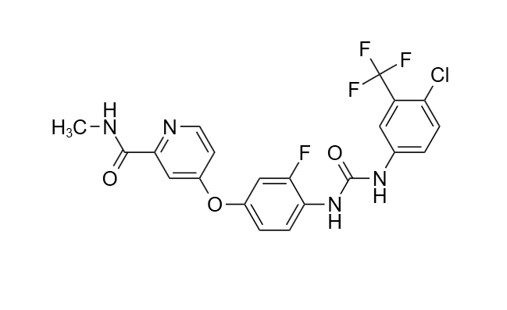
- CAS No.: 755037-03-7
- Pathways: Tyrosine kinase/adaptors; MAPK; Autophagy; Angiogenesis; Apoptosis
- Targets: Kinases
- Receptors: c-Kit; PDGFR; Raf-1; c-RET; VEGFR1; VEGFR2
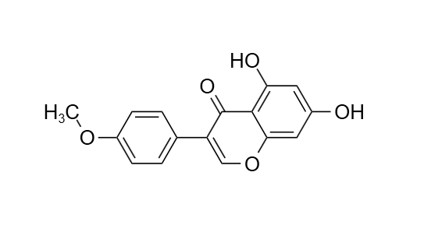
- CAS No.: 491-80-5
- Pathways: Tyrosine kinase/adaptors; Neuronal signaling; Autophagy; Angiogenesis; Metabolism; JAK/STAT signaling
- Targets: Enzymes
- Receptors: EGFR; FAAH
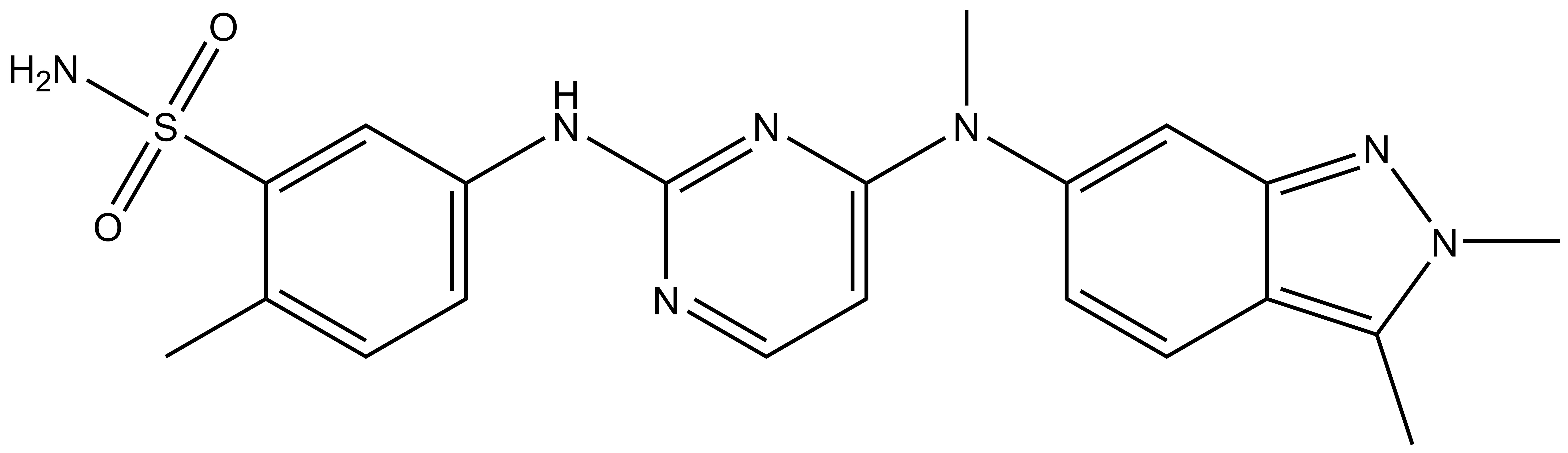
- CAS No.: 444731-52-6
- Pathways: Tyrosine kinase/adaptors; Angiogenesis; Autophagy
- Target: FGFR; VEGFR; c-Kit; PDGFR
- Receptor: c-Kit; FGFR; PDGFR; VEGFR1; VEGFR2; VEGFR3
- CAS No.: 1062159-35-6
- Pathways: Tyrosine kinase/adaptors; PI3K/Akt/mTOR signaling; Angiogenesis
- Target: Src; PI3K; VEGFR; mTOR
- Receptor: mTOR; PI3Kα; PI3Kγ; Src; VEGFR2