Neuronal Signaling-Targeted Compounds
InquiryOverview
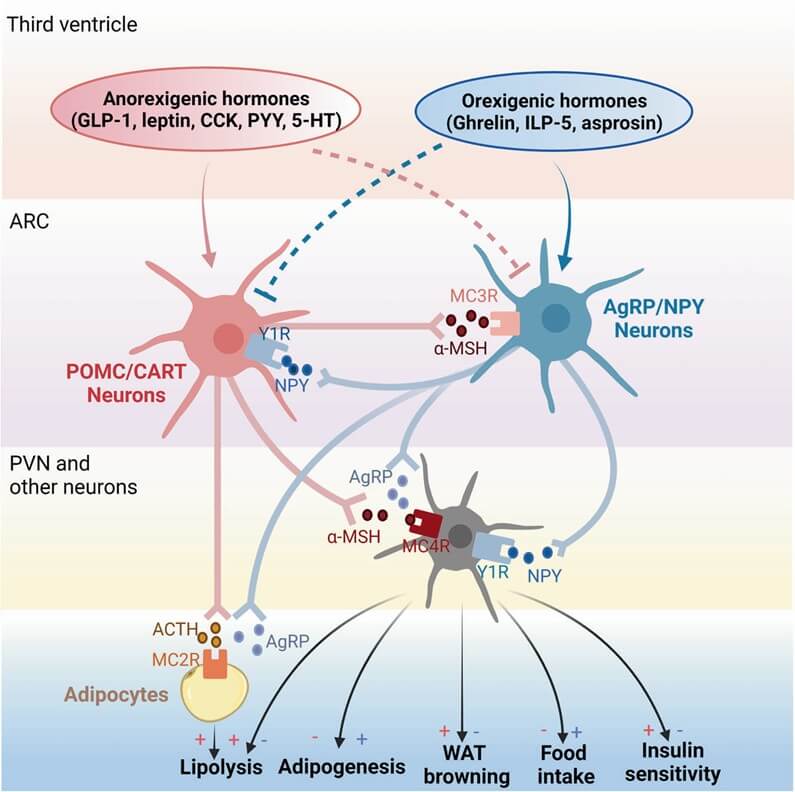 Fig.1 Melanocortin pathway. (Wen, et al., 2022)
Obesity is the result of a long-term imbalance between energy intake and expenditure, and neuronal signaling plays a central regulatory role in this process. Multiple neural circuits in the brain directly influence weight change by sensing nutritional status and regulating appetite and energy metabolism. For example, the hypothalamus acts as a "center" for energy balance, integrating hormonal signals and neurotransmitter signals from the periphery to regulate ingestive behavior and energy expenditure. When these neuronal signals are abnormal, it leads to uncontrolled appetite or decreased metabolic efficiency, which in turn leads to obesity.
Neuronal signaling compounds are important tools for the study of obesity and related metabolic diseases. These compounds that Protheragen provides have new research directions and potential therapeutic targets for the prevention and treatment of obesity by regulating neuronal signaling, hormone secretion, and energy homeostasis.
Precise Modulation of Neuronal Signaling Unlocks New Dimensions in Obesity Research
Features
Our company offers a portfolio of neuronal signaling compounds covering neurotransmitter modulators, adrenergic receptor modulators, ion channel targeting molecules, and a number of other important compounds. For example, we offer neurotransmitters as well as their receptor agonists (e.g., LGI2 activators). These compounds are able to mimic or enhance neurotransmitter signaling, thereby affecting appetite regulation and energy metabolism.
|
|
|
|
|
|
|
|
|
|
|
|
Targets
Each of our compounds has its corresponding pathway and target. If you don't find the right target, our specialized technical team is at your service.
|
|
|
|
|
|
|
|
|
|
|
|
|
|
|
Applications
- Molecular Mechanisms of Energy Homeostasis Regulation: Neuronal signaling-related compounds can be used to study the role of neurotransmitters and their receptors in obesity to explore the molecular mechanisms of energy homeostasis regulation.
- Anti-obesity Drug Research: Neuronal signaling-related compounds can be used to screen potential anti-obesity drugs and assess the effects of compounds on appetite regulation, energy expenditure, and metabolism.
- Neurotransmission Mechanism Research: Neuronal signaling-related compounds can be utilized to elucidate the mechanisms by which neural signaling contributes to the onset and progression of obesity, and to identify neurotransmission pathway modulators.
Advantages of Us
High-Purity Products
Our high-purity products precisely target key nodes of the neuronal signaling pathway, reducing off-target effects and improving data reliability.
Compound Diversity
Our company provides natural products, synthetic analogues, and structure-optimized molecules to meet the needs of different research scenarios.
Rigorous Validation
Our high-quality compounds are subjected to rigorous activity validation and stability testing to ensure experimental reproducibility and consistency of results.
Publication
Title: Neuronal loss of TRPM8 leads to obesity and glucose intolerance in male mice
Journal: Molecular Metabolism, 2023
DOI: https://doi.org/10.1016/j.molmet.2023.101714
Summary: This article focuses on the effects of transient receptor potential channel melanoma-related family member 8 (TRPM8) deletion in neurons on energy metabolism and obesity in mice. It was found that obesity due to TRPM8 deficiency may be centrally mediated and associated with altered energy expenditure and heat transfer. Moreover, neuronal Trpm8 knock-out mice exhibit obesity at room temperature but have normal body weights under thermoneutral conditions or high-fat chow feeding, suggesting that the obesity phenotype is closely linked to changes in heat transport.
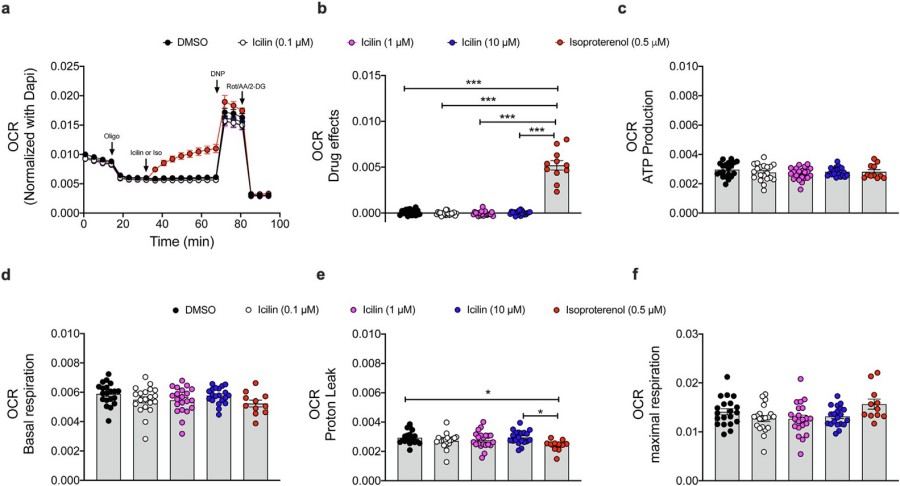 Fig.2 Effect of icterin on brown adipocytes in mice. (Liskiewicz, et al., 2023)
Customer Review
Unlocking Central Appetite Control
"We utilized Protheragen's neurosignaling library in our research on appetite regulation mechanisms. This library provides specific modulators for certain neurotransmitter receptors, avoiding potential interference from peripheral side effects."— Dr. S* L***
Diverse Target Screening
"Protheragen's highly diverse compound library enabled rapid multi-target screening, leading to the successful identification of lead compounds."— C. T* B***
Frequently Asked Questions
-
What are the specific mechanisms by which neuronal signaling regulates obesity?
- Hypothalamic energy homeostasis regulation
- Reward system and feeding behavior
- Peripheral nerves and fat metabolism
-
How to choose the right neuronal signaling compound?
Clients can select compounds based on their research objectives, combining target specificity, compound activity, and experimental system requirements. Our technical support team provides professional advice.
-
Can I request a customized compound library?
Certainly. If your research focuses exclusively on specific peripheral nerve signaling or other signaling modulation, we can screen and tailor a library from our comprehensive collection to precisely align with your specific needs, ensuring your resources are directed toward the most relevant areas of your research.
Neuronal signaling is central to the regulation of obesity, and its abnormalities are involved in pathological mechanisms at multiple levels. Protheragen offers products that help clients to deeply explore the link between obesity and neurons. If you are interested in our products, please feel free to contact us.
References
- Liskiewicz, D.; et al. Neuronal loss of TRPM8 leads to obesity and glucose intolerance in male mice. Molecular Metabolism. 2023, 72: 101714. (CC BY 4.0)
- Wen, X.; et al. Signaling pathways in obesity: mechanisms and therapeutic interventions. Signal Transduction and Targeted Therapy. 2022, 7(1): 298. (CC BY 4.0)
Neuronal Signaling-Targeted Compounds
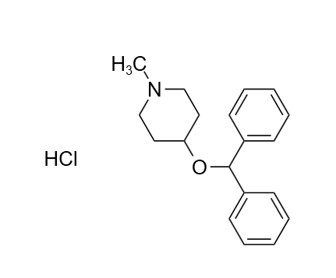
- CAS No.: 328232-95-7
- Pathways: Neuronal signaling; GPCR/G protein
- Targets: Neuropeptide Y receptor
- Receptors: Neuropeptide Y (NPY) Y5 receptor
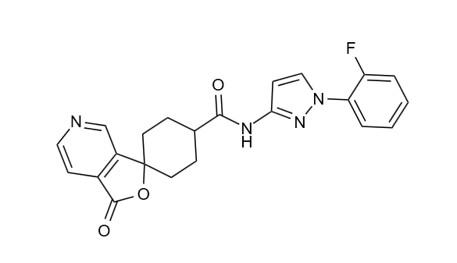
- CAS No.: 476-28-8
- Pathways: Neuronal signaling; Metabolism; Apoptosis; Microbiology/Virology
- Targets: Metabolic enzymes; Neurotransmitter receptors; Microbiology targets
- Receptors: AChR; Fatty acid synthase; Virus protease
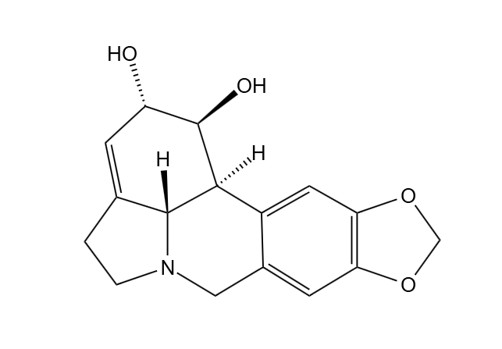
- CAS No.: 1146963-51-0
- Pathways: Neuronal signaling; GPCR/G protein; Chromatin/Epigenetic
- Targets: Epigenetic reader domain; Dopamine receptor; Monoamine Oxidase
- Receptors: Monoamine oxidase B
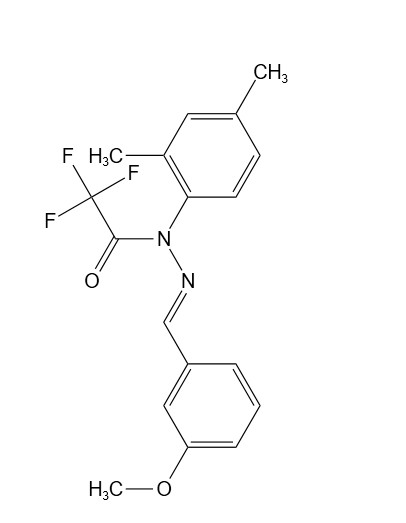
- CAS No.: 7220-79-3
- Pathways: Neuronal signaling; Cytoskeletal signaling; GPCR/G protein; Microbiology/Virology; Immunology/Inflammation
- Targets: Guanylate cyclase; Microtubule associated; NO synthase; Monoamine oxidase
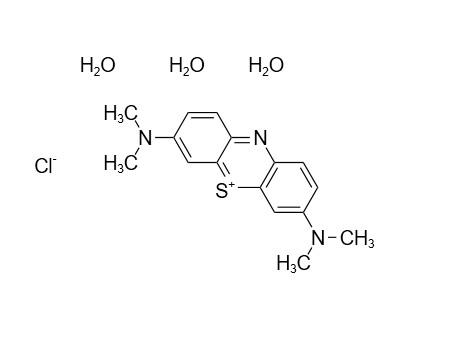
- CAS No.: 2438-32-6
- Pathways: Neuronal signaling; GPCR/G protein; Immunology/Inflammation
- Targets: DA transporter; H1 receptor; Histamine receptor; Noradrenaline transporter (Sodium-dependent); Sert (Sodium-dependent)
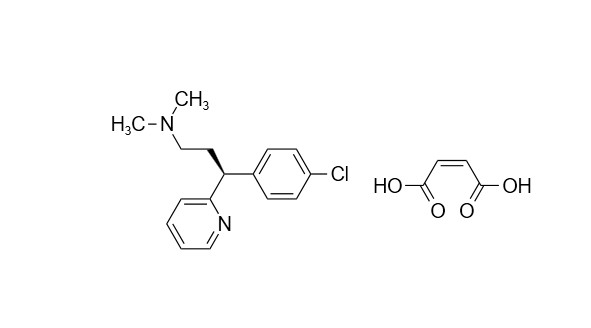
- CAS No.: 113-59-7
- Pathways: Neuronal signaling; Immunology/Inflammation; Microbiology/Virology; GPCR/G protein
- Targets: Dopamine receptor; Histamine receptor; 5-HT receptor
- Receptors: D1 receptor; D2 receptor; D3 receptor; D5 receptor; H1 receptor
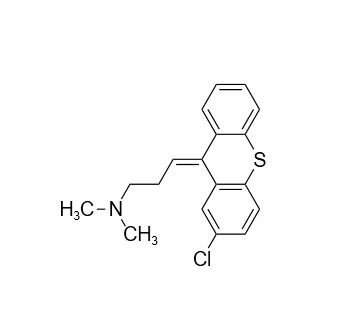
- CAS No.: 3505-38-2
- Pathways: Neuronal signaling; Immunology/Inflammation; GPCR/G protein
- Targets: Histamine receptor family
- Receptors: H1 receptor
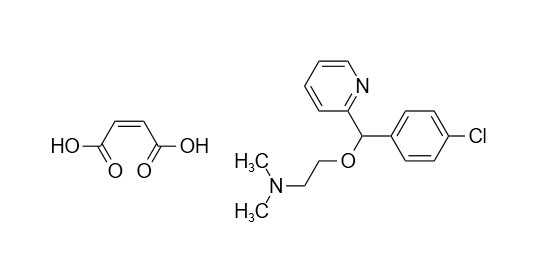
- CAS No.: 113-92-8
- Pathways: Neuronal signaling; Immunology/Inflammation; GPCR/G protein
- Targets: Histamine receptor family
- Receptors: H1 receptor
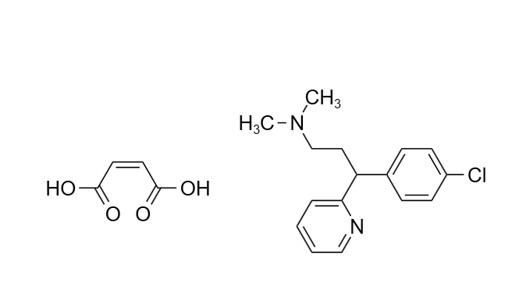
- CAS No.: 521-78-8
- Pathways: Neuronal signaling; Immunology/Inflammation; GPCR/G protein; Microbiology/Virology
- Targets: Monoamine transporters; G protein-coupled receptors (GPCRs)
- Receptors: H1 receptor; 5-HT1C receptor; 5-HT2 receptor; 5-HT1A receptor; Noradrenaline transporter (Sodium-dependent); Sert (Sodium-dependent); Dopamine receptor; Adrenergic receptor;
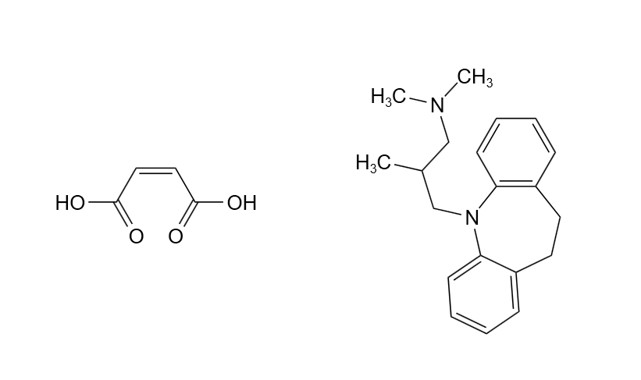
- CAS No.: 132-18-3
- Pathways: Neuronal signaling; Immunology/Inflammation; GPCR/G protein
- Targets: Histamine receptor family
- Receptors: H1 receptor