Chromatin/Epigenetic-Targeted Compounds
InquiryOverview
Epigenetic modifications, particularly dynamic histone modifications and chromatin remodeling, constitute metabolic memory, which allows adipocytes to maintain pro-inflammatory or pro-obesity gene expression patterns even after environmental conditions have improved. Research indicates that chromatin accessibility directly determines the binding efficiency of key adipogenic transcription factors; therefore, using small molecules to intervene in histone acetylation or methylation at specific sites can not only inhibit excessive fat accumulation but also promote the browning of white adipose tissue (WAT) by activating thermogenic genes such as UCP1. Consequently, the development of lead compounds targeting chromatin regulators has emerged as a highly promising frontier in anti-obesity drug discovery.
Product Positioning: Focused on Chromatin State and Metabolic Memory

Protheragen proudly offers the chromatin/epigenetic anti-obesity compound library. Distinct from our broad-spectrum epigenetics library, this collection is specifically engineered to target chromatin structural dynamics and histone modifications that directly govern metabolic homeostasis. We have refined this library by excluding non-metabolic epigenetic targets, focusing instead on regulators that control adipocyte lineage commitment, thermogenic gene expression, metabolic stress responses, etc.
- Core Focus: Emphasizing histone acetylation, key methylation sites (e.g., H3K4, H3K9, H3K27), and chromatin remodeling complexes.
- Target Selection: Deep coverage of high-correlation obesity targets, including:
- Histone-modifying enzymes
- Chromatin readers
- Chromatin remodelers
Features
- Precision focus on vertical domains: This library covers a wide range of critical targets specifically selected for metabolic research, significantly increasing the hit rate in anti-obesity drug discovery.
- Rigorous quality control: All compounds are validated via high-performance liquid chromatography (HPLC)/mass spectrometry (MS) to guarantee high purity, ensuring the reliability and reproducibility of results in both cellular and animal experiments.
- Plug-and-play screening convenience: We provide compounds as 10 mM DMSO solutions in pre-formatted plates or as high-quality powders, perfectly compatible with 96-well or 384-well automated high-throughput screening (HTS) systems.
- Multidimensional data support: The library is accompanied by comprehensive documentation, including precise IC50 values, protein targets, CAS numbers, etc.
- Highly flexible customization: We support sub-library tailoring based on specific chromatin modification pathways, with concentrations and packaging formats customized to meet your exact research requirements.
Publication
Title: Coordinated regulation of PPARγ expression and activity through control of chromatin structure in adipogenesis and obesity
Journal: PPAR research, 2012
DOI: https://doi.org/10.1155/2012/164140
Summary: This review article discusses how the nuclear receptor PPARγ, a master regulator of adipocyte differentiation and function, is tightly controlled at the level of chromatin structure during adipogenesis. It highlights that the expression and activity of PPARγ are regulated through a complex network involving sequential chromatin remodeling, hierarchical transcription factor binding, noncoding RNAs, and chromatin remodelers, which together ensure temporal activation of PPARγ and its target genes. The authors also explain that in obesity, alterations in these chromatin-based regulatory pathways can lead to changes in PPARγ activity, potentially affecting adipocyte function and metabolic outcomes.
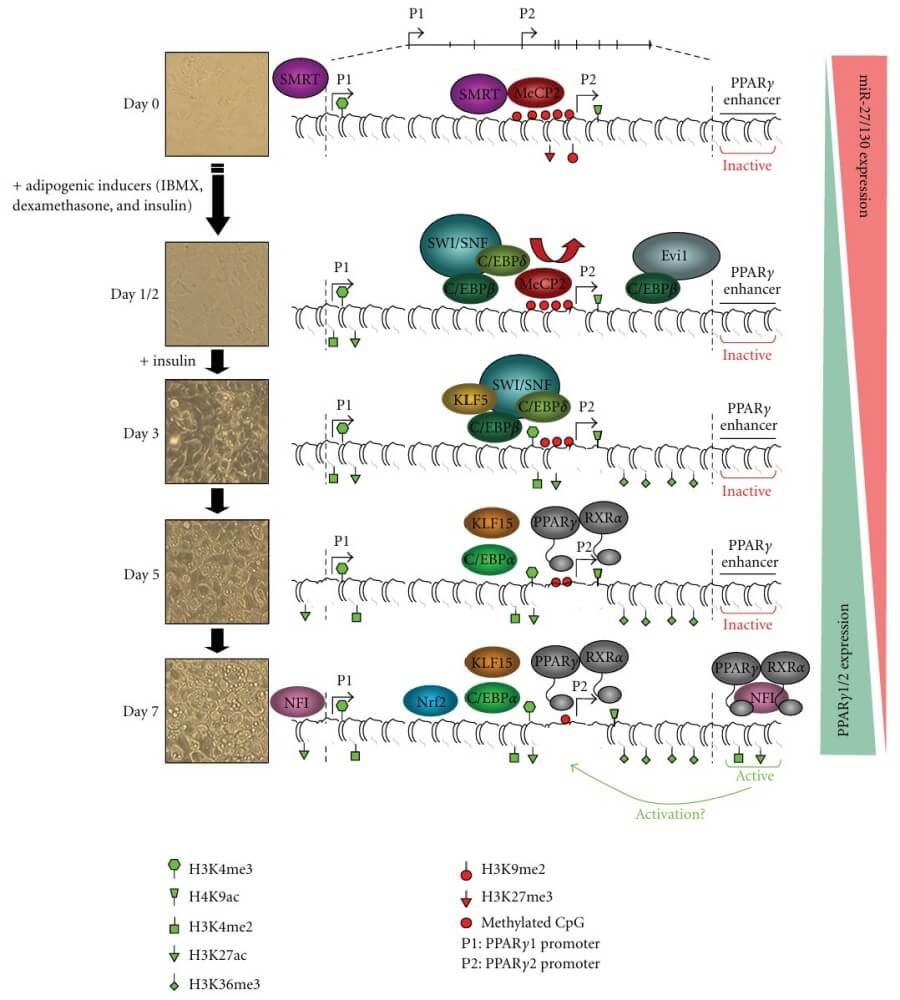 Fig.1 Schematic illustrating how chromatin remodeling, sequential transcription factor binding, and miR-27/130 expression coordinately regulate PPARγ1/2 expression during adipogenesis. (Eeckhoute, et al., 2012)
Applications
- Novel Anti-Obesity Drug Discovery: High-throughput screening (HTS) to identify epigenetic modulators that inhibit adipogenesis, promote WAT browning, or enhance insulin sensitivity.
- Mechanistic Research of Metabolic Pathways: Utilizing small-molecule probes to dissect how chromatin remodeling mediates chronic inflammation, ER stress, and metabolic dysfunction in adipose tissues.
- Validation of Emerging Metabolic Targets: Validating the therapeutic potential of novel epigenetic factors in regulating energy expenditure and systemic metabolism at both cellular and organismal levels.
- Reversal of Metabolic Memory: Exploring how environmental factors (like high-fat diets) induce persistent epigenetic changes and screening for compounds capable of "erasing" these maladaptive epigenetic memories.
- Synergistic Combination Therapies: Identifying epigenetic modulators that work synergistically with existing anti-obesity drugs (e.g., GLP-1R agonists) or lifestyle interventions to overcome metabolic resistance.
Advantages of Us
Structural Diversity & Chemical Breadth
The library encompasses a wide array of chemical scaffolds, including competitive inhibitors and allosteric modulators. This ensures the ability to intervene in chromatin regulation through multiple distinct molecular mechanisms.
Superior Stability & Solubility
Our compounds are optimized for high solubility in aqueous assay buffers and exhibit exceptional chemical stability. This minimizes the risk of compound degradation or precipitation during both in vitro and in vivo studies, ensuring consistent experimental results.
Broad Applicability & Comprehensive Support
This library serves as a powerful toolkit for exploring the multi-dimensional role of chromatin in metabolism. Beyond providing high-quality compounds, we offer reliable theoretical and technical support and dedicated after-sales service to ensure the success of your research.
Customer Review
Accelerating the Research Journey
"Protheragen's chromatin compound library has been instrumental in our research on metabolic memory. Their specific focus on histone modifiers allowed us to identify a lead compound that helped us analyze the epigenetic marks in obese mice. The high purity of the compounds and the detailed documentation provided significantly accelerated our transition from in vitro screening to in vivo validation."—Dr. Jul*** St**
Niche-targeted Selection
"We chose Protheragen's library for our high-throughput screening project specifically because of its niche-targeted selection. The plug-and-play DMSO format made our workflow extremely efficient. We highly recommend this library to any obesity drug discovery program."—Dr. Ma** Th**
Frequently Asked Questions
-
Can these compounds be used for animal model studies?
Yes. Many compounds in this library possess high stability and are suitable for in vivo obesity research. They are ideal candidates for exploring whether pharmacological interventions can reset chromatin states induced by chronic high-fat diet exposure, thereby reversing persistent obesity phenotypes.
-
How are the targets of the compounds in the library determined?
The compounds are meticulously selected based on peer-reviewed literature, public database annotations, and our deep expertise at the intersection of epigenetics and obesity. Many of these compounds are well-characterized inhibitors or activators of specific epigenetic enzymes and reader proteins.
-
Can you provide compounds with specific activities?
Yes. We offer comprehensive customization services. We offer bespoke customization to align with your research goals. From specific histone marks to complex chromatin remodelers, our team can assemble a personalized sub-library or supply individual high-purity compounds to advance your study.
At Protheragen, we are committed to bridging the gap between chromatin dynamics and metabolic health. Our chromatin/epigenetic anti-obesity compound library provides the specific chemical probes you need to unlock the complexities of the metabolic epigenome and accelerate the development of next-generation obesity therapies. To learn more about our customization options or to place an order, please contact us and speak with one of our technical specialists.
Reference
- Eeckhoute, J.; et al. Coordinated regulation of PPARγ expression and activity through control of chromatin structure in adipogenesis and obesity. PPAR research. 2012, 2012(1): 164140. (CC BY 3.0)
Chromatin/Epigenetic-Targeted Compounds
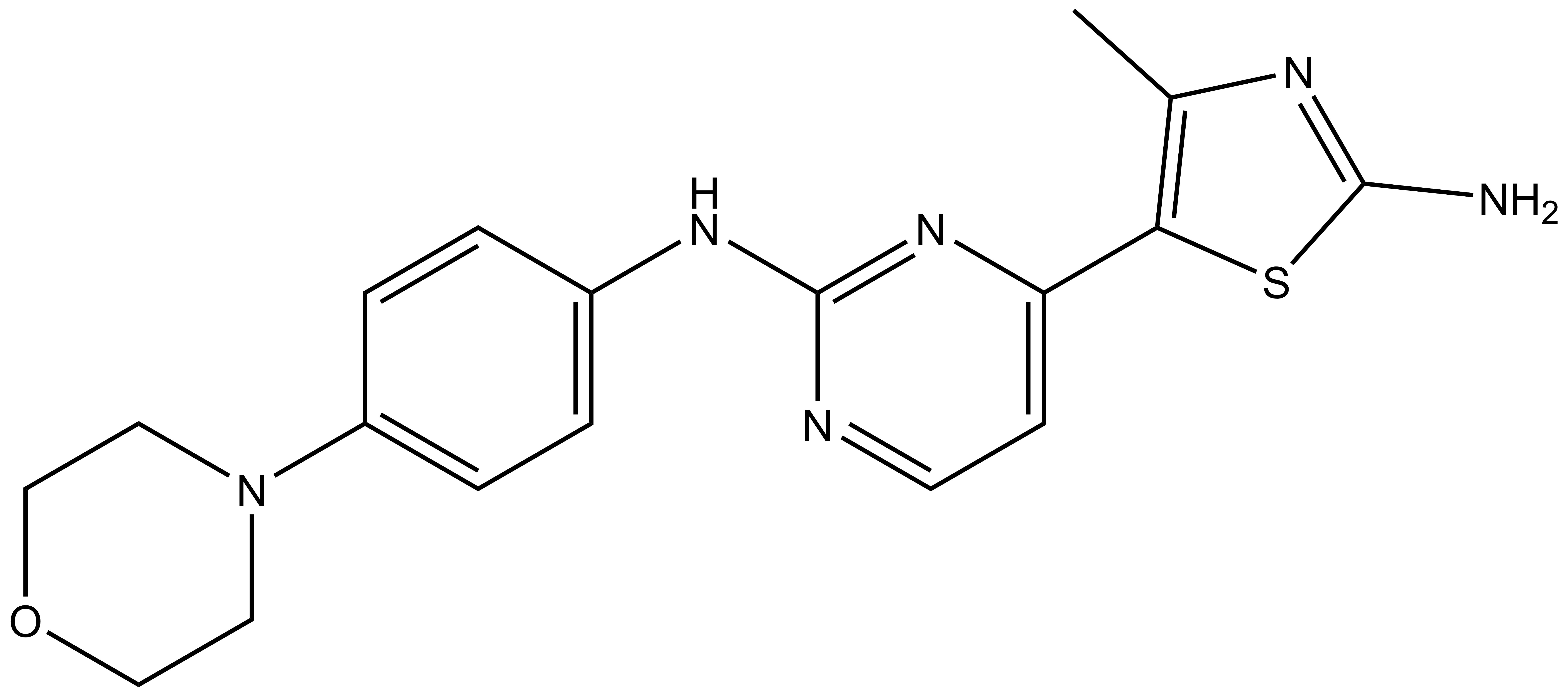
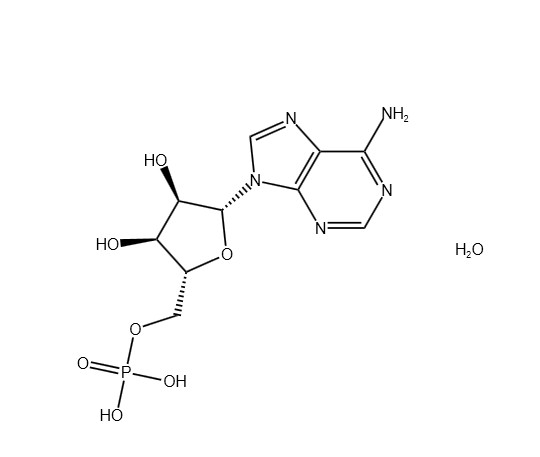
- CAS No.: 18422-05-4
- Pathways: Chromatin/Epigenetic; Microbiology/Virology; Neuronal signaling; PI3K/Akt/mTOR signaling; GPCR/G protein
- Targets: AMPK; Adenosine receptor; HSV
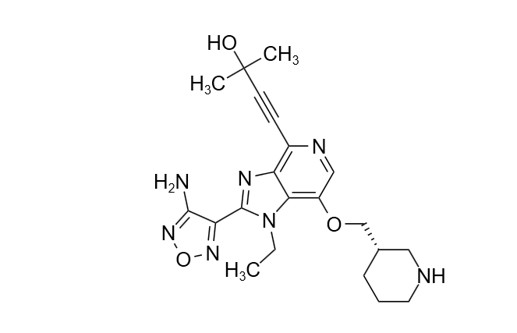
- CAS No.: 937174-76-0
- Pathways: Chromatin/Epigenetic; PI3K/Akt/mTOR signaling; Autophagy; Cytoskeletal signaling; Proteases/Proteasome
- Targets: Serine/Threonine kinases
- Receptors: Akt1; Akt1; Akt3; AMPK; PKCη; PKCθ; PrkX
- CAS No.: 656820-32-5
- Pathways: Chromatin/Epigenetic; Neuronal signaling; Autophagy; Cell cycle/Checkpoint; GPCR/G protein
- Targets: Aurora kinase
- Receptors: A3; Aurora A; Aurora B; Aurora C
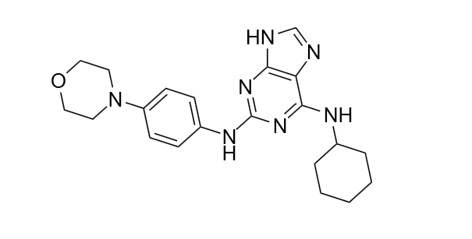
- CAS No.: 936091-14-4
- Pathways: Chromatin/Epigenetic; JAK/STAT signaling; Stem cells; Angiogenesis; Tyrosine kinase/adaptors; Autophagy; Apoptosis
- Targets: JAK family; FLT family; RET kinase
- Receptors: FLT3; JAK2; JAK3; RET
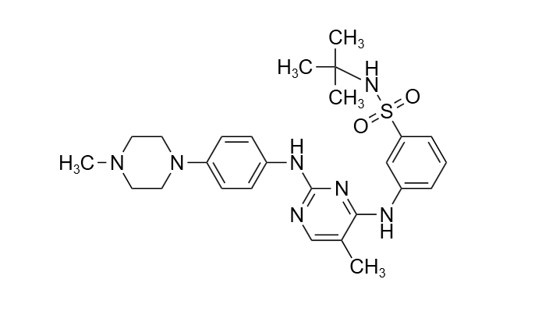
- CAS No.: 153355-70-5
- Pathways: Chromatin/Epigenetic; Autophagy; PI3K/Akt/mTOR signaling
- Targets: AMPK
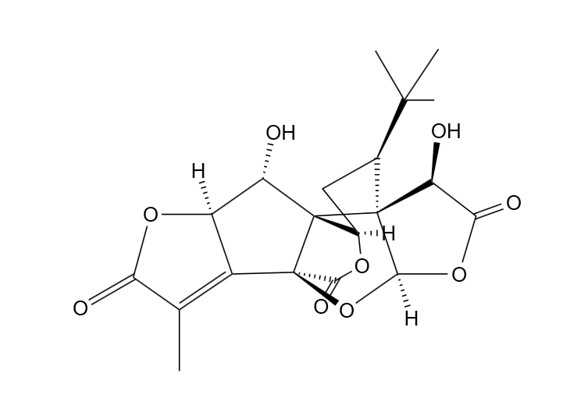
- CAS No.: 33627-28-0
- Pathways: Chromatin/Epigenetic; Apoptosis; PI3K/Akt/mTOR signaling; Autophagy
- Targets: Serine/Threonine kinases
- Receptors: AMPK
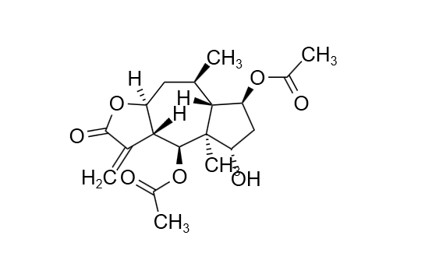
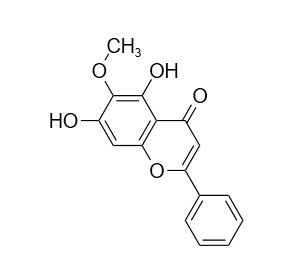
- CAS No.: 480-11-5
- Pathways: Chromatin/Epigenetic; Metabolism; Microbiology/Virology; Autophagy
- Targets: Enzymes
- Receptors: Autophagy; HIF/HIF prolyl-hydroxylase; Virus protease
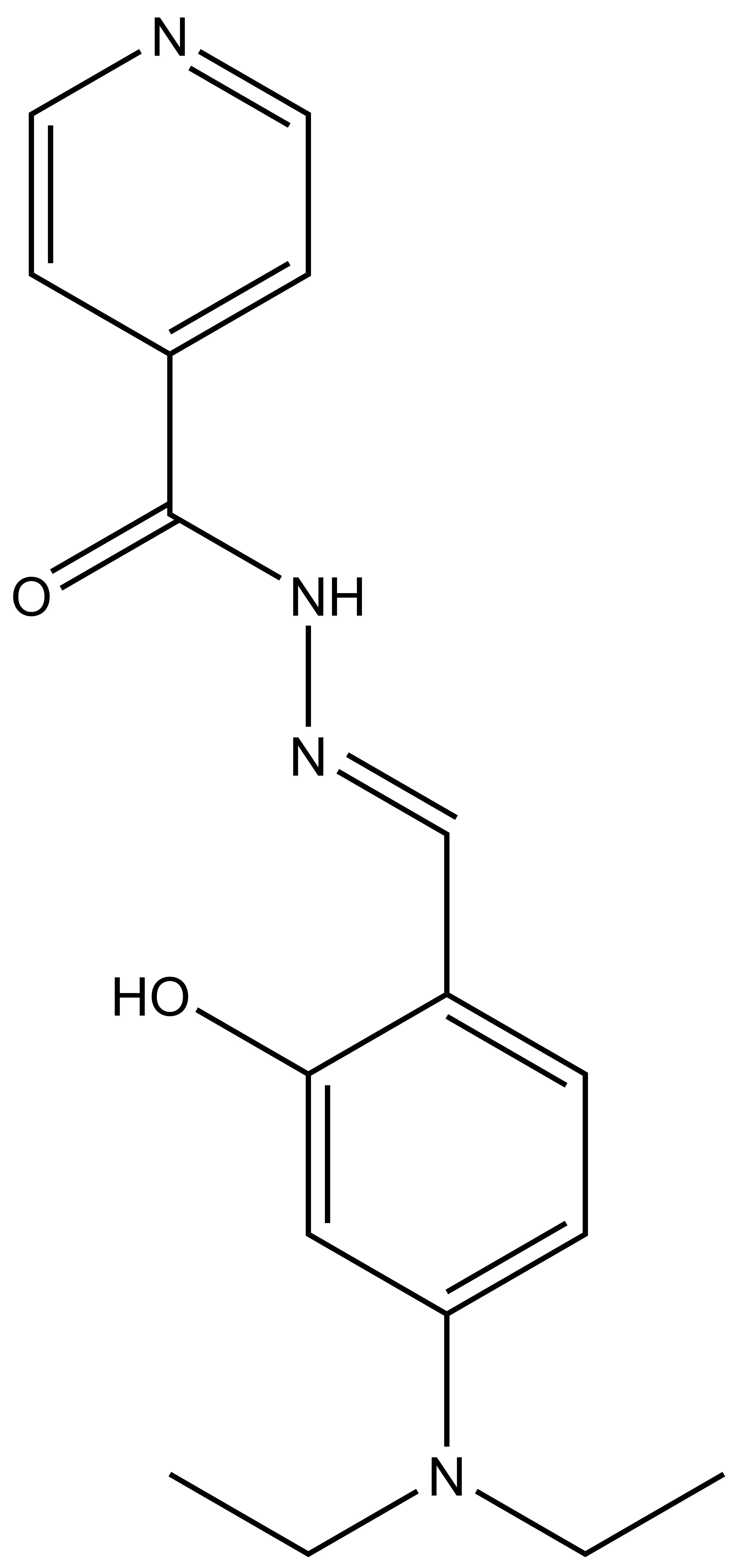
- CAS No.: 140405-36-3
- Pathways: Chromatin/Epigenetic; Autophagy; JAK/STAT signaling; PI3K/Akt/mTOR signaling; Stem cell regulation
- Target: STAT; AMPK
- Receptor: AMPK; STAT3
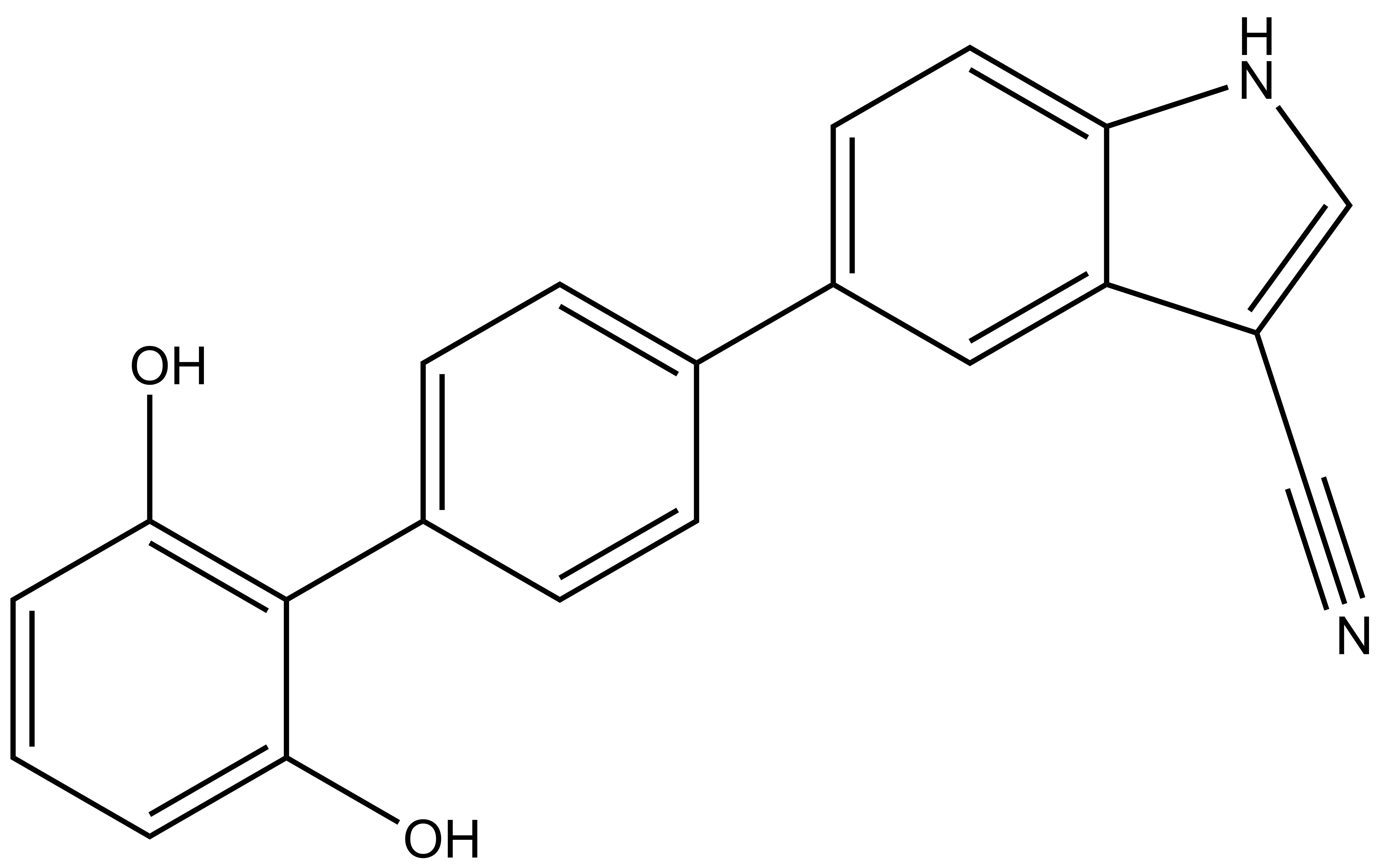
- CAS No.: 1179347-65-9
- Pathways: Chromatin/Epigenetic; Apoptosis; PI3K/Akt/mTOR signaling
- Target: AMPK; mTOR
- Receptor: AMPK; mTORC1
- CAS No.: 693228-63-6
- Pathways: Chromatin/Epigenetic; Cell cycle/Checkpoint; PI3K/Akt/mTOR signaling; Angiogenesis; MAPK; Tyrosine kinase/adaptors
- Target: FLT; VEGFR; Aurora kinase; CDK; S6 Kinase
- Receptor: Aurora A; Aurora B; CDK2/CyclinE; CDK9/CyclinT; FLT3; p70 S6K; VEGFR2