

Decoding the Obesity Ecosystem: An Integrated Multi-Omics Perspective on Novel Therapeutic Targets
June 22, 2026

September 16, 2026
Under the developmental origins of health and disease framework, early environmental stimuli induce persistent physiological adaptations shaping long-term metabolic disease risk. The early postnatal period represents a vital developmental window during which gut microbiota colonization coincides with host metabolic and immune organ maturation.
Published in 2026 in Gut Microbes by researchers at Sichuan University, a preclinical study titled "Early postnatal antibiotic-associated gut microbiota alterations might promote long-term lipid metabolism via brown adipose tissue metabolic programming" investigates how early microbial shifts influence adult lipid homeostasis. Past studies produced conflicting results, with some linking infant antibiotics to childhood obesity and others observing no effect or reduced body weight. Additionally, few investigations tracked continuous developmental trajectories into adulthood or explored thermogenic fat participation, leaving a critical knowledge gap that this study directly addresses.
To evaluate early microbial perturbation, C57BL/6J mouse pups were administered oral ceftriaxone sodium at 100 mg/kg body weight daily from postnatal day 0 to postnatal day 14 or 21. Continuous treatment to postnatal day 21 caused an immediate drop in alpha diversity (Shannon and Simpson, p < 0.001) and distinct principal coordinates analysis clustering (p = 0.001), driven by increased relative abundance of Firmicutes and Ligilactobacillus (p < 0.05).
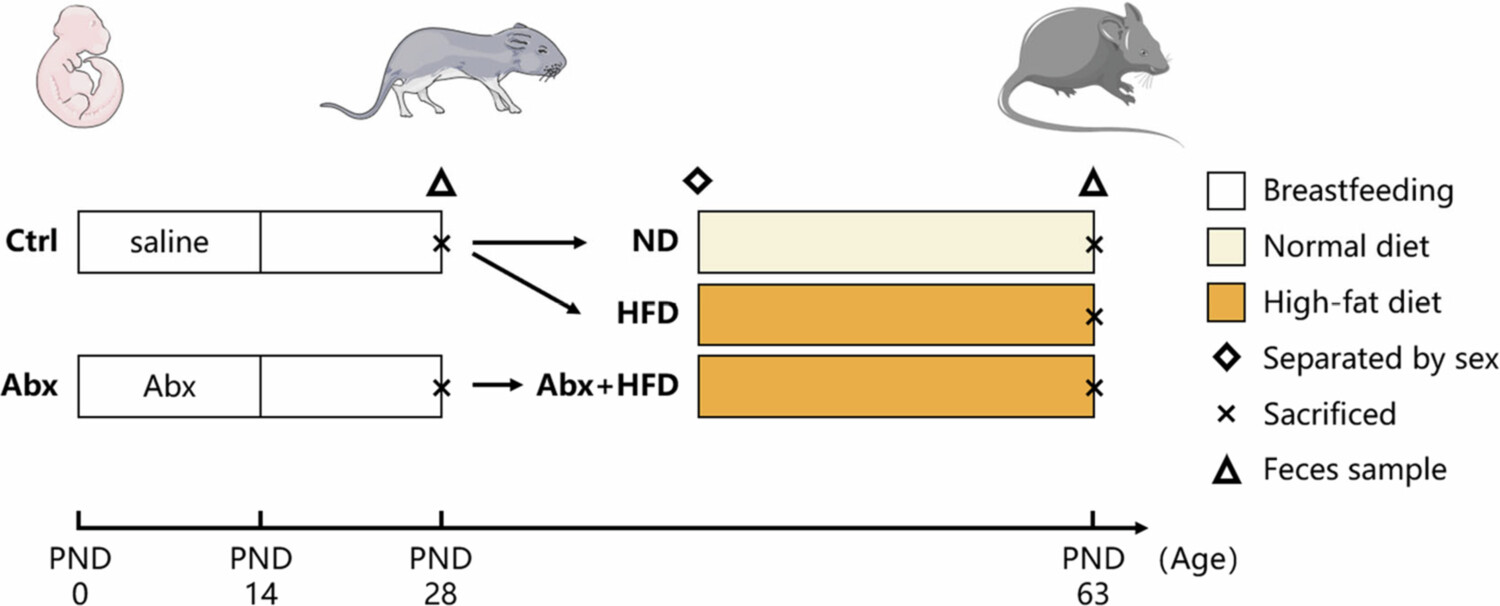 Fig.1 Experimental design and study groups. (Liang, et al., 2026)
Following a two-week recovery phase at postnatal day 28, alpha diversity metrics including the Shannon index (p < 0.001) and Simpson index (p < 0.01) were unexpectedly elevated in antibiotic-treated mice compared to controls, as antibiotic clearance allowed non-dominant taxa to expand. Weighted UniFrac principal coordinates analysis confirmed structural community separation (p < 0.01). At the phylum level, Firmicutes abundance decreased from 62.64% in controls to 43.54% in treated mice, while Bacteroidota increased from 29.43% to 44.11% and Proteobacteria expanded from 3.11% to 5.54%. At the genus level, Ligilactobacillus dropped from 45.06% to 10.93%, whereas Lachnoclostridium (8.22% vs 1.36%), Blautia (8.77% vs 2.38%), Parasutterella (2.82% vs 0.27%), Klebsiella (1.67% vs 0.12%), and Anaerostipes (1.04% vs 0.28%) expanded. Linear discriminant analysis effect size identified Ligilactobacillus as a control marker and Lachnoclostridium and Blautia as antibiotic markers. Gas chromatography mass spectrometry (GC-MS) revealed severe functional suppression of microbial fermentation, with significant drops across all seven measured short-chain fatty acids (all p < 0.05).
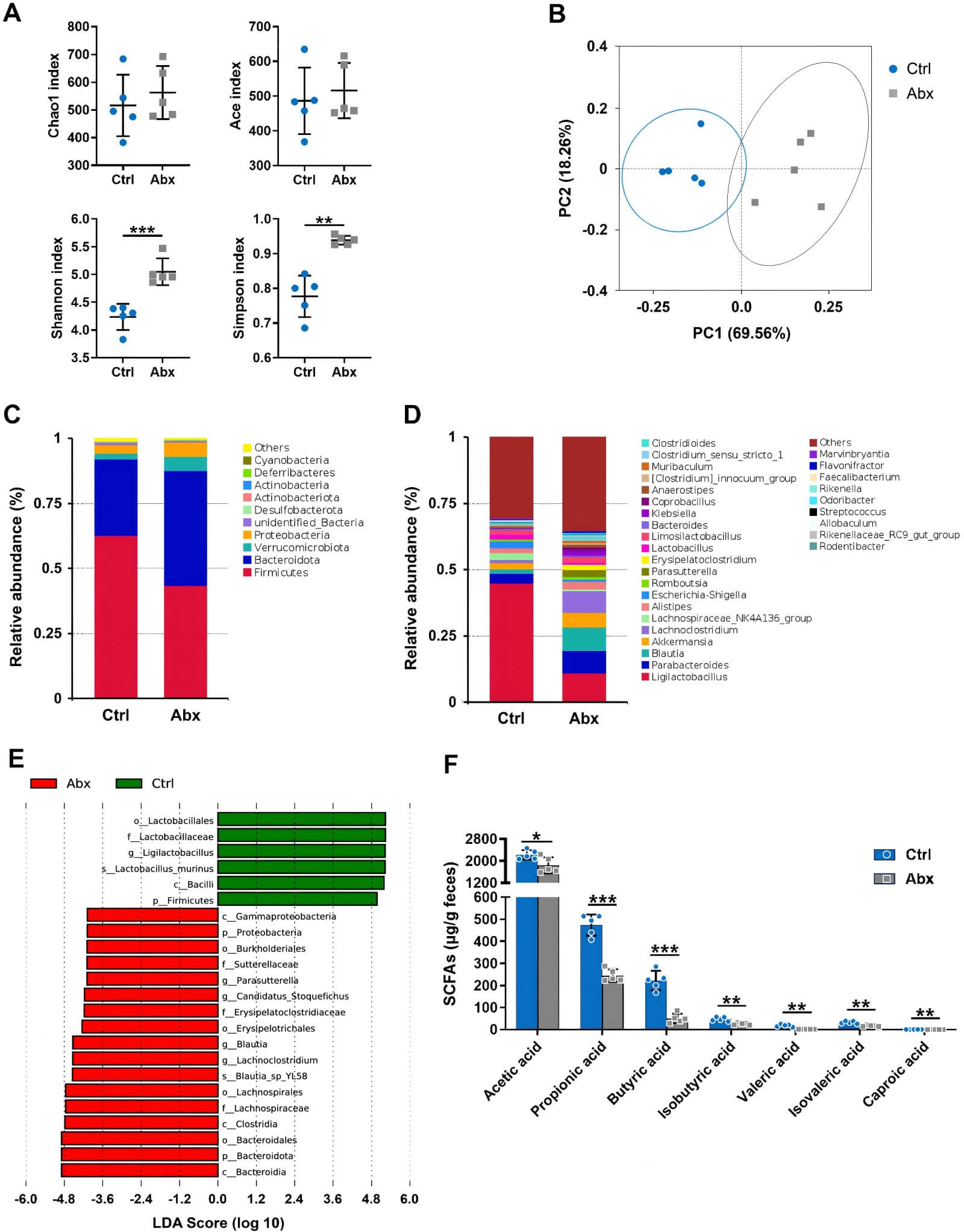 Fig.2 Gut microbiota composition and SCFA changes in weaning mice. (Liang, et al., 2026)
Following weaning at postnatal day 28, mice were assigned to normal diet, high-fat diet, or antibiotic plus high-fat diet groups until postnatal day 63. High-fat diet feeding in adult male control mice induced severe metabolic disturbances, including elevated body weight, visceral adiposity, serum total cholesterol, fasting blood glucose, and homeostasis model assessment of insulin resistance.
Despite identical daily caloric intake, adult male mice pretreated with neonatal antibiotics exhibited significant resistance to high-fat diet-induced lipid disorders. Compared to high-fat diet controls, pretreated males displayed significant reductions in inguinal white adipose tissue mass (p < 0.01), perirenal white adipose tissue mass (p < 0.05), serum total cholesterol (p < 0.05), and serum leptin concentrations (p < 0.05). Oil red O staining confirmed marked reductions in hepatic lipid droplet accumulation (p < 0.05). Pretreated males also maintained significantly higher rectal temperatures under high-fat diet challenge (p < 0.05), indicating elevated thermogenesis. Female mice displayed milder overall baseline responses to high-fat diet challenge and nonsignificant trends in fat depot reductions.
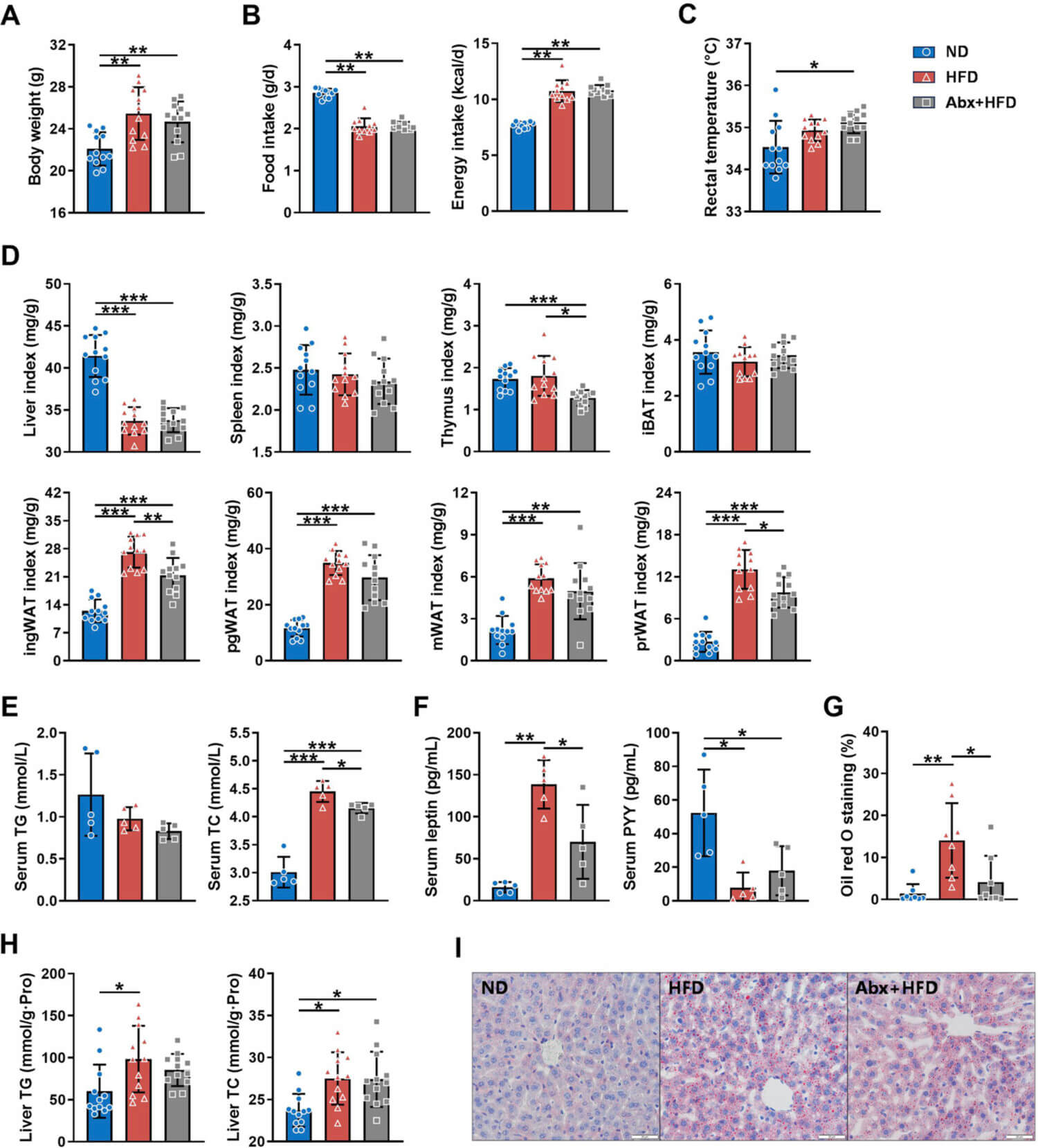 Fig.3 Effects of microbiota intervention on lipid metabolism and metabolic phenotypes in adult mice. (Liang, et al., 2026)
Evaluating fat depots at postnatal day 63 revealed that while high-fat diet induced severe adipocyte hypertrophy in inguinal white adipose tissue (p < 0.001), early antibiotic exposure did not alter subcutaneous white adipose tissue adipocyte size or induce beige adipocyte browning.
In contrast, structural remodeling was prominent in interscapular brown adipose tissue. Male mice pretreated with antibiotics exhibited smaller multilocular adipocytes and elevated uncoupling protein 1 immunofluorescence intensity compared to high-fat diet controls (p < 0.01). Transcriptional profiling of brown fat revealed significant upregulation of the differentiation marker Eva1 (p < 0.05), thermogenic driver Ucp1 (p < 0.001), and mitochondrial genes Cox8β and Cebpα (both p < 0.05). Conversely, inguinal white adipose tissue showed discordant browning responses, suppressing the beige marker Tmem26 (p < 0.01).
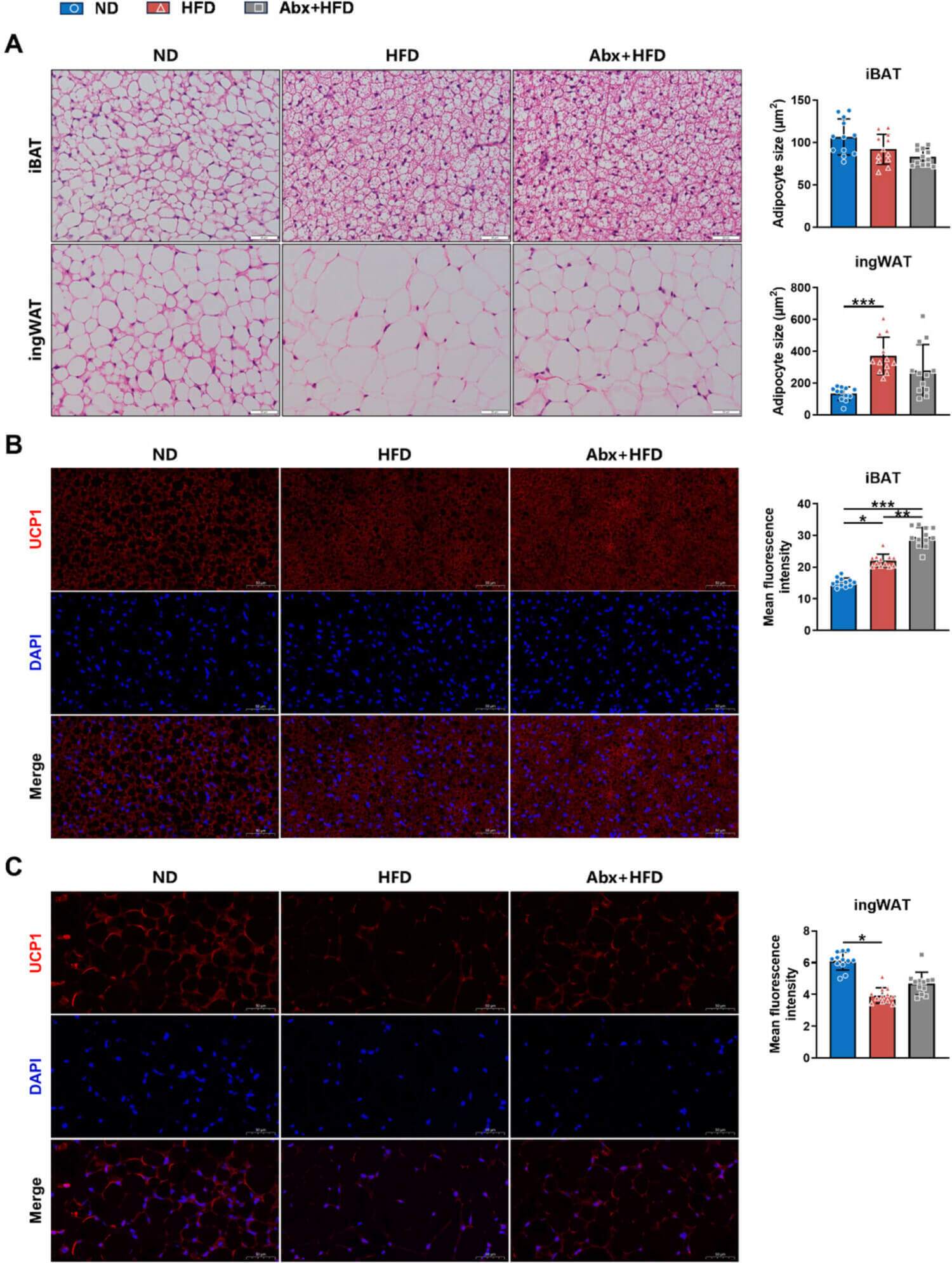 Fig.4 Effects on adipose tissue morphology and UCP1 expression in adult mice. (Liang, et al., 2026)
At postnatal day 28, weaning mice in the antibiotic group exhibited elevated rectal temperatures (p = 0.060) and significant upregulation of brown fat differentiation (Eva1), thermogenic (Ucp1, Prdm16, Cebpα), and mitochondrial transcription factors (Tfam, Nrf1) in interscapular brown adipose tissue (all p < 0.05). Direct antibiotic exposure to postnatal day 21 confirmed that thermogenic gene expression was upregulated prior to weaning (all p < 0.05).
Immune profiling of weaning brown fat revealed anti-inflammatory remodeling, characterized by significantly reduced M1 marker iNOS expression (p < 0.01) and elevated M2 marker Arg1 expression (p < 0.01). Serum Luminex assays demonstrated elevated circulating interleukin-6 (p < 0.05) and reduced tumor necrosis factor-alpha levels (p < 0.05), suggesting early microbial disruption triggers interleukin-6 release and M2 macrophage polarization to prime thermogenesis.
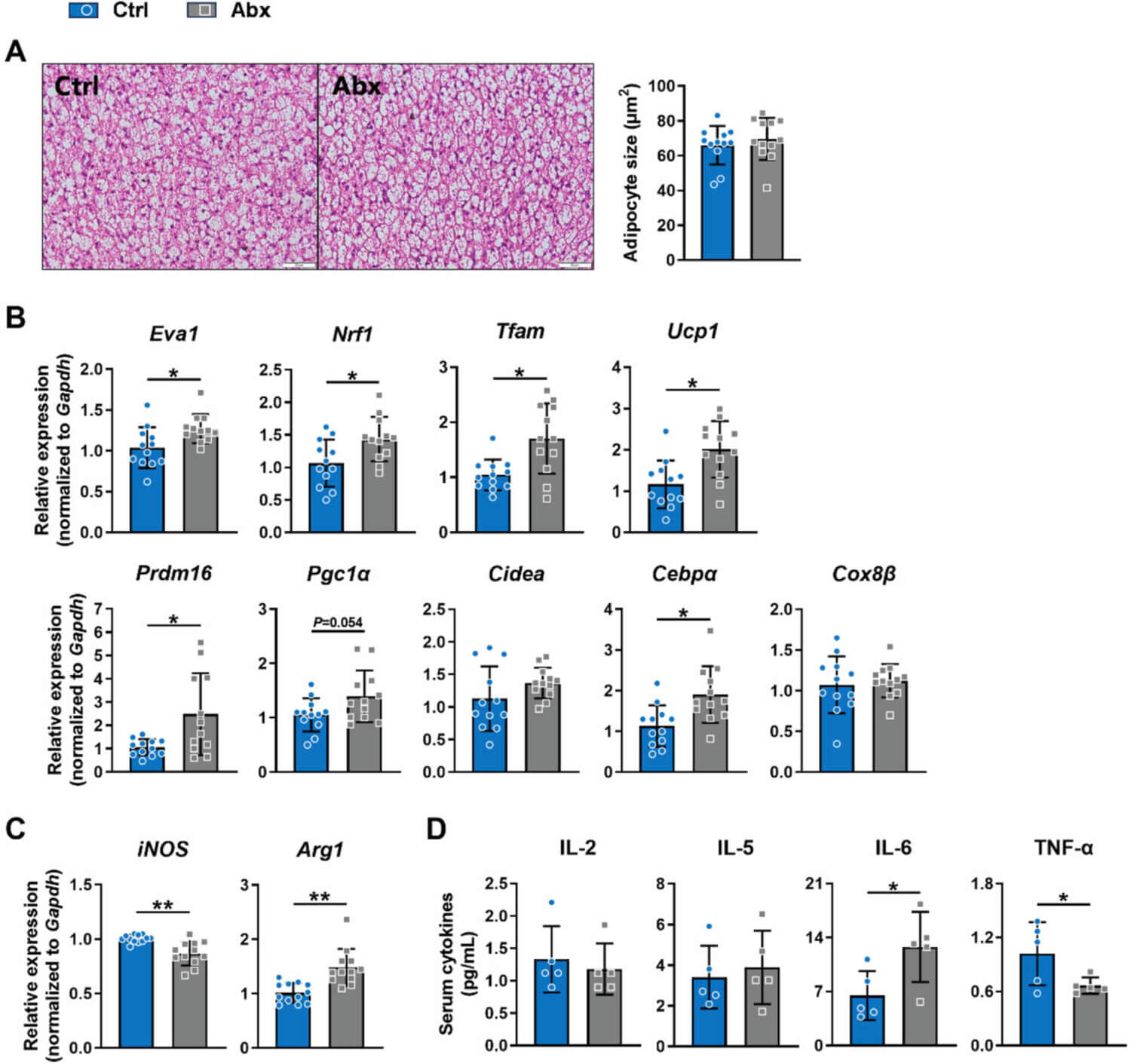 Fig.5 Development of brown adipose tissue and immune responses in weaning mice. (Liang, et al., 2026)
At postnatal day 63, weighted UniFrac principal coordinates analysis and short-chain fatty acid quantification demonstrated that high-fat diet feeding, rather than early antibiotic exposure, dictated adult microbial structure, with high-fat diet and antibiotic plus high-fat diet groups displaying overlapping clusters and identical short-chain fatty acid suppression (p > 0.05). Tax4Fun functional predictions (KEGG Level 2) showed no significant differences between high-fat diet controls and antibiotic-pretreated mice (p > 0.05). Furthermore, proximal jejunum gene expression analysis showed identical upregulation of fatty acid transport genes (FATP4, Fabp2) across both high-fat diet groups. These findings demonstrate that adult lipid metabolic protection is driven by early brown fat developmental programming rather than persistent adult microbiota alterations or altered lipid absorption.
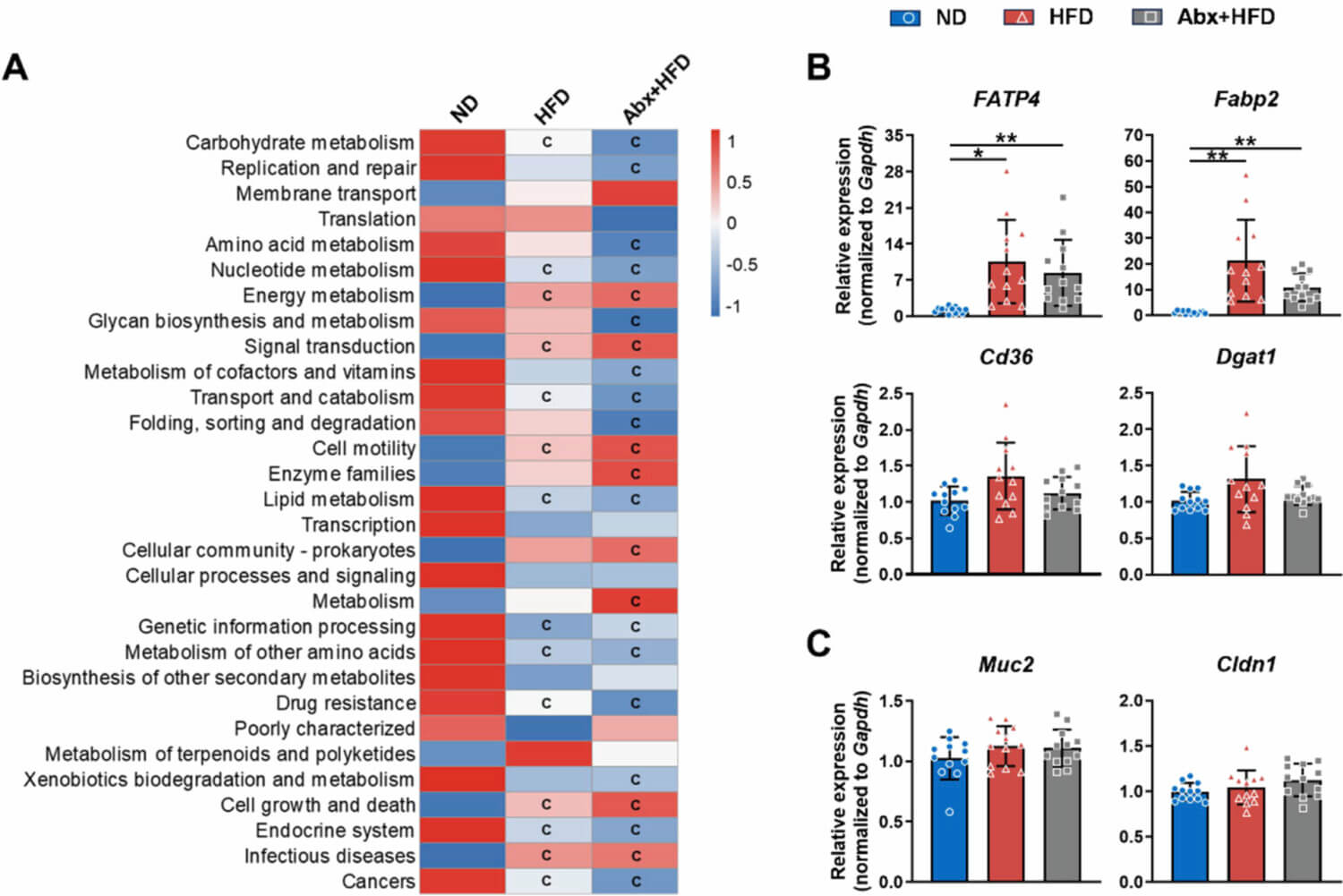 Fig.6 Gut microbiota functional changes and intestinal gene expression in adult mice. (Liang, et al., 2026)
Understanding the relationship between early microbial development and host adipose tissue remodeling requires integrated analytical strategies that combine microbiome profiling, metabolic characterization, and functional validation. For researchers investigating microbiome interventions, thermogenic adipose activation, or metabolic programming, Protheragen provides comprehensive support across experimental design, model development, and multi-level biological analysis.
Our capabilities include 16S rRNA Gene Sequencing for microbial community profiling, targeted short-chain fatty acid quantification by GC–MS, and adipose tissue characterization through histopathology and immunofluorescence imaging. We also support specialized experimental models, including microbiome modulation models, multiplex cytokine profiling, and RT-qPCR-based gene expression analysis. These integrated approaches enable researchers to investigate microbiome–host interactions, identify metabolic mechanisms, and generate robust datasets for advancing metabolic disease research.
This study demonstrates, under the Developmental Origins of Health and Disease paradigm, that early postnatal gut microbiota perturbations can induce long-term metabolic resilience through brown adipose tissue programming. Rather than acting strictly as a risk factor for disease, transient early life microbial shifts recalibrate Interleukin-6 signaling and M2 macrophage polarization to enhance adaptive thermogenesis. While antibiotics are not recommended for obesity prevention due to potential glycemic risks, these insights highlight early microbial-adipose crosstalk as a modifiable target. Strategically promoting brown fat development through safe immunomodulatory alternatives (such as probiotics, postbiotics, omega-3 fatty acids, or human milk components) during early windows represents a promising translational avenue for lifelong obesity prevention.
Reference
June 22, 2026
November 15, 2025
September 16, 2026
Copyright © Protheragen. All rights reserved.