Beyond the Gut: How Early Postnatal Antibiotic Exposure Programs Brown Adipose Tissue and Adult Lipid Metabolism
September 16, 2026

November 15, 2025
The gut microbiome plays a pivotal role in metabolism, energy balance, and inflammation, all of which are critical during pregnancy. Obesity in pregnant women is linked to higher risks of gestational diabetes, hypertension, and preeclampsia, but the underlying microbial mechanisms remain unclear.
Patavoukas et al. (2025) conducted a matched cohort study in Sweden, published in BMC Microbiology, to explore differences in the fecal microbiome between obese and non-obese pregnant women. While previous studies suggested associations between maternal obesity and gut dysbiosis, large, well-controlled cohort studies capturing temporal changes during gestation were lacking. This study addresses this gap by profiling the microbiome at two pregnancy time points in a robustly matched cohort.
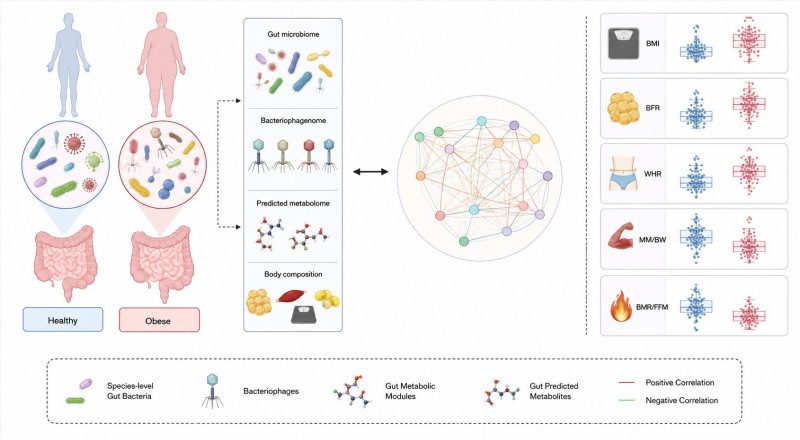
This study leveraged the large longitudinal Swedish SweMaMi cohort to characterize gut microbiome differences between 746 lean and 254 obese pregnant women at two pregnancy timepoints (second and early third trimester). The analyses included taxonomic diversity, beta diversity, differentially abundant species, and gut-metabolic modules (GMMs) based on shotgun metagenomic sequencing.
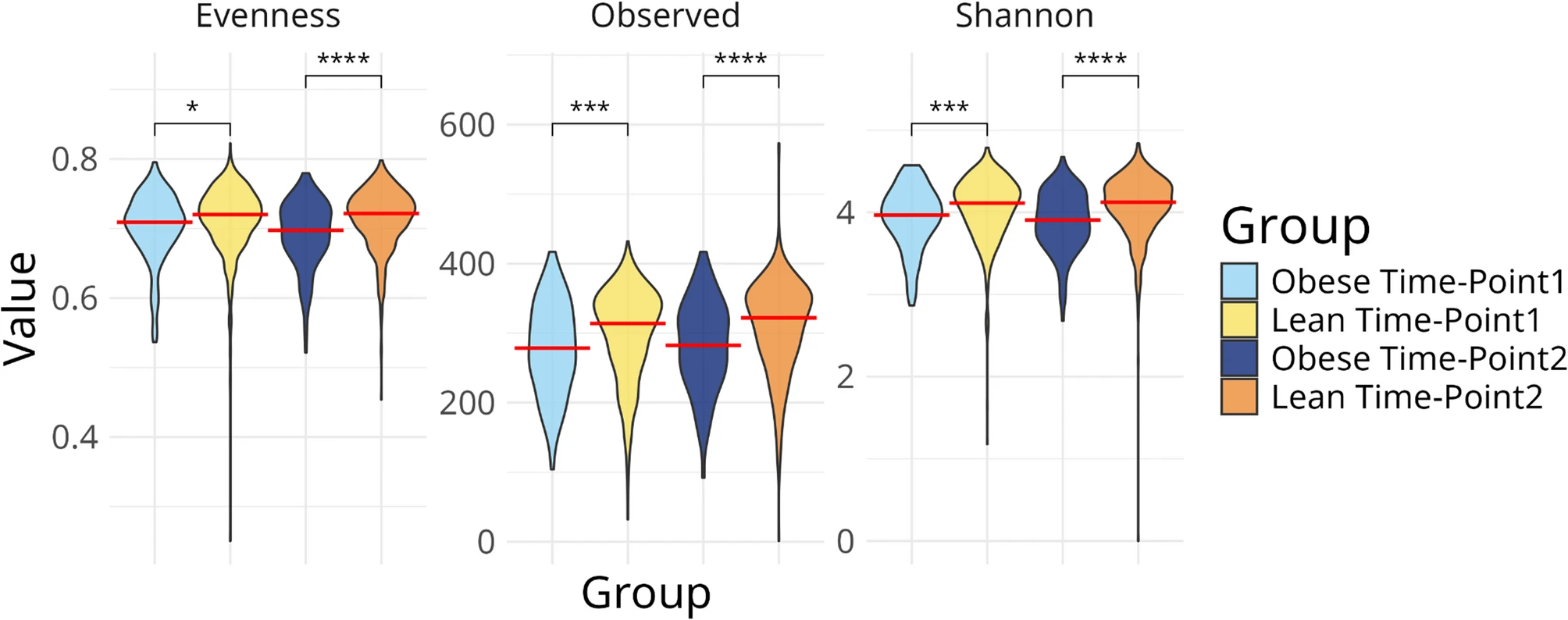 Fig.1 Obese pregnant women have lower gut microbiome diversity, richness, and evenness compared with lean women. (Patavoukas, et al., 2025)
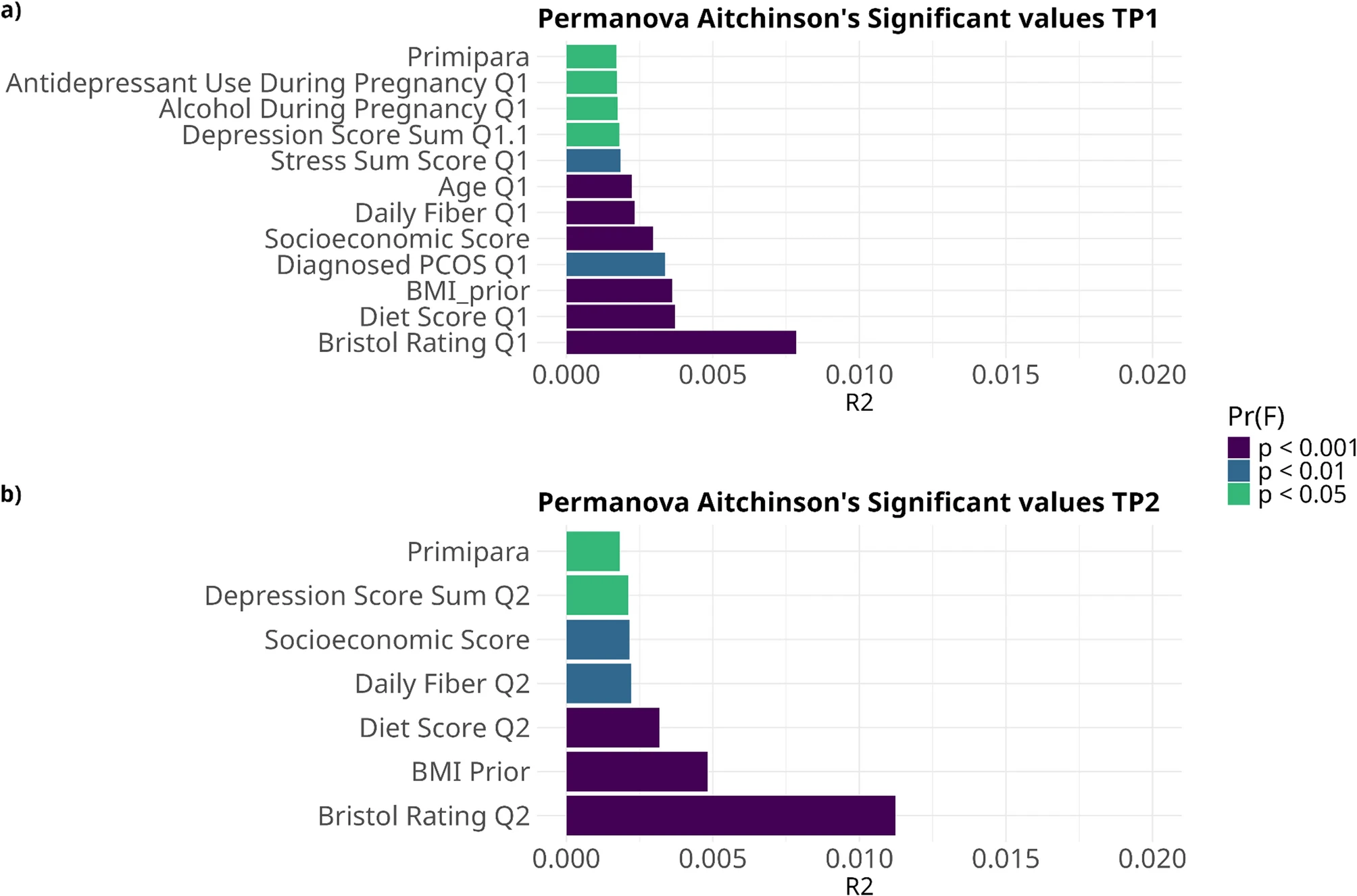 Fig.2 Stool form, BMI, antibiotics, and probiotics are major factors explaining microbiome differences between samples. (Patavoukas, et al., 2025)
Adjusted analyses showed that maternal obesity is associated with distinct taxonomic shifts over pregnancy. In the second trimester, a few species were differentially enriched between obese and lean women, expanding by the third trimester, although controlling for bowel transit reduced most differences. Notably, obese women exhibited higher abundances of opportunistic pathogens and taxa linked to inflammation and metabolic dysregulation, including Streptococcus mitis, S. parasanguinis, and Collinsella aerofaciens. Certain Firmicutes also differed between groups, reflecting diet-associated microbiome signatures. These results highlight specific microbial patterns accompanying maternal obesity, beyond overall reductions in diversity.
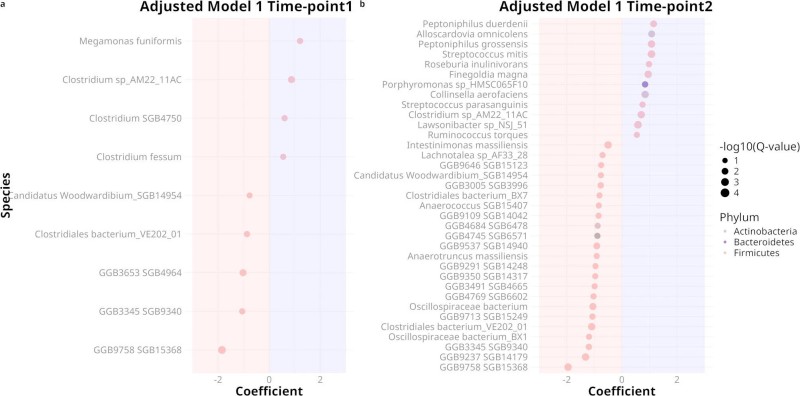 Fig.3 Several Firmicutes species differ in abundance between obese and lean pregnant women across pregnancy. (Patavoukas, et al., 2025)
Functional profiling of the microbiome using KEGG-based gut metabolic modules revealed:
Propionate is a microbial-derived short-chain fatty acid known to mediate anti-inflammatory responses, enhance insulin sensitivity, and regulate adipose tissue turnover during pregnancy. Consequently, the sustained reduction of this metabolite in the microbiomes of obese women likely represents a functional deficiency associated with increased metabolic vulnerability.
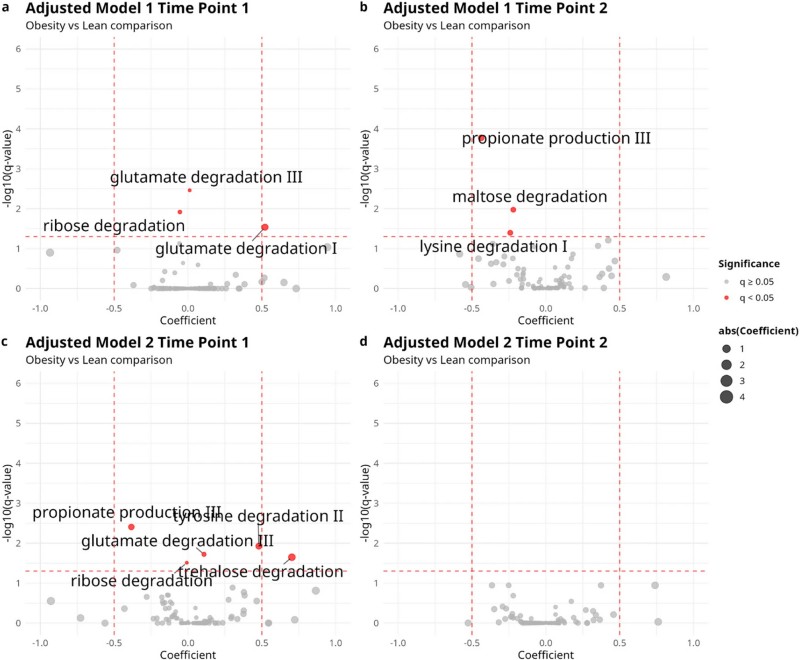 Fig.4 Functional gut metabolic modules differ between obese and lean women. (Patavoukas, et al., 2025)
This study highlights that maternal obesity is associated with altered gut microbiome composition and functional potential, which may influence metabolic and inflammatory processes during pregnancy. In particular, the observed reduction in short-chain fatty acid (SCFA) production suggests a microbial contribution to impaired glucose metabolism and heightened inflammation in obese pregnancies.
Understanding these microbiome dynamics carries important relevance, as it may guide strategies to reduce obesity-related pregnancy complications. Interventions such as dietary modulation, probiotics, or synbiotics could be investigated to normalize maternal gut microbiota and improve metabolic outcomes.
For researchers interested in exploring microbiome dynamics, gut microbiome interventions, or metabolic studies, Protheragen offers Comprehensive Research Services to support experimental design, microbiome profiling, and data analysis.
| Obesity Microbiota Colonization Studies |  |
Advanced Gut Microbiota Profiling in Obesity |
| Genetics Analysis Service of Microbiota in Obesity | Effect Analysis of Dietary Components on the Gut Microbiota | |
| Obesity Microbiota Metabolite Testing Service | Fecal Microbiota Transplantation Research Service | Obesity Gut microbiota-targeted intervention Service |
Reference
September 16, 2026
June 22, 2026
September 16, 2026
Copyright © Protheragen. All rights reserved.