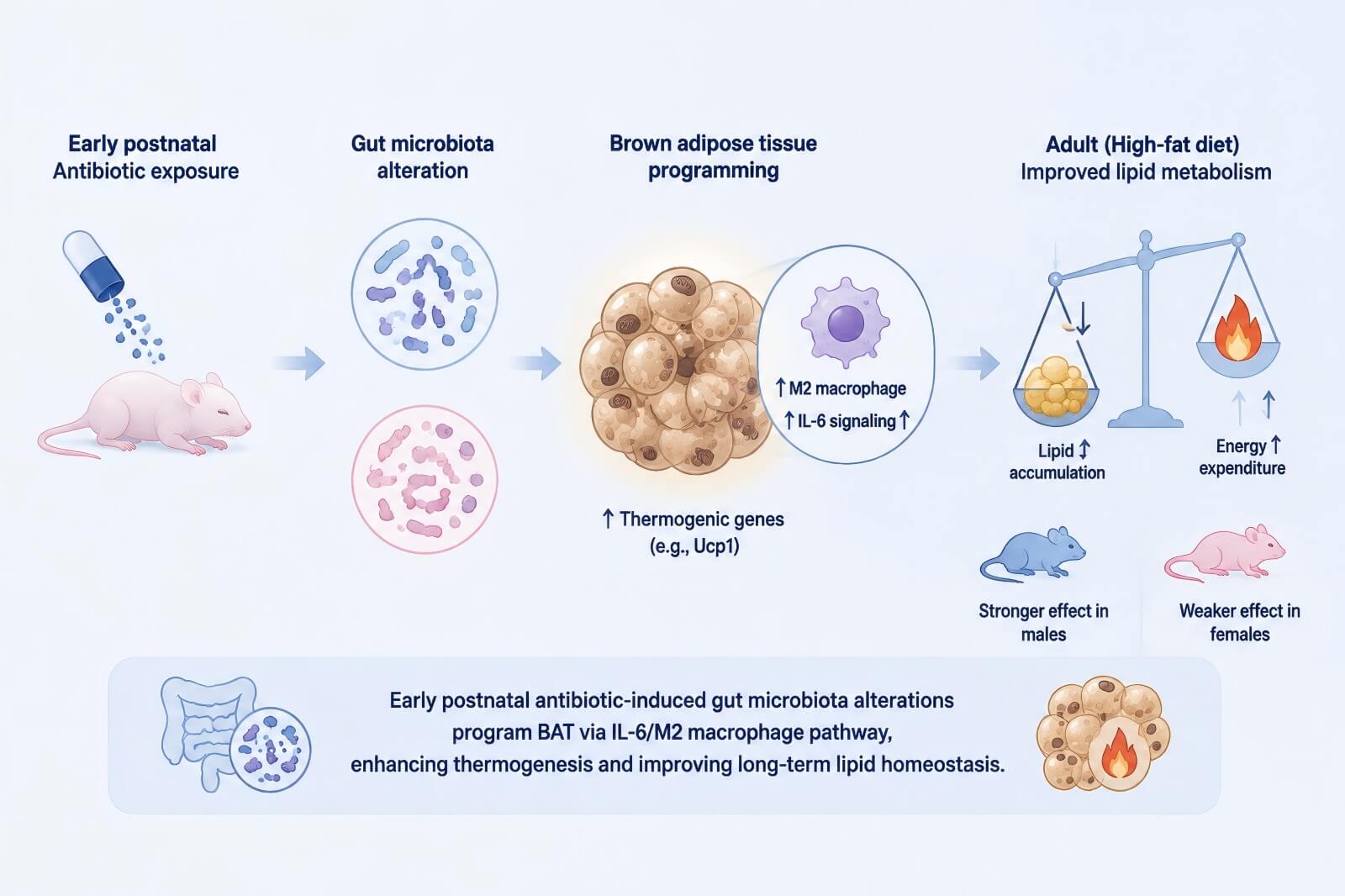
Beyond the Gut: How Early Postnatal Antibiotic Exposure Programs Brown Adipose Tissue and Adult Lipid Metabolism
September 16, 2026

June 22, 2026
Obesity is a critical global epidemic driving comorbidities like cardiovascular diseases, type 2 diabetes, and cancer. While conventional weight-loss strategies often fail to address metabolic regulation, the gut microecology acts as a central hub of host energy homeostasis. However, studying microbial elements in isolation is like examining a single leaf to understand a forest; most historical studies relied on narrow single-omics profiling, ignoring bacteriophages and failing to map how microbes translate genomic capacity into metabolic outputs.
To resolve these challenges, a pioneering cross-sectional study, titled "Integrative profiling of gut microbiome, bacteriophagenome, and predicted metabolome in obese adults: novel insights into intervention targets," shifts this paradigm. By analyzing seventy-two adults (36 obese [OB] and 36 healthy [HE]), the study integrated species-level genome bins (SGBs), the bacteriophagenome, gut metabolic modules (GMMs), gut predicted metabolites (GPMs), and body composition metrics. This multi-level network mapped a multidimensional microbial blueprint to pinpoint targetable biological nodes for precision medicine and personalized nutritional interventions.
The results of this study reveal a stark, multi-level divergence between healthy individuals and those experiencing obesity, demonstrating that metabolic imbalances are deeply mirrored across every dimension of the intestinal ecosystem.
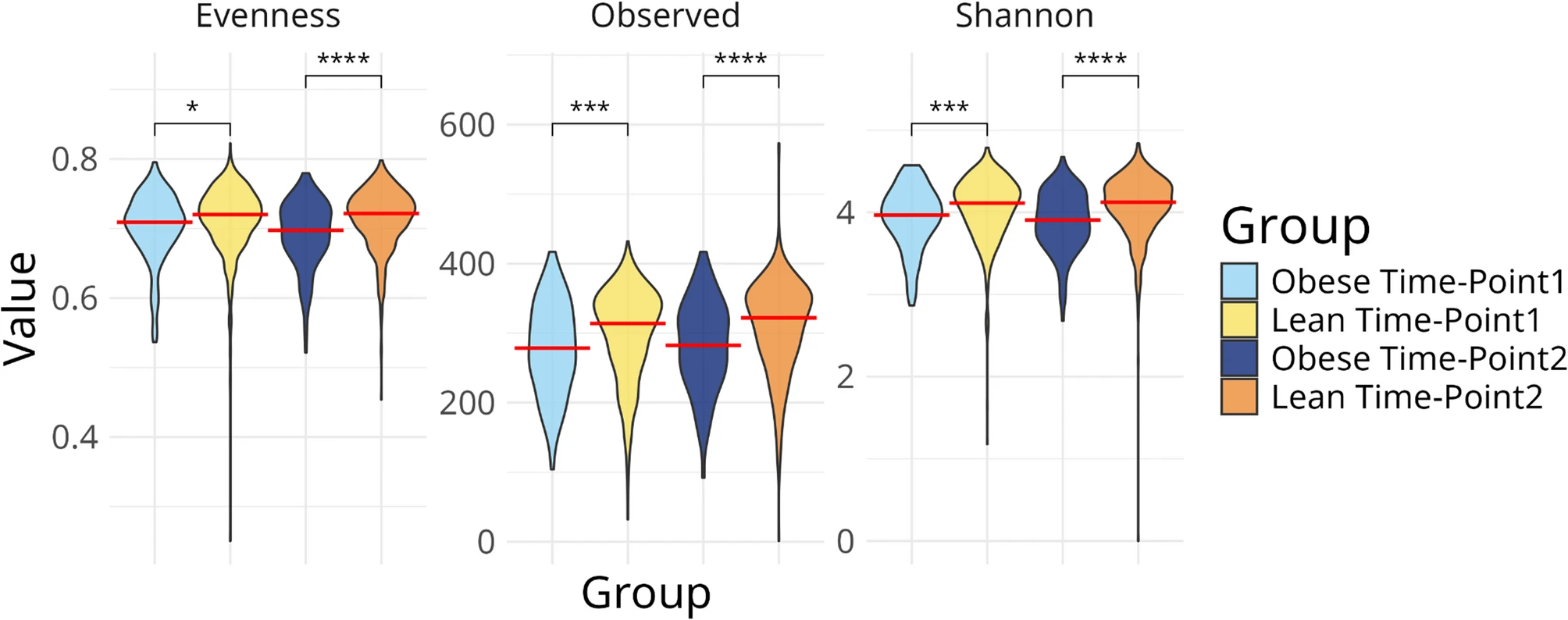
Physiologically, bioelectrical impedance analysis showed that the OB had significantly higher BMI, BFR, and WHR, alongside lower MM/BW and BMR/FFM, indicating increased adiposity paired with reduced muscle proportion and metabolic capacity. This decline coincided with a collapse in gut microbial diversity; the OB showed a significantly lower Shannon index and distinct community separation on PCoA. Furthermore, a significantly increased Bacillota/Bacteroidota ratio in the OB marked a classic ecological shift toward enhanced dietary energy harvesting.
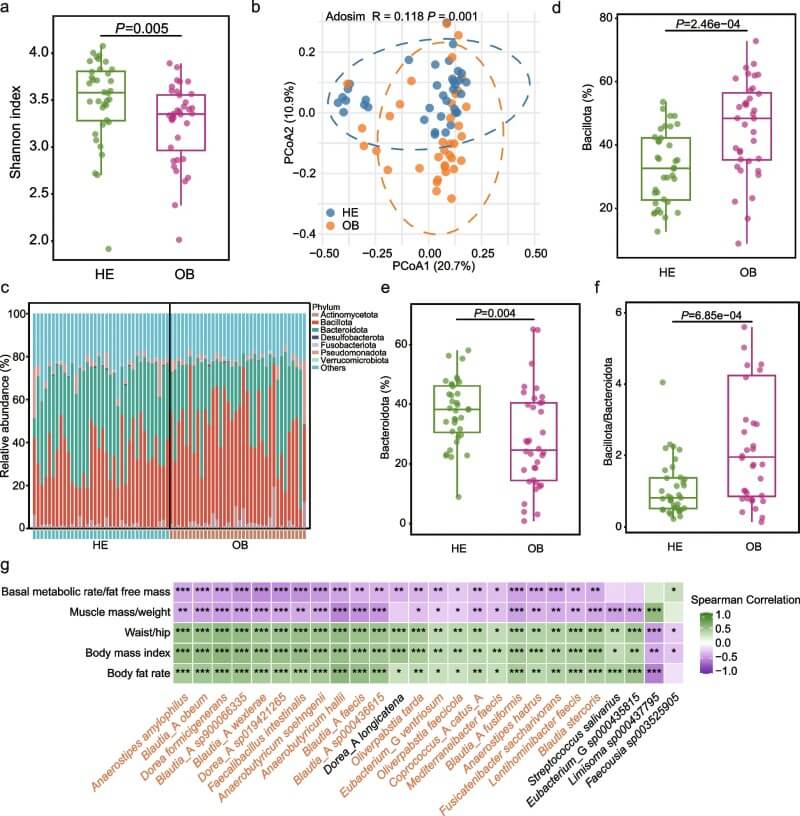 Fig.1 Obesity was associated with altered gut microbial diversity and body composition-related bacterial changes. (Li, et al., 2026)
Metagenomic profiling identified twenty-six altered SGBs; twenty-one (including Faecalibacillus intestinalis, Blautia wexlerae, Anaerostipes amylophilus, Anaerobutyricum hallii, and Dorea formicigenerans) correlated positively with obesity metrics and negatively with muscle mass. This bacterial shift was mirrored in the bacteriophage genome, where viral diversity decreased in the OB and aligned strongly with bacterial diversity. Host prediction linked dominant phages like Siphoviridae to Bacillota and Bacteroidota. Furthermore, Myoviridae and Inoviridae expanded, while crAss-phage declined, mirroring the contraction of its predicted host, Limisoma sp000437795 (Muribaculaceae), in a coordinated phage-bacterial decline.
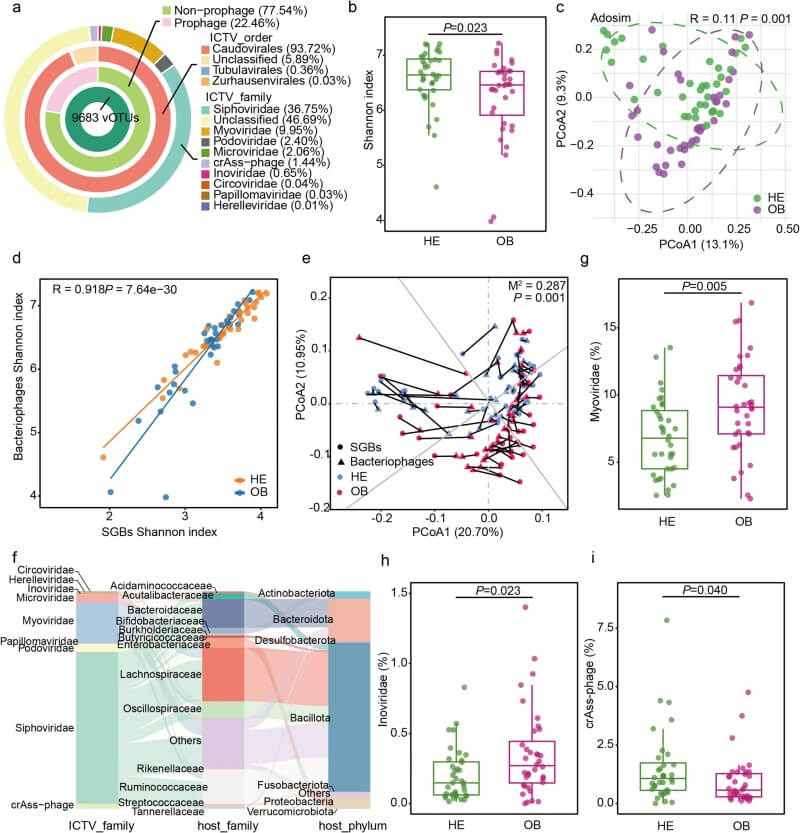 Fig.2 Gut bacteriophage composition and diversity differed between healthy and obese adults. (Li, et al., 2026)
Functional reconstructions showed these twenty-one SGBs encoded fifty-three GMMs. Twenty-two modules, including glycine, urea, and methionine degradation, were significantly elevated in the OB, indicating accelerated carbon-nitrogen flux under caloric surplus.
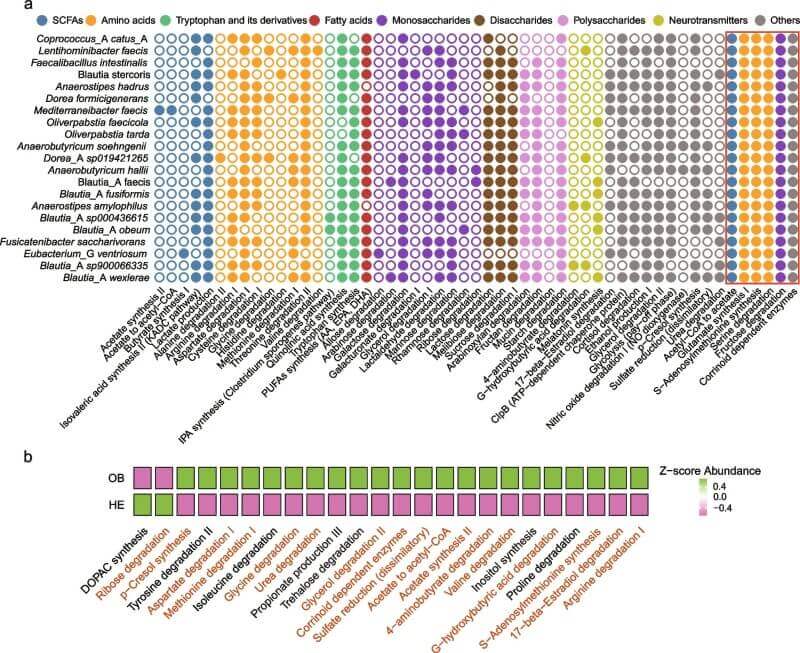 Fig.3 Obesity related microbial metabolic modules showed distinct functional enrichment patterns. (Li, et al., 2026)
This shift predicted a GPM metabolome enriched with inflammatory compounds, computationally inferred via MelonnPan. Key compounds driving metabolic dysfunction, including N-acetylspermidine, N-acetylhistidine, and the insulin-disrupting agent imidazole propionate, were highly elevated. In ROC analyses, eleven SGBs and three GPMs (N-acetylspermidine, N-acetylhistidine, imidazole propionate) achieved diagnostic AUC values exceeding 0.8, demonstrating their biomarker potential.
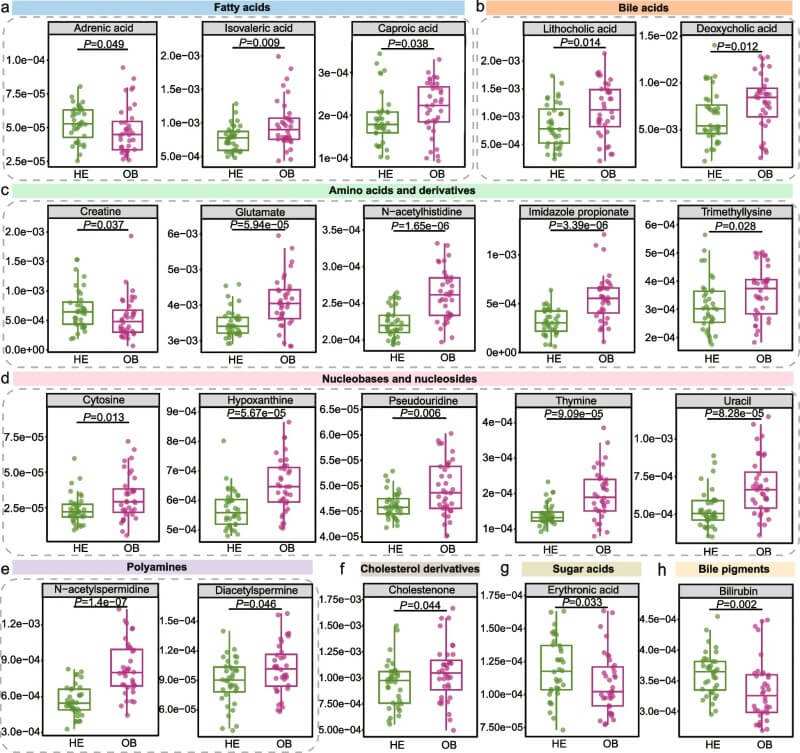 Fig.4 Several gut metabolic pathways displayed significant abundance differences in obese adults. (Li, et al., 2026)
Spearman correlation network analysis revealed a coordinated web of twenty-one SGBs, two phages, sixteen GMMs, and sixteen GPMs, with SGBs acting as central hubs. Six key species (including Dorea formicigenerans, Blautia wexlerae, and Anaerobutyricum hallii) positively correlated with obesity traits, valine degradation, and N-acetylspermidine, and negatively with muscle mass. Additionally, Inoviridae and Myoviridae phages positively correlated with several amino acid degradation modules. Myoviridae are also associated positively with BFR and N-acetylspermidine, but negatively with MM/BW and bilirubin, indicating phages may indirectly drive fat accumulation by altering anti-inflammatory pathways. Finally, negative correlations between creatine and arginine or 4-aminobutyrate degradation highlight microbial impacts on host muscle energy homeostasis, confirming that physiological obesity is deeply tied to multi-level ecological interactions.
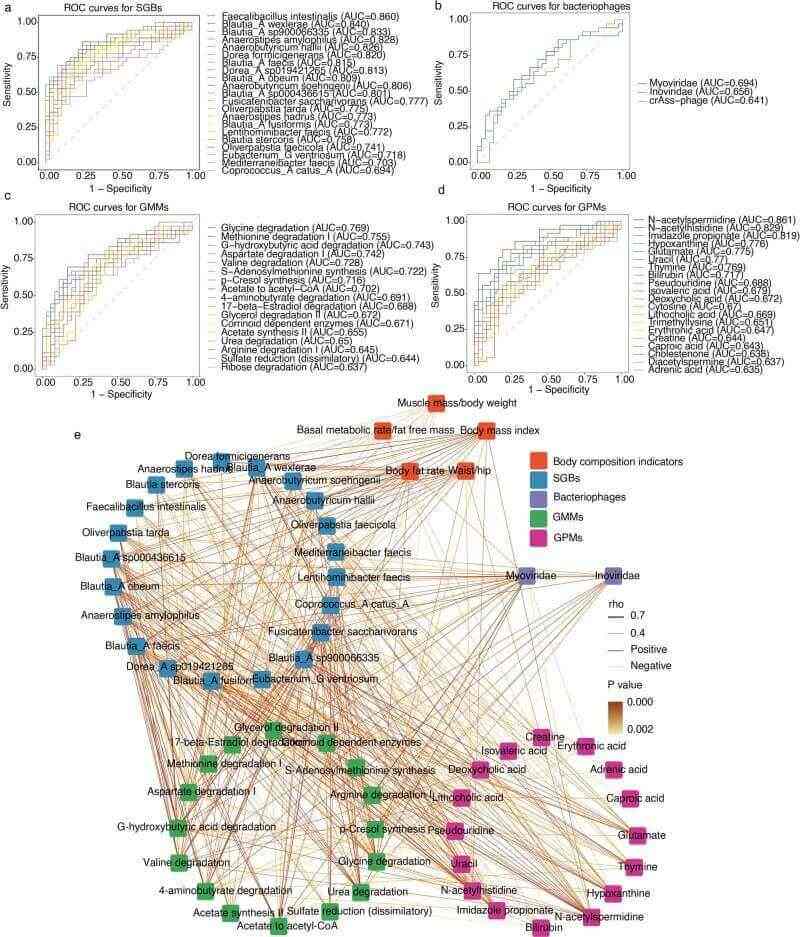 Fig.5 Microbial markers and metabolic features were strongly associated with obesity related body composition traits. (Li, et al., 2026)
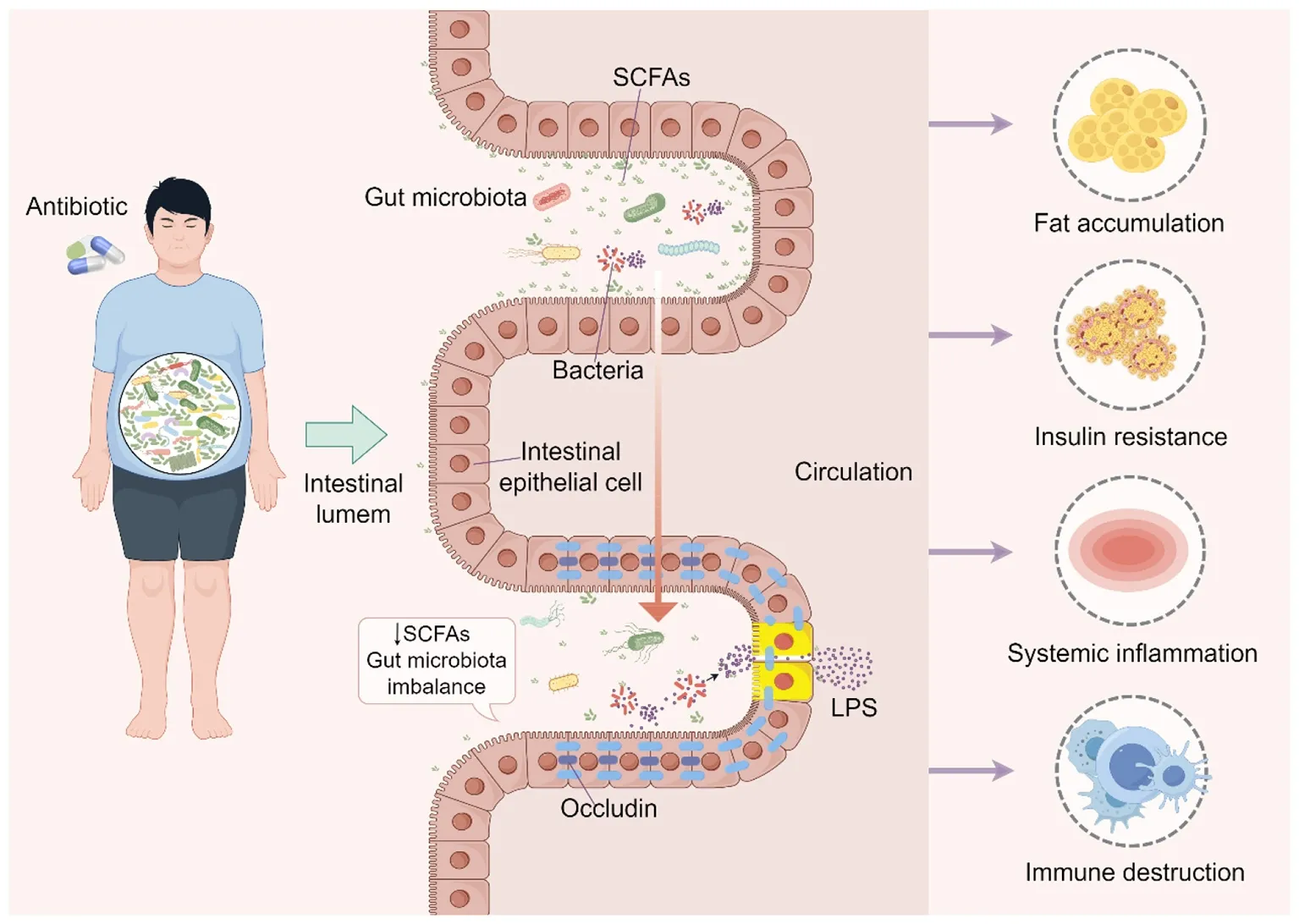
These findings reveal that obesity is a systemic state driven by a dysregulated, multi-level intestinal network rather than simple caloric excess. Feed-forward interactions between specific SGBs, expanding phages, and inflammatory metabolites promote fat accumulation while degrading muscle ratios. For instance, dietary stressors trigger a coordinated decline of crAss-phage and its Limisoma host, while upregulated branched-chain amino acid degradation and secondary bile acid accumulation impair gut barrier integrity and drive systemic inflammation.
Translational value lies in shifting toward true precision medicine. Instead of generic weight-loss advice, these specific biomarkers enable targeted interventions like narrow-spectrum probiotics or custom phage therapies to eliminate obesity-associated taxa like Faecalibacillus intestinalis. Although the predicted metabolome requires validation via targeted metabolomics and stable isotope tracing, this multi-omics framework provides a solid biological foundation for sustainable, root-cause obesity therapies.
For researchers and institutions interested in exploring gut microecology-targeted interventions, metabolic disease models, or host-microbiome interactions, Protheragen provides a comprehensive suite of preclinical and translational research services. We offer state-of-the-art metagenomic sequencing, species-level SGB binning, viral metagenomics, and advanced multi-omics integration to help you identify and validate novel therapeutic targets for obesity and metabolic disorders.
|
||
Reference
September 16, 2026
November 15, 2025
September 16, 2026
Copyright © Protheragen. All rights reserved.