
Rabbit Gene Microarray Service
InquiryObesity is a multi-faceted metabolic disorder characterized by chronic inflammation, dysregulated lipid metabolism, and altered adipokine signaling. In preclinical research, the rabbit model serves as an exceptional translational bridge between murine studies and human clinical applications. Rabbits share significant physiological similarities with humans regarding lipoprotein metabolism and the development of atherosclerotic lesions, making them indispensable for studying obesity-driven cardiovascular complications.
Rabbit Gene Microarray Service for Obesity Research
Protheragen offers a specialized rabbit gene microarray service designed to provide high-resolution transcriptomic profiling. Our platform enables researchers to identify differential gene expression patterns across various tissues, including white and brown adipose tissue, liver, and skeletal muscle. By leveraging high-density oligonucleotide arrays, we empower scientists to uncover the molecular mechanisms of adipocyte differentiation, thermogenesis, and the metabolic impact of hyperlipidic diets.
Core Technologies
Our service is built upon a foundation of precision-engineered genomic tools tailored for the rabbit genome.
- High-Density Oligonucleotide Microarrays
We utilize advanced platforms featuring over 40,000 probes covering the known rabbit transcriptome, including protein-coding genes and non-coding RNAs.
- Sensitive Fluorescence Detection
Utilizing dual-color Cy3 and Cy5 labeling or high-sensitivity single-color biotin systems to ensure a broad dynamic range and low detection limits.
- Precision Bioinformatic Pipelines
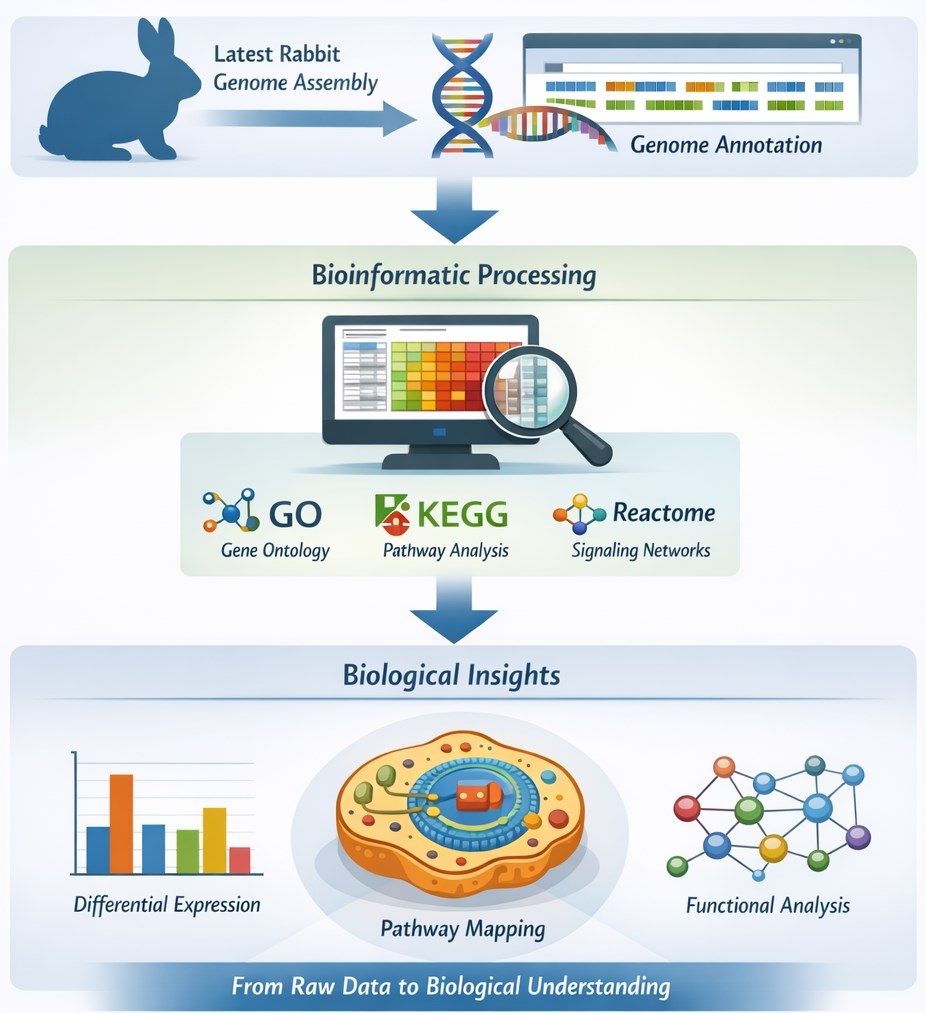
Integration of the latest rabbit genome assemblies with functional annotation tools (GO, KEGG, and Reactome) to transform raw intensity data into biological insights.
- Custom Probe Design
Capability to include custom probes for specific metabolic markers or rare transcripts not found in standard commercial arrays.
Service Scope
Our rabbit gene microarray service is comprehensive, covering various experimental paradigms:
- Tissue-Specific Profiling
Analysis of visceral vs. subcutaneous fat, hepatic lipidosis, and pancreatic dysfunction.
- Dietary Intervention Studies
Monitoring transcriptomic changes in response to high-fat, high-cholesterol, or ketogenic diets.
- Pharmacological Screening
Assessing the molecular efficacy of anti-obesity drug candidates and their impact on gene networks.
- Developmental Adipogenesis
Studying the genetic triggers of adipose tissue development from fetal stages through adulthood.
Workflow
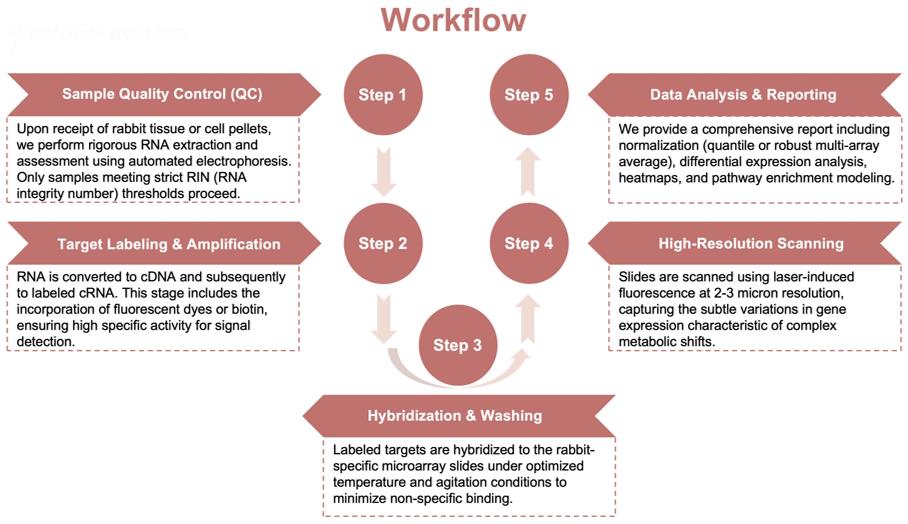
Protheragen ensures a seamless transition from biological samples to actionable data through a standardized 5-step process:
Fields of Application
Our rabbit gene microarray service provides critical molecular insights across diverse scientific disciplines to validate therapeutic targets and metabolic pathways.
- Metabolic Syndrome Research: Investigating the interplay between obesity, insulin resistance, and hypertension.
- Cardiovascular Disease (CVD): Mapping the gene expression changes in the aortic wall driven by obesity-induced hyperlipidemia.
- Nutrigenomics: Analyzing how specific nutrients or bioactive compounds modulate gene expression in metabolic tissues.
- Endocrinology: Studying the hormonal regulation of leptin, adiponectin, and other adipokines at the mRNA level.
Advantages
Choosing Protheragen provides your research with unparalleled depth and reliability.
Superior Translational Relevance
Unlike rodent models, the rabbit’s CETP (cholesteryl ester transfer protein) activity and LDL-rich profile mirror human lipid metabolism, making our microarray data more predictive of clinical outcomes.
Exhaustive Genomic Coverage
We eliminate the "blind spots" often found in generic or outdated platforms. Our arrays are updated frequently to reflect the most recent assemblies of the rabbit genome.
Proven Analytical Reliability
We have extensively validated our rabbit microarray methodologies through internal benchmarks focused on thermogenic pathways. Our platform demonstrates high sensitivity in detecting critical metabolic markers, including PPAR-gamma and UCP1, providing the precise molecular insights required for evaluating adipose tissue function and energy expenditure.
Expert Consultation
We function as an extension of your laboratory, not just a service provider. Every project is managed by PhD-level scientists specializing in Metabolic Disease Modeling, ensuring your experimental design is robust from the start.
Publication Data
Title: Genetically Modified Rabbits for Cardiovascular Research
Journal: Front. Genet., 2021
DOI: https://doi.org/10.3389/fgene.2021.614379
Summary: This paper focuses on the applications of genetically modified rabbits (including naturally mutated, transgenic, knock-out/KO, and knock-in/KI rabbits) in cardiovascular research. Rabbits are phylogenetically closer to humans than rodents, making them ideal for studying atherosclerosis, hyperlipidemia, and other cardiovascular diseases. The review outlines the development of rabbit models—from early cholesterol-fed and spontaneous mutant models (e.g., WHHL rabbits) to transgenic rabbits generated via pronuclear microinjection, and recent KO/KI rabbits created using genome editing technologies (TALEN and CRISPR-Cas9). It also discusses rabbit genome sequencing progress, model advantages, current limitations, and future perspectives, emphasizing their irreplaceable role in elucidating disease mechanisms and developing lipid-lowering drugs.
Key Findings
- Rabbit Model Superiority: Rabbits are more suitable for cardiovascular research than mice/rats due to their phylogenetic proximity to humans, similar heart structure/function (e.g., high β-MyHC content), and natural expression of key proteins like CETP (absent in rodents).
- Historical and Natural Mutant Models: Cholesterol-fed rabbits (pioneering "lipid hypothesis" validation) and spontaneous mutants (e.g., WHHL rabbits with LDL receptor deficiency, mimicking familial hypercholesterolemia) have long been foundational for atherosclerosis and hyperlipidemia research.
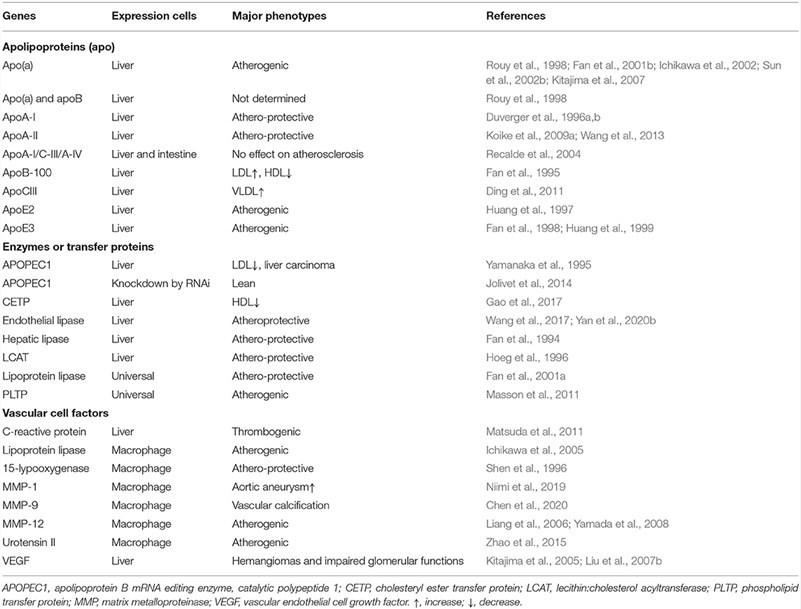
- Transgenic Rabbit Applications: Over 20 transgenic rabbit lines targeting apolipoproteins (e.g., apoA-I, apoB-100), metabolic enzymes (e.g., hepatic lipase), and vascular factors (e.g., MMPs) have been developed, providing insights into lipoprotein metabolism and atherosclerosis pathogenesis.
- Genome Editing Breakthroughs: CRISPR-Cas9 and other technologies have enabled efficient generation of KO/KI rabbits (e.g., apoCIII KO, apoE KO, LDL receptor KO, CETP KO, apoAII KI). These models recapitulate human diseases and validate novel therapeutic targets (e.g., apoCIII inhibition for hyperlipidemia/atherosclerosis).
- Genome and Transcriptome Progress: High-quality rabbit genome sequencing (2014) and transcriptome databases (e.g., RabGTD) have resolved historical barriers (lack of ES cells and genome data) for targeted genetic manipulation.
- Future Directions: Need for conditional KO models (Cre/LoxP system), standardized cryopreservation of rabbit strains, and establishment of an international rabbit bio-resource center to expand their utility in medical research.
Table 1: Key Transgenic Rabbit Models Targeting Human Lipoprotein Metabolism and Atherosclerosis. (Fan, et al., 2021)
Customer Review
Precision Insights for Metabolic Pathway Discovery
"The team at Protheragen provided exceptional support for our study on hypercholesterolemic rabbits. Their microarray platform identified a specific set of genes in the liver that we had previously overlooked using traditional methods. The data was incredibly clean, and the pathway analysis saved us months of manual research. We look forward to our next project involving brown fat activation."
Dr. C. P., Metabolic Research Institute
Seamless Integration for Dietary Intervention Studies
"Working with Protheragen was a seamless experience. As a group specializing in dietary interventions, we needed a partner who understood the nuances of rabbit physiology. The depth of the report and the clarity of the differential expression heatmaps allowed us to move directly into our next phase of drug testing. Their expertise in preclinical models is truly evident."
Dr. S. D., Biopharmaceutical Development Group
Frequently Asked Questions
-
Why choose rabbit microarrays over RNA-Seq for obesity studies?
Microarrays offer a highly cost-effective and standardized platform for high-throughput screening with established bioinformatic pipelines, making them ideal for large-scale preclinical trials.
-
What sample types are acceptable?
We accept snap-frozen tissue, samples stored in RNA stabilization solutions, and isolated total RNA.
-
Can you detect low-abundance transcripts involved in signaling?
Yes, our high-density arrays and optimized amplification protocols are designed to capture low-copy number transcripts essential for signal transduction.
-
How long does the process take?
Typically, a full project from QC to final report is completed within 3-4 weeks.
-
Do you provide assistance with data interpretation?
Absolutely. Our report includes a detailed functional analysis, and our bioinformaticians are available for follow-up consultations.
-
Is the rabbit genome well-annotated enough for meaningful results?
Yes, Protheragen uses the latest annotations, and we supplement gaps with orthologous mapping to human gene sets.
-
Can I use this service for rabbit models of diabetes?
Yes, the platform is perfectly suited for any metabolic disorder research, including type 2 diabetes models.
-
What is the minimum sample size?
We can work with as few as 3 biological replicates per group, though 5-6 is recommended for robust statistical power.
Contact Us
Protheragen is committed to providing world-class genomic services that accelerate the pace of obesity research. Our rabbit gene microarray service offers the precision, scale, and biological insight required to transform preclinical observations into breakthrough therapies.
Contact Protheragen for More Information and to Discuss Your Project
Reference
- Fan, J.; et al. Genetically Modified Rabbits for Cardiovascular Research. Front. Genet. 2021, 12:614379. (CC BY 4.0)
All of our services and products are intended for preclinical research use only and cannot be used to diagnose, treat or manage patients.