



Beyond More Stimulation: Why Cellular Competence Dictates the Success of Thermogenic Therapies
June 22, 2026

September 16, 2026
Obesity is a major chronic disease that causes severe metabolic, mechanical, and cardiovascular complications, contributing annually to millions of deaths globally. Published in Nature Medicine in 2026 by an international collaborative research team analyzing large prospective population datasets, this observational machine learning modeling study addresses a pressing clinical challenge: how to accurately identify individuals living with overweight or obesity who are at the highest risk of developing severe long-term health complications.
Traditional clinical guidelines and healthcare policies rely almost exclusively on simple body mass index cutoffs to determine candidate eligibility for intensive weight management therapies, including novel glucagon-like peptide-1 and glucose-dependent insulinotropic polypeptide receptor agonists. However, body mass index alone fails to capture individual clinical heterogeneity or predict specific health risks, leaving healthcare providers, insurers, and policymakers without a data-driven framework to prioritize high-risk individuals for costly or supply-constrained treatments.
The research team analyzed 197,264 United Kingdom Biobank participants meeting inclusion criteria from major weight loss medication trials. The cohort comprised 97,421 individuals living with overweight (body mass index 27 to 30 kilograms per square meter) and 99,843 living with obesity (body mass index 30 kilograms per square meter or greater), with a median age of 58 years. At baseline, 9.3% had type 2 diabetes and 4.4% had a history of major adverse cardiac events.
The researchers tracked the 10-year cumulative incidence of 18 obesity related complications alongside cardiovascular mortality. Arthropathy was the most common incident complication at 13.4%, followed by hypertension at 9.7%. A total of 2,390 candidate features across seven primary domains were pruned for collinearity, leaving 2,078 variables for a two-step machine learning pipeline using least absolute shrinkage and selection operator Cox regression. The dataset was split into feature selection (50%), optimization (25%), and validation (25%) sets.
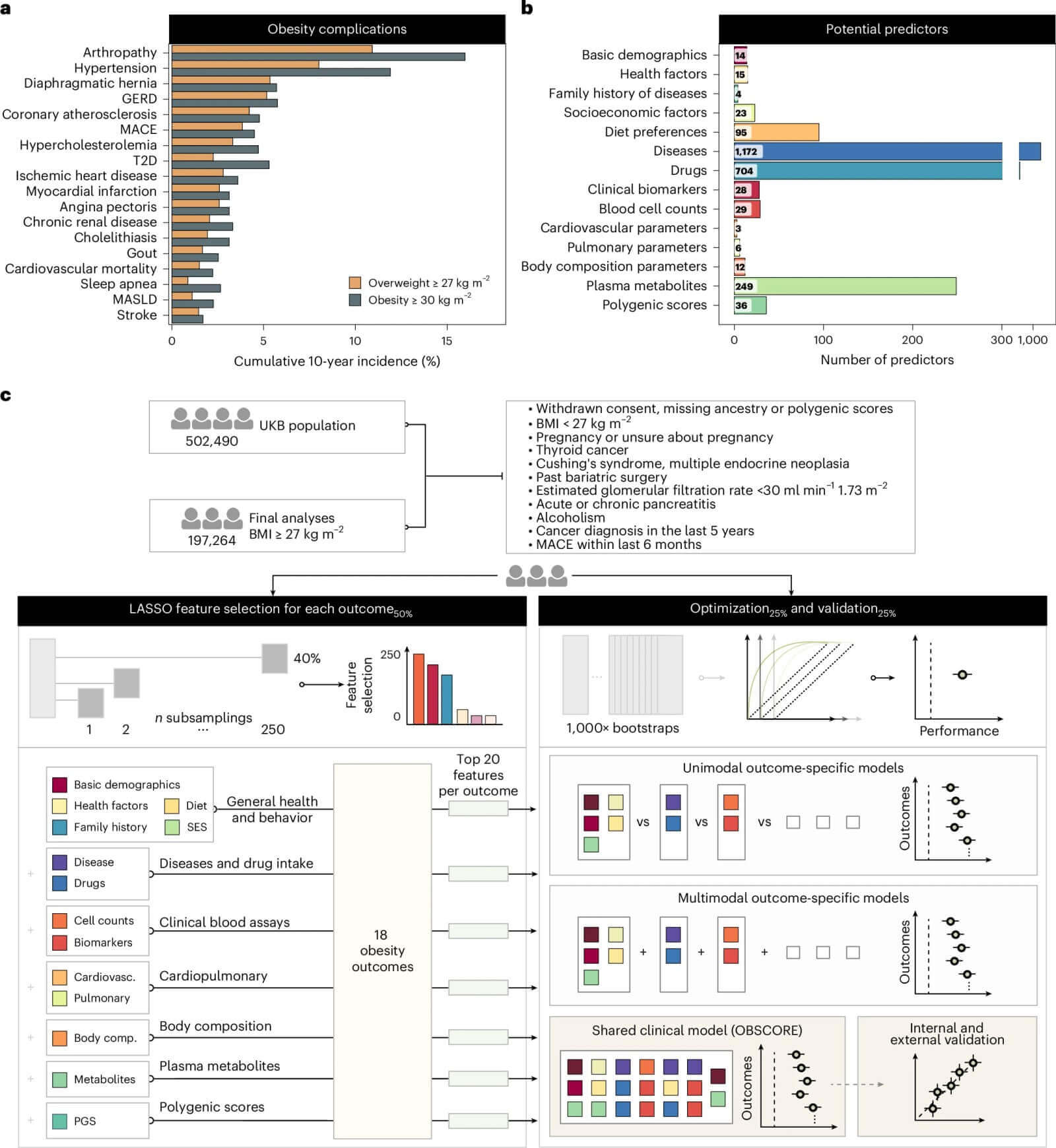 Fig.1 Study design, outcomes, and predictive features. (Demircan, et al., 2026)
Single-domain models incorporating the top 20 features showed substantial performance variation across predictive categories. General health parameters achieved a median concordance index of 0.713 (range 0.593 to 0.794), and clinical blood biomarkers achieved a median concordance index of 0.695 (range 0.557 to 0.850), showing the strongest discrimination. Polygenic scores yielded the lowest discrimination, with a median concordance index of 0.564 (range 0.506 to 0.623).
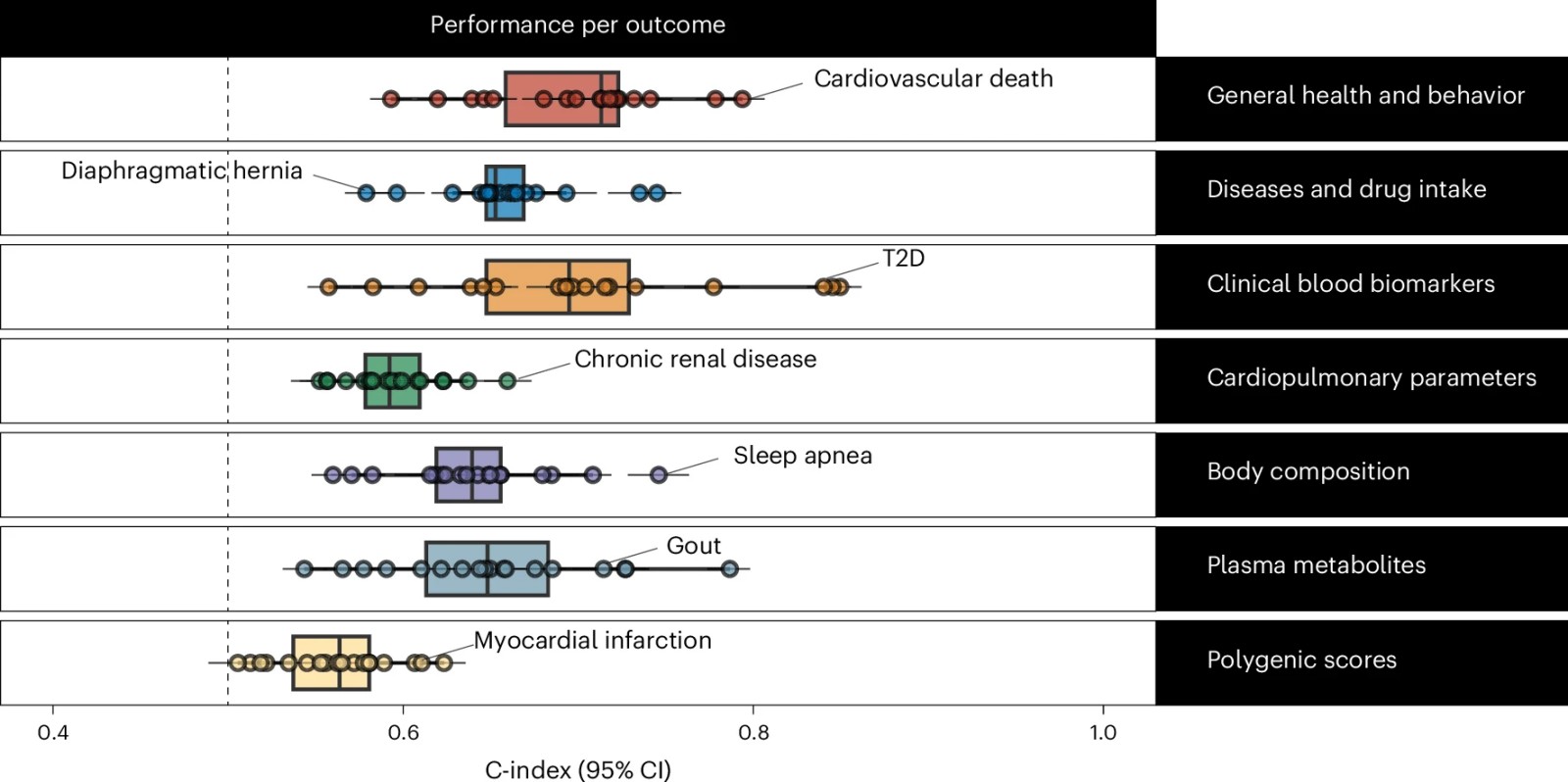 Fig.2 Performance of single-modality prediction models. (Demircan, et al., 2026)
Stepwise multimodal integration revealed that adding diagnoses, medication usage, and blood biomarkers to general health parameters improved discrimination by a median concordance index of 0.025. Further expanding the predictor pool to cardiopulmonary metrics, body composition, plasma metabolites, or polygenic scores yielded minimal additional gains. Full multimodal models achieved a median concordance index of 0.75 across all outcomes (range 0.634 to 0.864), performing highest for gout (0.864), chronic kidney disease (0.863), and type 2 diabetes (0.854), and lowest for diaphragmatic hernia (0.634) and gastroesophageal reflux disease (0.643).
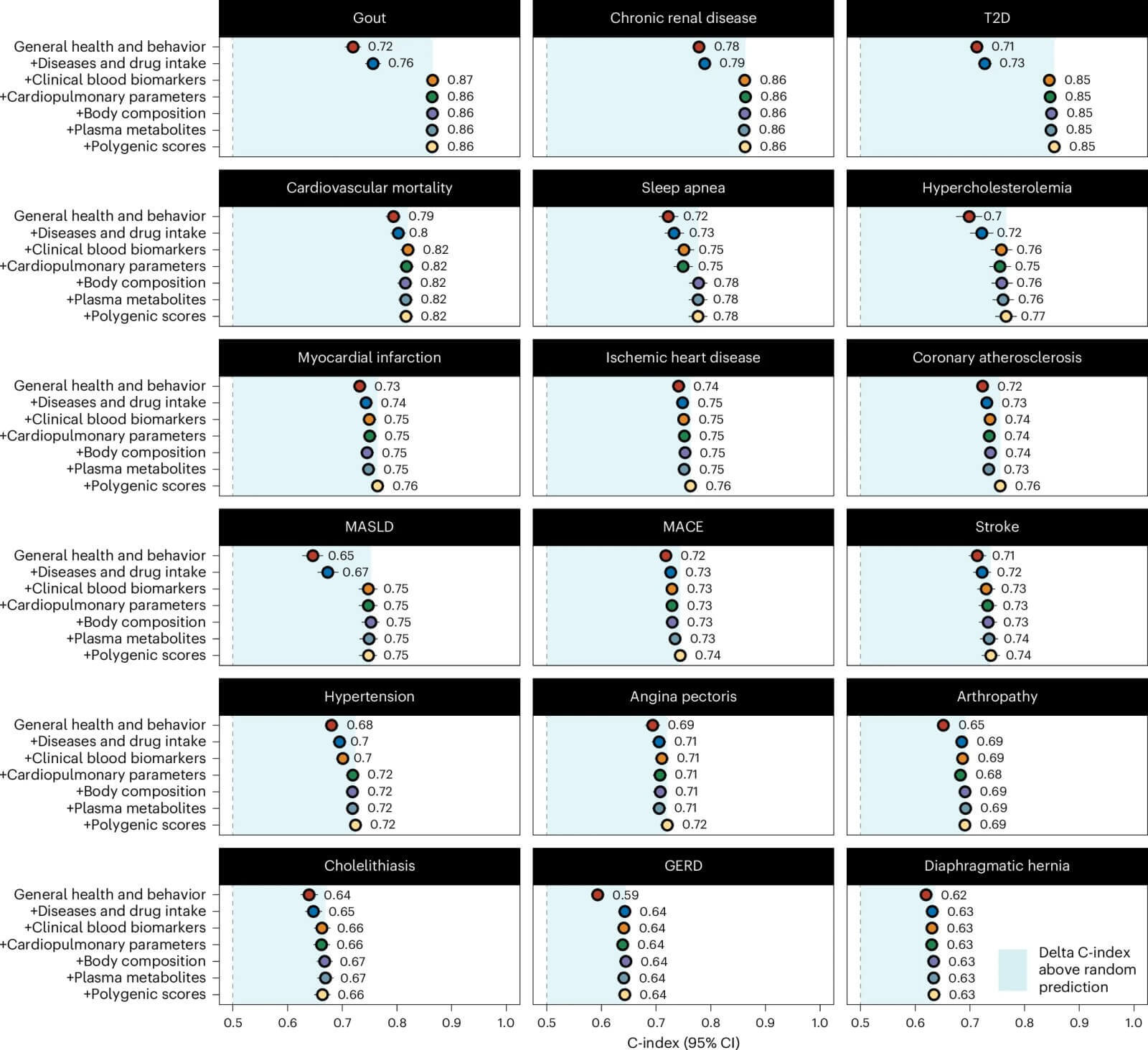 Fig.3 Performance of multimodal prediction models. (Demircan, et al., 2026)
To create a practical clinical tool, researchers prioritized 20 shared clinical parameters readily available in routine health records to form the unified OBSCORE model. In validation sets, OBSCORE achieved discriminative accuracy comparable to outcome-specific full models, with an overall median concordance index deviation of only 0.012 across all 18 outcomes.
OBSCORE consistently outperformed traditional risk metrics across all complications. Compared to atherosclerotic cardiovascular disease risk estimators, OBSCORE showed superior discrimination across 17 outcomes (median concordance index improvement of 0.027), with clear advantages for cardiovascular mortality (concordance index difference of 0.035), type 2 diabetes (difference of 0.146), and sleep apnea (difference of 0.079).
External validation in the European Investigation into Cancer Norfolk study confirmed strong generalizability across 14 outcomes (r = 0.83, p = 0.00027) without model retraining. In the Genes and Health South Asian cohort, 15 available OBSCORE features predicted incident type 2 diabetes with a mean concordance index of 0.78, outperforming the basic age, sex, and body mass index model by 0.196. At a 10% false positive rate, Fagan nomograms demonstrated a post-test probability of 18.5% for type 2 diabetes with OBSCORE, doubling post-test probabilities compared to alternative models.
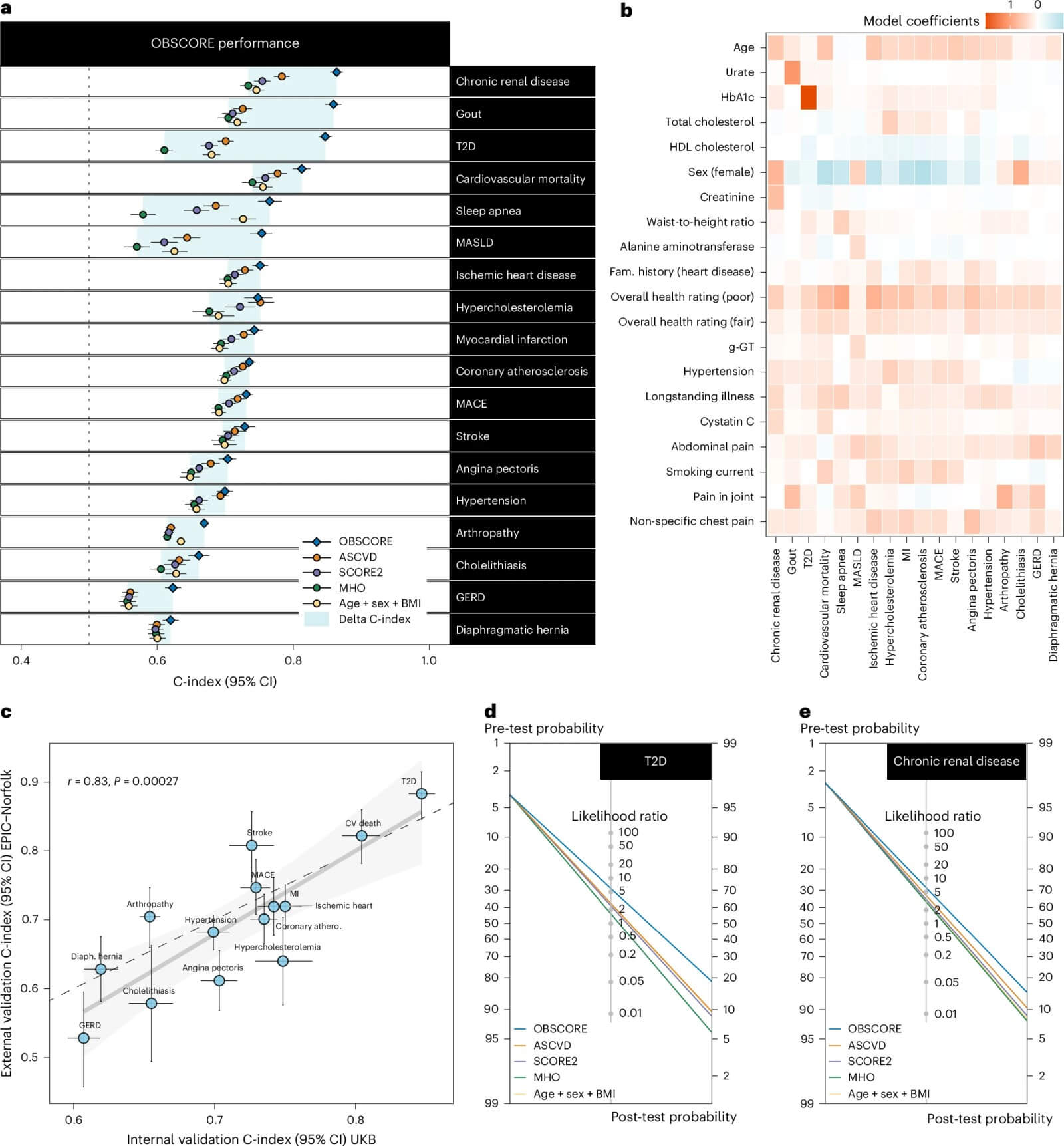 Fig.4 OBSCORE features and model performance. (Demircan, et al., 2026)
OBSCORE demonstrated powerful risk stratification capability across 10-year observed event rates. Individuals living with overweight comprised 19% to 45% (median 39.9%) of the highest 20% risk category across outcomes, including 30% of individuals at highest risk for type 2 diabetes.
Wide risk variations existed within identical body mass index categories. OBSCORE achieved extreme risk separation between the top and bottom 20% risk groups, showing rate ratios exceeding 10-fold for 12 outcomes, reaching 89-fold for chronic renal disease, 42-fold for type 2 diabetes, 36-fold for gout, and 47-fold for cardiovascular mortality (10-year absolute mortality rate of 5.7% versus 0.1%). Comparing top to bottom risk halves yielded rate ratios between 1.9 and 14.9, whereas comparing obesity to overweight yielded modest rate ratios between 1.05 and 3.07. Radar plots illustrated profound clinical heterogeneity across participants with identical age, sex, and body mass index.
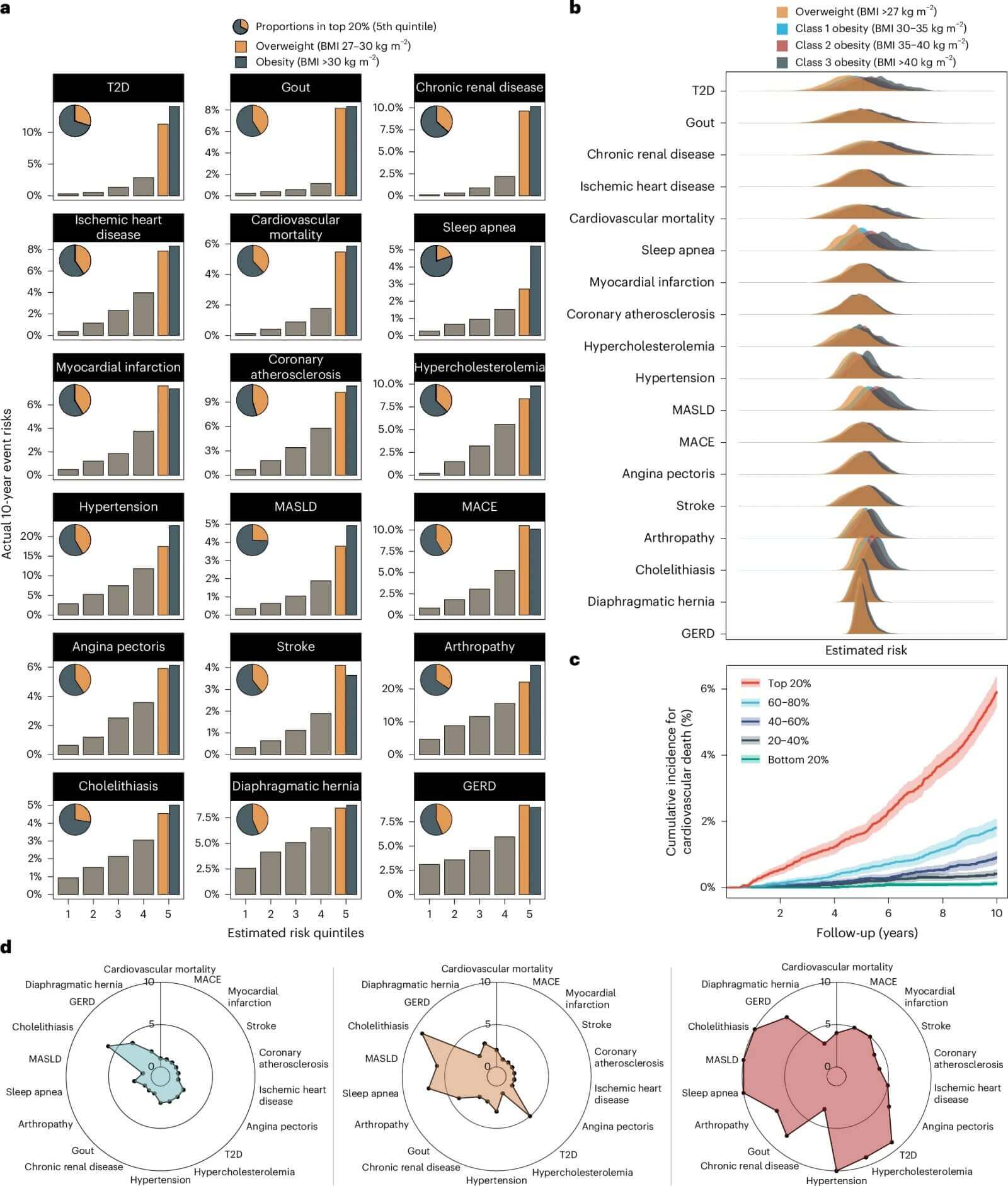 Fig.5 Risk stratification using OBSCORE. (Demircan, et al., 2026)
Using 12 available OBSCORE features in the SURMOUNT 1 trial, baseline risk predictions showed consistent weight loss and waist-to-height ratio reductions across baseline risk quartiles over 72 weeks. Furthermore, tirzepatide treatment significantly reduced OBSCORE predicted risk scores across all 18 outcomes at week 72 compared to placebo.
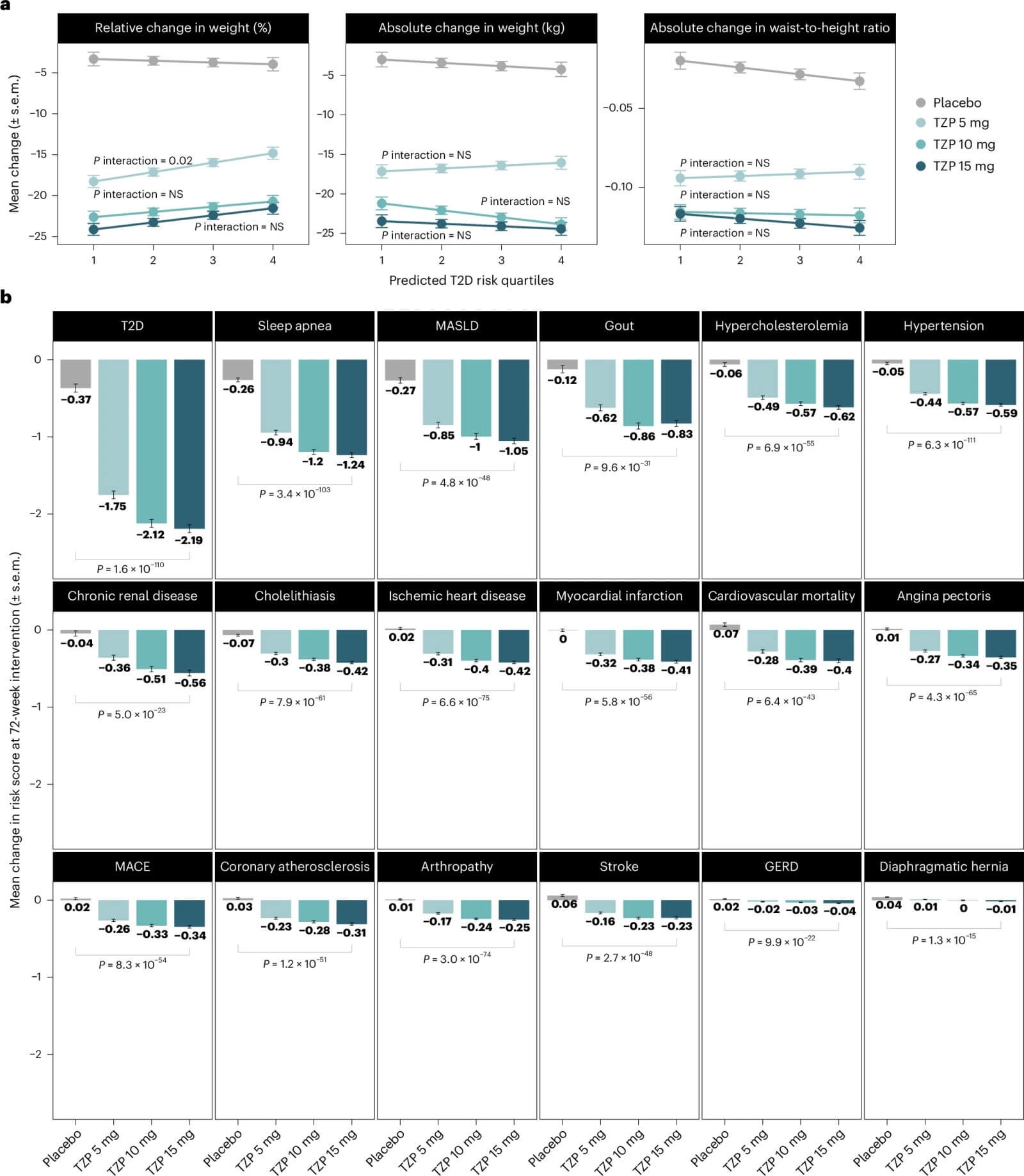 Fig.6 Validation of OBSCORE in the SURMOUNT-1 trial. (Demircan, et al., 2026)
Advancing metabolic disease research requires integrated approaches that connect mechanistic discovery, biomarker identification, and translational validation. Protheragen supports these efforts through Comprehensive Preclinical and Clinical Research capabilities, including metabolic phenotyping, multi-omics biomarker discovery, and Advanced Biospecimen Analysis workflows.
By integrating molecular profiling, metabolic characterization, and data-driven analysis strategies, these approaches enable researchers to identify disease-associated signatures, evaluate potential biomarkers, and design more informed translational studies for metabolic disorders.
The OBSCORE framework modernizes clinical obesity management by shifting from rigid body mass index thresholds to individualized complication risk prediction. As highly effective pharmacotherapies expand globally, OBSCORE provides an actionable decision support tool for electronic health record integration. Demonstrating that many individuals with overweight face higher 10-year risks for cardiovascular death, kidney disease, and type 2 diabetes than individuals with severe obesity, this 20-feature clinical model empowers clinicians to prioritize high-risk patients for targeted weight loss interventions, optimizing health outcomes and healthcare resource allocation.
Reference
June 22, 2026

September 16, 2026
December 9, 2025
Copyright © Protheragen. All rights reserved.