
Beyond Body Mass Index: How the OBSCORE Framework Enables Precision Prioritization for Weight Loss Interventions
September 16, 2026

September 16, 2026
Simple obesity accounts for approximately 95% of all clinical obesity cases and is characterized by abnormal body fat accumulation without neuroendocrine lesions. As a global public health priority, obesity significantly elevates cardiovascular, metabolic, and malignant disease risks while creating heavy economic burdens. Current management relies on pharmacotherapy, bariatric surgery, and lifestyle modifications; however, high rebound rates, surgical risks, and poor long-term adherence (11%) limit their effectiveness.
To evaluate complementary strategies, a study published in Frontiers in Medicine systematically analyzed traditional Chinese medicine (TCM) non-pharmacological therapies. This network meta-analysis (NMA) resolves previous research gaps by directly comparing multiple TCM modalities rather than evaluating single therapies in isolation.
A comprehensive synthesis of 37 RCTs involving 2,832 patients evaluated six TCM non-pharmacological modalities against usual care and placebo controls. Quantitative network meta-analysis established that moxibustion achieved the highest probability ranking for reducing both body mass index (BMI) and waist circumference (WC), while acupoint catgut embedding and manual therapy also demonstrated significant efficacy over routine management.
A systematic search identified 37 eligible RCTs published between 2012 and 2025 involving 2,832 adult participants aged 18 to 65. Most trials were conducted in China (87.5%), with additional studies from Iran, Korea, Turkey, and Brazil. Evaluated interventions included acupuncture (27.03%), auricular acupuncture (18.92%), acupoint catgut embedding (18.92%), manual therapy (16.22%), traditional Chinese exercises (10.80%), and moxibustion (8.11%). Control arms received usual care with lifestyle counseling or sham/placebo controls (PL). Interventions lasted 4 weeks or longer, most frequently 8 weeks (35.1%), with treatments typically administered three times weekly.
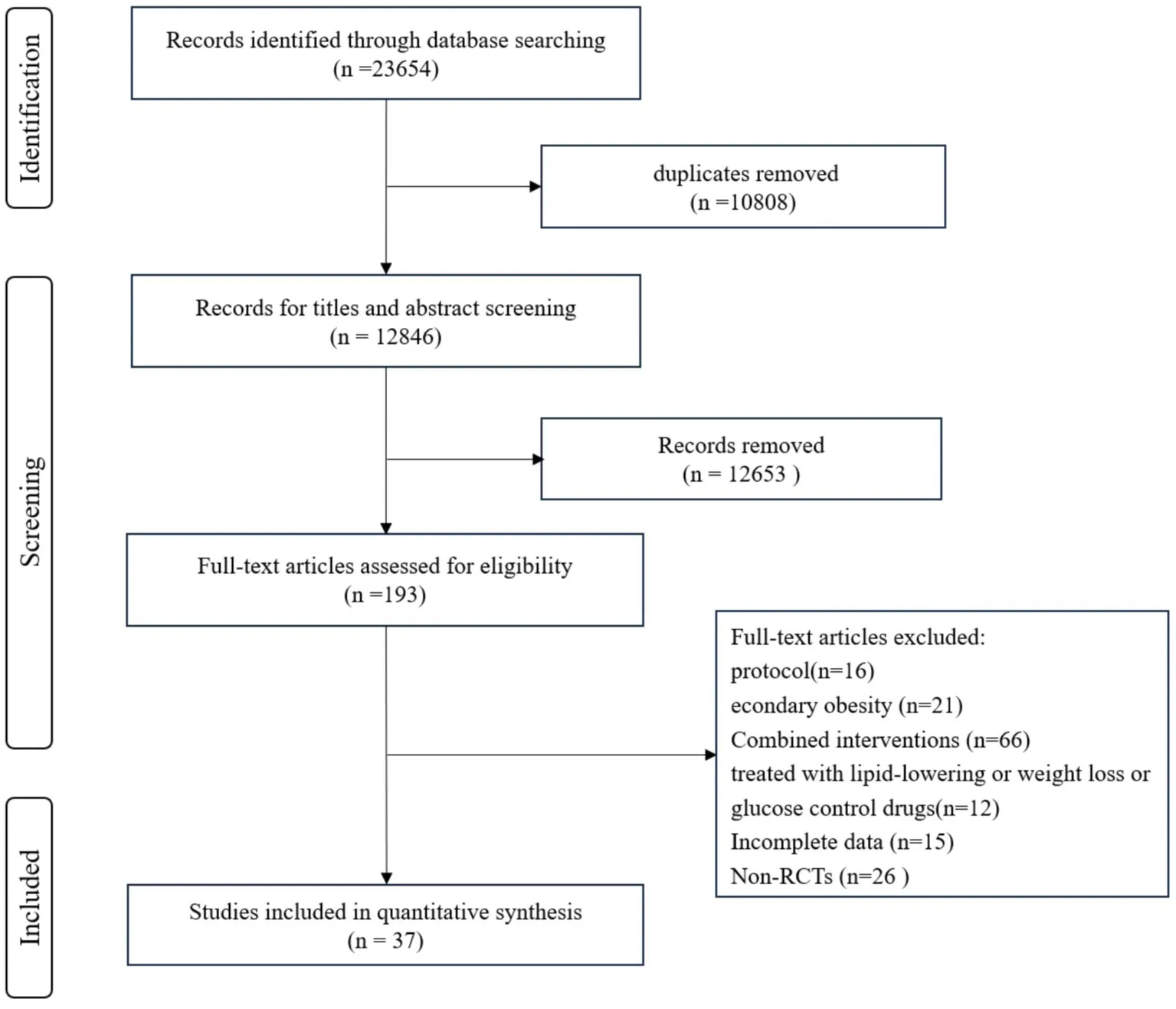 Fig.1 Study selection flow diagram. (Wang, et al., 2026)
The comparative evidence network for BMI and WC across treatment nodes is shown in Fig.2. Global inconsistency tests indicated no significant divergence between direct and indirect evidence for BMI (p = 0.77) or WC (p = 0.71). Local inconsistency evaluations using node-splitting models confirmed consistency across all pairwise comparisons (p > 0.05).
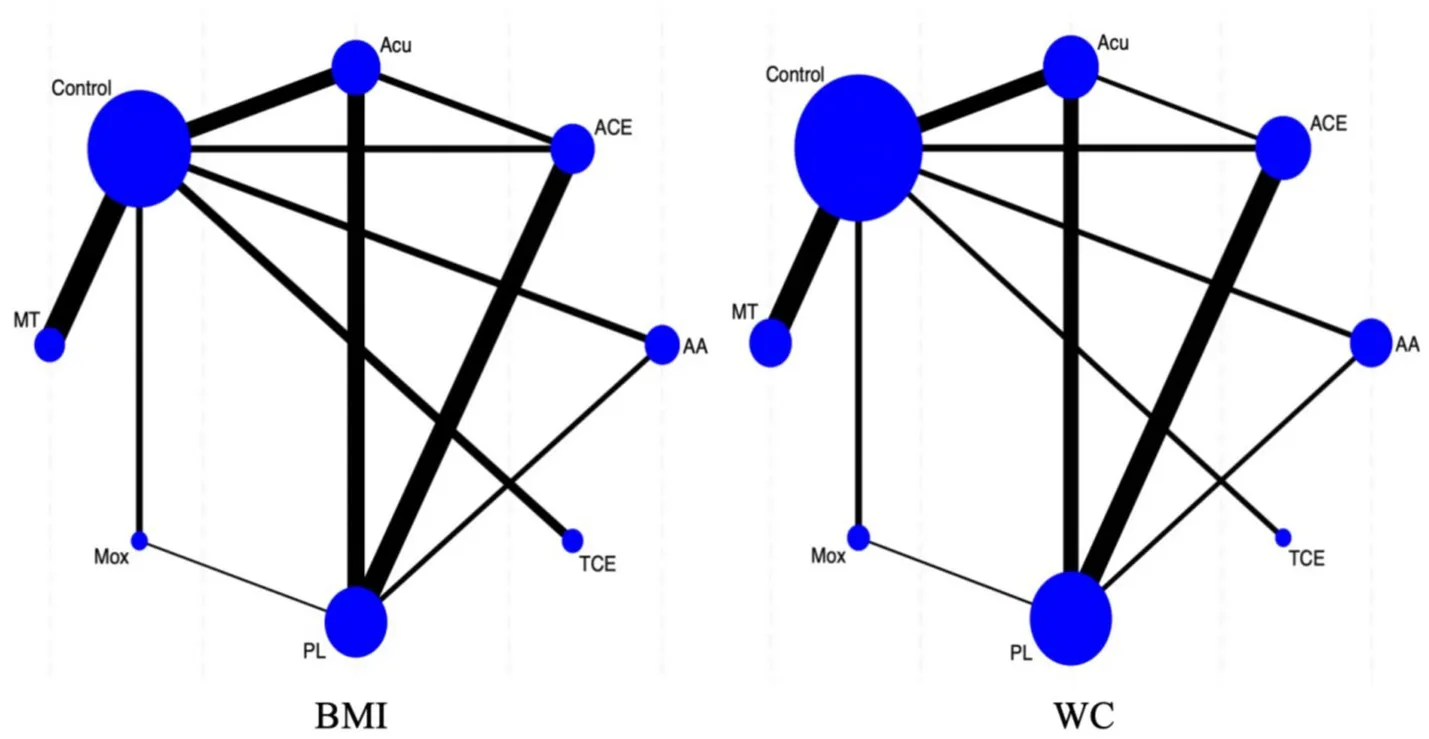 Fig.2 Network analysis of intervention comparisons. (Wang, et al., 2026)
Moxibustion ranked as the most effective intervention for BMI reduction (SUCRA = 98.8%). Compared to usual care, statistically significant reductions were achieved by moxibustion (SMD = -1.39, 95% CI: -1.97 to -0.81), manual therapy (SMD = -0.61, 95% CI: -0.94 to -0.28), and acupoint catgut embedding (SMD = -0.68, 95% CI: -1.27 to -0.09). Relative to placebo, significant improvements persisted for moxibustion (SMD = -1.75, 95% CI: -2.68 to -0.83), manual therapy (SMD = -0.97, 95% CI: -1.76 to -0.18), acupoint catgut embedding (SMD = -1.04, 95% CI: -1.97 to -0.11), and auricular acupuncture (SMD = -0.52, 95% CI: -0.99 to -0.04). The complete SUCRA hierarchy for BMI reduction was: Moxibustion (98.8%) > Acupoint Catgut Embedding (70.1%) > Manual Therapy (65.7%) > Auricular Acupuncture (57.9%) > Traditional Chinese Exercises (48.4%) > Acupuncture (41.6%) > Usual Care Control (13.4%) > Placebo (4.1%).
Across 32 RCTs reporting WC outcomes, moxibustion achieved the top probability rank (SUCRA = 90.0%). Significant WC reductions compared to usual care control were demonstrated by moxibustion (SMD = -1.48, 95% CI: -2.31 to -0.64), manual therapy (SMD = -0.82, 95% CI: -1.30 to -0.34), and placebo (SMD = -1.10, 95% CI: -2.16 to -0.04). The SUCRA hierarchy for WC reduction was: Moxibustion (90.0%) > Placebo (72.9%) > Auricular Acupuncture (57.3%) > Manual Therapy (56.7%) > Acupoint Catgut Embedding (47.1%) > Acupuncture (39.2%) > Traditional Chinese Exercises (33.2%) > Usual Care Control (3.6%).
Subgroup analyses showed that an intervention duration of 4 to 8 weeks combined with a treatment frequency of 3 to 4 sessions per week substantially reduced heterogeneity for BMI outcomes. Sensitivity analyses confirmed the stability of pooled estimates, while post-hoc meta-regressions indicated that baseline BMI did not significantly alter relative treatment efficacy.
Methodological quality assessment categorized 9 trials (24.3%) at low risk of bias, 3 (8.1%) at unclear risk, and 25 (67.6%) at high risk, mainly due to double-blinding challenges inherent to physical therapies. Egger's test indicated no publication bias (p > 0.05). CINeMA certainty was rated moderate to low for moxibustion and moderate to very low for the remaining interventions. Among 22 trials reporting safety data, adverse reactions were mild (ecchymosis, transient dizziness, local pain, or minor burn marks) and resolved quickly, with zero serious adverse events reported.
Translating discoveries in metabolic genetics and obesity-related targets into therapeutic strategies requires integrated approaches spanning evidence synthesis, experimental validation, and translational research. Protheragen supports these efforts through comprehensive capabilities, including evidence-based Clinical Trial Design, systematic review and network meta-analysis, preclinical metabolic Disease Model Development, and Advanced Microbiome Profiling with integrated data analysis.
By combining clinical evidence evaluation, mechanistic investigation, and multi-dimensional biological profiling, these approaches enable researchers to better characterize metabolic targets, validate potential intervention strategies, and advance discoveries toward translational applications.
These findings demonstrate that non-pharmacological TCM modalities provide meaningful clinical benefits over lifestyle counseling alone in simple obesity. Mechanistically, thermal stimulation from moxibustion at key acupoints like CV12 (Zhongwan) regulates leptin sensitivity to suppress food intake, while activating the hypothalamic cAMP/PKA/CREB pathway and upregulating thermogenic genes (UCP1, Prdm16, PGC-1α) to promote white adipose tissue browning. ACE offers sustained mechanical stimulation that modulates neuroendocrine axes to reduce appetite. Clinically, a protocol of 4 to 8 weeks with 3 to 4 weekly sessions represents an optimal therapeutic window. Given trial performance biases and heterogeneity, these ranking probabilities serve as comparative indicators rather than definitive proof, highlighting the need for future high-quality multicenter RCTs.
Reference
September 16, 2026
June 22, 2026
December 9, 2025
Copyright © Protheragen. All rights reserved.