Can Genetic Risk Disclosure Drive Real Weight Loss? Insights from an 18-Month Randomized Controlled Trial
September 16, 2026

June 22, 2026
Genome-wide association studies (GWAS) reveal that most disease-associated variants lie in non-coding regions, likely altering gene regulation via regulatory single-nucleotide polymorphisms (rSNPs) that disrupt transcription factor (TF) binding. To understand how these genetic differences affect metabolically active tissues, a 2026 study in PLOS Genetics used multi-omic profiling in C57BL/6J (B6) and 129S1/SvImJ (129) mice, standard models for diet-induced obesity (DIO). By analyzing epididymal white adipose tissue (eWAT) and liver under chow and high-fat diet (HFD) conditions, the researchers demonstrated that intrinsic genetic variation, rather than diet, primarily shapes the chromatin accessibility and transcriptional landscape.
To dissect the functional impact of non-coding genetic variation on the metabolic epigenome, the researchers systematically integrated chromatin accessibility, active histone modifications, and gene expression profiles. By aligning these multi-omic datasets, the study demonstrated that the regulatory and transcriptional landscapes of mouse adipose tissue are predominantly governed by inherited genetic strain rather than environmental dietary factors, with specific sequence variants directly modulating local transcription factor binding and spatial chromatin structure.
Using ATAC-seq, the researchers mapped 98,214 nucleosome-free regions (NFRs) in eWAT. After applying single-cell-referenced batch correction to eliminate epididymal contamination, they found that chromatin accessibility was shaped almost exclusively by genetic strain rather than diet. While diet-induced changes were negligible, they identified 4,105 inter-strain differentially accessible regions (DARs), classified as Common-DARs, Chow-DARs, or HFD-DARs. Gene Ontology (GO) analysis via GREAT associated Chow- and Common-DARs with actin filaments (regulating adipocyte differentiation), whereas HFD-DARs enriched for lipid metabolism and bone morphogenetic protein (BMP) signaling
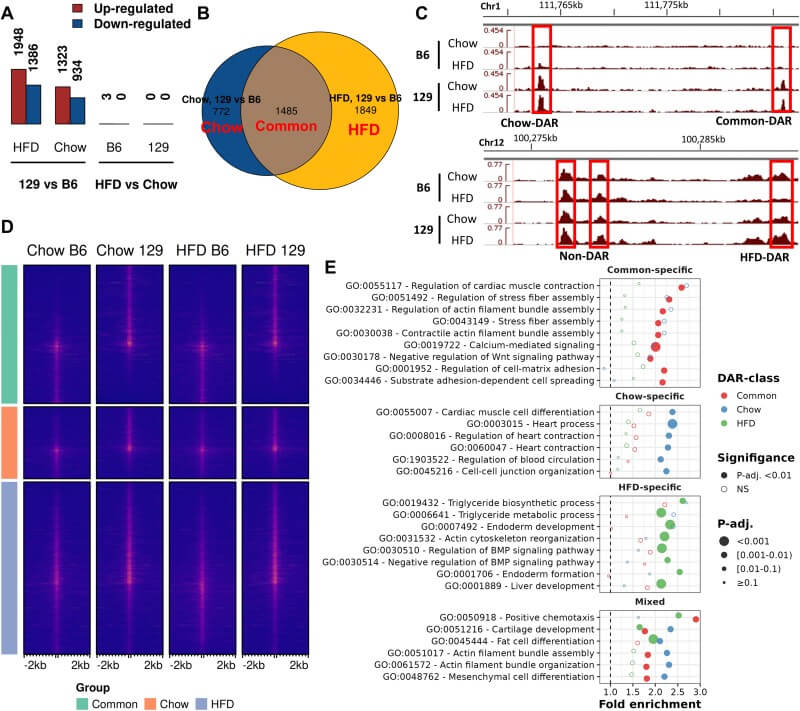 Fig.1 Genetic variation drives strain-specific differences in chromatin accessibility in adipose tissue. (Mononen, et al., 2026)
Differentially accessible regions strongly correlated with genetic variation; higher-significance DARs frequently overlapped variants. By defining active NFRs using H3K27ac signals, the team found that Common-DARs displayed higher absolute fold-changes and greater genetic variant enrichment (78.3% overlap) than HFD-DARs (38.2% overlap). Genetic variants peaked sharply at the centers of Common-DARs. Spatial genomic analysis revealed that active DARs localize to distal regulatory regions and cause highly localized, isolated chromatin disruptions rather than widespread propagation to neighboring sites.
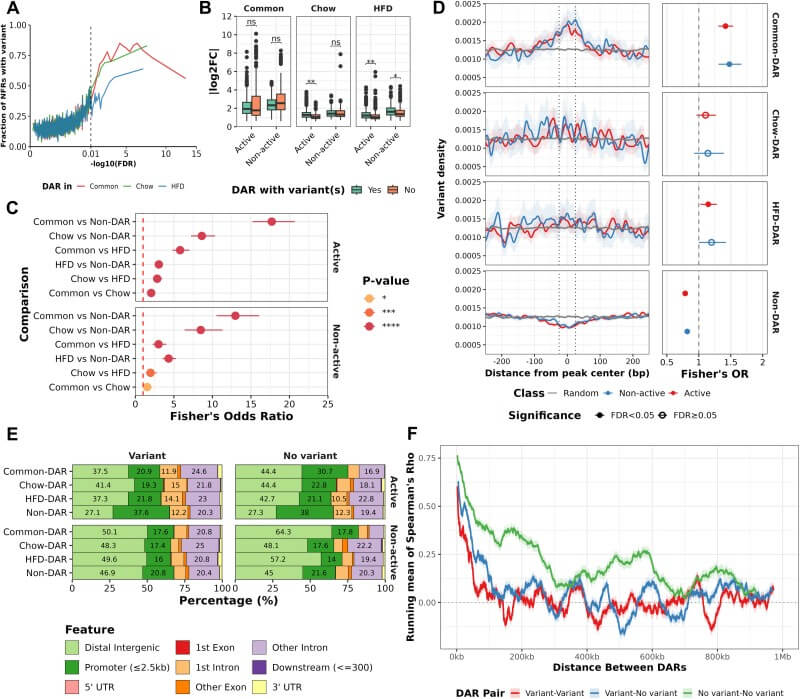 Fig.2 Differential chromatin accessibility is enriched in distal regulatory regions carrying genetic variants. (Mononen, et al., 2026)
Matching RNA-seq data confirmed that strain-specific differences in gene expression far exceeded diet-induced changes. Specifically, strain-specific differentially expressed genes (DEGs) were enriched in immune pathways, while diet-responsive DEGs were linked to metabolic processes. Most DEGs hosted active, variant-bearing DARs within 1 megabase of their transcription start sites (TSS). For example, the promoter of the lipid-regulator Trem2 hosted a variant-bearing, highly correlated DAR. Ultimately, DEGs with promoter-localized, variant-bearing DARs exhibited the most pronounced expression fold-changes between strains.
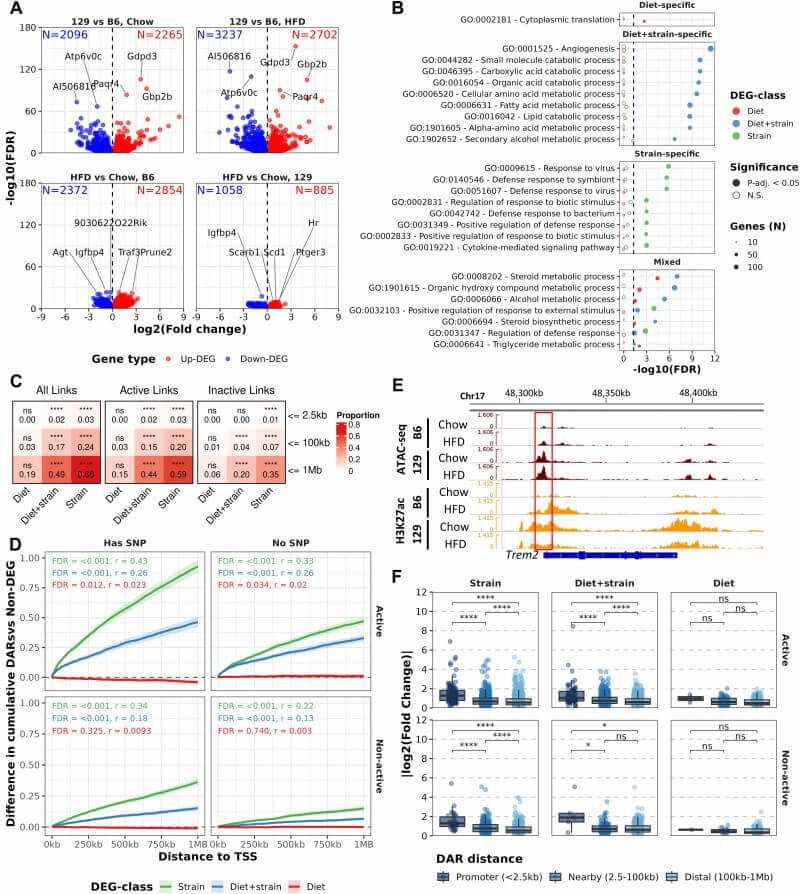 Fig.3 Gene expression differences are associated with nearby chromatin accessibility changes and genetic variation. (Mononen, et al., 2026)
Motif and TOBIAS footprint analyses identified specific trans-acting factors driving these chromatin states. Non-active NFRs were enriched for CTCF and CTCFL structural motifs and footprints, while active NFRs frequently hosted footprints for tissue-specific regulators like androgen receptor (AR), glucocorticoid receptor (GR), and WT1. Notably, AR and GR footprints were highly enriched in DARs compared to non-DARs. These footprint profiles were validated in hepatic datasets, where tissue-specific master regulators like HNF4a and ETS family members dominated active liver chromatin.
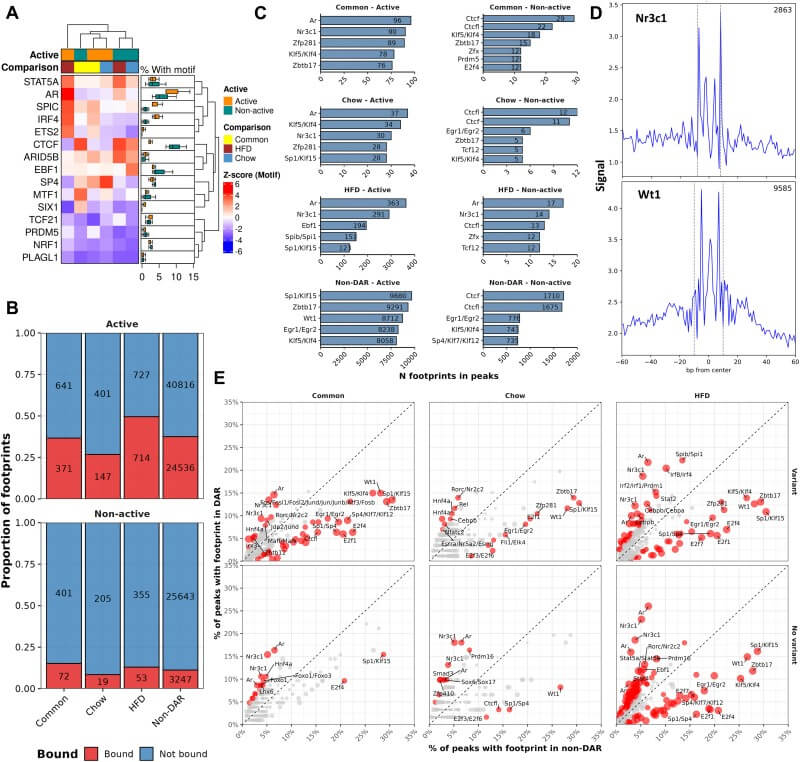 Fig.4 Open chromatin regions in adipose tissue overlap with transcription factor binding footprints. (Mononen, et al., 2026)
Genetic variants were heavily enriched at footprint centers, particularly in Common-DARs. Using motifbreakR, the researchers found that footprints overlapping strongly disrupted motifs showed significantly greater strain-specific footprint score differences. These active, concordant footprint-motif pairs (AC-footprints) were highly enriched in DARs. Common eWAT AC-footprints included pioneer-like factors such as JDP2, JUND, and CEBPs, while the liver featured ETS and CEBP factors. The footprinting accuracy was validated using liver CTCF ChIP-seq data. For example, in the Snapc2 locus, a CTCF AC-footprint directly overlapped a CTCF differentially bound region (DBR) and an inactive Common-DAR, near the strain-specific DEGs Ccl25 and Prr36.
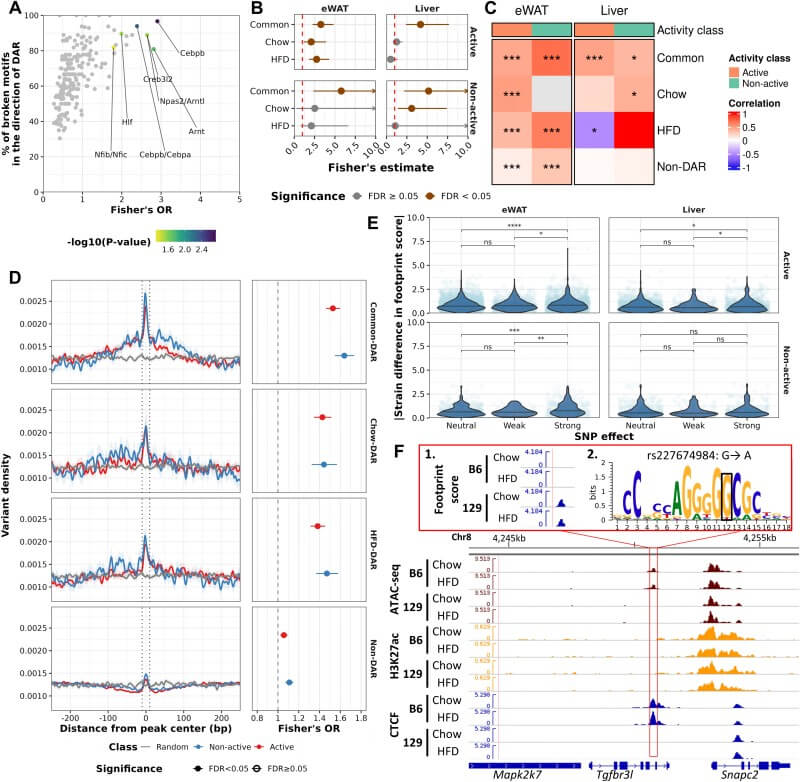 Fig.5 Genetic variants affecting transcription factor motifs influence chromatin accessibility patterns. (Mononen, et al., 2026)
Multi-omic and footprinting analyses reveal that mammalian metabolic epigenomes are largely hardwired by inherited genetic background rather than acute dietary interventions. However, accurate profiling requires correcting for cellular heterogeneity, as tissue contamination (such as epididymal cells in eWAT) can mimic diet-induced remodeling. Locally, genetic disruption is highly restricted; variant-bearing DARs exhibit autonomous, isolated accessibility changes rather than broad chromatin propagation, suggesting rSNPs alter highly specific, localized pioneer factor binding. Similarly, transcription is most dynamically altered when variant-bearing DARs directly overlap promoters, highlighting the dominance of proximal cis-regulatory elements. Finally, this regulatory architecture displays an evolutionary trade-off: critical developmental TFs (like WT1 and SP1) are highly conserved, enriched in non-DARs, and protected from variation, whereas accessory, tissue-specific regulators (like GR, AR, and HNF4a) dominate plastic, variant-bearing DARs, providing the primary genetic substrate for polygenic diseases such as obesity.
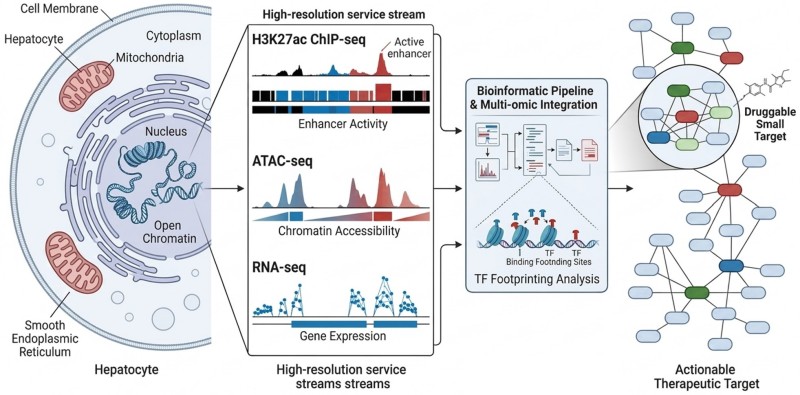
For researchers aiming to investigate the complex regulatory mechanisms of metabolic disorders, our institution provides state-of-the-art functional genomics platforms and bioinformatic pipelines. Protheragen offers comprehensive, high-resolution ATAC-seq, H3K27ac ChIP-seq, and RNA-seq services, backed by advanced multi-omic integration and computational TF footprinting analyses, designed to help you seamlessly translate non-coding genetic variation into actionable therapeutic targets.
Reference
September 16, 2026
December 9, 2025
September 16, 2026
Copyright © Protheragen. All rights reserved.