


Decoding the Gastric Genetic Signature: Understanding FTO and MC4R Expression in Sleeve Gastrectomy Patients
December 9, 2025

September 16, 2026
Obesity represents a global public health crisis that escalates the risk of chronic metabolic diseases, yet traditional lifestyle interventions frequently struggle with poor long-term adherence and modest sustained weight loss. Although the rapid expansion of direct-to-consumer genetic testing allows individuals to discover single-nucleotide polymorphisms in obesity-related genes such as FTO, MC4R, and BDNF, existing randomized controlled trials have predominantly evaluated short-term self-reported outcomes without establishing whether genotype-tailored advice leads to long-term, objective changes in body composition. To bridge this critical knowledge gap, a study published in Nutrients by South Korean researchers conducted an 18-month randomized controlled trial to rigorously test whether disclosing personal obesity-related single-nucleotide polymorphism genotypes alongside tailored lifestyle recommendations truly drives measurable improvements in body weight and body composition.
In summary, disclosing personal obesity-related genetic risk information alongside tailored lifestyle advice did not produce statistically significant long-term weight reduction across the overall study population over 18 months, although distinct behavioral and physiological dynamics were observed among genetically susceptible subgroups.
The trial enrolled 53 overweight or obese young adults in South Korea (mean age approximately 22 years; 60% male) who were randomized into either an intervention group (n = 27) receiving personal obesity-related single-nucleotide polymorphism results alongside tailored lifestyle recommendations, or a control group (n = 26) receiving only beauty trait genetic results at baseline. Baseline characteristics revealed slight imbalances between the cohorts: the intervention group presented with slightly lower initial body weight and body fat mass, higher rates of current smoking, and lower alcohol consumption, whereas body mass index and skeletal muscle mass were well balanced between groups.
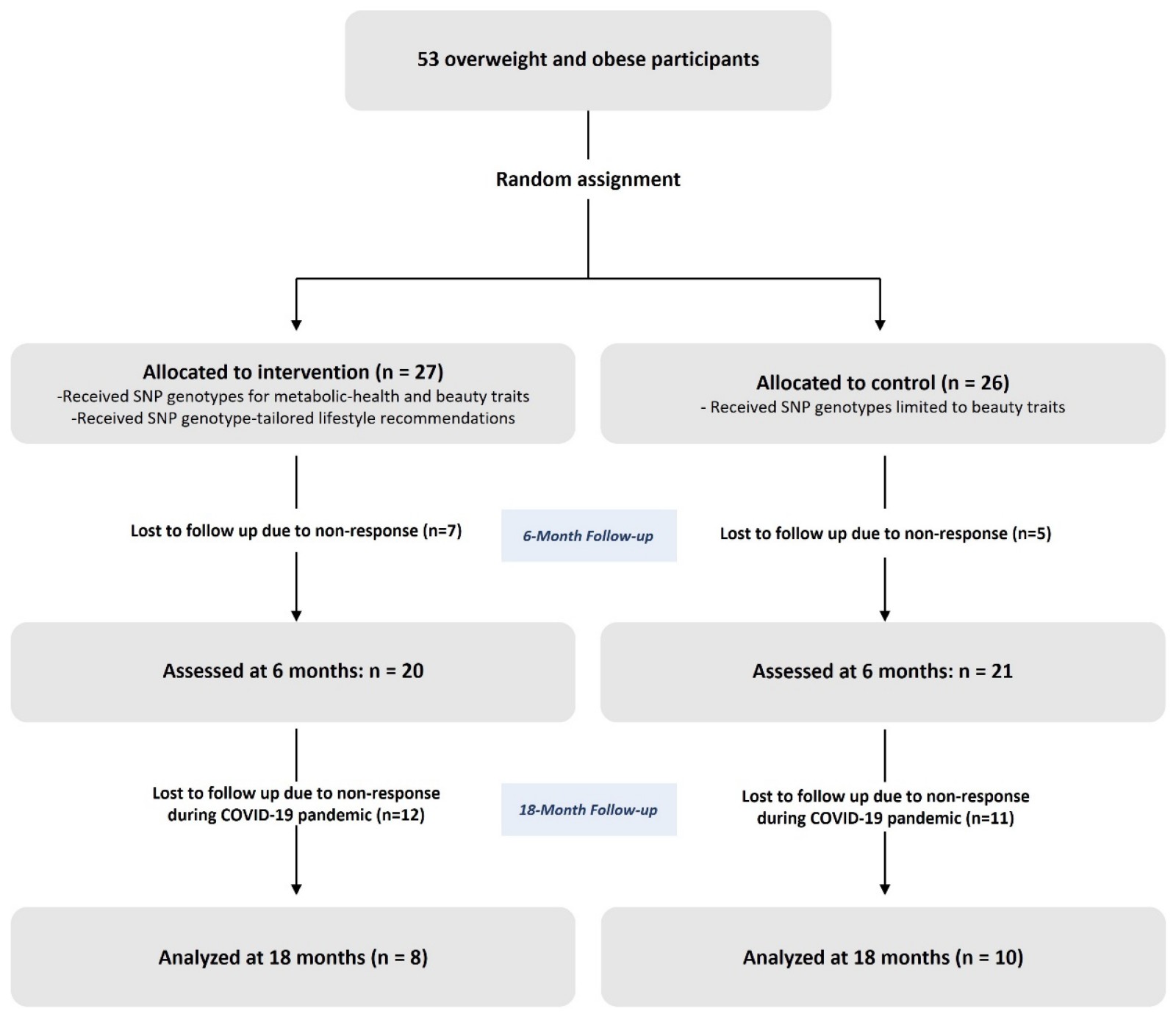 Fig.1 Study participant flow. (Khil, et al., 2026)
Primary intention-to-treat analysis across the entire study cohort indicated that receiving personal single-nucleotide polymorphism disclosure led to no statistically significant differences in body weight or body composition changes at either 6 months or 18 months. Between baseline and 6 months, the model-adjusted mean weight change was 0.77 kg (95% confidence interval: -0.55 kg to 2.19 kg) in the intervention group compared with 0.94 kg (95% confidence interval: -0.35 kg to 2.23 kg) in the control group. Over the complete 18-month follow-up period, the model-adjusted mean weight changes were 1.05 kg (95% confidence interval: -0.64 kg to 2.75 kg) for the intervention group and -0.40 kg (95% confidence interval: -1.91 kg to 1.10 kg) for the control group, with no significant interaction between group assignment and time (p = 0.77). Secondary body composition outcomes displayed identical non-significant trends across body fat mass, body fat percentage, and skeletal muscle mass. Furthermore, sex-stratified secondary analyses confirmed that no significant between-group differences existed at any evaluation point for male or female participants.
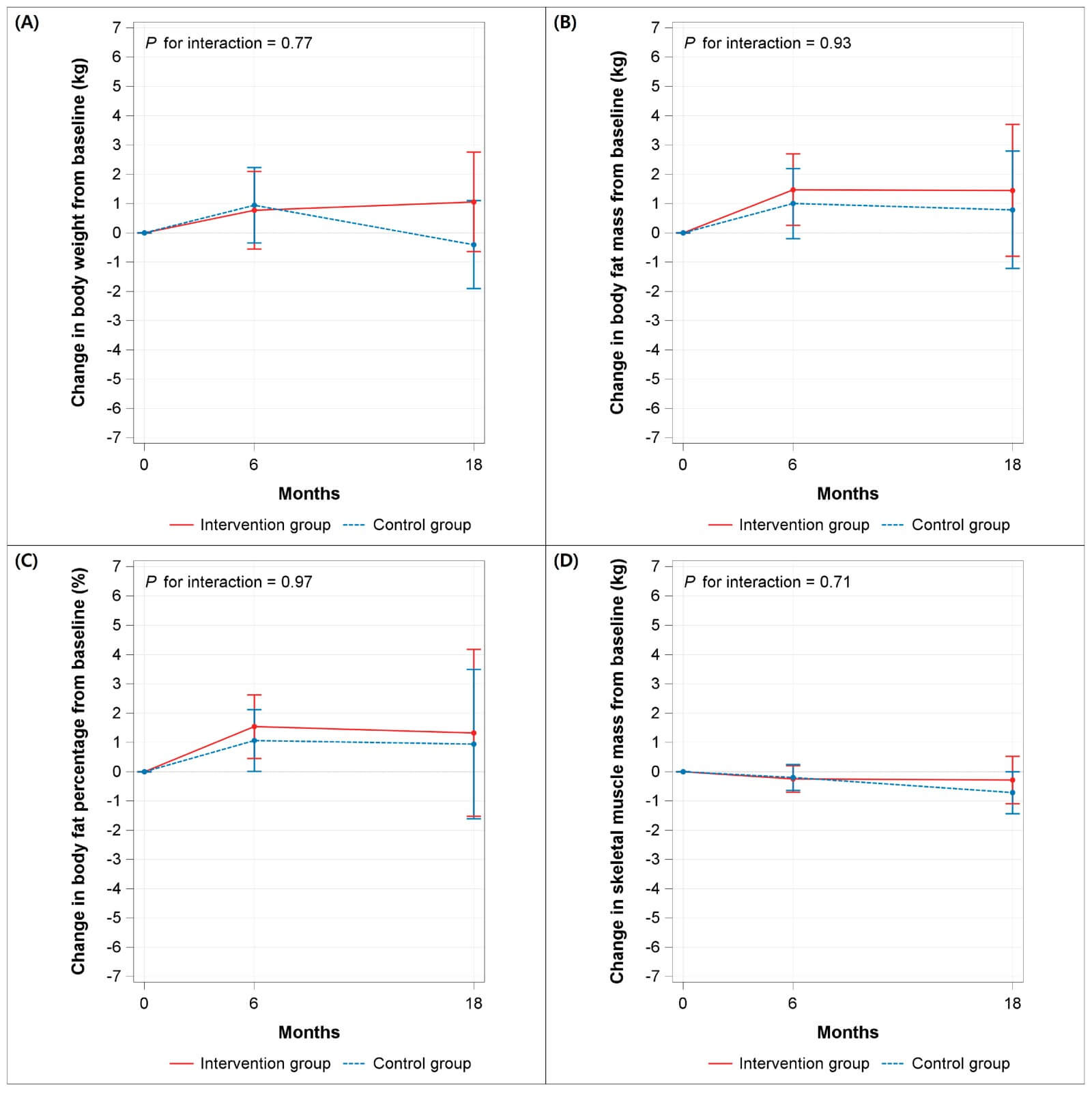 Fig.2 Changes in body weight, fat mass, body fat percentage, and skeletal muscle mass over 18 months by study group. (Khil, et al., 2026)
To evaluate whether genetic vulnerability modulates intervention responsiveness, researchers performed exploratory analyses on participants carrying two or more risk alleles across three key variants: FTO rs9939609, MC4R rs17782313, and BDNF rs6265. Within this high-risk subgroup, weight changes at 6 months showed no significant difference between groups, with model-adjusted mean changes of 0.72 kg (95% confidence interval: -0.98 kg to 2.42 kg) in the intervention group and 0.73 kg (95% confidence interval: -0.97 kg to 2.42 kg) in the control group. However, over 18 months, the intervention group experienced a model-adjusted mean weight gain of 2.68 kg (95% confidence interval: 2.28 kg to 3.09 kg), whereas the control group experienced a model-adjusted mean weight loss of -1.58 kg (95% confidence interval: -1.99 kg to -1.18 kg), establishing a statistically significant difference (p < 0.001). No statistically significant intervention effects were detected in this subgroup for body fat mass, body fat percentage, or skeletal muscle mass.
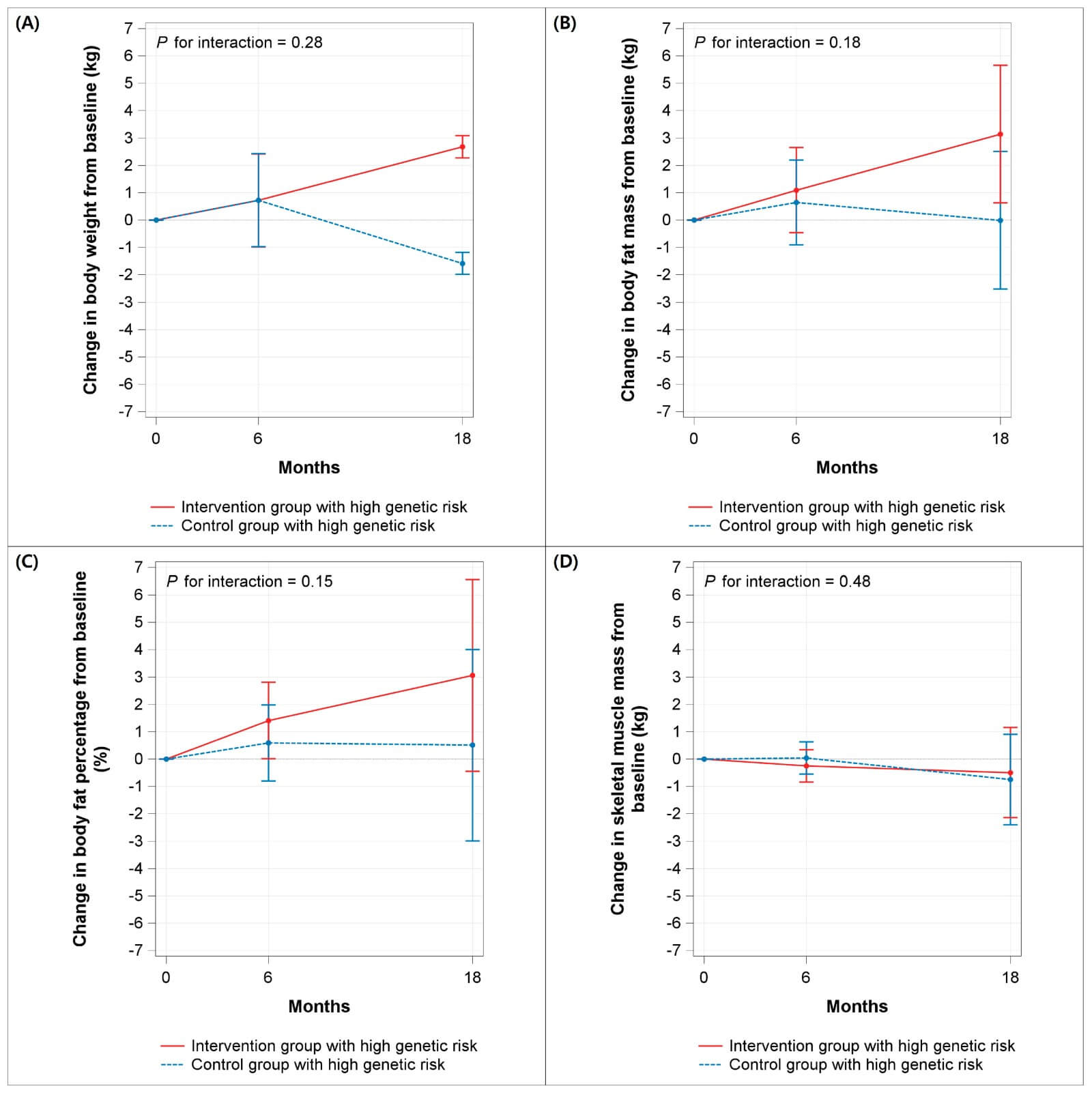 Fig.3 Changes in body weight, fat mass, body fat percentage, and skeletal muscle mass over 18 months among participants with obesity-related genetic risk. (Khil, et al., 2026)
Assessment of behavioral responses among intervention group participants carrying elevated genetic risk provided valuable contextual findings. Among 13 genetically susceptible individuals who completed follow-up surveys, 8 reported implementing dietary or lifestyle modifications after reading their report (behavior changers), while 5 reported making no changes (behavior maintainers). At baseline, behavior changers possessed higher overall adiposity, lower physical activity levels, higher smoking and drinking rates, full comprehension of their genetic test results (100% versus 40%), and higher perceived utility of the report (88% versus 40%). Between baseline and 6 months, behavior changers achieved a modest weight reduction of -0.09 kg, whereas behavior maintainers gained 1.64 kg.
Advancing research in personalized nutrition, metabolic trait profiling, and genotype-guided behavioral interventions requires integrated capabilities spanning genetic analysis, study design, and translational validation. To support these efforts, Protheragen provides high-throughput single-nucleotide polymorphism (SNP) genotyping, customized biostatistical analysis, and preclinical and clinical research support. These capabilities can help researchers design and execute studies investigating genotype–phenotype relationships, metabolic variability, and personalized intervention strategies.
This randomized controlled trial demonstrates that providing personal genetic risk information alongside brief written recommendations is insufficient on its own to drive long-term weight reduction across a general overweight population. However, the study highlights important translational nuance: individuals with elevated genetic susceptibility who possess higher baseline adiposity and less healthy baseline habits appear more receptive to genetic reports when they clearly comprehend the findings. These insights indicate that direct-to-consumer genetic information should not be used as a standalone solution for population-level obesity control, but rather as a motivational catalyst integrated into structured behavioral coaching programs targeting responsive, high-risk subgroups in future precision medicine applications.
Reference
December 9, 2025
September 16, 2026
June 22, 2026
Copyright © Protheragen. All rights reserved.