

Beyond the Scale: Redefining Success in Modern Evidence-Based Obesity Care
June 22, 2026

September 16, 2026
Obesity affects nearly 40% of U.S. adults and over two billion people globally, significantly elevating risks for cardiovascular disease, type 2 diabetes, and metabolic disorders. Approved glucagon-like peptide 1 receptor (GLP-1R) agonists like liraglutide and semaglutide achieve clinically meaningful weight loss (≥ 5%), but frequent dosing and gastrointestinal side effects limit long-term adherence.
Human genetic studies and knockout mouse models demonstrate that reduced glucose-dependent insulinotropic polypeptide receptor (GIPR) function protects against diet-induced obesity and correlates with lower body mass index (BMI). To address the short half-life and sub-optimal pharmacodynamics of peptide monotherapies, Amgen researchers published a study in the Journal of Medicinal Chemistry detailing a long-acting, unimolecular conjugate combining GIPR antagonism with GLP-1R agonism for durable, once-monthly weight management.
To optimize bioconjugation efficiency, stability, and pharmacokinetics, three engineered cysteine mutation sites were evaluated: D88C on the light chain near the variable domain, T487C on the Fc region near the C-terminus, and E384C on the Fc region near the hinge. Endogenous thiols capping expressed cysteines were efficiently exchanged with cysteamine to yield homogeneous intermediates. Selective reduction with TPPTS followed by mild re-oxidation with DHAA restored native interchain disulfides while leaving engineered thiols reactive. Chemoselective alkylation using C-terminally bromoacetamide-functionalized GLP-1 analogs yielded homogeneous bivalent conjugates with isolated yields exceeding 60%.
 Fig.1 Design and synthesis of GIPR antibody–GLP-1 peptide conjugates. (Wu, et al., 2026)
Single intravenous (5 mg/kg) administration in male CD-1 mice evaluated conjugates 7 (D88C), 8 (E384C), and 9 (T487C)—each carrying an [Aib8,22;G36] GLP-1(7-37) analog with a (GGGGS)3K linker—against dulaglutide (1 mg/kg). Conjugate 8 (E384C) exhibited superior pharmacokinetics, recording a terminal half-life (t1/2,z) of 5.3 days and systemic clearance (CL) of 15.0 mL/day/kg. Conjugates 9 (t1/2,z = 2.3 days, CL = 35.8 mL/day/kg) and 7 (t1/2,z = 1.9 days, CL = 92.3 mL/day/kg) cleared faster, though all constructs outperformed dulaglutide (t1/2,z = 1.2 days, CL = 98.0 mL/day/kg).
Tab.1 Pharmacokinetic profiles of GIPR antibody–GLP-1 conjugates in mice. (Wu, et al., 2026)
| compound | Cys mutant | dose (mg/kg) | N | t1/2,z (day) | CL (mL/day/kg) |
|---|---|---|---|---|---|
| 7 | D88C | 5 | 3 | 1.9 | 92.3 |
| 8 | E384C | 5 | 2 | 5.3 | 15.0 |
| 9 | T487C | 5 | 3 | 2.3 | 35.8 |
| Dulaglutide | 1 | 4 | 1.2 | 98.0 |
Assays measuring intact conjugate versus total antibody showed consistent total antibody profiles across constructs but distinct intact peptide exposure. Conjugation at E384C provided maximal protection against N-terminal cleavage, establishing stability: E384C (8) > T487C (9) > D88C (7).
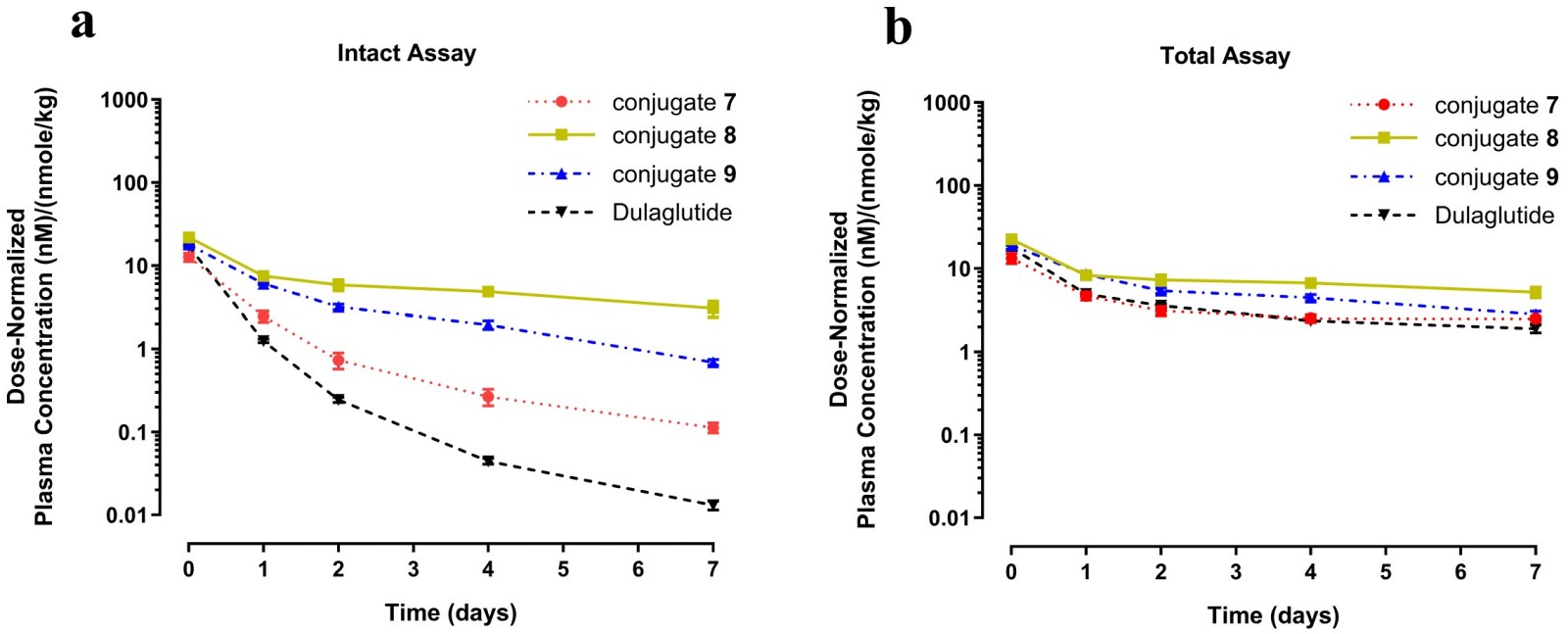 Fig.2 Plasma pharmacokinetic profiles of antibody–GLP-1 conjugates. (Wu, et al., 2026)
Cell-based assays confirmed that all constructs acted as full GLP-1R agonists while retaining GIPR antagonism. Native GLP-1 activated GLP-1R with an EC50 of 1.5 pM, while parental mouse (2) and human (3) GIPR antibodies inhibited GIPR with IC50 values of 35.1 nM (6.2 nM on mouse GIPR) and 21.3 nM, respectively.
Light-chain D88C conjugation (7 and 10) compromised GIPR antagonism (IC50 = 82.7 and 58.1 nM) due to CDR steric hindrance. Heavy-chain E384C (8 and 11) and T487C (9 and 12) conjugates preserved GIPR antagonism (IC50 = 9.7–26.2 nM). Although E384C conjugation moderately reduced GLP-1R potency (EC50 = 77.3 pM for 8 vs 6.9 pM for 7 and 9), its superior stability made it the preferred backbone.
Structural modifications systematically modulated GLP-1R activation:
In db/db mice, repeated intraperitoneal dosing (2 mg/kg every 4 days) of conjugates 8, 9, 11, and 12 completely prevented weight gain compared to vehicle controls (~15% gain), with blood glucose tracking weight suppression. E384C conjugates (8 and 11) suppressed weight gain more effectively by day 12 than T487C counterparts (9 and 12), confirming that systemic exposure duration overrides minor in vitro potency differences in driving in vivo efficacy.
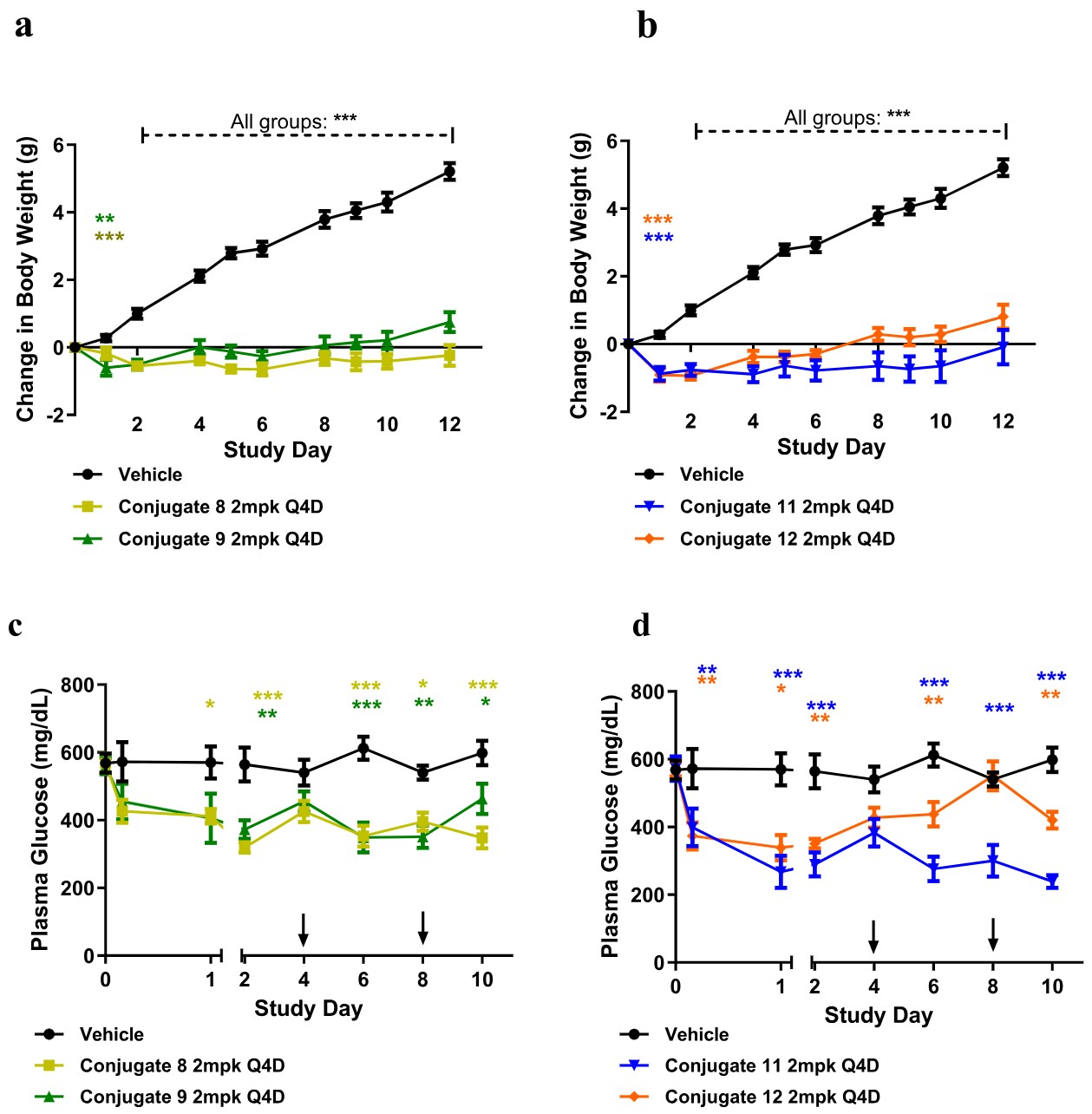 Fig.3 Effects of GIPR/GLP-1 conjugates on body weight and glucose metabolism in db/db mice. (Wu, et al., 2026)
Single-dose screening (2 mg/kg) confirmed C-terminal attachment and longer (GGGGS)3 linkers outperformed Lys26 attachment and shorter spacers. Conjugates with V16Y + G22E (24), G22E (16), or an Exendin-4 chimera (15) induced maximal weight loss, whereas W31A substitution (20) eliminated efficacy.
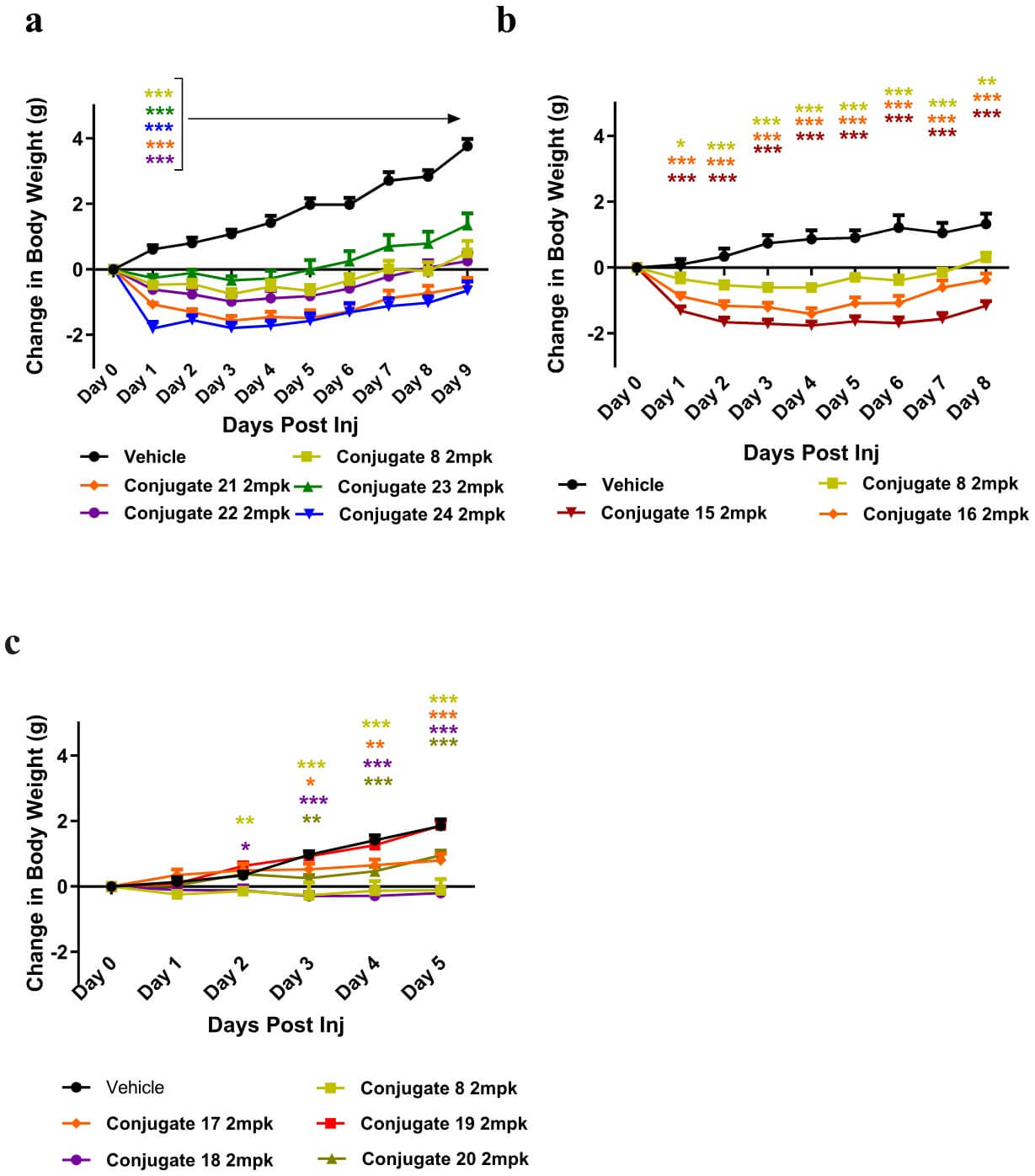 Fig.4 Body weight reduction effects of GIPR antibody–GLP-1 conjugates in obese mice. (Wu, et al., 2026)
In diet-induced obese mice, weekly dosing of conjugate 8 (0.008 to 3 mg/kg) over 28 days produced dose-dependent weight loss, reaching 27% at 3 mg/kg. In an 18-day study (0.5 mg/kg on days 0, 6, 12), conjugate 24 achieved 26% weight loss compared to 16% for conjugate 8.
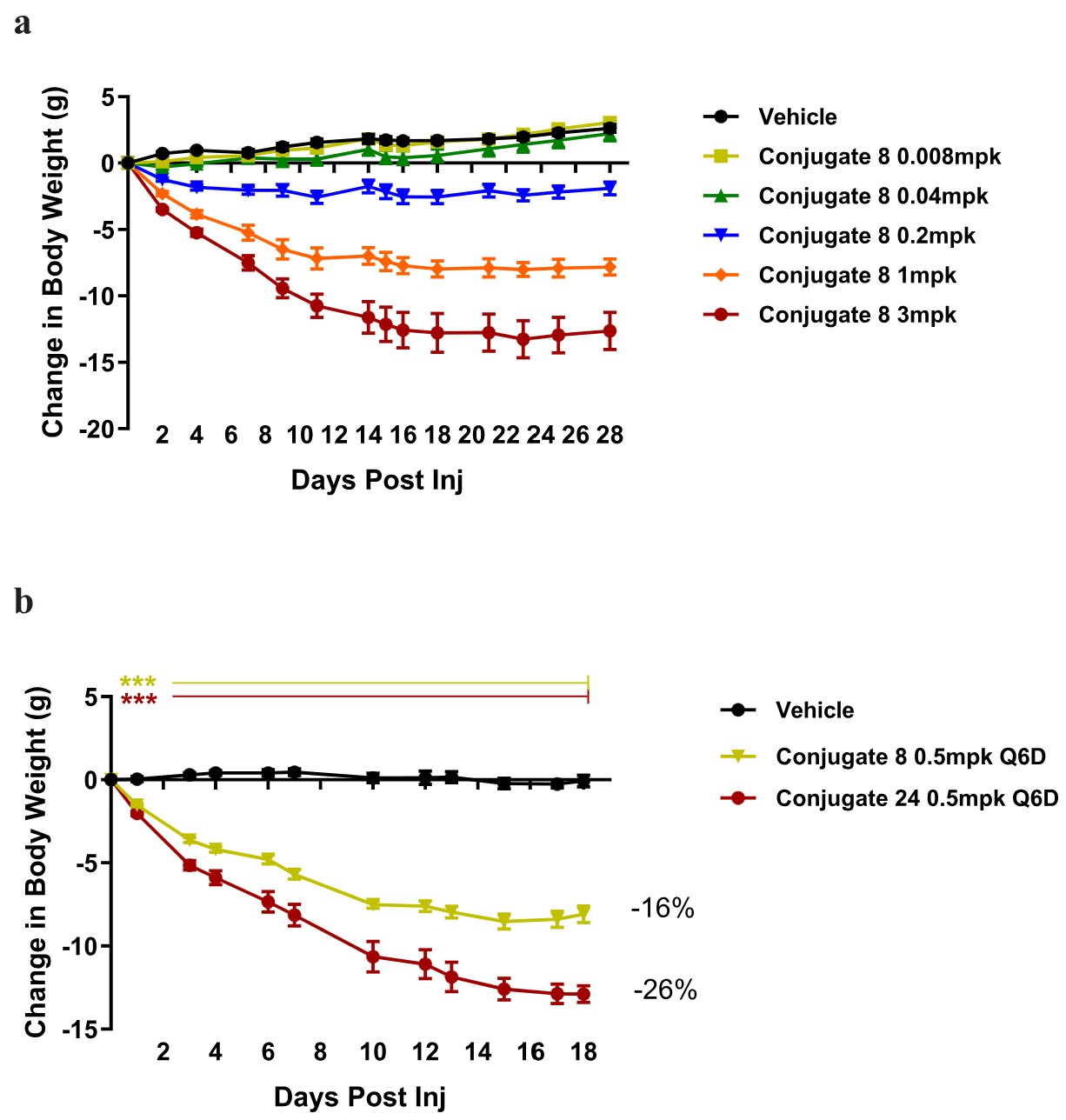 Fig.5 Weight loss efficacy of selected conjugates in diet-induced obesity mice. (Wu, et al., 2026)
Subcutaneous administration (1 mg/kg) of humanized GIPR conjugates 25–28 in obese cynomolgus monkeys revealed consistent half-lives (7.9–9.3 days) and clearance rates (11.2–16.1 mL/day/kg). Single doses reduced food intake, with conjugate 28 achieving peak weight loss of 11% at week two.
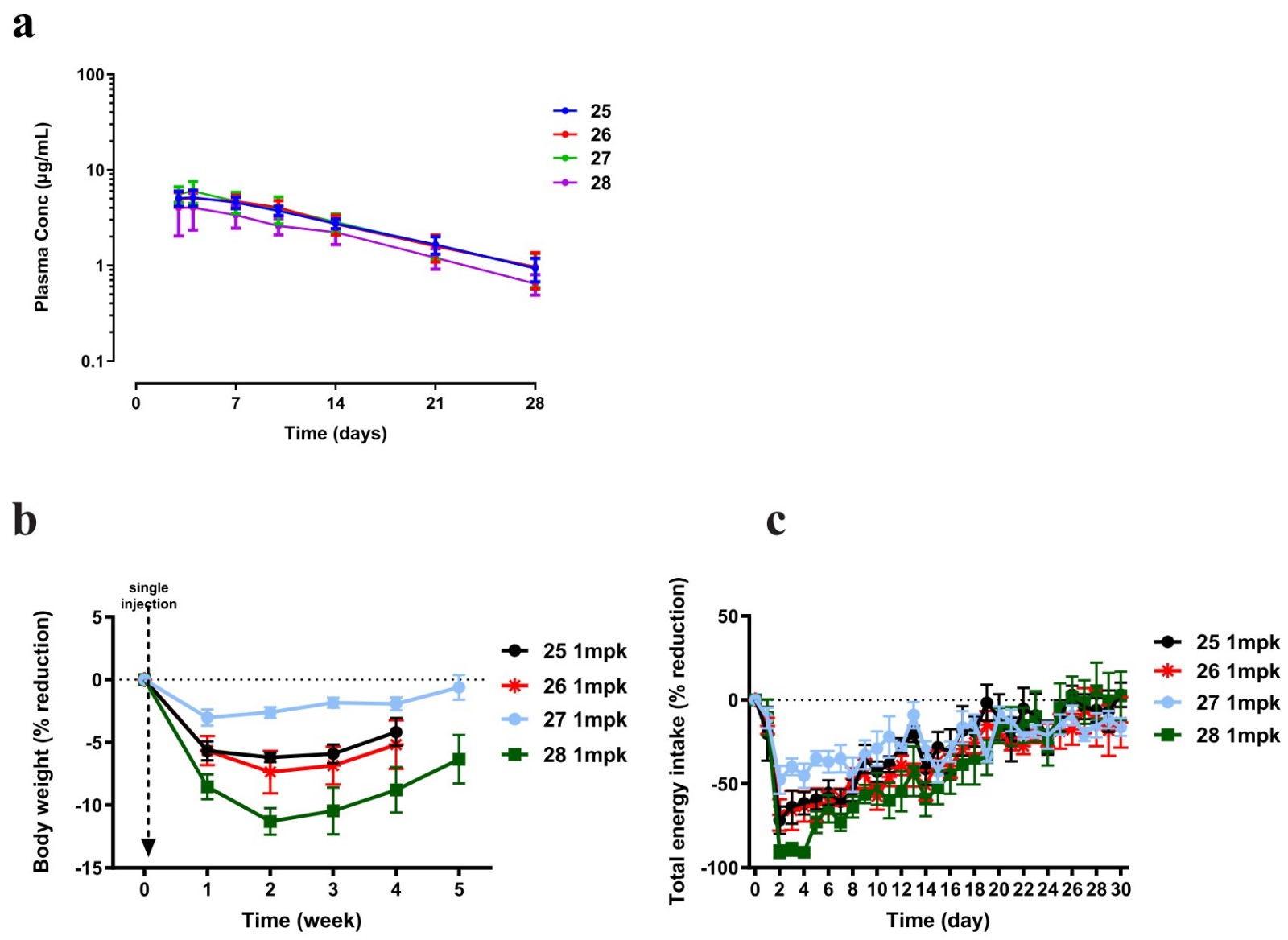 Fig.6 Pharmacokinetics and tolerability evaluation of conjugates in obese cynomolgus monkeys. (Wu, et al., 2026)
In a 6-week study (0.75 mg/kg SC weekly), conjugates 25, 26, 27, and 28 reduced body weight by 14.4%, 14.5%, 8.5%, and 16.9%, respectively. Conjugate 28 (AMG 133) produced the greatest weight loss while significantly reducing fasting insulin, triglycerides, and total cholesterol.
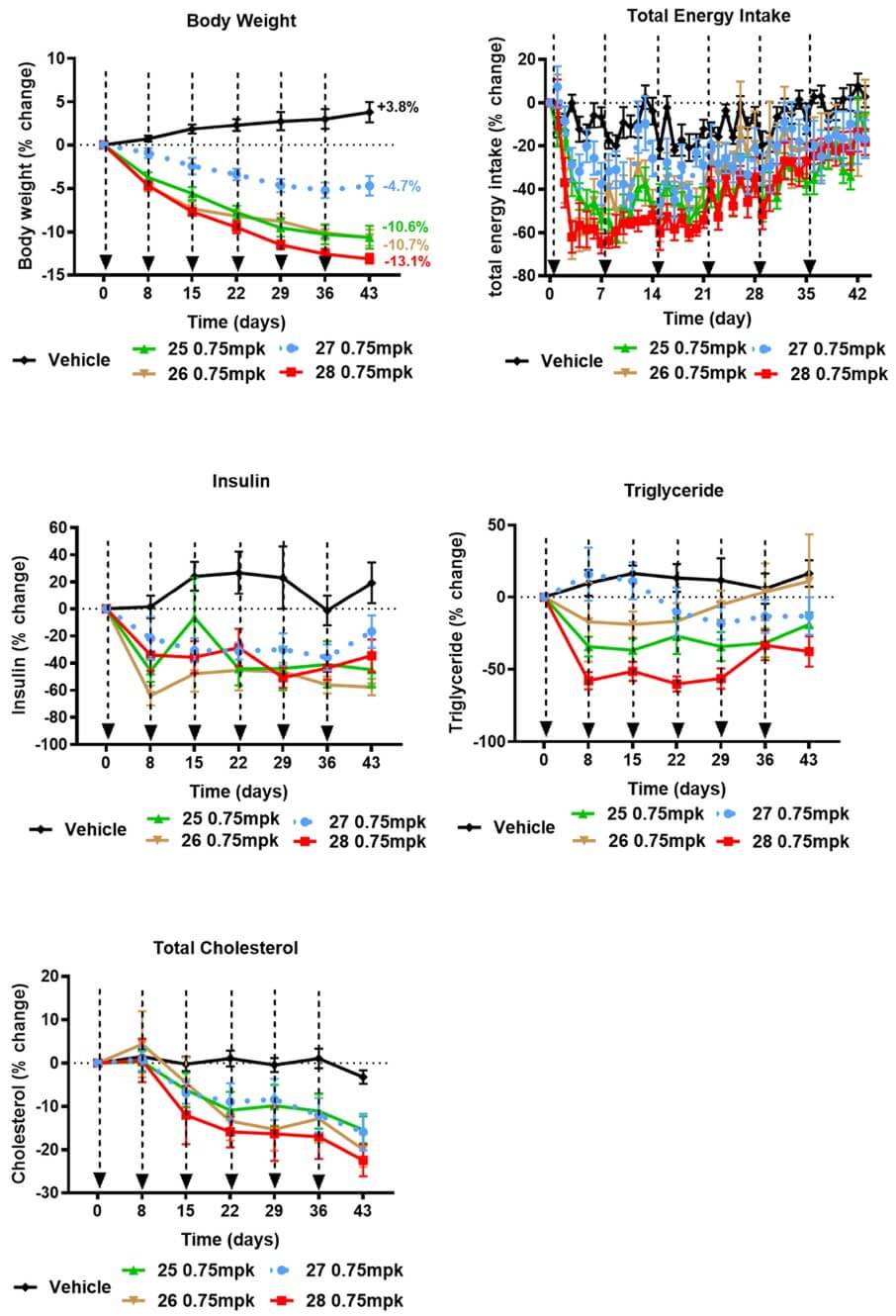 Fig.7 Long-term effects of GIPR antibody–GLP-1 conjugates on body weight and metabolic parameters in obese monkeys. (Wu, et al., 2026)
Developing metabolic biologics, gut hormone-based therapeutics, and multispecific Antibody Strategies requires integrated approaches that connect molecular engineering, functional validation, and in vivo pharmacological assessment. Protheragen supports these efforts through Comprehensive Preclinical Capabilities, including site-specific bioconjugation, pharmacokinetic profiling in rodent and non-human primate models, validated diet-induced Obesity Animal Models, and high-throughput cell-based cAMP functional assays.
By integrating molecular characterization, metabolic disease models, and pharmacological evaluation, these approaches enable researchers to assess therapeutic candidates, investigate mechanisms of action, and support the optimization of next-generation metabolic therapies.
Tethering a GLP-1 agonist to a GIPR antagonist mAb resolves the brief systemic exposure typical of peptide monotherapies. By leveraging FcRn-mediated recycling and reduced renal filtration, this bispecific architecture extends GLP-1 peptide half-life to ~10 days in non-human primates. AMG 133 demonstrates that combined GIPR blockade and calibrated GLP-1R agonism yield durable weight loss and metabolic normalization, supporting once-monthly subcutaneous dosing in Phase III clinical trials.
Reference
June 22, 2026
June 22, 2026
November 7, 2025
Copyright © Protheragen. All rights reserved.