
Engineering Next-Generation Multispecifics: Discovery of AMG 133 as a First-in-Class GIPR Antagonist and GLP-1R Agonist Conjugate for Obesity
September 16, 2026

June 22, 2026
Clinical perspectives in metabolic health are shifting from scale weight to comprehensive patient wellness. This blog post reviews the 2026 landmark article, "Beyond the Scale: Setting Goals for Outcomes Beyond Weight in Evidence-based Obesity Treatment" (Current Obesity Reports). While weight management historically relied on body mass index (BMI), focusing solely on this metric overlooks obesity's complexity as a chronic, progressive disease, a shift recognized by the 2025 Lancet Commission. Traditional BMI-centric care ignores underlying etiology, misses clinical complications, and fuels weight stigma. To promote person-centered care, clinicians must align treatment goals with diverse patient motivations. Supported by advanced therapies like obesity-management medications (OMMs), this review provides a structured framework to measure success across key non-weight domains.
To establish a comprehensive goal-setting framework, the authors synthesize clinical data across four major domains where patients frequently seek meaningful change.
Obesity contributes to progressive conditions like type 2 diabetes (T2D), cardiovascular diseases, obstructive sleep apnea, and osteoarthritis. Traditionally, clinical improvements in these diseases were linked strictly to weight loss magnitude. For example, the American Association of Clinical Endocrinology (AACE) guidelines use percent weight reduction to predict health gains. In the Look AHEAD trial in adults with T2D, the average cohort achieving under 10% weight loss showed no significant cardiovascular benefit; however, post-hoc analyses revealed that patients achieving over 10% weight loss experienced meaningful cardiovascular risk reduction. Crucially, newer OMMs and metabolic and bariatric surgery (MBS) produce weight-independent cardiovascular and metabolic benefits. Semaglutide trials demonstrate cardiovascular protection beyond weight loss, and MBS directly improves glucose metabolism and hepatic insulin sensitivity through independent physiological pathways.
The paper evaluates HrQoL across physical and psychosocial domains. Physical HrQoL consistently improves across all treatment modalities, directly correlating with weight loss. For instance, the Longitudinal Assessment of Bariatric Surgery trial showed physical subscale (SF-36) increases of 6.7 to 13.5 points over one year, while the Diabetes Prevention Program lifestyle intervention yielded a 1.4-point increase. GLP-1 medication trials also show that 15% more participants achieved clinically meaningful physical improvements compared to placebo. Psychosocial HrQoL, however, is more variable and does not always correlate perfectly with weight loss. Lifestyle changes, particularly in children, often enhance psychosocial well-being through non-weight pathways like social support and group-based problem-solving.
Negative body image affects 50% to 70% of adults with higher body weight. While body dissatisfaction is widespread, approximately 20% of treatment-seekers experience overvaluation of weight and shape, which severely damages self-worth. Although weight loss reduces shape concerns, a legacy effect can cause negative perceptions to persist even after successful weight reduction. Furthermore, seeking treatment solely for appearance predicts poorer long-term weight maintenance and higher dropout rates. Utilizing the body image assessment tools can identify patients at risk of non-adherence and guide them toward adjunctive behavioral therapies. Notably, recent research on positive body image, such as body appreciation and appearance satisfaction, shows great promise in buffering against societal appearance pressures.
WBI occurs when individuals apply negative societal stereotypes to themselves. High baseline WBI significantly impairs treatment, reducing the likelihood of achieving a 5% or 10% weight loss by over 30% at 24 weeks. Patients with the lowest baseline WBI often lose twice as much weight as those with the highest scores. While some patients experience reduced WBI after MBS or lifestyle interventions, weight loss alone does not automatically resolve self-devaluation, highlighting the critical need for routine clinical monitoring and targeted behavioral support.
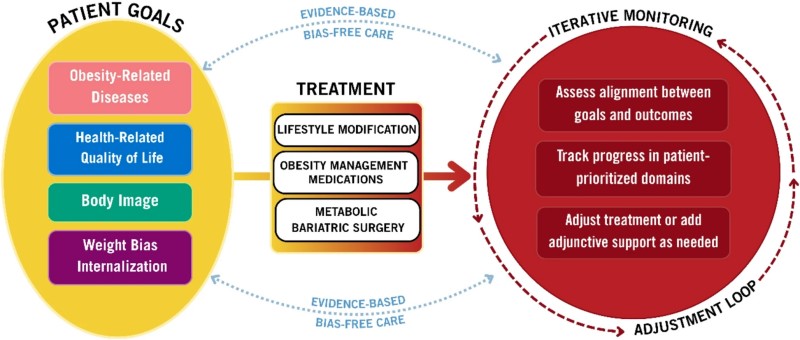 Fig.1 Evidence-based obesity interventions use patient-defined goals to track progress and update care strategies. (Schumacher, et al., 2026)
The clinical implications of this review are transformative for metabolic health, guiding clinicians from a weight-centric to a complications-centric framework. By assessing patient motivations at baseline, aligning treatments with those desires, and monitoring progress via validated tools, providers can improve satisfaction, adherence, and psychological resilience. This holistic approach prevents clinical frustration during weight loss plateaus, ensuring efficacy is judged by physical functioning, emotional health, and self-compassion rather than scale weight alone.
Beyond clinical practice, payers and policymakers must expand metrics of treatment success. Currently, patients risk losing insurance coverage for OMMs if they miss rigid, predetermined weight targets, despite experiencing other key health gains. Similarly, many health systems mandate strict weight monitoring to determine specialty service eligibility. Investigating weight-independent benefits is crucial to provide the clinical evidence needed to shift restrictive payer and institutional policies toward patient-centered care.
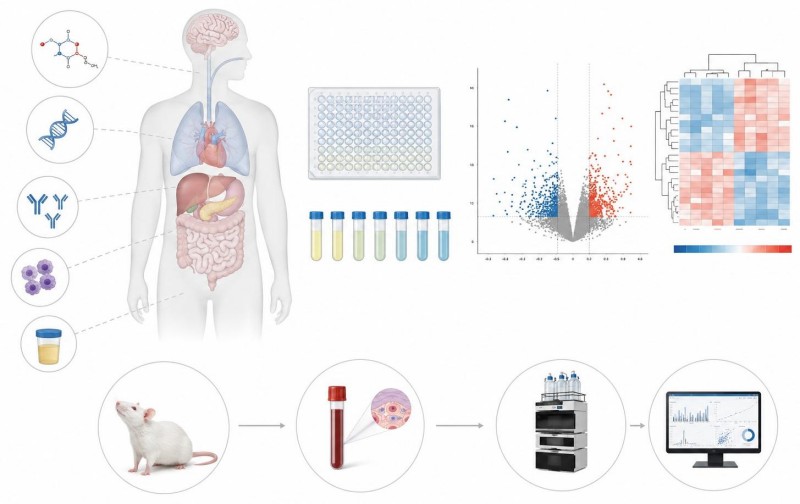
For researchers and clinical trial sponsors interested in exploring metabolic health, cardiometabolic biomarkers, or patient-reported outcomes in weight management studies, Protheragen offers comprehensive preclinical and translational research services to support robust experimental design, biomarker profiling, and advanced data analysis.
|
||
Reference
September 16, 2026
June 22, 2026
November 7, 2025
Copyright © Protheragen. All rights reserved.