Beyond the Scale: Redefining Success in Modern Evidence-Based Obesity Care
June 22, 2026

June 22, 2026
Obesity is a global chronic disease, but its primary threat is the long-term metabolic and cardiovascular damage from excess adiposity. Traditional weight loss therapies, including diet, lifestyle, and pharmacotherapies, reduce weight at an inevitable physiological cost, as twenty-five to forty percent of lost mass is lean tissue, such as skeletal muscle. This muscle loss impairs physical function and lowers metabolic rate, limiting overall clinical benefits. Therefore, maximizing fat reduction while preserving or promoting muscle growth is a critical unmet medical need.
To address this challenge, the phase 2 BELIEVE trial (ClinicalTrials.gov identifier: NCT05616013), published in Nature Medicine, evaluated bimagrumab, a fully human monoclonal antibody targeting activin type II receptors (ActRII), and semaglutide, a glucagon-like peptide-1 (GLP-1) receptor agonist, alone or in combination in adults with obesity. Conducted by Versanis Bio, a subsidiary of Eli Lilly and Company, this randomized, double-blind, placebo-controlled study offers key insights into high-quality weight management.
A total of 730 candidates were screened, and 507 participants were randomized. The cohort presented a mean age of 47.5 years, body weight of 107.5 kg, body mass index (BMI) of 37.3 kg/m2, waist circumference of 118.1 cm, total body fat mass of 45.8 kg, and total body lean mass of 58.3 kg.
At week 48, absolute weight loss was strongly dose-dependent under the treatment regimen estimand. The high-dose combination (bimagrumab 30 mg/kg plus semaglutide 2.4 mg) achieved a statistically superior weight loss of -17.8 kg compared to semaglutide monotherapy (-14.2 kg) and bimagrumab monotherapy (-9.3 kg) (P < 0.05 versus semaglutide; P < 0.001 versus placebo at -3.3 kg).
By week 72, the high-dose combination achieved an absolute weight loss of -24.2 kg (-22.1%), significantly outpacing semaglutide (-16.5 kg) and bimagrumab (-12.0 kg). In this group, 84.9 percent of participants achieved a weight loss of 15% or more, compared to 51.8 percent with semaglutide and 21.8 percent with bimagrumab.
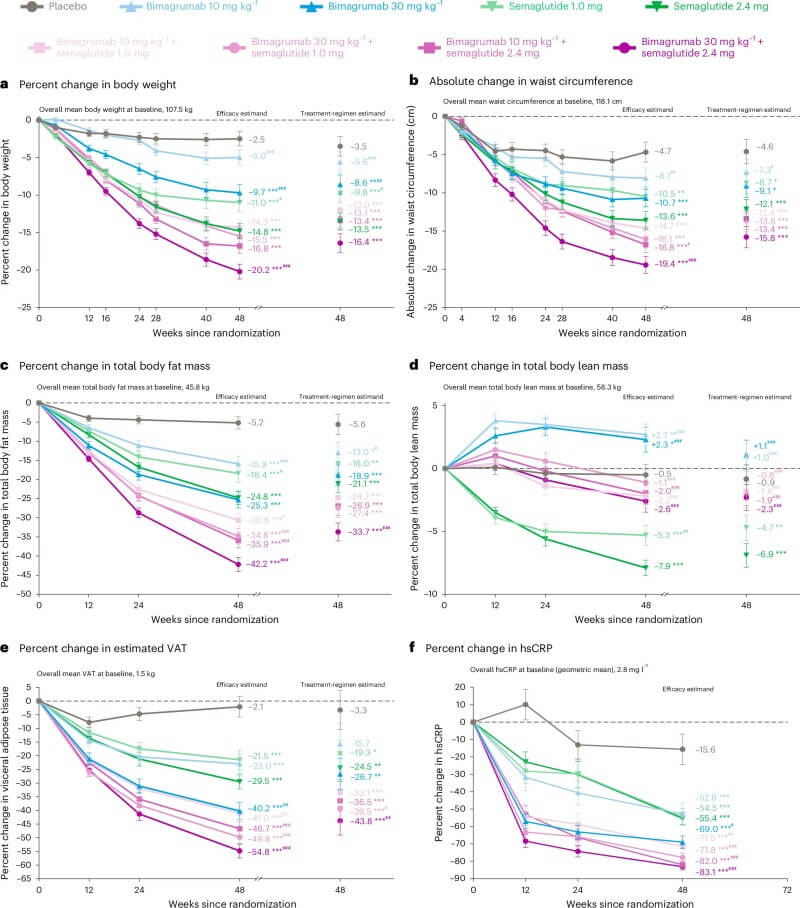 Fig.1 Combined bimagrumab and semaglutide treatment produced greater metabolic and fat reduction benefits than placebo. (Heymsfield, et al., 2026)
Serial DXA scans proved that the combination therapy optimized the structural quality of weight loss:
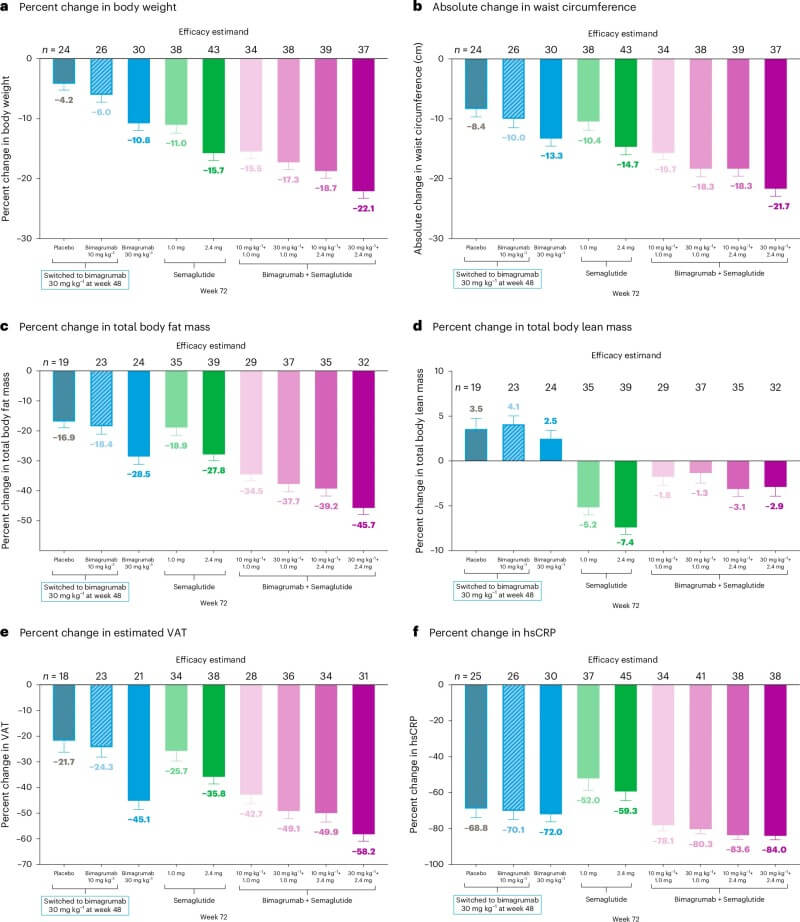 Fig.2 Long-term combination therapy maintained improvements in body composition and inflammatory markers through week 72. (Heymsfield, et al., 2026)
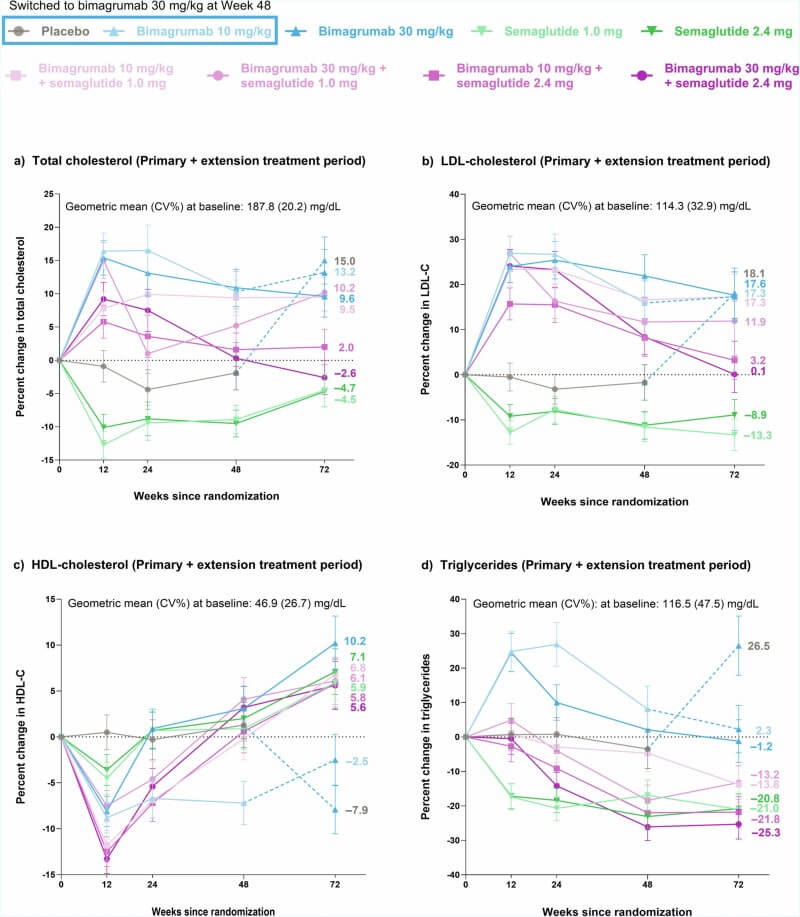 Fig.3 Serum lipid levels showed sustained improvement during extended treatment through week 72. (Heymsfield, et al., 2026)
Overall safety aligned with the known profiles of both agents. Bimagrumab was primarily linked to muscle spasms, diarrhea, and acne, while semaglutide was associated with gastrointestinal symptoms. Notably, co-therapy improved tolerability, as no participants in the combination groups discontinued treatment due to muscle spasms, compared to five in the bimagrumab monotherapy groups. Early liver enzyme elevations (AST, ALT, ALP) in bimagrumab-containing cohorts stabilized during the trial. Total body and spinal bone density remained stable, with only a minor 2% decrease in total hip BMD.
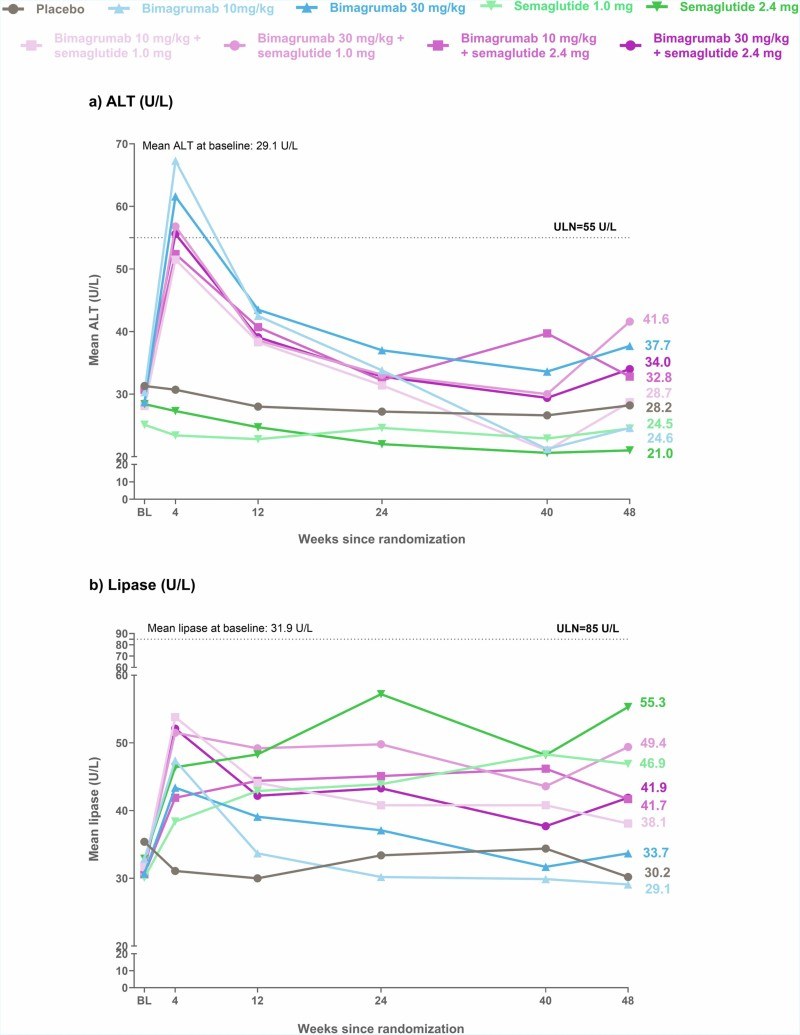 Fig.4 Liver enzyme and lipase levels were monitored to evaluate treatment safety at week 48. (Heymsfield, et al., 2026)
The clinical findings of this trial break the long-standing metabolic dogma that significant weight loss must inevitably trigger muscle degradation, proving that combining a peripheral receptor antagonist with a central energy regulator can achieve highly efficient fat loss while preserving essential skeletal muscle. By directly blocking the activin pathway via ActRII, this combination therapy achieves deep clearance of visceral fat and systemic inflammation without sacrificing physical and metabolic function, mirroring the fat-loss efficacy of invasive bariatric surgery. This shifts the clinical goals of obesity therapeutics away from simply reducing the number on a scale and toward a modern, high-quality reconstruction of body composition, providing a safer and more precise therapeutic option for elderly patients or individuals with existing metabolic comorbidities who are highly vulnerable to sarcopenia.
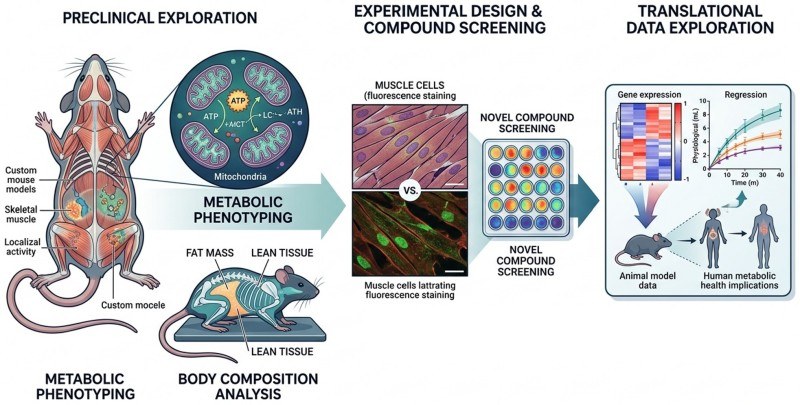
For research teams interested in exploring body composition optimization, skeletal muscle regulation, or novel metabolic compound screening, Protheragen provides comprehensive preclinical and translational research services. Utilizing our advanced metabolic phenotyping platforms, high-precision body composition technologies, and customized animal disease models, we can assist you throughout the entire scientific process, from experimental design and biomarker analysis to translational data exploration, accelerating your therapeutic discoveries in metabolic disease.
|
||
Reference
June 22, 2026

September 16, 2026
November 7, 2025
Copyright © Protheragen. All rights reserved.