



New Discovery on the Culprit Behind Obesity: How Fat Cells Ignite Inflammation and Metabolic Crisis Through the B2M Protein?
December 3, 2025

September 16, 2026
Obesity is a major global health crisis elevating risks for type 2 diabetes, cardiovascular disease, metabolic dysfunction-associated steatotic liver disease (MASLD), and cancers. Existing pharmacological treatments face narrow applicability and side effects like gastrointestinal distress and muscle loss. Addressing these limitations, an April 2026 study in Acta Pharmaceutica Sinica B by Yali Zhang, Jingya Li, Kaixian Chen, and colleagues investigated targeting post-transcriptional RNA regulation for chronic obesity management.
The central scientific question is whether targeted inhibition of the CCR4-NOT transcription complex subunit 6-like (CNOT6L) can safely reduce body weight by restoring endogenous metabolic hormones. As a catalytic deadenylase subunit, CNOT6L shortens poly(A) tails to accelerate mRNA degradation of two key hepatokines: growth differentiation factor 15 (GDF15), which acts via the hindbrain receptor glial-derived neurotrophic factor receptor alpha-like (GFRAL) to suppress appetite, and fibroblast growth factor 21 (FGF21), which acts through the FGF receptor (FGFR) and beta-klotho to increase energy expenditure. Although genetic cnot6l ablation elevates circulating GDF15 and FGF21 levels, small-molecule inhibitor development has been hindered by poor potency (such as the natural product shikonin with an IC50 of 26.250 umol/L) and a lack of selectivity.
Researchers developed a fluorescence resonance energy transfer (FRET) deadenylation assay to screen ~30,000 compounds, identifying 19 hits with >80% inhibition at 100 umol/L. Secondary screening via differential scanning fluorimetry (DSF) identified Cpd1, which exhibited dose-dependent CNOT6L inhibition with an IC50 of 18.951 ± 1.083 umol/L. Direct target engagement was confirmed by DSF (thermal shift Delta Tm = 1.84 °C at 100 umol/L) and isothermal titration calorimetry (ITC; dissociation constant KD = 17.863 ± 4.872 umol/L).
The 2.4 A CNOT6L-Cpd1 co-crystal structure (PDB entry 9WQ4) confirmed competitive binding inside the mRNA poly(A) substrate pocket. The furo[3,2-c]pyridine core engages in pi-pi stacking with F484, the primary amine forms hydrogen bonds with N479 and D528, and the 4-chlorobenzyl tail inserts into a hydrophobic groove formed by W363, Y201, Y207, and L206.
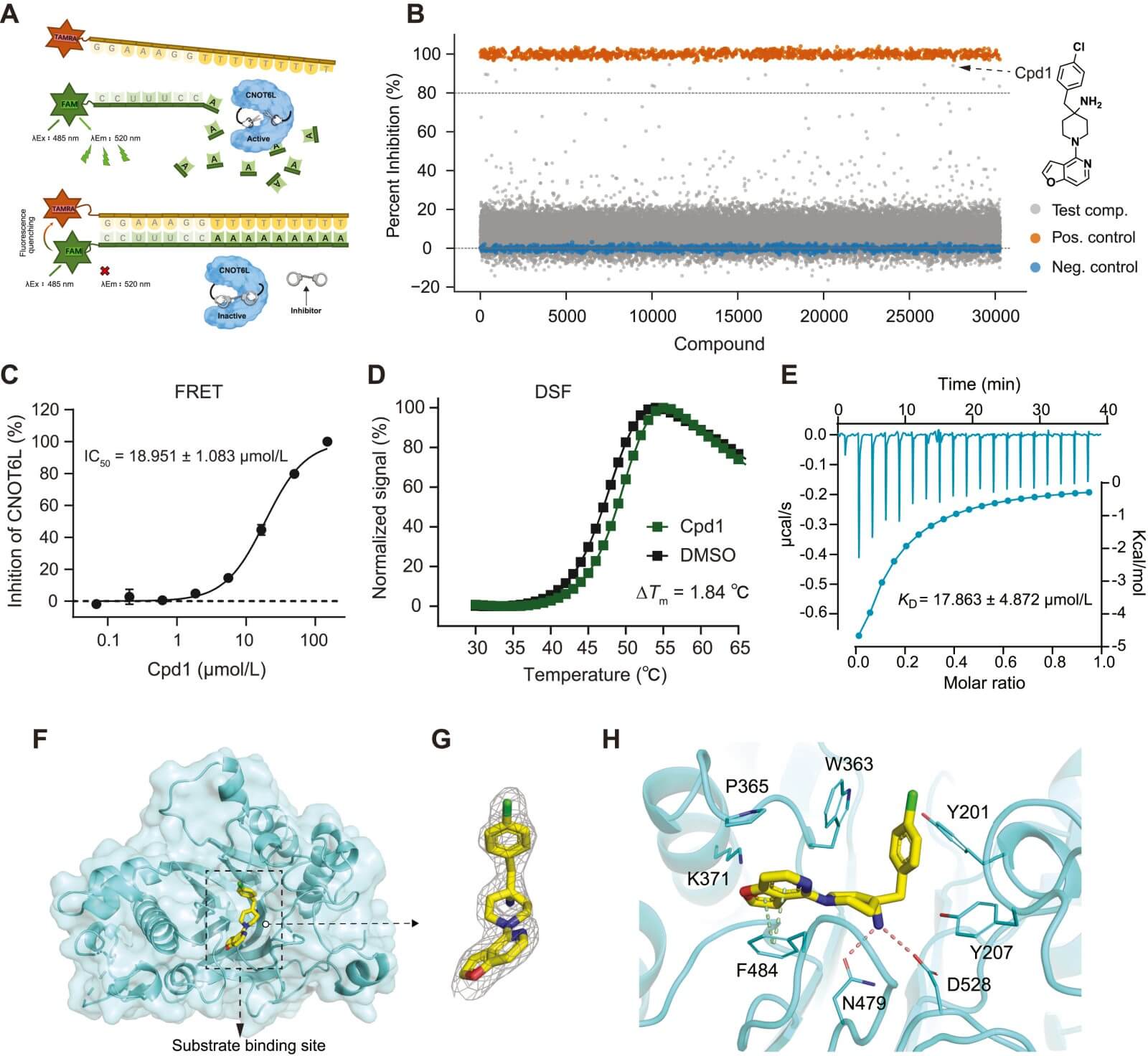 Fig.1 Identification and structural characterization of CNOT6L inhibitors. (, et al., 2026)
Retaining the central piperidin-4-amine core, substituent regions R1 and R2 were systematically optimized. Fig.2 details the synthesis of analogues C1–C10 starting from nitrile 1 via lithium diisopropylamide (LDA) deprotonation, epoxide coupling, basic hydrolysis to amide 4, Hofmann rearrangement with phenyliodine(III) bis(trifluoroacetate) (PIFA), tert-butyloxycarbonyl (Boc) deprotection, and nucleophilic substitution to yield intermediate 5 and target analogues C1–C10. Modifying R1 to 7-(difluoromethyl)-7H-pyrrolo[2,3-d]pyrimidine in compound C10 markedly enhanced activity (IC50 = 0.386 ± 0.021 umol/L).
 Fig.2 Synthetic pathway of early CNOT6L inhibitor candidates. (, et al., 2026)
Fixing R1, Fig.3 outlines the synthesis of analogues C11–C30 via nucleophilic substitution and Suzuki coupling. Shifting or removing the para-chloro group reduced binding activity, confirming a requirement for para-substituted aromatic rings. Compound C29 (YL-333P) demonstrated optimal potency with an IC50 of 0.066 ± 0.008 umol/L (66 nmol/L).
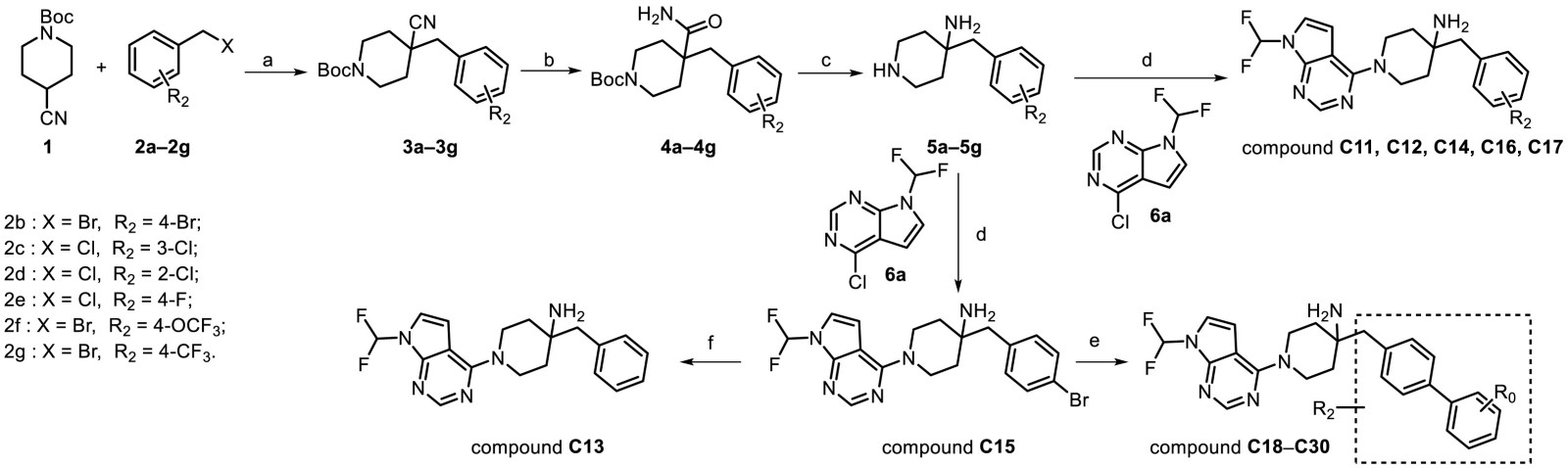 Fig.3 Optimization and synthesis of CNOT6L inhibitor derivatives. (, et al., 2026)
YL-333P induced a robust Delta Tm of 10.17 °C at 50 umol/L in DSF and bound CNOT6L with high affinity (KD = 14.4 ± 3.1 nmol/L). YL-333P moderately inhibited CNOT6 (IC50 = 0.325 ± 0.053 umol/L) but showed zero activity against CNOT7 and CNOT8 up to 100 umol/L. Profiling across 378 human protein kinases demonstrated zero off-target kinase inhibition at 2 umol/L.
The 2.0 A CNOT6L-YL-333P co-crystal structure (PDB entry 9WQ1) revealed that the 7H-pyrrolo[2,3-d]pyrimidine moiety forms pi-pi stacking with F484, the difluoromethyl group forms a key hydrogen bond with K371, and the amine forms three hydrogen bonds with N479, D528, and Y207. The 6-phenylisoindolin-1-one group engages in hydrophobic interactions with W363, Y201, Y207, and L206, with its benzene ring participating in pi-pi stacking with Y201. Structural comparison with apo CNOT6L (PDB entry 3NGQ) revealed ligand-induced shifts in Y201, L206, and W363. Site-directed mutagenesis verified these key determinants: W363A (KD = 12.800 umol/L), K371A (KD = 26.261 umol/L), and D528A (KD = 1.130 umol/L) caused severe binding losses compared to wild-type (KD = 0.014 umol/L).
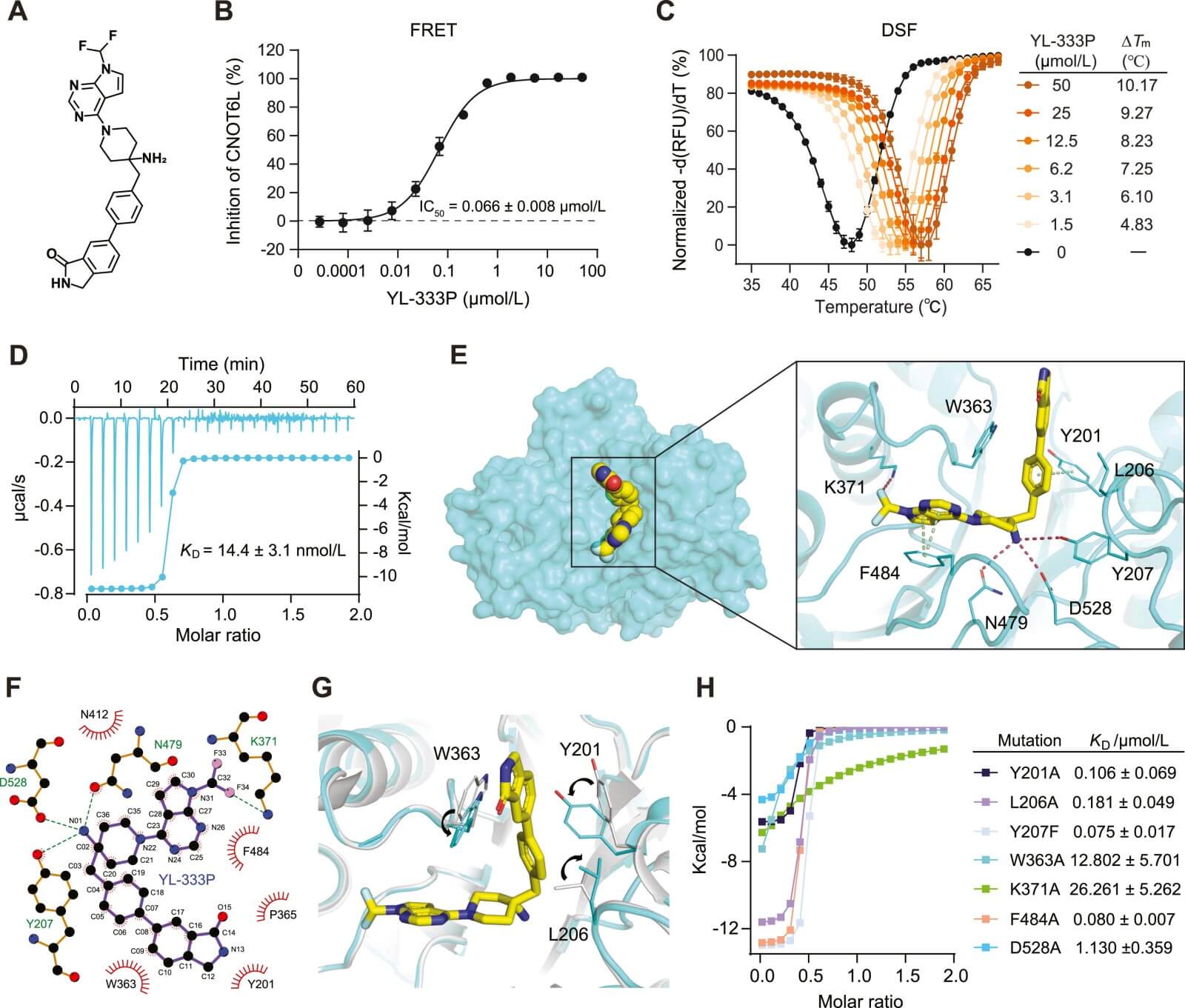 Fig.4 Biochemical validation and structural analysis of the CNOT6L inhibitor YL-333P. (, et al., 2026)
In living cells, a cellular thermal shift assay (CETSA) using N-terminally HiBiT-tagged CNOT6L in HEK293T cells confirmed direct target binding. RNA decay assays in Huh7 cells and mouse primary hepatocytes demonstrated that YL-333P extended GDF15 and FGF21 mRNA half-lives. Quantitative real-time polymerase chain reaction (RT-qPCR) confirmed dose-dependent transcript upregulation, which was attenuated in CNOT6L-knockdown cells.
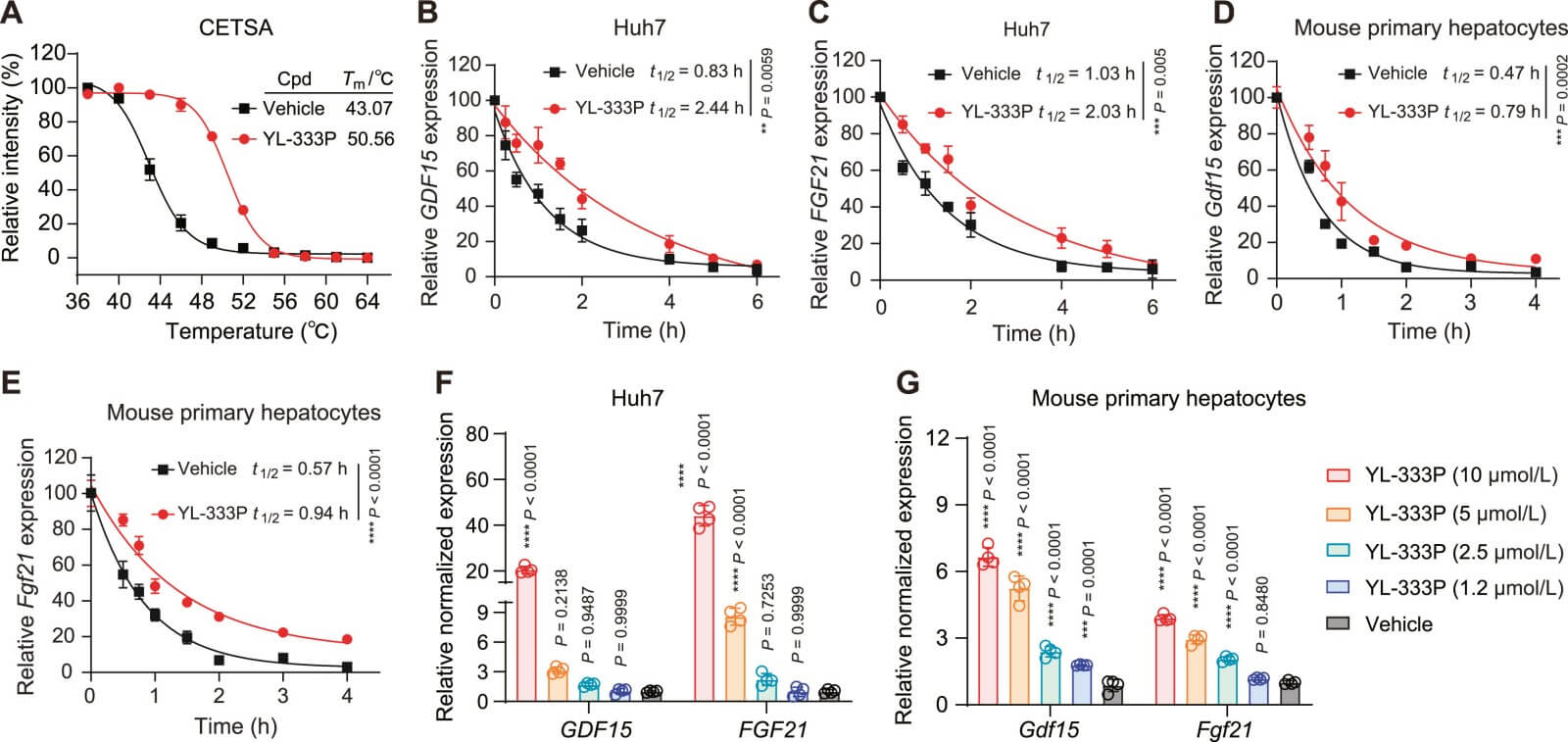 Fig.5 Cellular target engagement and regulation of GDF15/FGF21 pathways by YL-333P. (, et al., 2026)
Pharmacokinetic studies in BALB/c mice revealed intraperitoneal and oral bioavailability values of 84.79% and 41.58%, respectively. A 50 mg/kg intraperitoneal dose yielded an area under the curve (AUC) of 125,065 h ng/mL, a half-life (t1/2) of 2.79 hours, and a peak concentration (Cmax) of 29,811 ng/mL. Daily 100 mg/kg intraperitoneal dosing for 21 days in C57BL/6J mice caused no weight loss or toxicity. Complete blood counts (white blood cells WBC, red blood cells RBC, platelets PLT, hemoglobin HGB, hematocrit HCT, lymphocytes Lym) and serum markers (alanine aminotransferase ALT, aspartate aminotransferase AST, creatinine CREA, uric acid UA, lactate dehydrogenase LDH, alpha-hydroxybutyrate dehydrogenase alpha-HBDH) remained normal. Histology confirmed no organ damage.
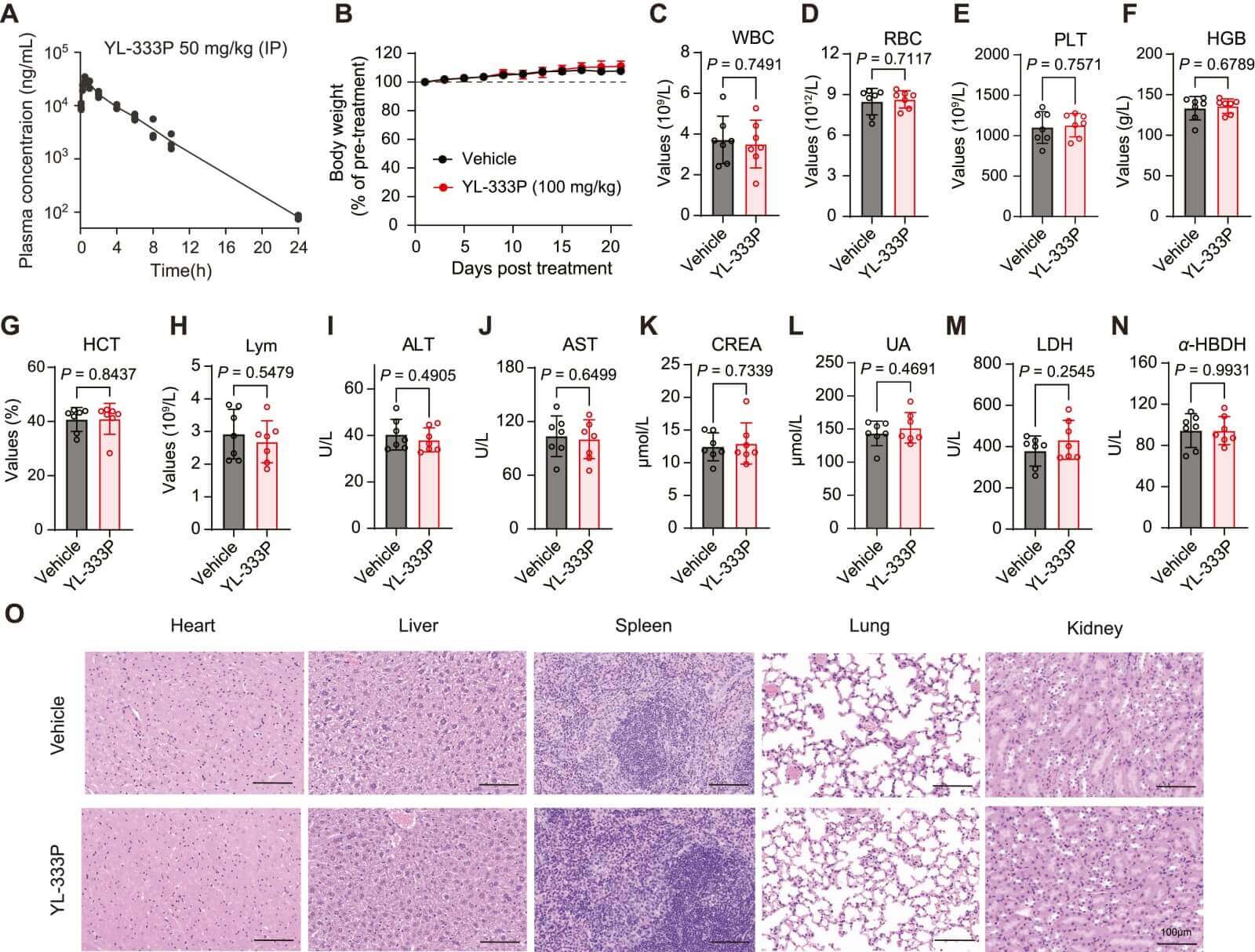 Fig.6 Pharmacokinetic properties and safety evaluation of YL-333P in vivo. (, et al., 2026)
In DIO mice treated for 19 days, daily YL-333P (50 mg/kg) reduced body weight by 16.65%, outperforming twice-weekly semaglutide (30 nmol/kg; 12.63%) while vehicle controls gained 7.25%. Food intake was suppressed in both active groups. Insulin tolerance tests (ITT) and glucose tolerance tests (GTT) showed enhanced insulin sensitivity and glucose clearance. Serum lipid levels (total cholesterol TC, low-density lipoprotein cholesterol LDL-C, and high-density lipoprotein cholesterol (HDL-C) decreased. Harvested tissue weights for brown adipose tissue (BAT), epididymal white adipose tissue (eWAT), inguinal white adipose tissue (iWAT), and liver were reduced, with histology confirming smaller adipocytes and resolved hepatic steatosis. YL-333P elevated hepatic mRNA and serum protein levels of GDF15 and FGF21 and increased thermogenic gene expression (Pgc1alpha/beta, Cpt1alpha/beta, Ucp1) in BAT and iWAT.
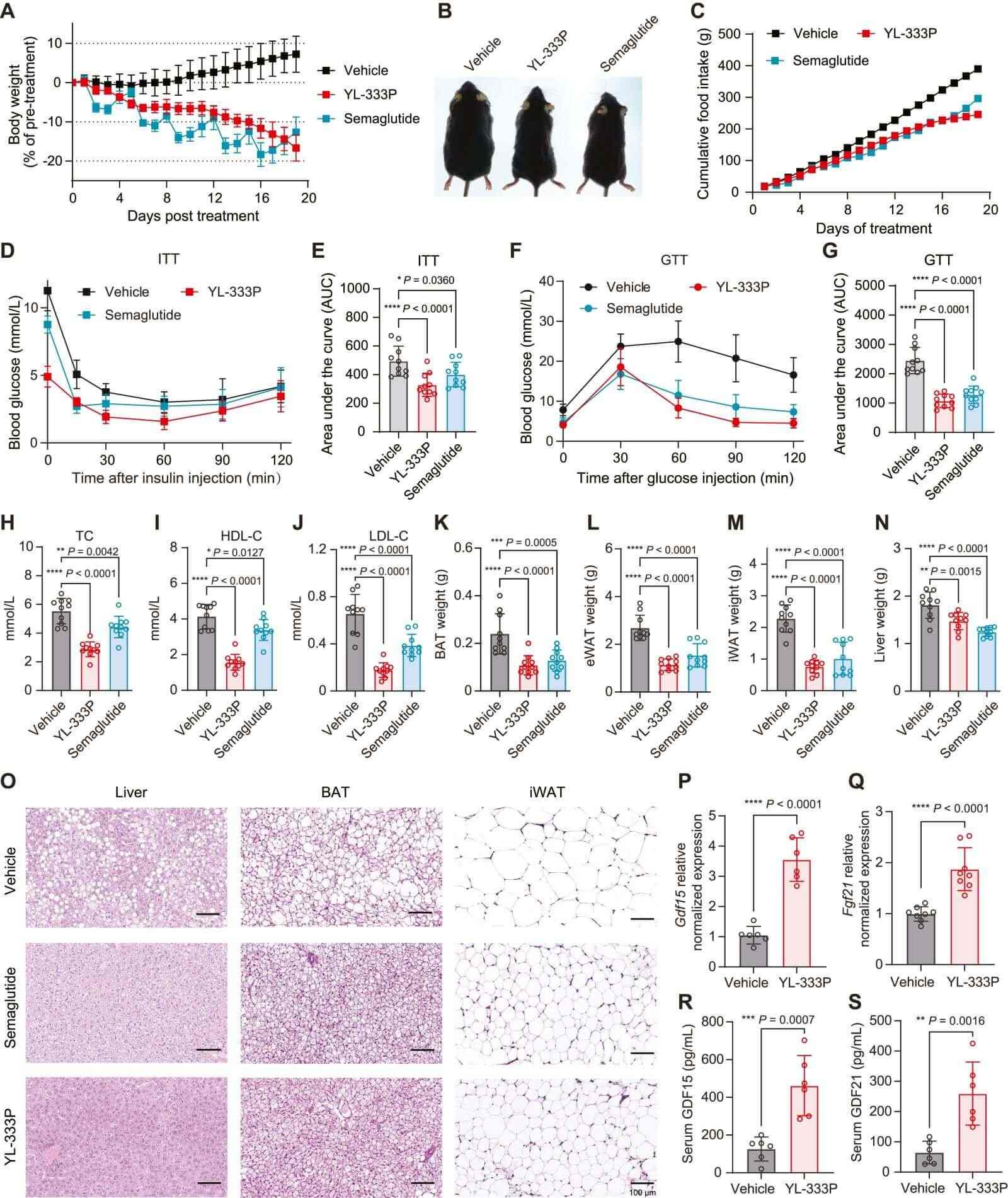 Fig.7 Anti-obesity efficacy and metabolic improvements induced by YL-333P in DIO mice. (Ye, et al., 2026)
Advancing studies in post-transcriptional gene regulation and metabolic therapeutics requires integrated strategies that connect target discovery, structural characterization, molecular optimization, and in vivo validation. Protheragen supports these efforts through a combination of High-throughput Screening Approaches, structural biology capabilities, and Pharmacological Evaluation workflows.
Key capabilities include X-ray crystallography for high-resolution protein–ligand complex analysis, biophysical assays such as isothermal titration calorimetry (ITC) and differential scanning fluorimetry (DSF) for characterizing molecular interactions and stability, as well as in vivo pharmacokinetic profiling and established diet-induced obesity (DIO) mouse models for translational assessment. Together, these approaches enable researchers to investigate target mechanisms, evaluate therapeutic candidates, and optimize novel metabolic drug development strategies.
This study establishes small-molecule CNOT6L inhibition as a viable dual-action strategy for chronic weight management. Rather than relying on unstable recombinant protein infusions or mono-targeted therapies, targeting CNOT6L concurrently elevates endogenous GDF15 to curb appetite and FGF21 to drive energy expenditure. Featuring nanomolar target potency, robust selectivity, detailed co-crystal structure validation, and superior in vivo weight reduction relative to semaglutide in diet-induced obese models, YL-333P serves as a powerful chemical lead for developing next-generation anti-obesity therapeutics.
Reference
December 3, 2025
December 8, 2025
June 22, 2026
Copyright © Protheragen. All rights reserved.