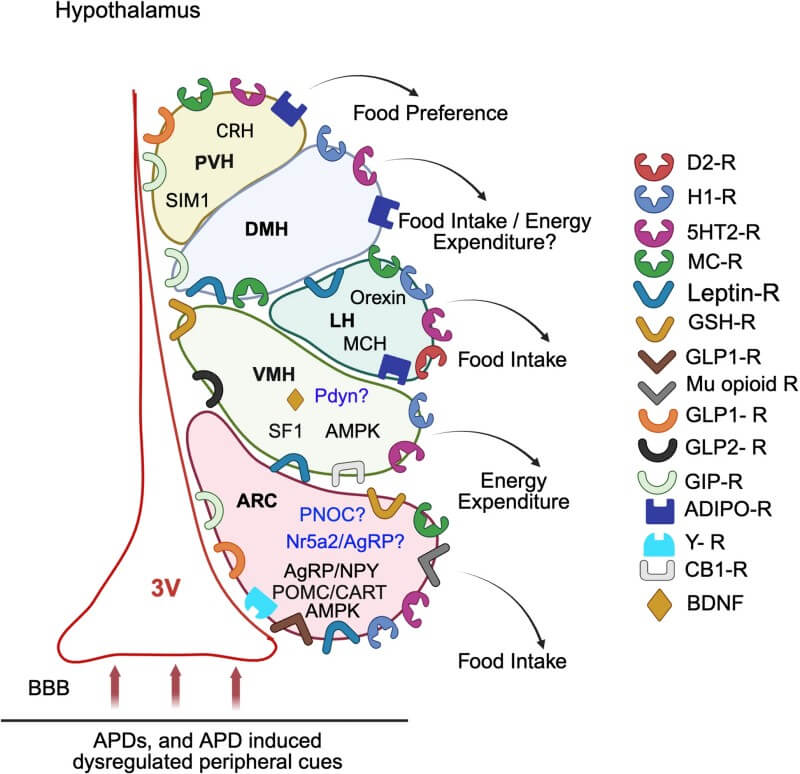
Rethinking Metabolic Safety: The Hypothalamus as a Critical Target for Preventing Antipsychotic-Induced Weight Gain
December 23, 2025

June 22, 2026
The complex biological systems governing human metabolism rely on the bidirectional gut-brain axis (GBA) to maintain energy homeostasis. A landmark 2026 narrative review, "The Gut-Brain Axis in Obesity: Mechanisms, Development, and Therapeutic Perspectives" in Current Obesity Reports, systematically details how obesity-associated microbial dysbiosis impairs this communication network. In obesity, excessive white adipose tissue (WAT) accumulation leads to dysfunctional cell enlargement, visceral depot inflammation, and systemic insulin resistance. Rather than a simple caloric imbalance, modern paradigms recognize obesity as a failure of the GBA, an intricate signaling network integrating the central nervous system (CNS), autonomic nervous system (ANS), enteric nervous system (ENS), and specialized enteroendocrine cells (EECs). By bridging the historical gap between isolated gut microbiota and central appetite research, this review outlines how correcting microbial dysbiosis can restore GBA signaling and treat obesity.
The review provides detailed, quantitative, and structural evidence demonstrating how obesity disrupts the physiological signaling of the GBA. These findings can be divided into several core physiological and therapeutic dimensions:
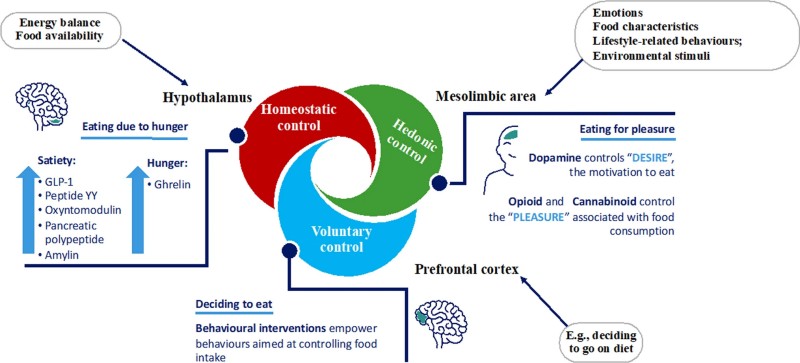
During digestion, intestinal EECs act as a sensory interface, releasing hunger-stimulating ghrelin or satiety hormones (GLP-1, CCK, PYY). These peripheral signals travel via vagal or humoral pathways to the brainstem NTS, which projects to the hypothalamic ARC, where appetite is balanced by competing orexigenic (NPY/AgRP) and anorexigenic (POMC/CART) neurons. In obesity, microbial dysbiosis depletes beneficial taxa like Akkermansia muciniphila and lowers short-chain fatty acids (SCFAs), impairing EEC G-protein coupled receptors (such as GPR41/GPR43) and downregulating GLP-1 and PYY to drive hyperphagia. Concurrently, a compromised gut barrier permits lipopolysaccharide (LPS) leakage into circulation. This metabolic endotoxemia activates the NF-κB pathway, elevating inflammatory cytokines (TNF-α and IL-1β) to induce hypothalamic neuroinflammation and blunt central satiety.
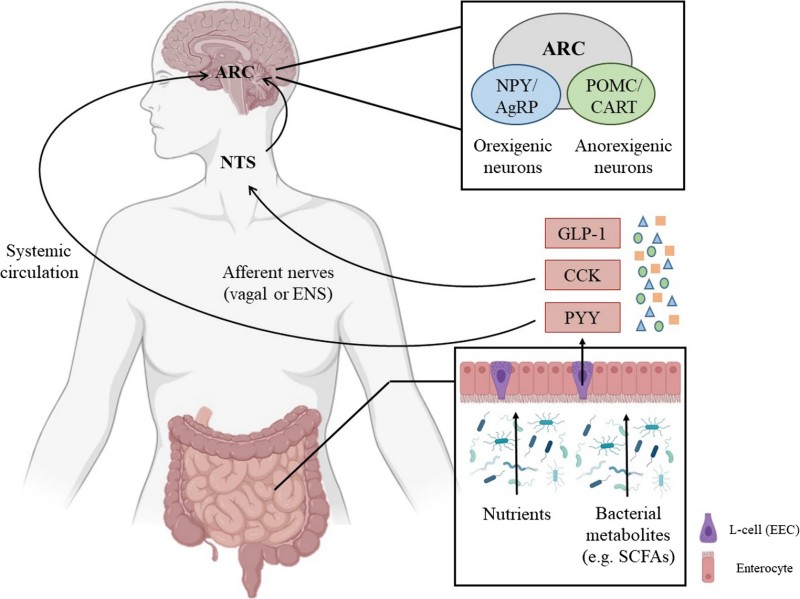 Fig.1 Gut-derived hormones and neural pathways coordinate communication between the intestine and brain to regulate appetite and energy balance. (Arellano-García, et al., 2026)
Clinical weight-loss strategies actively restore GBA signaling. Lifestyle modifications (caloric restriction, fast-mimicking regimens, and aerobic exercise) expand beneficial taxa like A. muciniphila and SCFA-producing families, elevating circular satiety signals while reducing inflammatory LPS. Anti-obesity drugs also remodel GBA pathways: the lipase inhibitor orlistat alters microbial profiles to suppress inflammatory cytokines, while GLP-1 receptor agonists (GLP-1RAs) enrich beneficial microbes to restore central satiety responses. Synergistic combination therapies (naltrexone/bupropion and phentermine/topiramate) expand targeted phyla like Bacteroidetes, stimulate hypothalamic POMC neurons, and promote sympathetic thermogenesis. Conversely, clinical disruptions from antibiotics or NSAIDs can severely impair these favorable microbial and neuroendocrine shifts.
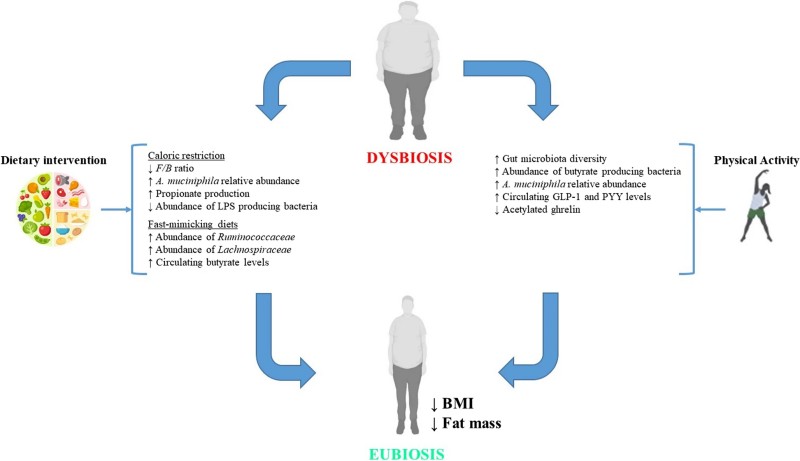 Fig.2 Lifestyle interventions reshape gut microbiota and gut-brain signaling pathways involved in obesity control. (Arellano-García, et al., 2026)
Bariatric surgery and biotherapeutics offer profound neuroendocrine resets. Surgery (sleeve gastrectomy or gastric bypass) yields a 25% to 35% BW reduction, elevating postprandial CCK, PYY, GLP-1, and oxyntomodulin. These hormones act via vagal and humoral pathways to activate the central melanocortin-4 receptor (MC4R) pathway, suppressing appetite and boosting BAT thermogenesis.
The clinical implications of this review are highly transformative, moving the scientific consensus away from a purely calorie-centric view of obesity toward a highly personalized, systems-biology approach. By demonstrating that the gut microbiota acts as a critical translator between our diet and our brain, these findings pave the way for next-generation, GBA-targeted therapeutics. Future drug development can look beyond synthetic hormone mimics to focus on specialized prebiotics, engineered probiotics, and postbiotic SCFA formulations designed to repair the gut mucosal barrier and suppress systemic neuroinflammation. Ultimately, this translational paradigm suggests that modifying the gut metagenome will become an indispensable component of successful, long-term weight management.
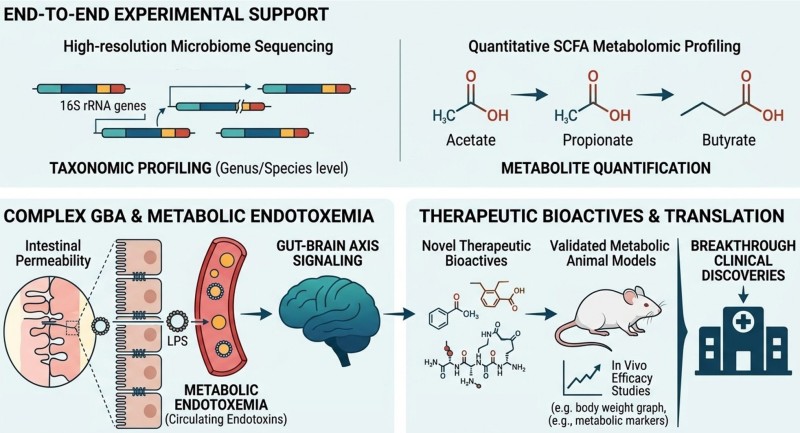
For researchers seeking to explore the complexities of the GBA, metabolic endotoxemia, or novel therapeutic bioactives, Protheragen provides end-to-end experimental support. We offer high-resolution microbiome sequencing, quantitative SCFA metabolomic profiling, and validated metabolic animal models to help you translate complex gut-brain interactions into breakthrough clinical discoveries.
Reference
Copyright © Protheragen. All rights reserved.