Products
Online Inquiry

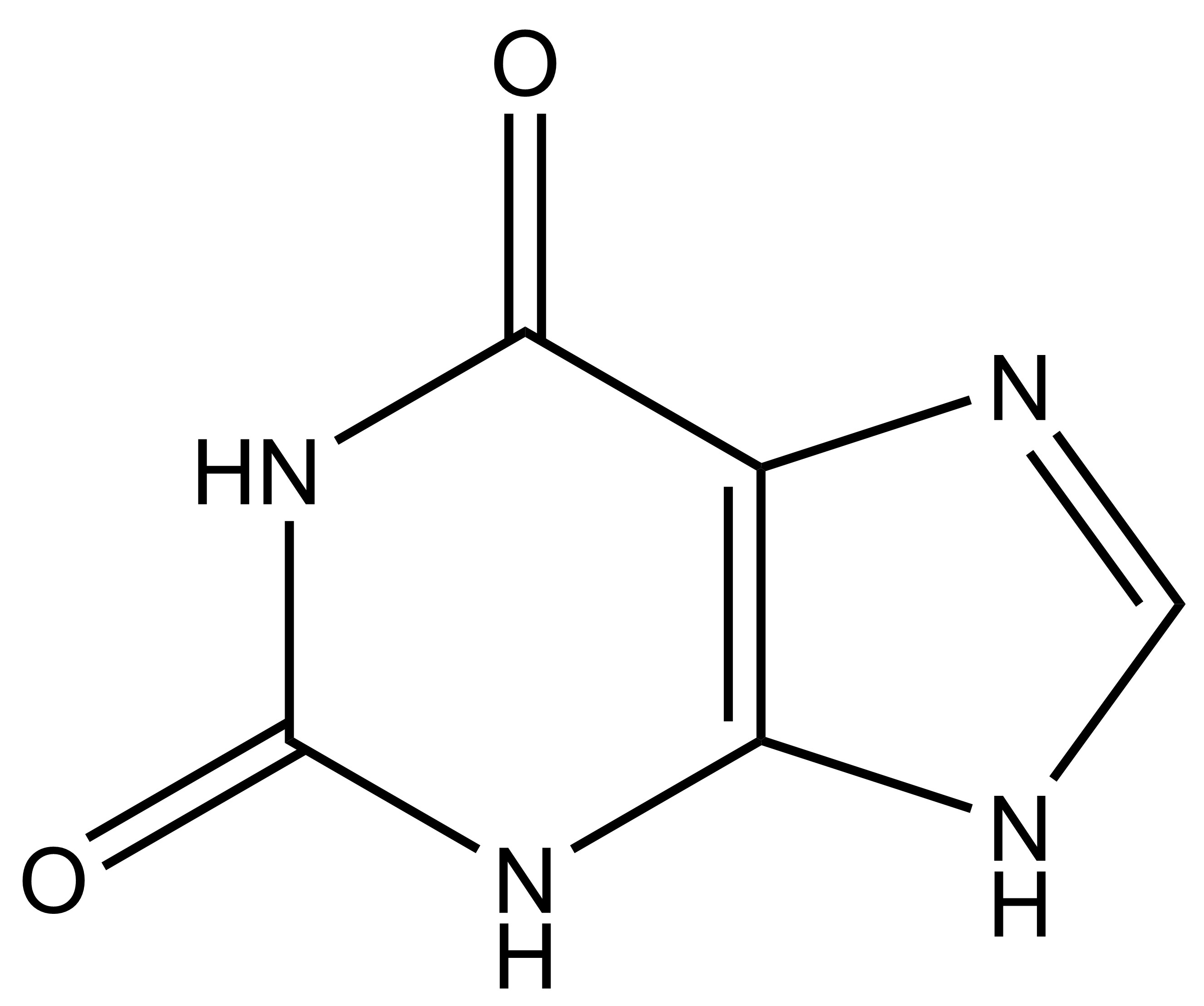
Xanthine
Cat. No.:
0225LY-0652
Appearance:
Solid
Purity:
≥99%
Identity:
Confirmed by NMR, and HPLC.
Size:
Add to basket
Product Overview
Description:
Xanthine is a purine degradation intermediate produced from guanine by cypin, which is eventually converted into uric acid by xanthine oxidase; found throughout body tissues, xanthines also function as adenosine receptor antagonists with selectivity influenced by alkyl group substitutions.
Synonym:
2,6-Dihydroxypurine; Isoxanthine; 69-89-6; 2,6-Dioxopurine; 1H-Purine-2,6(3H,7H)-dione; Xanthin; Xanthic oxide; Pseudoxanthine; Isoxanthine; 1H-Purine-2,6-diol; 9H-Purine-2,6-diol; Purine-2,6-diol; 1H-Purine-2,6-dione, 3,7-dihydro-; 3,7-Dihydro-1H-purine-2,6-dione; 3,7-dihydropurine-2,6-dione; 2,6(1,3)-Purinedion; 3,9-dihydro-1H-purine-2,6-dione; 2,6-Dioxo-1,2,3,6-tetrahydropurine; 1H-Purine-2,6-dione, 3,9-dihydro-; 9H-Purine-2,6-(1H,3H)-dione; Purine-2,6(1H,3H)-dione; Purine-2,6-(1H,3H)-dione
CAS No.:
69-89-6
Compound CID:
1188
Formula:
C5H4N4O2
Formula Weight:
152.11
Specification
Relative Density:
1.5452 g/cm3
Stability:
3 years in powder form.
Storage:
Storage at -20°C.
Applications:
Xanthine can be used in purine metabolism studies to explore its role as a precursor in the biosynthesis of uric acid.
Library Information
Target:
Adenosine receptor
Receptor:
Adenosine receptor
Pathways:
GPCR/G protein signaling; Neuronal signaling; Metabolism
Plate Number:
AOCL-9
Plate Location:
d8
Empty Location:
a1-h1; a12-h12
Container:
96-well plate
Formulation:
10mM DMSO
DMSO Max Solubility:
1.53 mg/mL; 10.06 mM
Water Max Solubility:
<1 mg/mL (insoluble or slightly soluble)
Ethanol Max Solubility:
<1 mg/mL (insoluble or slightly soluble)