

TCA Metabolite Profiling Service
InquiryThe tricarboxylic acid (TCA) cycle, or Krebs cycle, serves as the fundamental metabolic engine of the cell, dictating energy expenditure and carbon flux. In the context of obesity, the TCA cycle is often the site of significant metabolic "bottlenecks," where impaired mitochondrial oxidation leads to the accumulation of lipids and insulin resistance. For biopharmaceutical companies developing anti-obesity therapeutics—ranging from mitochondrial protonophores to GLP-1/GIP receptor agonists—understanding the precise impact of a drug candidate on these central pathways is critical.
Preclinical Research Precision TCA Metabolite Profiling: Accelerating Anti-Obesity Therapeutic Discovery
Protheragen provides a specialized TCA metabolite profiling service specifically optimized for preclinical anti-obesity research. By quantifying absolute concentrations of key intermediates, we help researchers decipher how novel compounds modulate energy homeostasis, increase thermogenesis, or resolve metabolic dysfunction in animal models and cell-based systems. Our service is designed to bridge the gap between phenotypic weight loss and mechanistic metabolic reprogramming.
Core Technologies
To achieve the sensitivity required for low-abundance mitochondrial metabolites, Protheragen utilizes a state-of-the-art analytical platform:
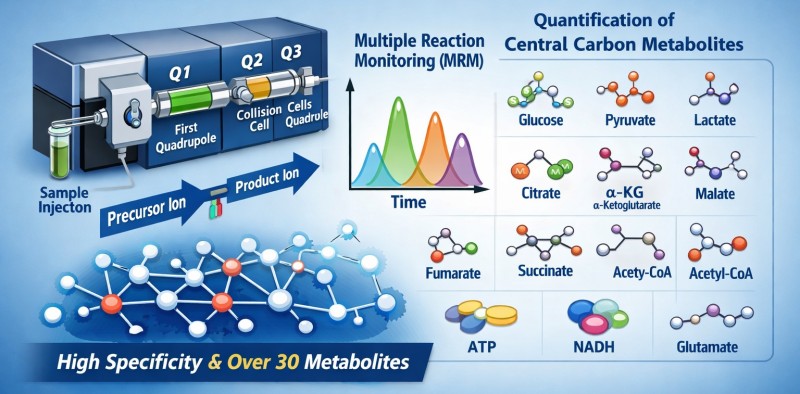
- Targeted Liquid Chromatography Tandem Mass Spectrometry (LC-MS/MS) Using Multiple Reaction Monitoring (MRM)
We employ triple quadrupole mass spectrometry in MRM mode—the "gold standard" for absolute quantification. This allows for the simultaneous detection of over 30 central carbon metabolites with exceptional specificity.
- Isotopic Internal Standards
Every assay incorporates stable isotope-labeled standards to correct for matrix effects and extraction recovery, ensuring the highest level of data accuracy.
- Optimized Extraction Protocols
We have proprietary tissue-specific extraction methods (for white/brown adipose tissue, liver, and skeletal muscle) that stabilize labile intermediates like succinyl-CoA and oxaloacetate, preventing degradation during processing.
- High-Resolution Peak Integration
Our computational pipeline ensures precise separation of structural isomers (e.g., citrate vs. isocitrate), which is essential for accurate pathway mapping.
Service Scope
Our panel provides a deep dive into central carbon metabolism and cellular bioenergetics, offering critical insights for research in obesity, diabetes, and other metabolic dysfunctions. Our coverage includes:
- Primary TCA Intermediates
Citrate, osocitrate, ɑ-ketoglutarate, succinate, fumarate, malate, and oxaloacetate.
- Energy Carriers
ATP, ADP, AMP (including calculation of adenylate energy charge), and NAD+/NADH ratios.
- Related Pathways
Glycolytic intermediates (pyruvate, lactate) and markers of fatty acid oxidation (acetyl-CoA, malonyl-CoA).
- Anaplerotic Substrates
Amino acids that feed into the TCA cycle, such as glutamate and aspartate.
Request a Full Metabolite List for Your Project.
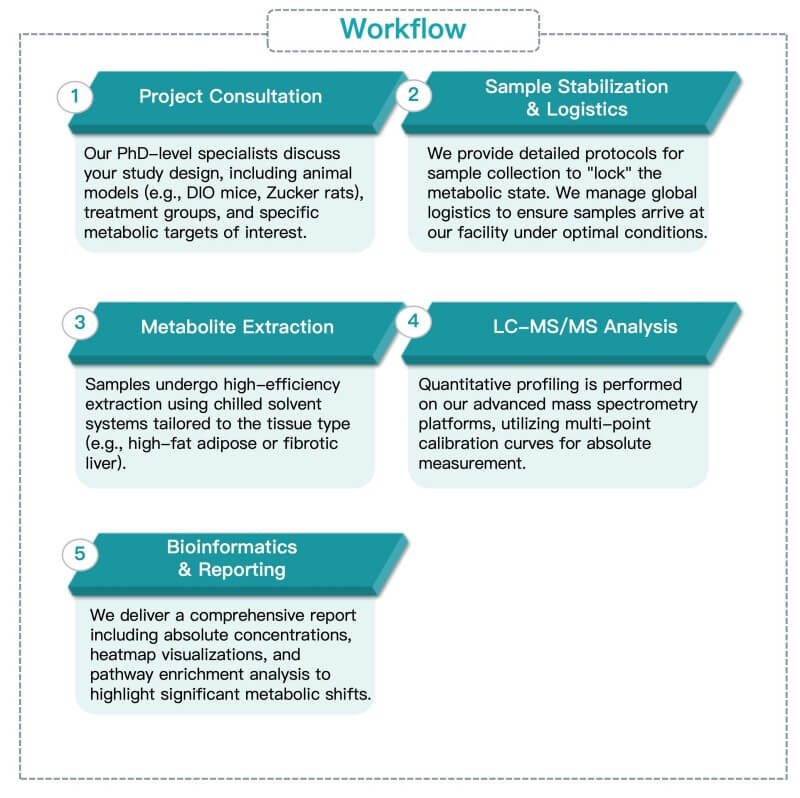
Workflow
Our streamlined preclinical workflow ensures rapid turnaround times while maintaining rigorous quality control:
Fields of Application
The global metabolic dysregulation characteristic of obesity creates a critical need for high-resolution tools that can map therapeutic impacts across diverse physiological compartments.
- Mitochondrial Uncouplers: Assessing the impact of protonophores (like TLC-6740 analogs) on TCA cycle acceleration and oxygen consumption.
- Incretin Mimetics: Evaluating how GLP-1/GIP Agonists alter systemic energy utilization in liver and muscle tissues.
- Thermogenic Agents: Quantifying the activation of mitochondrial pathways in brown adipose tissue (BAT) following treatment.
- MASH/NAFLD Research: Investigating the resolution of "metabolic gridlock" in hepatic tissues following drug intervention.
- Target Engagement: Using specific TCA intermediates as biomarkers to confirm the mechanism of action (MoA) of novel metabolic activators.
Inquire About Our TCA Profiling Solutions.
Advantages
Choosing Protheragen provides your preclinical program with several distinct advantages:
- Preclinical Specialization
Unlike clinical labs, our workflows are built for high-throughput animal studies, accommodating varied tissue types, including brown adipose tissue (BAT) and Liver.
- Absolute Quantification and Actionable Insights
We provide molar concentrations (nmol/mg), allowing for direct comparison across different cohorts and longitudinal studies. Beyond raw data, we provide expert biological interpretation of how your lead compounds modulate mitochondrial efficiency and metabolic carbon flux.
- High Sensitivity
Our platform detects subtle changes in metabolite levels that are often missed by untargeted discovery approaches, which is vital for evaluating low-dose therapeutic effects.
Publication Data
Title: Metabolomic Signatures for the Effects of Weight Loss Interventions on Severe Obesity in Children and Adolescents
Journal: Metabolites, 2022
DOI: https://doi.org/10.3390/metabo12010027
Summary: Childhood obesity has become a global public health crisis, with rapidly rising rates in countries like South Korea—where the childhood obesity rate surged from 8.4% in 2008 to 25% in 2018. Beyond physical health risks like metabolic syndrome and long-term cardiovascular diseases, obesity disrupts metabolic pathways in children and adolescents. A study published in Metabolites (2022) analyzed 40 obese children and adolescents from the ICAAN cohort, dividing them into intervention responders (n=20) and non-responders (n=20) based on BMI z-score changes over 18 months. Using capillary electrophoresis time-of-flight mass spectrometry (CE-TOFMS), researchers tracked 194 plasma metabolites at baseline, 6 months, and 18 months post-intervention. While metabolic differences between responders and non-responders were unclear, the study uncovered significant time-dependent metabolic shifts—regardless of intervention type or response—with 13 metabolites altered at 6 months and 49 at 18 months compared to baseline. Key metabolic pathways, including amino acid metabolism and the tricarboxylic acid (TCA) cycle, were profoundly modified, offering critical insights into how weight-loss interventions reshape the metabolome of obese youth. This research paves the way for metabolite-based biomarkers to monitor obesity treatment and develop personalized interventions for children.
Key Findings
- Time-Dependent Metabolic Shifts: Weight-loss interventions induced significant metabolite changes tied to duration, not just intervention response. 13 metabolites (e.g., asparagine, glutamine) were altered at 6 months, and 49 at 18 months post-intervention, with 12 metabolites (e.g., arginine, O-acetylcarnitine) showing consistent changes at both timepoints.
- Critical Pathway Modifications: After 18 months, five core metabolic pathways were significantly enriched: D-glutamine and D-glutamate metabolism, arginine biosynthesis, alanine/aspartate/glutamate metabolism, TCA cycle, and valine/leucine/isoleucine biosynthesis—all linked to energy regulation and inflammation.
- TCA Cycle and Anti-Inflammatory Effects: Interventions reduced levels of TCA cycle intermediates (e.g., succinate, isocitrate), which are linked to obesity-related inflammation, suggesting the interventions may mitigate inflammatory responses in obese youth.
- Amino Acid Metabolism Changes: Plasma glutamine (decreased in obese individuals) increased post-intervention, while glutamate (elevated in obesity) decreased—aligning with insulin sensitivity improvements and supporting metabolic health.
- Metabolite Biomarker Potential: The consistent metabolic shifts (independent of intervention response) highlight metabolites as promising tools to monitor long-term obesity treatment efficacy and identify "metabolically healthy obesity" phenotypes in children.
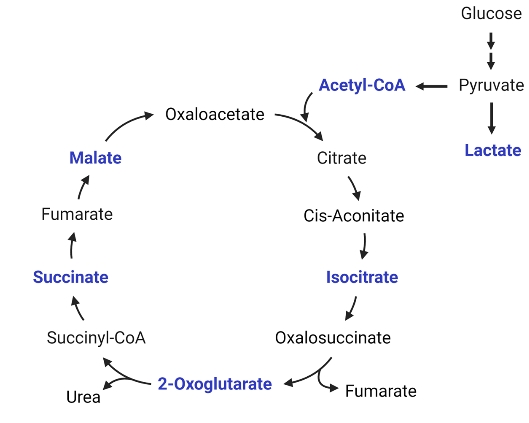 Fig.1 TCA cycle metabolite shifts induced by weight-loss interventions in obese children—key insights from TCA metabolite profiling. (Sohn, et al., 2025)
Customer Review
Validating Mechanism of Action for Mitochondrial Uncouplers
"Working with Protheragen significantly accelerated our MoA studies for our lead mitochondrial activator. Their ability to provide absolute quantification of TCA intermediates in brown fat allowed us to definitively prove increased thermogenic flux. The data quality was exceptional, and the PhD-level support made a huge difference in how we interpreted the results."
Dr. S. Y., Obesity Drug Discovery Firm
Resolving Metabolic Bottlenecks in Hepatic and Muscle Tissue
"Protheragen provided the metabolic granularity we needed to differentiate our dual-agonist from standard treatments. Their targeted approach for liver tissue samples showed clear resolution of mitochondrial stress that we simply couldn't see with our in-house assays. We look forward to our next collaboration on our skeletal muscle program."
Dr. S. E., Biopharma Startup
Frequently Asked Questions
-
Why should I measure glucose flux instead of just checking blood sugar?
Blood sugar is a static pool. A normal blood sugar level could hide a state where both production and uptake are pathologically high. Flux analysis reveals the underlying dynamics that a single blood test misses.
-
Why is targeted TCA profiling better than untargeted metabolomics for obesity research?
Targeted profiling at Protheragen offers absolute quantification and higher sensitivity. In obesity, high lipid concentrations can "mask" low-abundance TCA intermediates in untargeted runs; our targeted MRM approach bypasses this interference.
-
Which animal models are compatible with your service?
We routinely process samples from DIO (diet-induced obesity) mice, db/db mice, ob/ob mice, various rat models, etc. We also support in vitro cell culture models (e.g., 3T3-L1 adipocytes).
-
How much tissue is required for a complete TCA panel?
We generally require 30-50 mg of tissue or 50-100 μL of plasma/serum. For specific cell populations, please contact us for minimum requirements.
-
Can you detect the difference between citrate and isocitrate?
Yes. Our chromatographic methods are optimized to achieve baseline separation of these isomers, which is critical for calculating the isocitrate/citrate ratio—a key marker of mitochondrial health.
-
How do you ensure the stability of unstable CoA esters?
We utilize specialized quenching and acidic extraction buffers designed specifically to preserve acetyl-CoA and succinyl-CoA, which are otherwise highly prone to hydrolysis.
-
Can I customize the metabolite panel?
Absolutely. While we have a standard TCA panel, we can add related metabolites such as ketone bodies or specific amino acids to suit your research goals.
-
What is the typical turnaround time?
From the receipt of samples, standard projects are typically completed within 3-4 weeks, including data analysis and reporting.
Contact Us
Protheragen is committed to providing the high-resolution metabolic insights necessary to combat the global obesity epidemic. Our TCA metabolite profiling service offers the precision, sensitivity, and expertise required for successful preclinical drug development.
Contact Protheragen for More Information and to Discuss Your Project
Reference
- Sohn, M.J.; et al. Metabolomic Signatures for the Effects of Weight Loss Interventions on Severe Obesity in Children and Adolescents. Metabolites. 2022, 12(1): 27. (CC BY 4.0)
All of our services and products are intended for preclinical research use only and cannot be used to diagnose, treat or manage patients.