
Anti-Obesity Therapeutic Hepatotoxicity Study Service
InquiryThe rapid evolution of anti-obesity medications, particularly GLP-1 receptor agonists and dual/triple incretin mimetics, has revolutionized metabolic medicine. However, the liver remains the primary site for metabolic processing and is frequently the target of drug-induced liver injury (DILI).
Hepatotoxicity Study Service for Anti-Obesity Therapeutics
At Protheragen, we recognize that anti-obesity candidates often interact with complex metabolic pathways in patients who may already harbor non-alcoholic fatty liver disease (NAFLD) or metabolic dysfunction-associated steatotic liver disease (MASLD). This underlying pathology significantly alters drug metabolism and increases the risk of hepatotoxicity. Our anti-obesity therapeutic hepatotoxicity study platform is designed to identify these risks during the preclinical phase, ensuring that only the safest compounds transition into clinical development.
Core Technologies
To provide a comprehensive safety profile, Protheragen utilizes a multi-parametric approach that transcends traditional histopathology.
- 3D Spheroid Liver Models
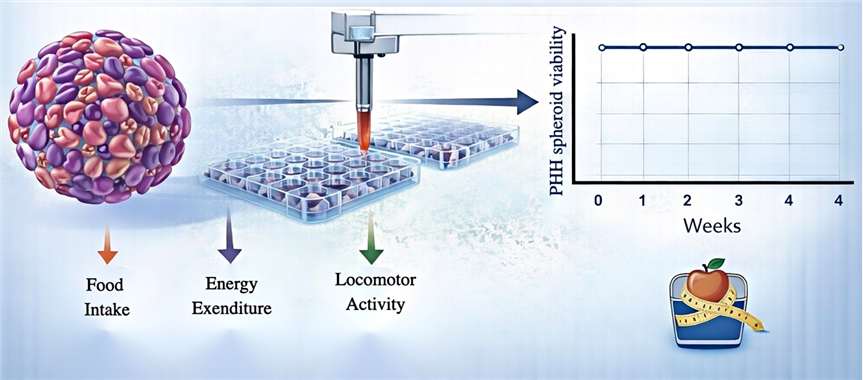
We utilize primary human hepatocyte (PHH) spheroids that maintain metabolic activity and physiological relevance for up to four weeks, allowing for chronic exposure studies that mimic long-term obesity treatment.
- High-Content Imaging (HCI)
This technology enables the simultaneous assessment of mitochondrial membrane potential, oxidative stress, and lipid accumulation (steatosis) at the cellular level.
- Metabolic Flux Analysis
We track how anti-obesity compounds influence hepatic glucose and lipid metabolism, ensuring that weight-loss efficacy does not come at the cost of hepatic metabolic derangement.
- Transcriptomic Profiling
Our platform employs RNA-seq to identify early biomarkers of hepatotoxicity and activation of pro-inflammatory or pro-fibrotic pathways before physical damage is visible.
Solution Scope
Protheragen offers an extensive range of assessments tailored for the metabolic therapeutic landscape:
- Acute and Chronic Hepatotoxicity
Evaluation of dose-dependent liver injury over extended periods.
- Steatosis and Steatohepatitis Modulation
Determining if a compound exacerbates or alleviates fat accumulation and inflammation (NASH/MASH).
- Biliary Clearance & Cholestasis Risk
Assessing the impact on bile acid transporters and the risk of intrahepatic cholestasis.
- Mitochondrial Toxicity
Deep-dive analysis into the respiratory chain function and ATP production within hepatocytes.
- Enzyme Induction/Inhibition
Evaluating CYP450 Interactions to predict potential Drug-Drug Interactions in polypharmacy environments.
Schedule a Discussion Meeting with Our Scientific Team
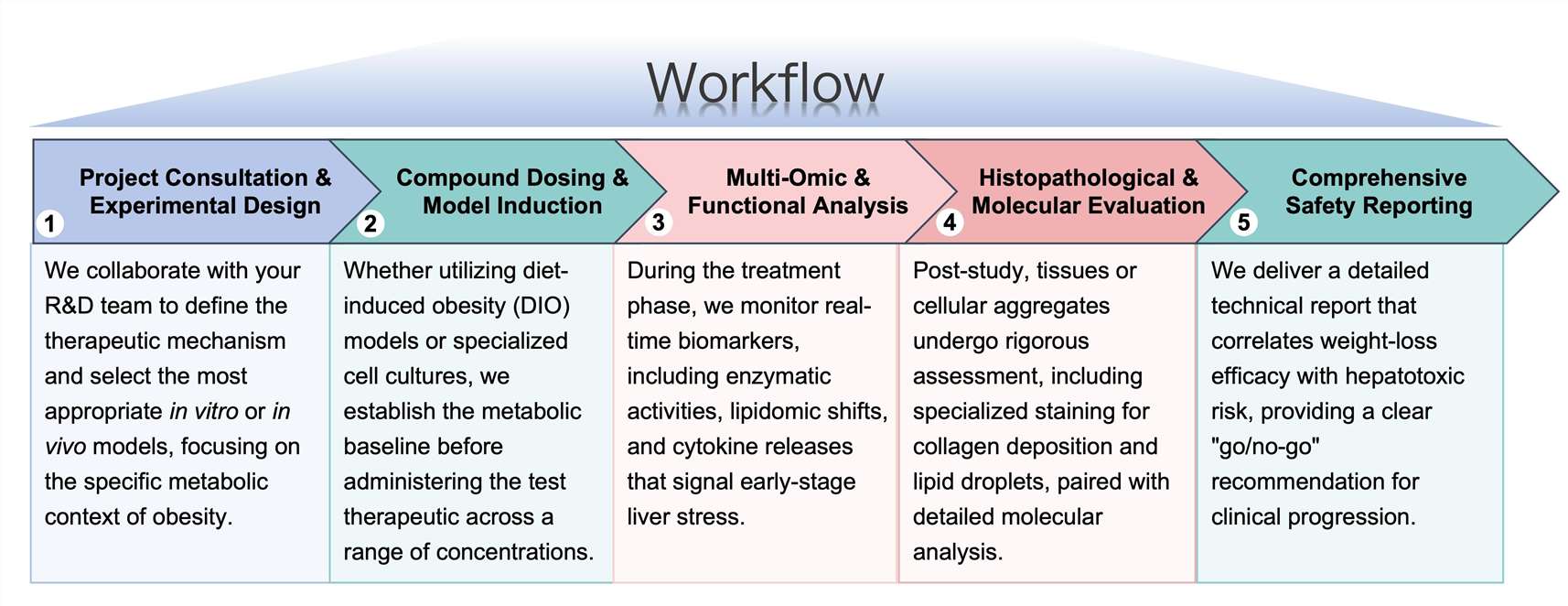
Workflow
Our streamlined service process is designed to provide rapid, actionable data while maintaining the highest standards of scientific rigor.
Fields of Application
Our hepatotoxicity studies are essential for various stages of drug discovery and classes of therapeutics:
- Incretin Mimetics: Safety screening for GLP-1, GIP, and Glucagon Receptor Agonists.
- Small Molecule Metabolic Modulators: Assessing the safety of mitochondrial uncouplers or lipase inhibitors.
- Gene Therapies: Evaluating liver-targeted delivery systems for metabolic regulation.
- Nutraceuticals: Screening high-potency natural extracts intended for weight management.
Advantages
Partnering with Protheragen provides your drug development program with unparalleled safety insights. Our specialized focus on the intersection of obesity and liver health allows us to identify toxicities that traditional screening methods often miss.
Predictive Accuracy
Our models demonstrate a high correlation with human clinical outcomes, particularly in identifying idiosyncratic DILI.
Proprietary Disease Models
We use "Double-Hit" models that simulate both obesity and a secondary metabolic stressor, providing a more realistic environment for safety testing.
Expert Interpretation
Our senior biologists provide more than just data; we provide biological context, helping you understand the mechanism of toxicity to guide medicinal chemistry optimizations.
Published Data
Internal validation studies using reference compounds have shown that our 3D platform identifies 35% more hepatotoxic signatures compared to standard 2D cultures.
Inquire Today to Receive a Customized Study Proposal Tailored to Your Lead Candidate.
Publication Data
Title: Hepatotoxicity Associated with Use of the Weight Loss Supplement Garcinia cambogia: A Case Report and Review of the Literature
Journal: Case Reports in Hepatology, 2018
DOI: https://doi.org/10.1155/2018/6483605
Summary: Garcinia cambogia (GC), a tropical fruit extract rich in hydroxycitric acid (HCA), is widely used in weight loss dietary supplements due to its purported fat-burning and appetite-suppressing effects. However, this "natural" supplement is linked to significant hepatotoxicity, as highlighted by clinical cases and research. Unlike pharmaceuticals, dietary supplements (DS) lack strict regulation and established safe dosing guidelines, leading many consumers to underestimate their risks. A 36-year-old female case—presenting with acute hepatitis, jaundice, and severely elevated liver enzymes after 4 weeks of GC use—illustrates this danger; her recovery post-supplement discontinuation confirms GC as the probable cause. Literature reviews show multiple similar cases, with 24% of reported patients requiring liver transplants. While GC may offer short-term weight loss, long-term efficacy is unproven, and its potential to induce oxidative stress, inflammation, and liver fibrosis (supported by animal studies) underscores the need for caution. This article empowers readers to make informed choices by exposing the hidden liver risks of GC supplements and emphasizing the importance of medical consultation before using weight loss DS.
Key Findings
- GC's Hidden Risk: GC supplements, popular for weight loss, are associated with acute hepatitis, liver enzyme spikes, and even life-threatening liver failure requiring transplantation.
- Lack of Regulation = Consumer Danger: U.S. dietary supplements (including GC) are not rigorously tested for safety/efficacy, with no standardized dosing guidelines.
- Clinical Proof of Hepatotoxicity: A 36-year-old patient developed severe liver injury (AST: 5340 U/L, ALT: 5615 U/L) after 4 weeks of GC use; liver function normalized only after discontinuing the supplement.
- Widespread Case Evidence: Over 20 published cases link GC to hepatotoxicity, with 24% of patients needing liver transplants; common symptoms include nausea, jaundice, abdominal pain, and fatigue.
- Mixed Efficacy for Weight Loss: While GC/HCA may cause short-term weight loss, long-term effectiveness is unproven—some randomized trials show no significant fat loss vs. placebos.
- Mechanisms of Liver Damage: Animal studies confirm GC induces oxidative stress, inflammation, and hepatic fibrosis, though HCA's purity/extraction process may influence toxicity.
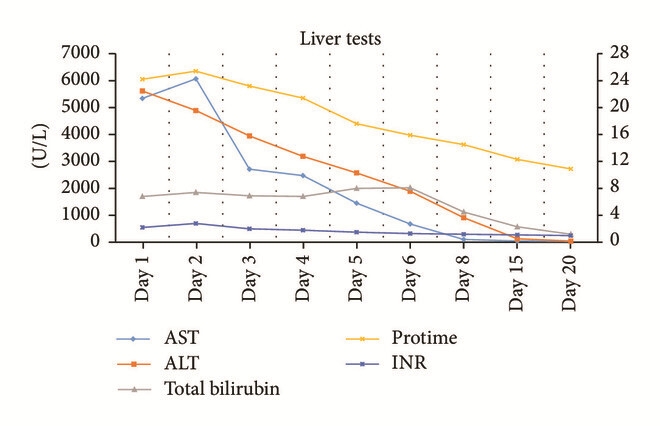 Fig.1 Changes in liver tests during hospitalization from admission at day 1 to day 20. (Kothadia, et al., 2018)
Customer Review
Validation of Safety for Late-Stage Metabolic Leads
"The team at Protheragen provided a level of insight we couldn't find elsewhere. When our lead anti-obesity candidate showed ambiguous liver enzyme elevations, their 3D spheroid assays helped us confirm it was a transient metabolic shift rather than true DILI. This saved our program months of delay."
Director of Toxicology, Mid-sized Biotech
Exceptional Expertise in Complex MASH/MASLD Environments
"We have collaborated with various research partners, but the specialized insights provided by Protheragen regarding metabolic liver pathology are truly distinctive. Their findings were essential in validating our therapeutic approach and clarifying complex safety profiles. We are eager to continue leveraging their advanced platform for our upcoming multi-agonist development programs."
Head of Preclinical Development, Global Pharma
Frequently Asked Questions
-
Why is TK specifically important for anti-obesity drugs?
Anti-obesity drugs often require chronic dosing. TK studies identify if the drug accumulates over time, which is critical for preventing long-term toxicity.
-
Why is hepatotoxicity testing different for anti-obesity drugs?
Patients with obesity often have fatty liver disease, which changes how the liver processes drugs. We use models that reflect this compromised state to ensure safety.
-
Can you distinguish between liver injury and beneficial lipid mobilization?
Yes, our metabolic flux and imaging tools can differentiate between toxic lipid accumulation and the healthy "transit" of lipids being cleared from the liver.
-
What is the typical turnaround time?
Standard hepatotoxicity screens typically take 6–8 weeks, depending on the complexity of the model.
-
Can your platform handle peptide-based therapeutics?
Absolutely. We have specific protocols to maintain the stability and evaluate the local hepatic impact of therapeutic peptides.
-
How do you assess the risk of fibrosis?
We utilize TGF-β signaling assays and Sirius Red staining in our long-term 3D cultures to monitor for pro-fibrotic transitions.
-
Are your models based on human or animal cells?
We offer both, though we highly recommend our primary human hepatocyte (PHH) models for the best clinical predictability.
-
Can you help us optimize our compound to reduce toxicity?
By identifying the specific pathway of injury (e.g., oxidative stress vs. mitochondrial failure), we provide data that your chemists can use for structural optimization.
-
Do you look at inflammatory markers?
Yes, we include a panel of pro-inflammatory cytokines (IL-6, TNF-α) to assess the risk of steatohepatitis.
How to Contact Us
Protheragen is dedicated to ensuring that the next generation of anti-obesity therapies is both effective and safe for the liver. Our advanced preclinical platforms provide the clarity needed to navigate the complex landscape of metabolic drug development.
Contact Protheragen for More Information and to Discuss Your Project
Reference
- Kothadia, J. P.; et al. Hepatotoxicity Associated with Use of the Weight Loss Supplement Garcinia cambogia: A Case Report and Review of the Literature. Case Reports in Hepatology. 2018, 2018, 1–5. (CC BY 4.0)
All of our services and products are intended for preclinical research use only and cannot be used to diagnose, treat or manage patients.