

Anti-Obesity Drug Metabolite Study Service
InquiryAnti-obesity drug development has accelerated, with pipelines spanning gut–brain hormone mimetics, small-molecule metabolic modulators, and novel adipose-targeted agents. At the same time, safety setbacks and regulatory scrutiny have highlighted a recurring theme: insufficient understanding of how these compounds are metabolized in preclinical systems before moving forward. Published data show that even small structural changes in anti-obesity agents can generate complex metabolite patterns that strongly influence efficacy, toxicity, and detectability.
Anti-Obesity Drug Metabolic Pathway Analysis
The anti-obesity drug metabolite study service at Protheragen focuses on mapping and interpreting the metabolic fate of anti-obesity candidates in vitro and in vivo (non-clinical), helping sponsors:
- Characterize primary and secondary metabolites in relevant species
- Understand enzyme pathways and potential reactive or toxic metabolites
- Compare metabolic profiles across scaffolds, analogues, and formulations
By integrating advanced liquid chromatography-mass spectrometry (LC-MS) platforms with deep obesity biology expertise, Protheragen turns raw MS data into clear, decision-ready insight on how anti-obesity compounds are processed by the body in preclinical models—long before any human exposure is considered.
Core Technologies for Drug Metabolite Study in Obesity
At the heart of our service is a suite of cutting-edge technologies engineered to uncover how anti-obesity candidates absorb, distribute, and perform under real-world physiological conditions.
- High-Resolution LC–MS / LC–MS/MS Metabolite Profiling
Published data on sibutramine analogues demonstrate how high-resolution liquid chromatography coupled with quadrupole–time-of-flight mass spectrometry (LC–QTOF–MS/MS) can resolve dozens of metabolites from In Vitro and In Vivo Models, including hydroxylation, N-dealkylation, and other biotransformations. Building on this paradigm, Protheragen offers:
- High-resolution LC–MS/MS (QTOF and Orbitrap-class systems) for accurate mass determination
- Targeted and untargeted metabolite scanning to capture both expected and novel biotransformations
- MS/MS fragmentation pattern analysis to propose metabolite structures with high confidence
These capabilities are especially valuable for analog series, illegal or grey-market variants, and new scaffolds where metabolic liabilities may be hidden in minor but highly reactive species.
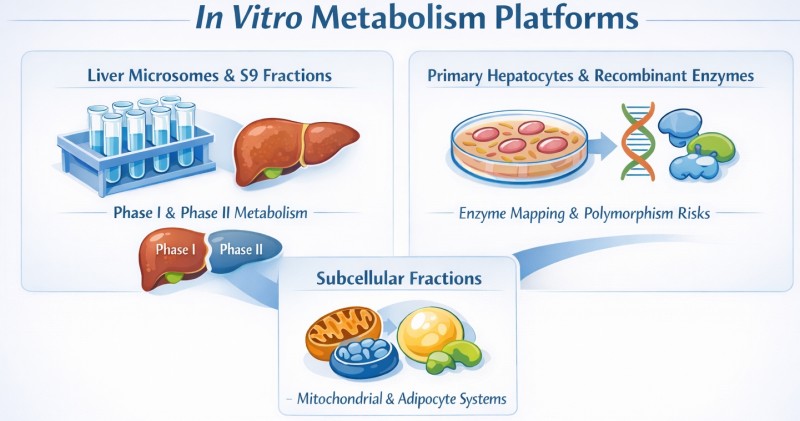
- In Vitro Metabolism Platforms
To dissect metabolic pathways before any in vivo work, we employ:
- Human and preclinical species liver microsomes and S9 fractions for phase I and phase II metabolism
- Primary hepatocytes and recombinant enzymes to map enzyme contributions and potential polymorphism-related risks
- Subcellular fractions tailored to specific mechanisms (e.g., mitochondrial involvement in adipocyte-targeted agents)
Metabolism data from these systems are integrated with structural alerts to highlight potential safety flags early.
- Non-Clinical In Vivo Metabolite Mapping
Published data in animal models show that anti-obesity drug metabolites detected in urine and feces can differ markedly from in vitro predictions, underlining the need for integrated non-clinical assessment. Protheragen supports:
- Rodent and other non-clinical species matrices (plasma, urine, feces, tissues)
- Time-course profiling to follow metabolite appearance and clearance
- Organ- and adipose-focused panels where adipose tissue effects are mechanistically relevant
All studies are strictly non-clinical, designed to refine candidate selection, not to evaluate patient treatment.
- In Silico Metabolism & Pathway Prediction
To guide experimental design and reduce iteration:
- Metabolism prediction for oxidative, reductive, and conjugative routes
- Reactive metabolite risk assessment based on structural motifs
- Digital comparison of analogue series to prioritize synthesis and testing
This combination of in silico and wet-lab capabilities allows sponsors to focus resources on the most promising and safest candidate profiles.
Schedule a technical consultation with Protheragen's metabolite scientists.
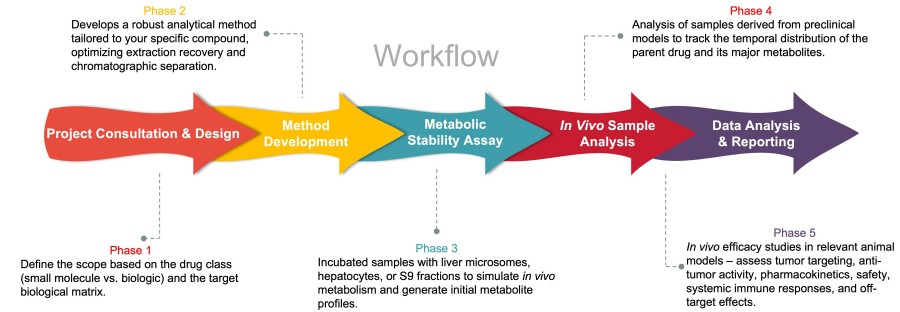
Workflow
The anti-obesity drug metabolite study service follows a structured yet flexible workflow designed to answer your mechanistic questions efficiently while remaining fully preclinical.
Fields of Application
Protheragen's anti-obesity drug metabolite study service supports a wide range of research and development scenarios:
- First-in-Class Mechanism Exploration
For novel targets (e.g., newly described hormones, transporters, or central circuits), metabolite mapping helps:
-De-risk unexpected biotransformations
-Identify candidate-specific liabilities before scale-up
-Provide mechanistic insight that feeds back into target validation
- Next-Generation Gut–Hormone and Poly-Agonist Programs
Modern anti-obesity strategies increasingly rely on complex peptide and small-molecule agonists with multi-receptor activity. For these programs, we:
-Evaluate whether metabolic pathways differ between analogues in the same class
-Identify metabolites that may contribute to efficacy or off-target effects
-Compare formulations to see how they reshape metabolite exposure over time
- Adipose-Targeted and Metabolic Activators
Published data on agents that activate fat oxidation without suppressing appetite underline the importance of understanding local metabolism in adipose depots. Our services support:
-Mapping of adipose and organ-specific metabolites in non-clinical systems
-Integration with tissue distribution and bioavailability studies (preclinical)
-Mechanistic correlation between metabolite profiles and observed metabolic changes
- Metabolic Syndrome and Obesity-Related Comorbidity Models
Preclinical models of metabolic syndrome, dyslipidemia, and glucose dysregulation generate a context where metabolite patterns can change substantially. Published data indicate that endocrine and inflammatory milieus strongly shape metabolic fate. We help:
-Compare metabolism in lean vs disease-model animals
-Investigate whether pathological states shift metabolite ratios or routes
-Interpret these shifts in terms of safety margins and mechanistic hypotheses
- Illegal Analogues and Grey-Market Products
The appearance of unapproved anti-obesity analogues in consumer products has been documented in multiple jurisdictions. Our non-clinical metabolite profiling helps:
-Characterize the metabolic behavior of suspect compounds in laboratory systems
-Support internal risk assessments and surveillance programs
-Inform future structure-based design of safer and better-controlled therapies
Advantages
Deep Integration of Obesity Biology and Metabolite Science
Comprehensive reviews of anti-obesity drug discovery consistently emphasize that earlier generations failed primarily due to safety issues and an incomplete understanding of the mechanistic landscape. Protheragen brings together:
- Therapeutic-area specialists with a strong focus on energy balance, adipose biology, and gut–brain signaling.
- Experienced DMPK and bioanalytical scientists who routinely handle complex small molecules and peptide-like structures.
- Advanced LC–MS infrastructure optimized for both discovery-stage and metabolite characterization.
Evidence-Driven Study Design
We draw extensively on published data that demonstrate:
- The complexity of metabolite networks for sibutramine-like analogues in liver microsomes and animal models.
- The role of adipose tissue dysfunction and inflammatory mediators in metabolic deterioration, emphasizing the need to monitor tissue-level exposure and metabolites.
- The emergence of non-appetite-suppressing anti-obesity agents that act directly on adipose tissue metabolism.
- This literature-driven approach allows us to tailor workflows to your mechanism rather than applying generic DMPK templates.
Flexible Engagement Models
- Standalone metabolite ID projects for a single candidate
- Series-level programs that systematically compare multiple analogues
- Integrated packages combining metabolism with bioavailability or tissue distribution studies (all preclinical)
- Rapid “forensic-style” characterization of suspect or illegal analogues involved in safety investigations
Published Data–Backed Success
Where permitted, sponsors have used Protheragen's metabolite reports to:
- Down-select leads with simpler, safer metabolite patterns
- Justify species choices in non-clinical toxicology packages
- Guide medicinal chemistry optimization toward metabolically stable yet efficacious profiles
These outcomes are underpinned by published data and internal case experience, giving your project scientific depth.
Contact Protheragen for a customized Anti-Obesity Drug Metabolite Study proposal.
Associated ServicesTo fully support Preclinical Anti-Obesity Drug Development, Protheragen offers a portfolio of complementary services that integrate seamlessly with metabolite studies:
- Anti-Obesity Drug Bioavailability Study Service
- Oral, transdermal, and parenteral bioavailability assessment in non-clinical models
- Integration with metabolite data to relate exposure profiles to metabolic patterns
- Anti-Obesity Drug Tissue Distribution Study Service
- Organ and adipose tissue distribution profiling
- Combined analysis of parent and key metabolites to understand local exposure
- Mechanism-Oriented DMPK and PK/PD Modeling
- Linking preclinical pharmacokinetics with metabolic pathways
- Supporting dose selection and exposure targets for internal research phases
- Impurity and Illegal Analogue Characterization
- Metabolite-focused impurity profiling for development batches
- Forensic-style analysis of suspect anti-obesity compounds in controlled lab systems
Publication Data
Title: Anti-Obesity Mechanisms and Delivery Strategies of Polyphenols: Insights from Preclinical and Clinical Research
Journal: Frontiers in Nutrition, 2024
DOI: https://doi.org/10.3389/fnut.2024.1393575
Summary: This article comprehensively reviews the anti-obesity potential of four representative polyphenols (curcumin, ellagic acid, ferulic acid, and quercetin), focusing on their molecular mechanisms (e.g., promoting adipocyte browning, inhibiting fat formation, regulating metabolism) and key signaling pathways (PPARγ, AMPK, PI3K/AKT, etc.). It highlights the core limitation of poor bioavailability (low solubility, rapid metabolism, limited absorption) that restricts clinical application, and outlines advanced strategies—such as nanocarriers, chemical modification, and synergistic formulations—to overcome these barriers.
Key Findings
- Anti-Obesity Mechanisms: Polyphenols exert anti-obesity effects through multiple pathways, including enhancing thermogenesis (inducing WAT browning, activating BAT), inhibiting adipocyte differentiation (regulating Rb, P38 MAPK, Wnt pathways), improving insulin sensitivity, alleviating inflammation, and modulating gut microbiota.
- Bioavailability Barriers: Most polyphenols suffer from low water solubility, chemical instability, rapid hepatic metabolism, and poor intestinal absorption, leading to insufficient systemic exposure and reduced therapeutic efficacy.
- Advanced Delivery Solutions: Nanocarriers (lipid-based nanoparticles, polymeric nanoparticles, micelles), chemical structure modification, and synergistic combinations (e.g., piperine with curcumin) effectively improve solubility, stability, and targeted delivery.
- Preclinical Efficacy: In animal models, optimized polyphenol formulations show enhanced weight loss, reduced visceral fat accumulation, and improved metabolic parameters compared to free polyphenols.
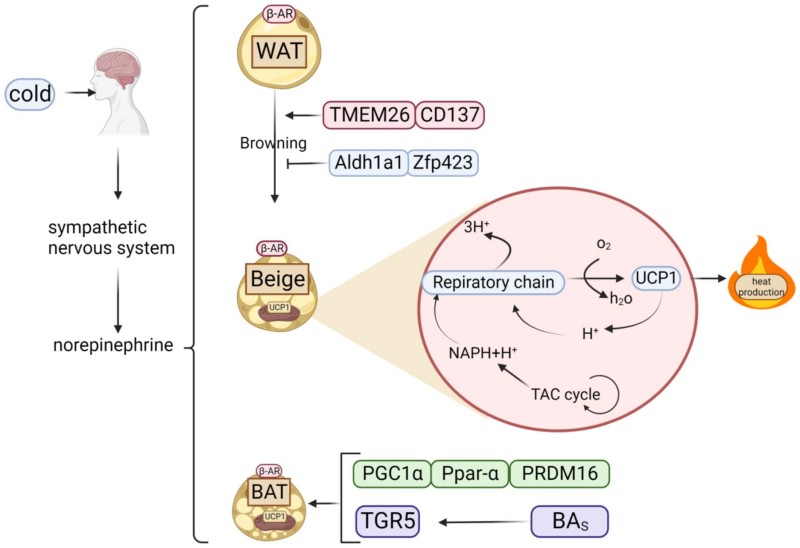 Fig.1 Polyphenols' anti-obesity effects: core on thermogenic regulation. (He, et al., 2024)
Customer Review
Metabolic Disease Research
“We approached Protheragen with a diverse panel of anti-obesity leads and only a rough sense that metabolism might be a problem. Their team designed an elegant workflow that revealed surprising differences in metabolite patterns between analogues that looked similar on paper. That insight helped us down-select to a smaller, cleaner set of candidates. The reports were clear enough that our internal stakeholders quickly aligned, and we have already engaged Protheragen for the next wave of optimization.”
Dr. C. R., Mid-Size Pharma
Preclinical Development of Metabolite Behavior
“Our program focuses on adipose-targeted metabolic activators, and we needed a partner who understood both fat biology and complex metabolite behavior. Protheragen not only generated high-quality LC–MS data, but they also interpreted it in the context of adipose and liver physiology. The team was responsive, transparent about options, and proactive in suggesting follow-up experiments. We plan to keep them involved as we refine compounds and explore new mechanisms in our pipeline.”
Prof. J. L., Biotech Program Director
Frequently Asked Questions
-
What stage of development is best for starting metabolite studies?
It is advantageous to explore metabolites as soon as you have stable leads with clear in vitro activity. Early metabolite data help avoid investing heavily in compounds with obvious metabolic liabilities. Protheragen frequently supports teams at hit-to-lead and lead optimization stages, long before any clinical planning.
-
Can you work with both small molecules and peptide-like compounds?
Yes. Our platforms handle classic small molecules, peptide mimetics, and more complex scaffolds. Method development adapts to physicochemical properties, ensuring that even polar or highly lipophilic compounds yield reliable metabolite readouts.
-
How do you ensure the work remains non-clinical?
All studies are conducted in vitro or in non-clinical models, and we do not perform any human sample analysis or clinical trial support under this service. The focus is on mechanistic understanding, safety de-risking, and candidate optimization within research settings.
-
What information do you need from us to start?
Typically, we request the chemical structure, basic physicochemical properties, target class, intended route of administration, and any existing PK or in vitro metabolism data. With this information, Protheragen can propose a tailored workflow and quote.
-
Can you compare metabolite profiles across species?
Yes. We routinely run parallel studies in human and preclinical species for cross-species comparison. This helps guide species selection for toxicology and highlights potential human-unique metabolites based on surrogate data.
-
What if my compound is structurally similar to known anti-obesity drugs?
Structural similarity is highly informative. We leverage published data on related compounds to anticipate metabolic soft spots and typical biotransformations, then confirm or refine those predictions experimentally for your specific candidate.
-
How do you handle potentially reactive metabolites?
When structural alerts or experimental data suggest reactive intermediates, we can incorporate trapping agents, time-dependent analyses, and follow-up assays to better understand and quantify those species in preclinical systems.
-
Can you support analogue ranking for medicinal chemistry campaigns?
Absolutely. We can design streamlined panels where multiple analogues are profiled under identical conditions, then provide a comparative ranking of metabolic stability, formation of concerning metabolites, and overall “metabolic cleanliness” to guide synthesis priorities.
How to Contact Us?
Protheragen provides a comprehensive, non-clinical anti-obesity drug metabolite study service that unites advanced analytical platforms, obesity-focused biology, and flexible project design. From first-in-class mechanistic probes to next-generation adipose-targeted agents and illegal analogue assessments, our goal is to give you a precise, actionable picture of your compound's metabolic fate before critical decisions are made.
Contact Our Team for More Information and to Discuss Your Project!
Reference
- He, L.; et al. The anti-obesity effects of polyphenols: a comprehensive review of molecular mechanisms and signal pathways in regulating adipocytes. Frontiers in nutrition. 2024, 11: 1393575. (CC BY 4.0)
All of our services and products are intended for preclinical research use only and cannot be used to diagnose, treat or manage patients.