

- Anti-Obesity Compound Library
- GPCR/G Protein-Targeted Compounds
- Immunology/Inflammation-Targeted Compounds
- JAK/STAT-Targeted Compounds
- MAPK-Targeted Compounds
- Membrane Transporter/Ion Channel-Targeted Compounds
- Metabolism-Targeted Compounds
- NF-κB-Targeted Compounds
- Microbiology/Virology-Targeted Compounds
- Neuronal Signaling-Targeted Compounds
- PI3K/Akt/mTOR-Targeted Compounds
- Oxidation-reduction-Targeted Compounds
- Proteases/Proteasome-Targeted Compounds
- Stem Cells/Wnt-Targeted Compounds
- Tyrosine Kinase/Adaptors-Targeted Compounds
- Ubiquitin-Targeted Compounds

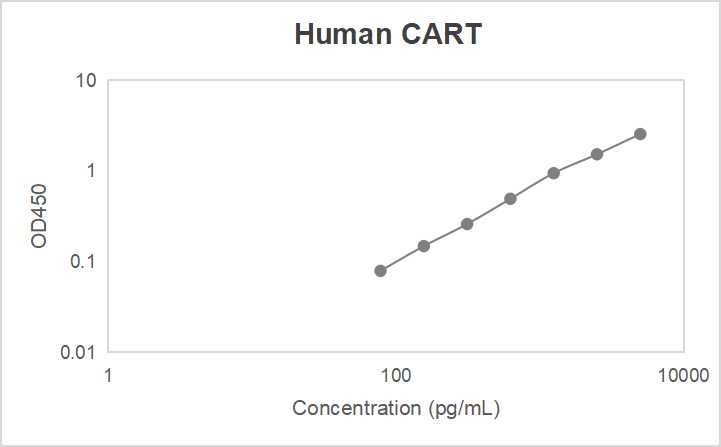
Human cocaine- and amphetamine-regulated transcript (CART) ELISA kit (78-5000 pg/mL, 33 pg/mL)
Product Overview
Specification
Related Products
-

Guinea pig agouti-related protein (AGRP) ELISA kit (25-500 pg/mL)
-
Mouse growth hormone (GH) ELISA kit (50-1000 pg/mL)
-
Rat agouti-related protein (AGRP) ELISA kit (0.1 ng/mL)
-
Fish interleukin 6 (IL-6) ELISA kit-Quantitative sandwich
-
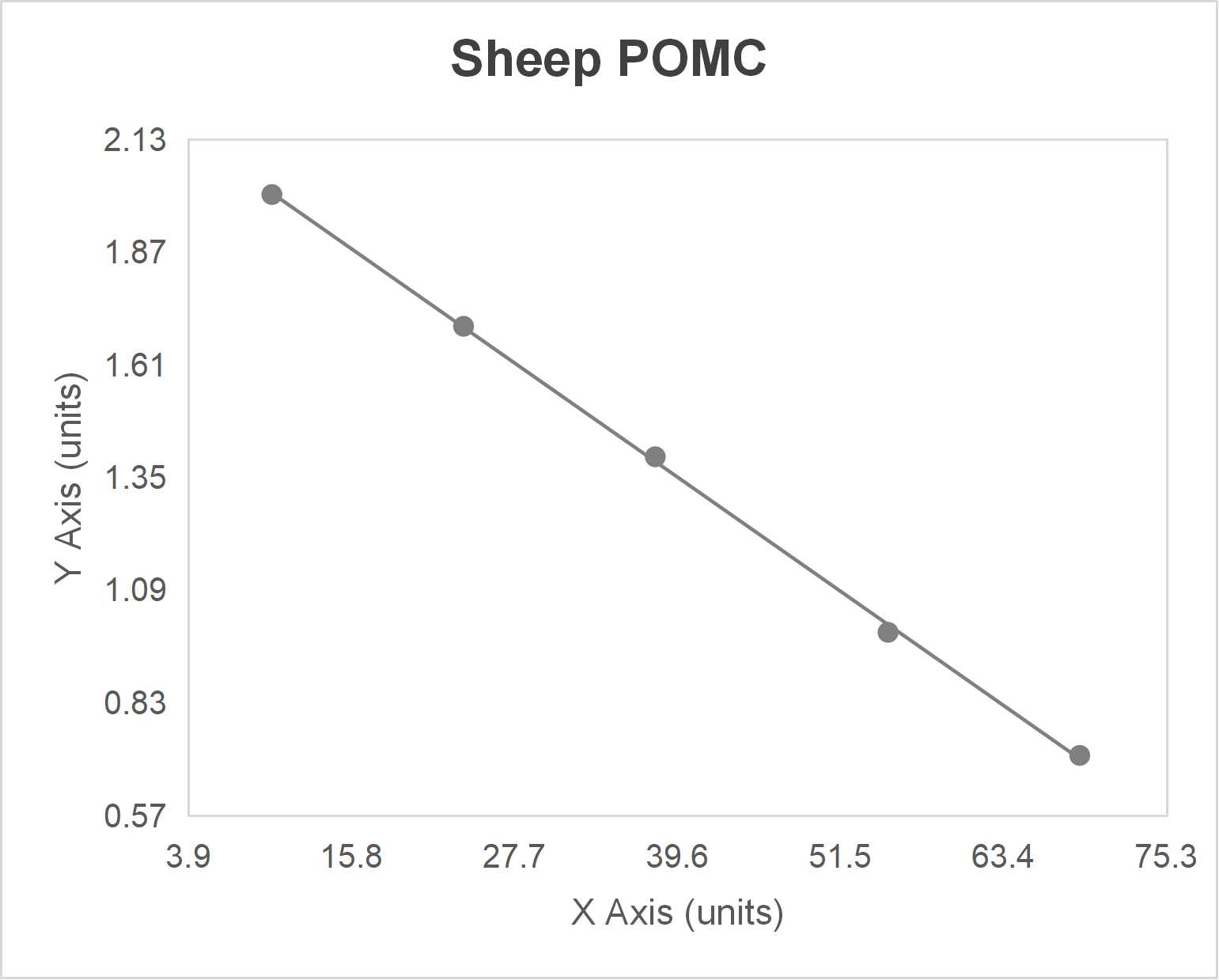
Sheep pro-opiomelanocortin (POMC) ELISA kit-Quantitative competitive
-
Cat estrogen receptor (ER) ELISA kit