- Anti-Obesity Compound Library
- GPCR/G Protein-Targeted Compounds
- Immunology/Inflammation-Targeted Compounds
- JAK/STAT-Targeted Compounds
- MAPK-Targeted Compounds
- Membrane Transporter/Ion Channel-Targeted Compounds
- Metabolism-Targeted Compounds
- NF-κB-Targeted Compounds
- Microbiology/Virology-Targeted Compounds
- Neuronal Signaling-Targeted Compounds
- PI3K/Akt/mTOR-Targeted Compounds
- Oxidation-reduction-Targeted Compounds
- Proteases/Proteasome-Targeted Compounds
- Stem Cells/Wnt-Targeted Compounds
- Tyrosine Kinase/Adaptors-Targeted Compounds
- Ubiquitin-Targeted Compounds
Metabolism-Targeted Compounds
InquiryOverview
Metabolism is a fundamental process for sustaining life activity and involves biochemical reactions that convert carbohydrates, lipids, and proteins into energy. This process plays a key role in metabolic diseases such as obesity, diabetes, cardiovascular disease, and cancer. Protheragen provides high-purity products of metabolism-related compounds. These products are widely used in the fields of drug screening, cell induction, and mechanism research, providing strong support for your research.
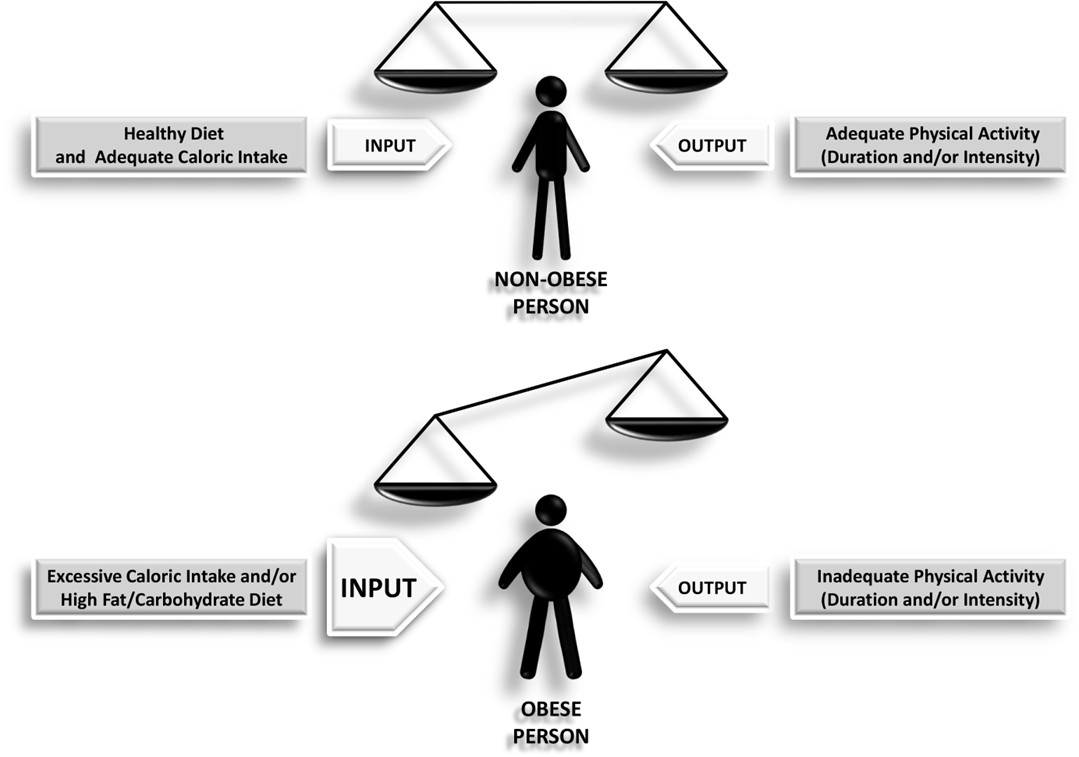 Fig.1 Obesity due to an imbalance between inputs and outputs. (Uranga & Keller, 2019)
Enabling Obesity Research and Target Discovery
Our company provides high-purity metabolism-related compounds, including fatty acids, amino acid derivatives, biogenic amines, glucose metabolism intermediates, endogenous metabolites, fatty acid synthase inhibitors, etc., covering the core pathways of glucolipid metabolism, energy homeostasis, and signaling. Examples of our high-quality inhibitors include, but are not limited to:
|
|
|
|
|
|
|
|
|
|
|
|
Our product matrix provides comprehensive coverage of diversified research targets, covering the following:
|
|
|
|
|
|
|
|
|
|
|
|
|
|
|
|
|
|
|
|
|
|
|
|
|
|
|
|
|
|
|
|
|
|
|
|
|
|
|
|
|
|
|
|
|
|
|
|
|
|
|
|
|
|
|
|
|
|
|
|
|
|
|
|
|
|
|
|
|
|
|
|
|
|
|
|
|
|
|
|
|
|
|
|
|
|
|
|
|
|
|
|
|
|
|
|
|
|
|
|
|
|
|
|
|
|
|
|
|
|
|
|
|
|
|
|
|
|
|
|
|
|
|
|
|
|
|
|
|
|
|
|
|
|
||
Applications
- Mechanistic Elucidation & Pathogenesis: Our high-quality metabolism-related compounds can be used for screening and mechanistic studies of anti-obesity molecules and exploring the molecular pathogenesis of obesity.
- Targeted Drug Discovery: Our high-quality metabolism-related compounds can be used to construct phenotypic screening models for rapid discovery and validation of novel metabolic modulators.
- Metabolomics Research Tool: Our products serve as specialized tools for metabolomics research, enabling quantitative metabolite analysis and structural identification of unknown metabolites.
Advantages of Us
Diversified Options
Our products cover a broad spectrum of metabolic pathways, targets, and receptors, addressing complex research needs ranging from fundamental mechanism exploration to drug screening.
Precise Targeting
Leveraging metabolomics big data screening, the company focuses on core metabolic nodes related to obesity, significantly enhancing drug discovery efficiency and success rates.
Modification Services
Our company provides compound structure modification, stability testing, and proprietary library design to accelerate the progress of client projects.
Publication
Title: Association between metabolite profiles, metabolic syndrome, and obesity status
Journal: Nutrients, 2016
DOI: https://doi.org/10.3390/nu8060324
Summary: The authors used metabolomic analysis to reveal metabolic differences between normal weight (NW) and overweight/obese (Ov/Ob) individuals and to elucidate the underlying mechanisms of obesity-related metabolic abnormalities. Obesity and metabolic syndrome patients have been found to have significantly abnormal levels of metabolites such as long-chain glycerophospholipids, and these changes are strongly associated with lipid metabolism disorders and decreased insulin sensitivity. Levels of branched-chain amino acids (BCAAs) and acylcarnitines correlate with healthy metabolic status, and their decline may indicate impaired metabolic function.
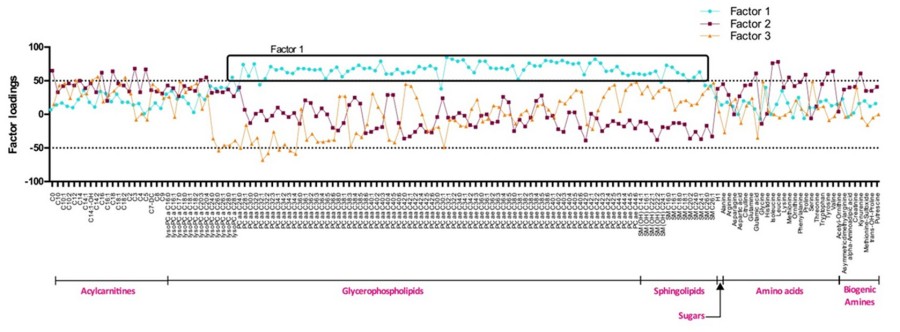 Fig.2 Metabolite models for gene information studies. (Allam-Ndoul, et al., 2016)
Customer Review
Integrated Pathway Analysis
"This metabolic compound library is exceptionally well-designed, comprehensively covering multiple metabolism-related targets. It has significantly streamlined our translational process from metabolomics data to functional validation."— Dr. T* B***
Reliability in Enzyme Assays
"Beyond its exceptional structural diversity, Protheragen's metabolic compound library most importantly provides highly detailed molecular activity data and quality reports. This greatly facilitates in-depth analysis of our high-throughput screening results and precisely guides subsequent lead compound optimization and experimental design."— C. N* P***
Frequently Asked Questions
-
Is it possible to customize compound libraries?
Yes, we offer customized compound libraries service to design and synthesize the desired compound libraries according to your specific needs.
-
How to dissolve these compounds? What solvents are recommended?
Most small molecules are soluble in DMSO, and some are soluble in water, ethanol, or PBS. For insoluble compounds, try sonication, heating, or the use of co-solvents. For specific solubilization methods, please refer to the product manual or consult our technical support team.
-
Is the compound library suitable for structure optimization?
Absolutely. Our compound library contains numerous molecules with similar chemical skeletons but slightly different activities. Following high-throughput screening, it provides information support for structural modification and optimization of lead compounds.
The high-quality metabolic compounds Protheragen provides are a great choice for your obesity research. With our metabolism-related compound products, clients conduct scientific research on obesity and related metabolic diseases more efficiently. Please feel free to contact us!
References
Metabolism-Targeted Compounds
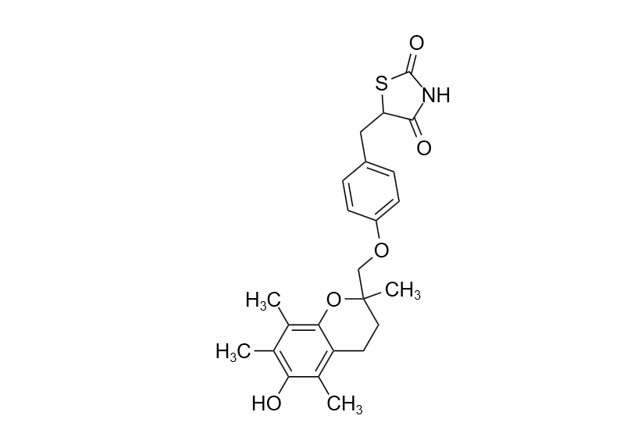
- CAS No.: 97322-87-7
- Pathways: Metabolism; Apoptosis; DNA damage/DNA repair; Autophagy
- Targets: PPAR family
- Receptors: PPAR; PPARγ
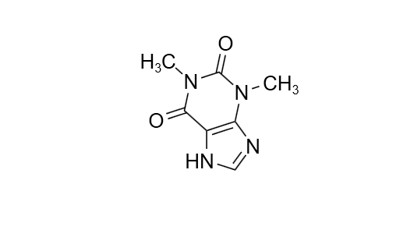
- CAS No.: 58-55-9
- Pathways: Metabolism; GPCR/G protein; DNA damage/DNA repair; Autophagy; Neuronal signaling; Chromatin/Epigenetic
- Targets: HDAC; PDE
- Receptors: HDAC2
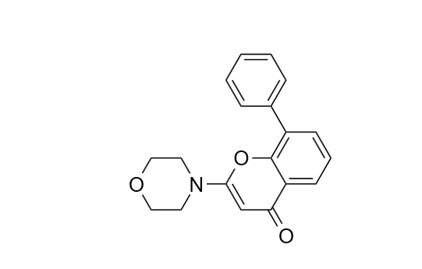
- CAS No.: 154447-36-6
- Pathways: Metabolism; Apoptosis; DNA damage/DNA repair; PI3K/Akt/mTOR signaling; Autophagy; Stem cells
- Targets: PI3K family; Casein kinase; DNA-PK
- Receptors: p110α; p110β; p110δ
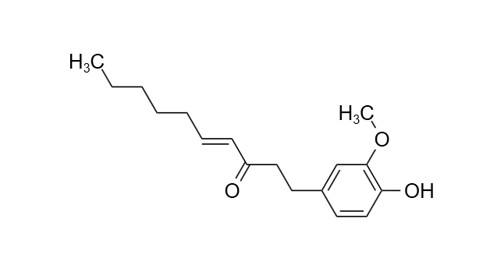
- CAS No.: 555-66-8
- Pathways: Metabolism; Autophagy
- Targets: Lipoxygenase
- CAS No.: 528-43-8
- Pathways: Metabolism; Autophagy; Microbiology/Virology; Apoptosis; DNA damage/DNA repair; NF-κB
- Targets: PPAR; Retinoid receptor; p53; NF-κB
- Receptors: PPARγ; RAR/RXR; RXRα

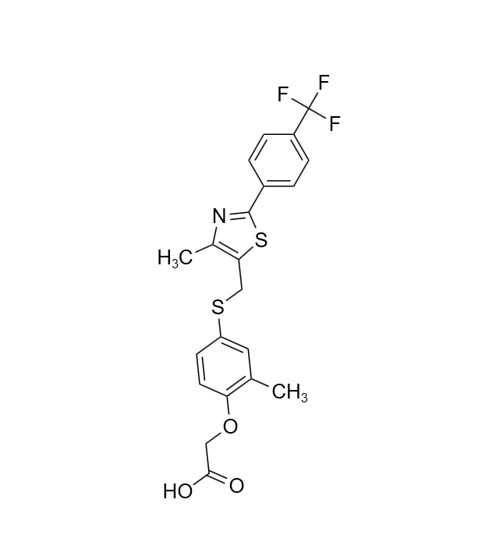
- CAS No.: 317318-70-0
- Pathways: Metabolism; Autophagy; DNA damage/DNA repair
- Targets: PPAR
- Receptors: PPARβ; PPARδ
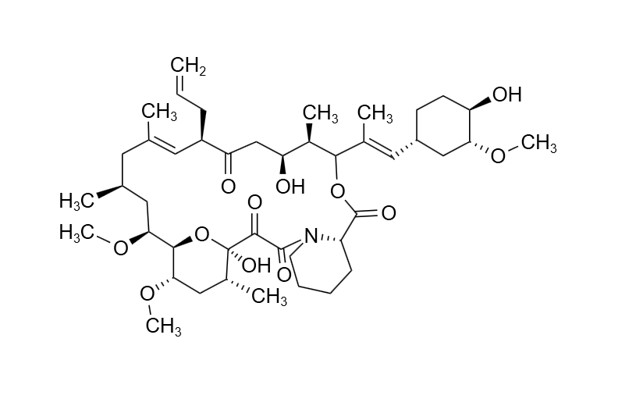
- CAS No.: 104987-11-3
- Pathways: Metabolism; Microbiology/Virology; Autophagy; PI3K/Akt/mTOR signaling
- Targets: Serine/Threonine phosphatases; Immunophilins
- Receptors: FKBP-12; Phosphatase
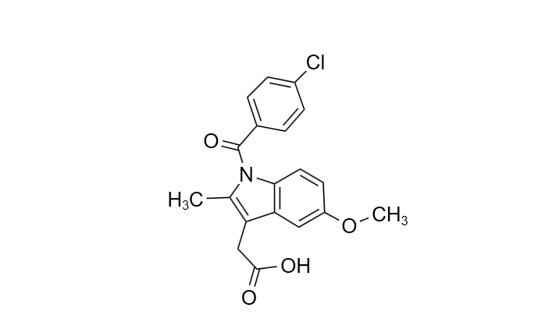
- CAS No.: 53-86-1
- Pathways: Metabolism; Neuronal signaling; Immunology/Inflammation; Autophagy
- Targets: Phospholipase; COX; PDE
- Receptors: COX-1; COX-2; PDE2; PLA2
- CAS No.: 184475-71-6
- Pathways: Metabolism; Autophagy; Neuronal signaling
- Targets: Metabolic enzymes
- Receptors: FAAH

- CAS No.: 29031-19-4
- Pathways: Metabolism; Autophagy; Proteases/Proteasome; Chromatin/Epigenetic; Immunology/Inflammation; NF-κB
- Targets: Catabolic enzymes; Hydroxylases/Signaling regulators
- Receptors: HIF/HIF prolyl-hydroxylase; MMP-3; Reactive oxygen species