

- Anti-Obesity Compound Library
- GPCR/G Protein-Targeted Compounds
- Immunology/Inflammation-Targeted Compounds
- JAK/STAT-Targeted Compounds
- MAPK-Targeted Compounds
- Membrane Transporter/Ion Channel-Targeted Compounds
- Metabolism-Targeted Compounds
- NF-κB-Targeted Compounds
- Microbiology/Virology-Targeted Compounds
- Neuronal Signaling-Targeted Compounds
- PI3K/Akt/mTOR-Targeted Compounds
- Oxidation-reduction-Targeted Compounds
- Proteases/Proteasome-Targeted Compounds
- Stem Cells/Wnt-Targeted Compounds
- Tyrosine Kinase/Adaptors-Targeted Compounds
- Ubiquitin-Targeted Compounds

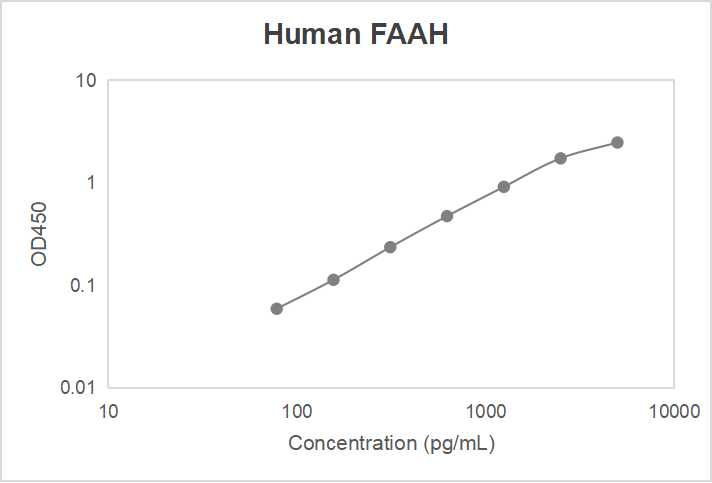
Human fatty-acid amide hydrolase (FAAH) ELISA kit (46.88-3000 mIU/mL)
Product Overview
Specification
Related Products
-

Cat fatty acid synthase (FAS) ELISA kit
-
Bovine fibroblast growth factor 21, FGF21 ELISA kit (62.5-4000 pg/mL)
-

Mouse adiponectin (ADP) ELISA kit (31.2-2000 pg/mL, <14.5 pg/mL)
-
Bovine acyl-CoA dehydrogenase family member 11 (ACAD11) ELISA kit
-
Human apolipoprotein C-III (Apo-CIII) ELISA kit (6.25-200 μg/mL)
-

Mouse adrenocorticotropic hormone (ACTH) ELISA kit (0.312-20 ng/mL)