

- Anti-Obesity Compound Library
- GPCR/G Protein-Targeted Compounds
- Immunology/Inflammation-Targeted Compounds
- JAK/STAT-Targeted Compounds
- MAPK-Targeted Compounds
- Membrane Transporter/Ion Channel-Targeted Compounds
- Metabolism-Targeted Compounds
- NF-κB-Targeted Compounds
- Microbiology/Virology-Targeted Compounds
- Neuronal Signaling-Targeted Compounds
- PI3K/Akt/mTOR-Targeted Compounds
- Oxidation-reduction-Targeted Compounds
- Proteases/Proteasome-Targeted Compounds
- Stem Cells/Wnt-Targeted Compounds
- Tyrosine Kinase/Adaptors-Targeted Compounds
- Ubiquitin-Targeted Compounds

Bovine tyrosine-protein phosphatase non-receptor type 1 (PTPN1) ELISA kit

Product Overview
Specification
Related Products
-
Mouse growth hormone (GH) ELISA kit (0.05-30 ng/mL)
-
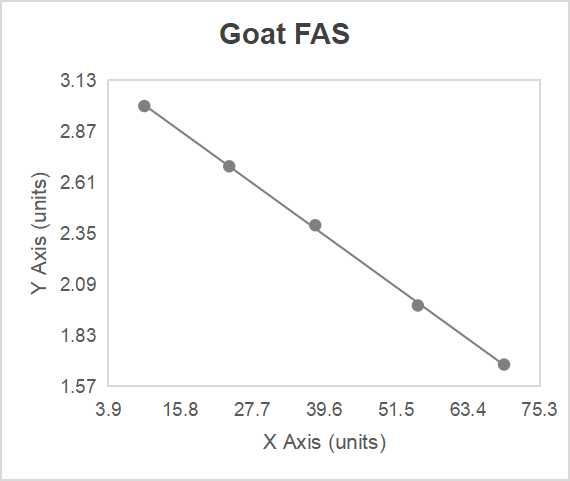
Goat fatty acid synthase (FAS) ELISA kit (1.0 μg/mL)
-
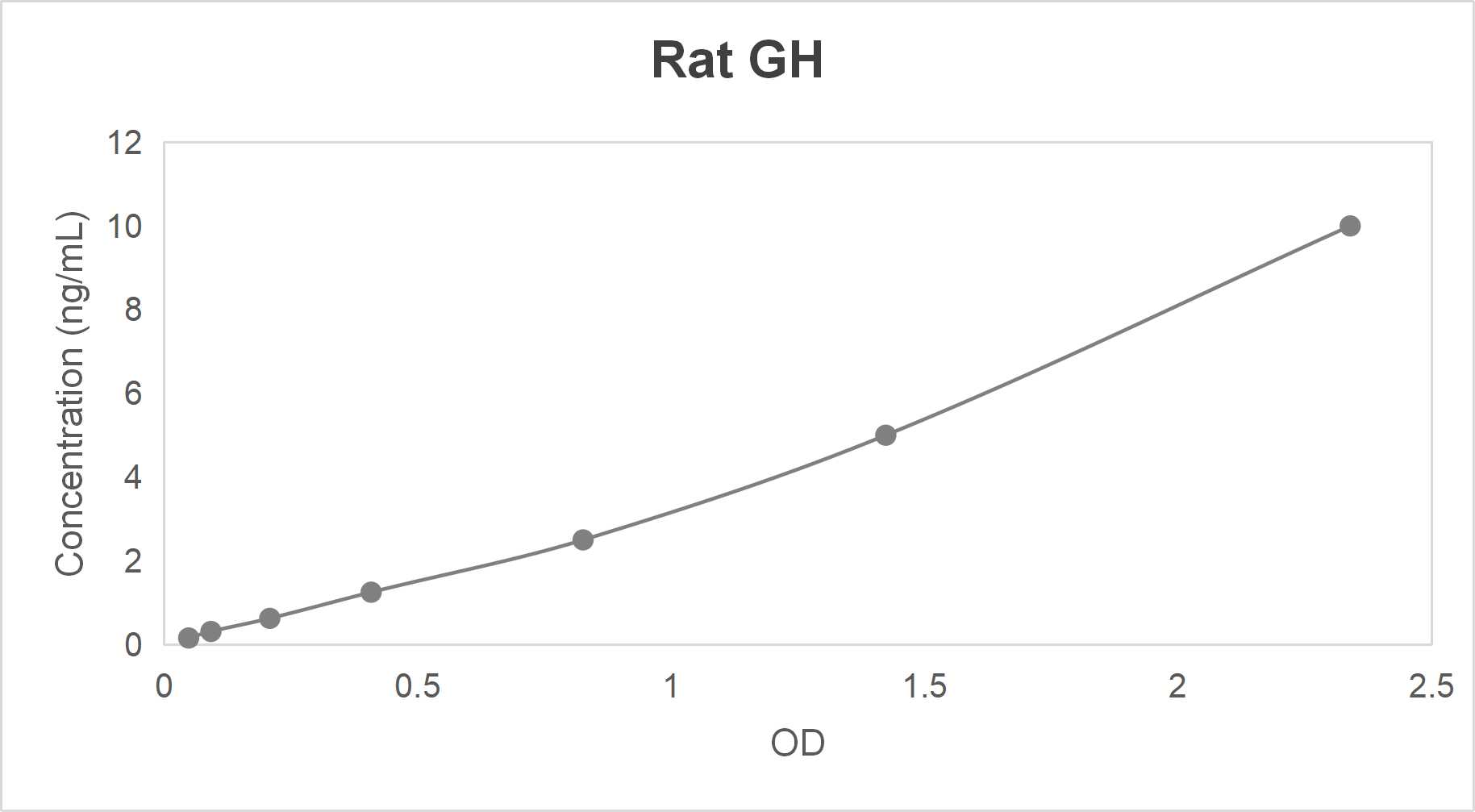
Rat growth hormone (GH) ELISA kit (0.156-10 ng/mL)
-
Bovine prothrombin fragment 1 + 2 (F1 + 2) ELISA kit
-
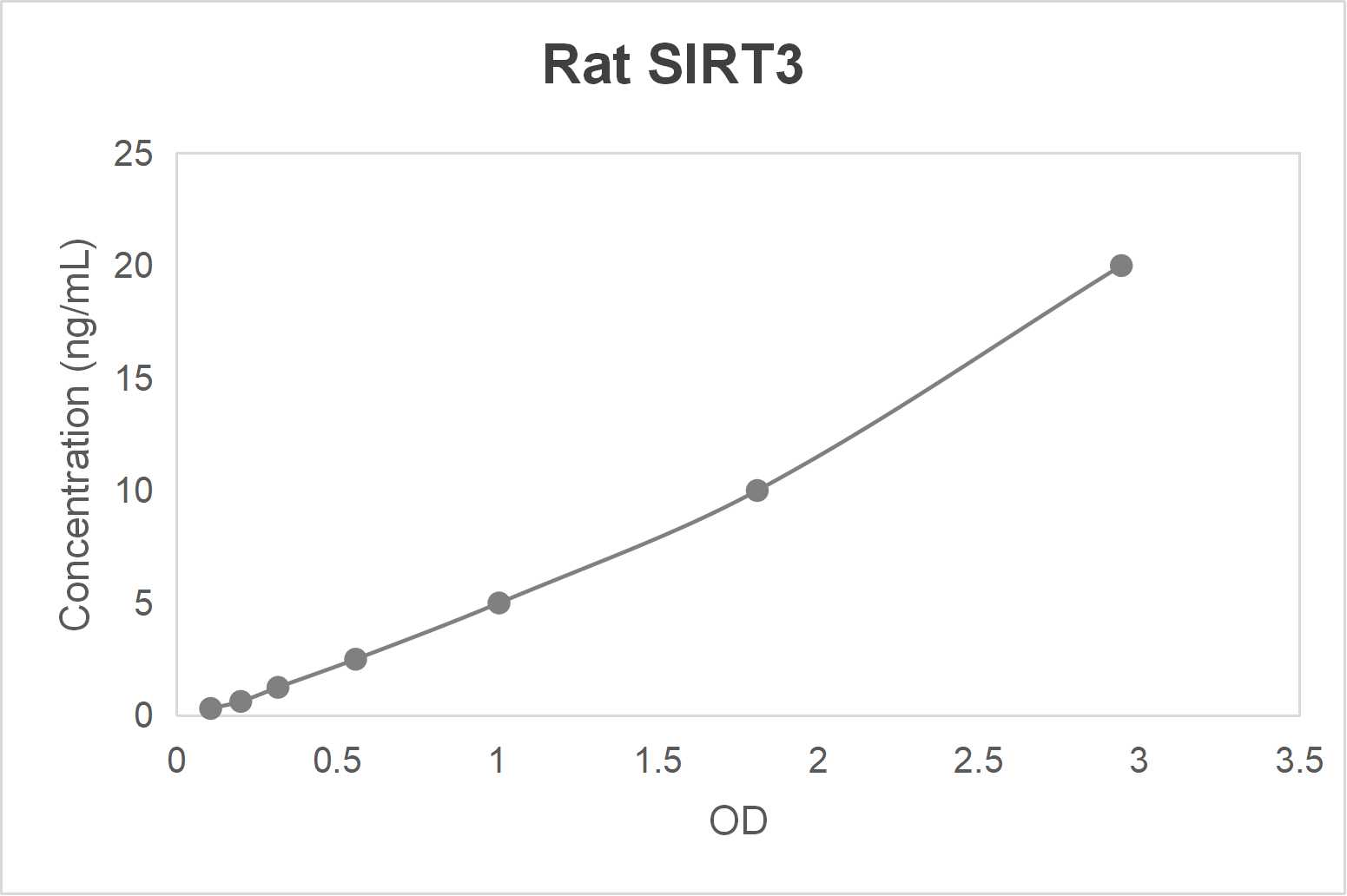
Rat NAD-dependent protein deacetylase sirtuin-3; mitochondrial (SIRT3) ELISA kit-Quantitative sandwich
-
Porcine adiponectin (ADP) ELISA kit