

- Anti-Obesity Compound Library
- GPCR/G Protein-Targeted Compounds
- Immunology/Inflammation-Targeted Compounds
- JAK/STAT-Targeted Compounds
- MAPK-Targeted Compounds
- Membrane Transporter/Ion Channel-Targeted Compounds
- Metabolism-Targeted Compounds
- NF-κB-Targeted Compounds
- Microbiology/Virology-Targeted Compounds
- Neuronal Signaling-Targeted Compounds
- PI3K/Akt/mTOR-Targeted Compounds
- Oxidation-reduction-Targeted Compounds
- Proteases/Proteasome-Targeted Compounds
- Stem Cells/Wnt-Targeted Compounds
- Tyrosine Kinase/Adaptors-Targeted Compounds
- Ubiquitin-Targeted Compounds

Bovine TBC1 domain family member 1 (TBC1D1) ELISA kit

Product Overview
Specification
Related Products
-
Human neuroendocrine secretory protein 55 (NESP55) ELISA kit-Quantitative competitive
-
Guinea pig acetylcholinesterase collagenic tail peptide (COLQ) ELISA kit
-
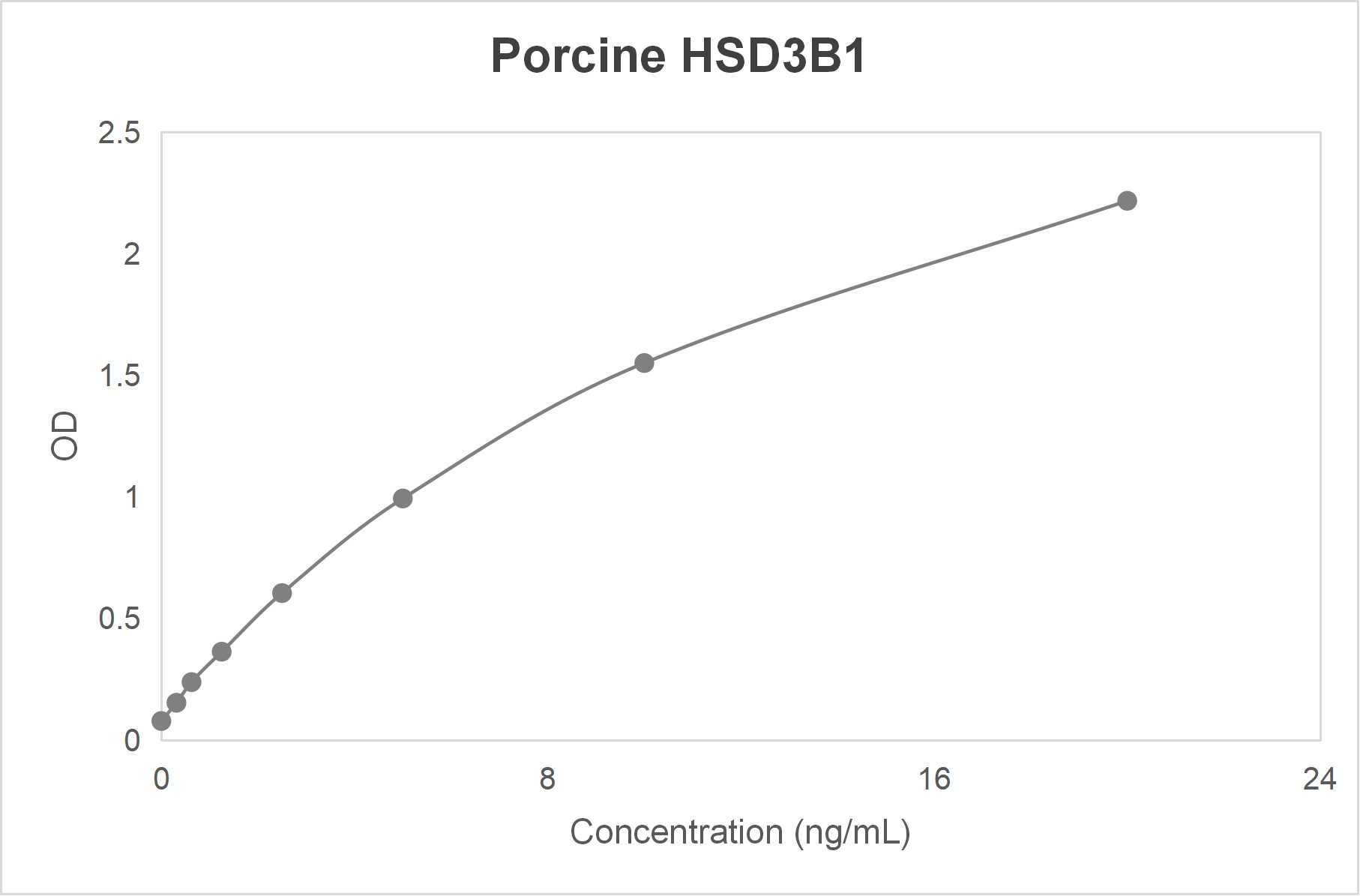
Porcine 3 beta-hydroxysteroid dehydrogenase/delta 5-->4-isomerase type 1 (HSD3B1) ELISA kit (0.312-20 ng/mL)
-
Guinea pig estrogen receptor (ER) ELISA kit (250-5000 pg/mL)
-
Pigeon regulatory solute carrier protein family 1 member 1 (RSC1A1) ELISA kit
-
Monkey ectonucleotide phosphodiesterase/pyrophosphatase member 6 (ENPP6) ELISA kit